
 Pregledaj u prostoru
 Pošalji
 Podeli
 Detalji o delu

 Преузми
 Slični predmeti
 Rendgenski snimak
 Slajdovi
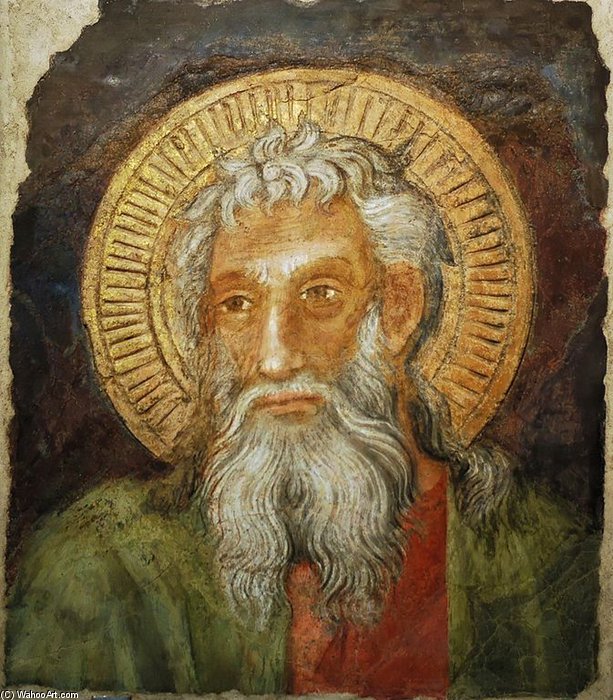
St. Andrew
 Pročitaj više
Ručno rađena uljana reprodukcija
Ručno oslikano uljanim bojama na platnu u dimenzijama i okviru po vašem izboru, izrađeno po porudžbini od strane naših umetnika. ( Kupi print Kupi digitalnu sliku)




































Izaberite jednu od naših unapred definisanih veličina koje odgovaraju originalnim proporcijama umetničkog dela.

Можете унети сопствене димензије како бисте прилагодили дело одређеном оквиру или простору. Ако одабрана величина не одговара пропорцијама оригинала, слика ће бити исечена или проширена додатним елементима који се ручно насликавају. Дигитални prikaz ће вам бити послат на одобрење пре почетка производње.
Имајте на уму да преглед на екрану не одражава стварно исецање или проширење. Само приказ (mockup) ће тачно приказати коначну композицију.
Иако су доступне прилагођене величине, препоручујемо да одаберете димензију из дефинисане листе како бисте сачували оригиналне пропорције.
Nakon narudžbine, tim OriginalUniqueArt.com će klijentu putem e-pošte poslati uputstva i dostaviti prikaz predloženog rešenja
Isporuka širom sveta () za 3/4 nedelje umesto uobičajenih 5 nedelja. (21 август). Bez kompromisa po pitanju kvaliteta.

Besplatna ekspresna dostava širom sveta

Visokokvalitetno laneno platno

Kompletno osiguranje transporta

Garancija povraćaja carine i uvoznih dažbina

Garancija vernosti boja

Politika povrata u roku od 60 dana (samo u slučaju nedostataka)

Garancija povrata novca od 100%

Popust pri grupnoj kupovini
 Opcija sa staklom dostupna je samo za dimenzije manje od 110 cm

St. Andrew
Tehnika reprodukcije
Dimenzije reprodukcije
-


Konačna cena
$ 300
Biografija umetnika
Lippo d'Andrea di Lippo: A Bolognese Master of Madonna Portraits
Lippo d’Andrea di Lippo (c. 1352 – 1410), often referred to as Lippo delle Madonne, stands as a pivotal figure in the burgeoning artistic landscape of Bologna during the Quattrocento—the Florentine Renaissance's sister city. While overshadowed by contemporaries like Piero della Francesca and Andrea Mantegna, Lippo’s contribution to Bolognese painting is undeniable, particularly his prolific output of Madonna and Child depictions that cemented his reputation as “The Painter of Madonnas.” His work embodies a synthesis of Tuscan humanist ideals with the expressive fervor characteristic of the Bolognese school, resulting in images imbued with profound spiritual depth and meticulous artistic craftsmanship.Early Life and Training
Born in Florence around 1352, Lippo’s formative years coincided with the zenith of Florentine artistic innovation under Cosimo de' Medici. Evidence suggests he received his initial training from Andrea di Cione (Orcagna), a celebrated sculptor and painter known for his monumental frescoes in Siena Cathedral—a testament to Orcagna’s influence on shaping Lippo’s aesthetic sensibilities. Furthermore, Lippo was deeply connected to the broader Tuscan artistic milieu, absorbing stylistic cues from artists like Simone Martini and Matteo Giovannetti. However, unlike many Florentine painters of his era who pursued humanist scholarship alongside artistic pursuits, Lippo’s path led him towards Bologna in 1389 where he joined the workshop of Vitale da Bologna—a school renowned for its refined decorative arts and its embrace of naturalistic observation. This association exposed Lippo to a distinctly Bolognese artistic tradition characterized by a heightened sensitivity to color and texture, shaping his distinctive visual vocabulary.Style and Technique
Lippo’s artistic style is immediately recognizable by its serene composure and masterful execution. He eschewed the dramatic theatricality favored by some of his peers, opting instead for compositions that prioritize clarity and elegance—a hallmark of Bolognese painting. His Madonna portraits are distinguished by their luminous color palettes—often dominated by blues and golds—which convey a sense of ethereal beauty and spiritual transcendence. Lippo’s technique involved meticulous layering of pigments, utilizing glazing techniques to achieve subtle gradations of tone and luminosity that captured the softest nuances of light. He skillfully rendered drapery folds with remarkable realism, conveying both volume and texture through careful observation and painstaking brushwork. The artist's attention to detail extended beyond mere visual representation; he infused his paintings with symbolic gestures and expressions intended to convey profound theological concepts—reflecting the humanist preoccupation with moral virtue and spiritual contemplation prevalent in Bolognese art circles.Notable Works
Lippo’s oeuvre comprises numerous Madonna and Child panels, several of which bear his signature—a rare occurrence for artists of his time—providing invaluable insight into his artistic practice and stylistic evolution. Among his most celebrated paintings are *Sant'Andrea a Brozzi*, housed in Sant'Andrea a Brozzi Museum, showcasing the artist’s masterful depiction of drapery and color harmony. The Museo del Cenacolo di San Salvi houses *Cenacolo di Andrea del Sarto*, which exemplifies Lippo’s ability to capture emotion and psychological depth within a religious scene—a testament to his artistic prowess. Furthermore, *Madonna and Child Enthroned* is considered one of Lippo's finest achievements, demonstrating his unparalleled skill in portraying the Virgin Mary with grace and dignity.Legacy and Historical Significance
Lippo d’Andrea di Lippo’s influence extended beyond his immediate contemporaries, establishing him as a foundational figure within the Bolognese school of painting—a movement that would propel artistic innovation throughout Italy during the fifteenth century. His unwavering commitment to naturalistic observation combined with humanist ideals profoundly shaped the aesthetic sensibilities of subsequent generations of artists. Although overshadowed by more flamboyant figures like Piero della Francesca and Andrea Mantegna, Lippo’s enduring legacy resides in his contribution to the development of Madonna portraiture—a genre that continues to inspire artists today. He remains a symbol of Bolognese artistic excellence and a testament to the transformative power of humanist thought within the visual arts.
lippo d'andrea di lippo
1352 - 1410 , Italy
Osnovne informacije
- Artistic Movement Or Style: Early Bolognese School
- Artists Or Movements Influenced By This Artist: ['Vitale da Bologna']
- Artists Who Influenced This Artist:
- Andrea di Cione
- Jacopo di Strada
- Date Of Birth: Florence, Italy (1352)
- Date Of Death: 1410
- Full Name: Lippo d'Andrea di Lippo
- Nationality: Italian
- Notable Artworks:
- Sant'Andrea a Brozzi
- Madonna and Child Enthroned
- Place Of Birth: Florence

