- Početna strana

- Štampa na platnu
- Lionello Spada
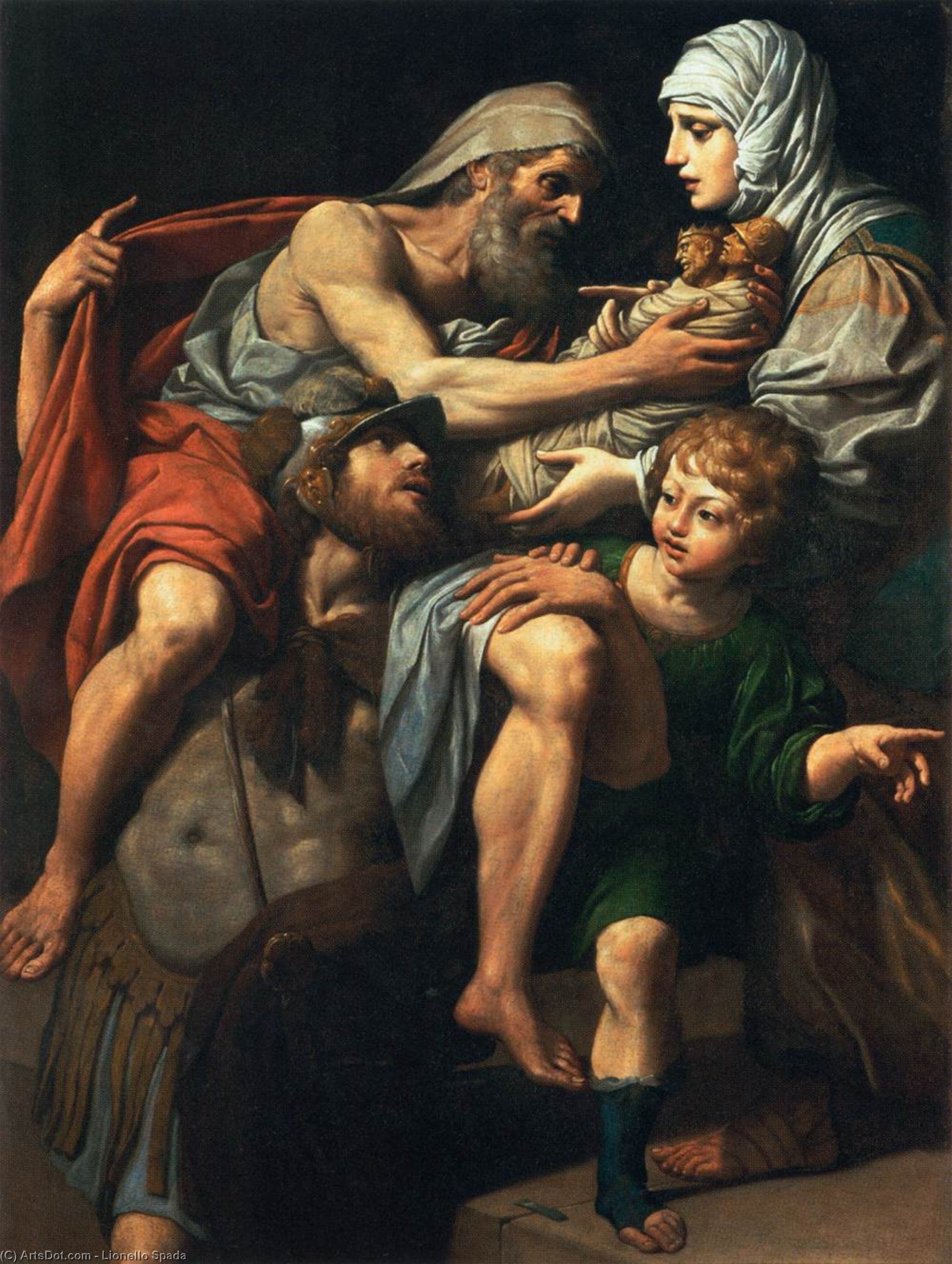
- Aeneas and Anchises
 Naručite reprodukciju Kupi digitalnu sliku
 Pošalji
 Podeli
 Detalji o delu
 Dodaj u omiljene

 Преузми
 Slični predmeti
 Rendgenski snimak
 Slajdovi
Aeneas and Anchises
 Oil On Canvas
- WallArt
- Baroque
 1615
1615 195.0 x 132.0 cm
 Louvre
 Pročitaj više
Giclee štampa / Umetnički otisak
Giclée štampa ili print na platnu muzejskog kvaliteta uz brzu proizvodnju i fleksibilne opcije završne obrade.




P118B $10

P118H $10

P118W $10

P438Z $10

P508JH $12

P508YH $12

P805H $10

P805Z $10

P919BZ $10

P919G $10

P919XJ $10

P959ZH $10

P968JZ $12

W106C $8

W218G $10

W218JH $8

W218Y $10

W307PJ $10

W316G $10

W316PJ $8

W316Y $10

W398PJ $8

W4111J $10

W500HY $15

W500JH $15

W692G $12

W849H $8

W940BG $15

W953PJ $8




Izaberite jednu od naših unapred definisanih veličina koje odgovaraju originalnim proporcijama umetničkog dela.

Možete uneti sopstvene dimenzije kako biste umetničko delo prilagodili specifičnom okviru ili prostoru. Ako odabrani format ne odgovara proporcijama originalne slike, mi ćemo ili iscrtati deo dela ili proširiti sliku pomoću ogledane ivice ili jednobojnog popunjavanja. Digitalni prikaz će vam biti poslat na odobrenje pre početka proizvodnje.
Imajte na umu da pregled na ekranu ne odražava stvarno iscrtavanje ili proširivanje. Samo će prikaz (mockup) precizno pokazati finalnu kompoziciju.
Iako su prilagođene dimenzije dostupne, preporučujemo da odaberete dimenziju sa unapred definisane liste kako biste očuvali originalne proporcije.
Dostava širom sveta () za 2 nedelje umesto uobičajenih 4/5 nedelja. (22 јул)

Besplatna ekspresna dostava širom sveta

Visokokvalitetno laneno platno

Kompletno osiguranje transporta

Garancija povraćaja carine i uvoznih dažbina

Garancija vernosti boja

Politika povrata u roku od 60 dana (samo u slučaju nedostataka)

Garancija povrata novca od 100%

Popust pri grupnoj kupovini
 Opcija sa staklom dostupna je samo za dimenzije manje od 110 cm

Aeneas and Anchises
Giclee štampa / Umetnički otisak
Dimenzije reprodukcije
-


Konačna cena
-
Opis predmeta
The Dramatic Echoes of Troy: Lionello Spada’s “Aeneas and Anchises”
Lionello Spada's "Aeneas and Anchises," painted around 1615, is not merely a depiction of a pivotal moment in Virgil’s *Aeneid*; it’s a visceral embodiment of the anxieties and aspirations that defined the early Baroque era. Housed within the hallowed halls of the Louvre Museum, this oil on canvas transcends its simple subject matter to become a profound meditation on lineage, destiny, and the fraught relationship between past and future. Spada, deeply influenced by the revolutionary realism of Caravaggio yet firmly rooted in the Bolognese tradition championed by the Carracci, masterfully synthesizes these influences into a work that pulsates with dramatic intensity.
The scene unfolds with arresting immediacy. We witness Aeneas, already established as a Trojan hero and destined to found Rome, engaged in a weighty conversation with his paternal ancestor, Anchises. The figures are not idealized; they possess a palpable physicality, their faces etched with the burdens of history and the uncertainties of the journey ahead. Anchises, depicted as an aged patriarch, leans heavily on a staff, his gaze fixed upon his grandson, radiating both wisdom and a poignant sense of loss. A woman stands beside him, her expression one of quiet concern – likely Creusa, Aeneas’s wife who tragically perished during their escape from Troy, adding a layer of sorrow to the narrative.
A Baroque Masterclass: Composition and Technique
Spada's technical prowess is immediately evident in the painting’s masterful use of chiaroscuro – the dramatic interplay of light and shadow. This technique, borrowed directly from Caravaggio, serves not merely as a stylistic device but as a crucial element of storytelling. The strong contrasts heighten the emotional impact, drawing our attention to key figures and emphasizing the tension within the scene. Notice how the light illuminates Aeneas’s face, highlighting his determination, while simultaneously shrouding Anchises in shadow, suggesting the weight of generations past.
The composition itself is carefully constructed. The figures are arranged within a shallow space, creating a sense of intimacy and immediacy. Spada employs a dynamic diagonal line that guides our eye through the scene, from Anchises’s aged form to Aeneas’s youthful vigor. The inclusion of several dogs – some playfully nipping at the heels of the men, others scattered throughout the background – adds a touch of earthy realism and subtly underscores the primal nature of the narrative.
Symbolism and Historical Context
“Aeneas and Anchises” is rich in symbolic meaning. The story itself represents the cyclical nature of history—the passing down of legacy, the burden of responsibility, and the enduring quest for a new beginning. Anchises embodies the wisdom of the past, while Aeneas symbolizes the future, carrying the hopes and dreams of his ancestors upon his shoulders. The presence of Creusa’s ghost serves as a constant reminder of the sacrifices required to secure that future.
Painted during the tumultuous years following the Sack of Rome in 1527, “Aeneas and Anchises” reflects the broader anxieties of the era. The decline of the Roman Empire had instilled a deep sense of uncertainty about the future, prompting artists and intellectuals to grapple with themes of loss, redemption, and the search for new foundations. Spada’s work can be seen as an attempt to articulate these concerns through the lens of classical mythology, offering a narrative of resilience and continuity in the face of overwhelming adversity.
A Legacy of Dramatic Intensity
Lionello Spada's “Aeneas and Anchises” remains a compelling testament to the power of Baroque art. Its dramatic intensity, masterful technique, and profound symbolism continue to resonate with viewers centuries after its creation. The painting’s ability to evoke both sorrow and hope, past and future, solidifies its place as a cornerstone of Bolognese Baroque and a poignant reflection on the enduring human quest for meaning and legacy.
Biografija umetnika
The Dramatic Legacy of Lionello Spada
In the vibrant, shadow-drenched landscape of the early seventeenth century, few artists captured the visceral tension of the Baroque era as profoundly as Lionello Spada. Born in Bologna in 1576, Spada emerged as a pivotal figure within the Bolognese school, a movement that sought to balance classical grace with an unprecedented emotional intensity. His life, though tragically brief—concluding with his death in 17 May 1622 at only forty-six years of age—was defined by a relentless pursuit of realism and a mastery over the interplay of light and darkness. To look upon a Spada canvas is to witness the transition from the stylized elegance of Mannerism into the raw, theatrical power of the Caravaggesque revolution.
Spada’s artistic DNA was woven from the finest threads of his era's competing traditions. His early training under Cesare Bagliente provided him with a rigorous foundation in disegno, the disciplined art of drawing and anatomical precision that had been the hallmark of the Renaissance masters. However, it was the atmospheric influence of the Flemish painter Denis Calvaert that truly ignited Spada's creative spirit. Through this connection, the seeds of Caravaggio’s revolutionary naturalism began to take root in his work. This fusion allowed Spada to move beyond mere anatomical accuracy, embracing a style where light does not simply illuminate a scene but actively sculpts it, carving figures out of an encroaching, velvety gloom.
Mastery of Light and Illusion
As Spada’s career matured, he became a master of the theatrical, expanding his repertoire beyond traditional easel painting into the grand, immersive realms of quadratura. Alongside his collaborator Girolamo Curti, Spada specialized in decorative illusionistic painting, a technique designed to dissolve the physical boundaries of walls and ceilings. These works were not merely decorations but architectural transformations, creating vast, celestial vistas that seemed to open the very heavens above aristocratic halls. This ability to manipulate space and perspective demonstrated a technical versatility that few of his contemporaries could match.
His stylistic evolution is marked by several key artistic milestones:
- The Caravaggesque Influence: The adoption of chiaroscuro, using extreme contrasts between light and shadow to heighten the psychological drama of his subjects.
- Anatomical Rigor: A persistent commitment to the structural integrity of the human form, inherited from his early Bolognese training.
- Collaborative Grandeur: The successful execution of large-scale fresco cycles that integrated painting with architectural illusionism.
- Emotional Realism: A departure from idealized beauty in favor of capturing the grit, movement, and raw humanity of biblical and historical narratives.
Historical Significance and Enduring Impact
The significance of Lionello Spada lies in his role as a bridge between eras. He stood at the crossroads where the structured humanism of the Renaissance met the emotive, often turbulent energy of the Baroque. While much of his biographical history remains shrouded by the passage of time, his visual legacy is unmistakable. By synthesizing the meticulous draftsmanship of the Bolognese tradition with the dramatic naturalism of the Caravaggisti, he helped define a new visual language for Europe.
Today, Spada is remembered not merely as a follower of greater masters, but as a visionary in his own right. His works serve as profound windows into a period of intense religious and social transformation, where art was used to provoke awe, inspire piety, and command the senses. Through his mastery of shadow and his ability to breathe life into the painted figure, Spada ensured that the spirit of the Bolognese Baroque would endure long after his untimely passing.

Lionello Spada
1576 - 1622 , Italy
Osnovne informacije
- Artistic Movement Or Style: Baroque
- Artists Or Movements Influenced By This Artist: ['Caravaggio']
- Artists Who Influenced This Artist:
- Ludovico Carracci
- Denis Calvaert
- Date Of Birth: 1576 Bologna Italy
- Date Of Death: 1622
- Full Name: Lionello Spada
- Nationality: Italian
- Notable Artworks:
- Saint Sebastian
- Joseph & Potiphar’s Wife
- Martyrdom of St Peter
- Place Of Birth: Bologna Italy
Povezani članci
25 Remek-dela Metropoliten Muzeja: Umetnička Baština za Vaš Dom | OriginalUniqueArt
Uronite u svet 25 remek-dela Metropoliten muzeja! Otkrijte priče Van Goga, Monēa i drugih majstora. Reprodukcije slika vrhunskog kvaliteta za vaš dom. Inspiracija & dekoracija enterijera na OriginalUniqueArt.com
Renesansna Genijalnost: 10 Remek Dela Koja Su Izjedili Umjetnost
Otkrijte 10 remek dela koje su obeležile ranu renesansu! Leonardo, Michelangelo, Rafael... Uronite u priče iza ovih umetničkih dragulja i inspirisanje za vaš dom. Kvalitetne reprodukcije na OriginalUniqueArt.com – istražite celu kolekciju online!
Sandro Botticelli: 25 Remek-dela Renesansnog Majstora za Vaš Dom | OriginalUniqueArt
Uronite u svet Sandro Botticellija! Otkrijte 25 remek-dela renesansnog majstora – od Venere do Primavera. Istorija umetnosti, tehnike i inspiracija za dekoraciju enterijera. Kvalitetne reprodukcije slika na OriginalUniqueArt.com.
Renaissance Humanism's Greatest Art: 10 Masterpieces for Your Home
Explore 10 Renaissance Humanism masterpieces by Leonardo da Vinci, Michelangelo & Raphael. Discover the stories behind these iconic paintings & sculptures and bring timeless art into your home with museum-quality reproductions from OriginalUniqueArt.com. Explore the full collection online!
Remek-dela Alte Pinakotek: 25 slika koje definišu renesansu i barok (umetnost, dekoracija doma)
Otkrijte 25 remek-dela Alte Pinakotek u Minhenu! Istražite priče iza slika Leonarda, Rafaela i Rembrandta. Inspiracija za dekoraciju doma & reprodukcije vrhunskog kvaliteta na OriginalUniqueArt.com.

