
 Pregledaj u prostoru
 Pošalji
 Podeli
 Detalji o delu
 Vodič
Vodič

 Preuzmi
 Slični predmeti
 Rendgenski snimak
 Automatska prezentacija
 Pitanja i odgovori
 Statistika
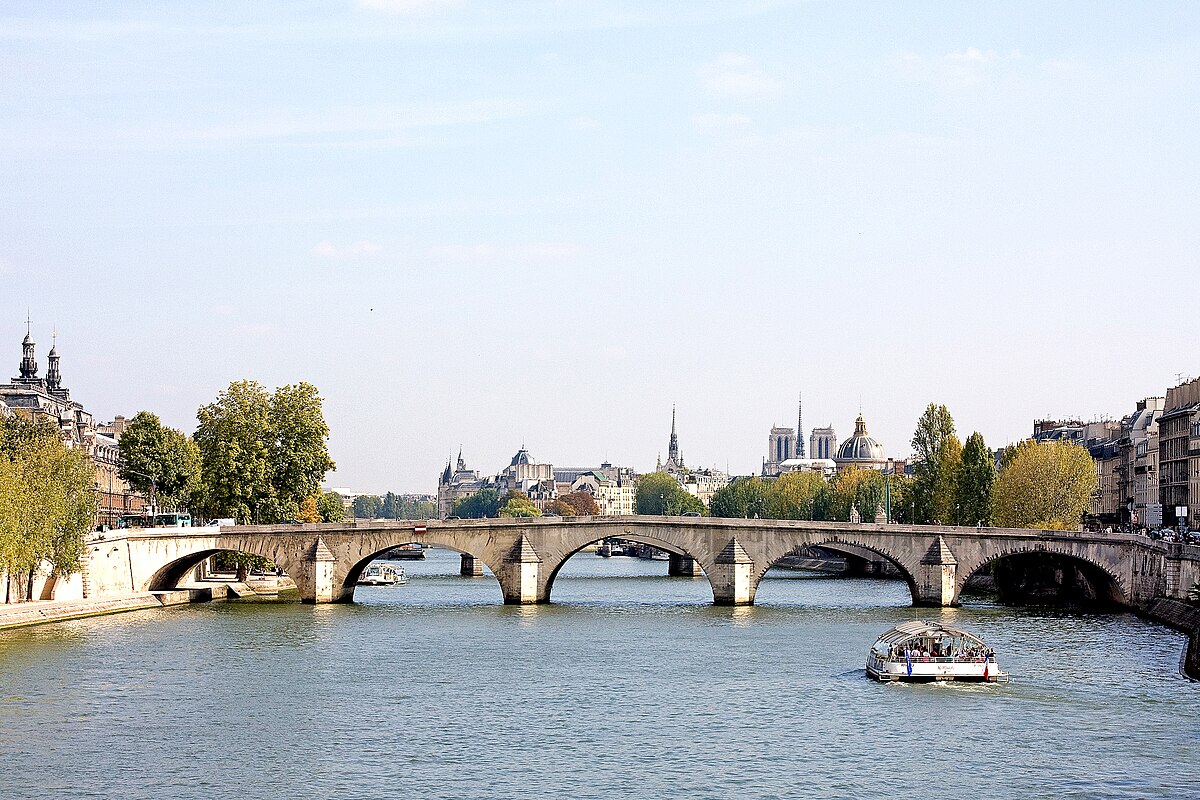
The Pont Royal in Paris


 Pročitaj više
Giclee štampa / Umetnički otisak
Giclée štampa ili print na platnu muzejskog kvaliteta uz brzu izradu i raznovrsne opcije završne obrade. ( Kupite ručno oslikano delo Pređi na digitalnu sliku)




P118B дин10

P118H дин10

P118W дин10

P438Z дин10

P508JH дин12

P508YH дин12

P805H дин10

P805Z дин10

P919BZ дин10

P919G дин10

P919XJ дин10

P959ZH дин10

P968JZ дин12

W106C дин8

W218G дин10

W218JH дин8

W218Y дин10

W307PJ дин10

W316G дин10

W316PJ дин8

W316Y дин10

W398PJ дин8

W4111J дин10

W500HY дин15

W500JH дин15

W692G дин12

W849H дин8

W940BG дин15

W953PJ дин8




Izaberite jednu od naših unapred definisanih veličina koje odgovaraju originalnim proporcijama umetničkog dela.

Unesite željenu širinu i visinu kako bi se štampa uklopila u vaš ram ili zid. Štampu je moguće samo iseći, ali nikada povećati iznad dimenzija originalne slike, stoga format sa drugačijim proporcijama uzrokuje gubitak dela slike. Pre početka štampe, poslaćemo vam digitalni prikaz radi potvrde. Slika prikazana na ovoj stranici ne predstavlja stvarni isrez — to pokazuje samo digitalni prikaz.
Dostava širom sveta () za 2 nedelje umesto uobičajenih 4/5 nedelja. (8 новембар)

Besplatna ekspresna dostava širom sveta

Visokokvalitetno laneno platno

Potpuno osiguranje transporta

Garancija povraćaja carine i uvoznih dažbina

Garancija vernosti boja

Politika povraćaja u roku od 100 dana (samo u slučaju nedostataka)

Garancija povrata 100% novca

Popust na više proizvoda
 Opcija sa staklom dostupna je samo za dimenzije manje od 110 cm

The Pont Royal in Paris
Giclee štampa / Umetnički otisak
Dimenzije reprodukcije
-


Ukupna cena
дин 8485
A Glimpse of Parisian Life: Lesser Ury’s “The Pont Royal”
Lesser Ury's "The Pont Royal in Paris," painted in 1928, isn’t merely a depiction of a bridge; it’s a carefully constructed tableau of urban life, imbued with the melancholic beauty characteristic of his Impressionistic style. Born in Birnbaum, Poland, and deeply influenced by the Düsseldorf school, Ury possessed an extraordinary ability to capture fleeting moments – the shimmer of light on water, the muted tones of twilight, and the subtle shifts in mood within a bustling cityscape. This particular work transports us to a winter evening along the Seine, offering a poignant observation of Paris’s vibrant energy juxtaposed with a sense of quiet contemplation.
Impressionistic Techniques and a Masterful Palette
Ury’s technique is distinctly Impressionistic, prioritizing the subjective experience of light and color over precise representation. He employs loose brushstrokes, layering hues to create an atmospheric effect—a deliberate blurring of edges that evokes the ephemeral quality of the scene. Notice how he uses broken color – small dabs of complementary shades – to suggest reflected light on the water’s surface and the wet cobblestones of the street. The muted palette, dominated by blues, greys, and browns, contributes significantly to the painting's mood, conveying a sense of cool stillness amidst the activity below. The artist skillfully utilizes *plein air* techniques, working directly from observation, which is evident in the subtle variations of tone and color that capture the nuances of the Parisian winter.
A Bridge Between Worlds: Symbolism and Context
The Pont Royal itself holds a rich historical significance. Constructed in 1685, it has witnessed centuries of Parisian life – from royal processions to revolutionary fervor. Ury’s painting isn't simply a record of the bridge; it’s an exploration of its role as a connector—a physical and metaphorical link between the Right Bank and the Left, between past and present. The figures strolling along the sidewalk, the vehicles traversing the bridge, all contribute to this sense of movement and connection. The painting subtly reflects the changing social landscape of Paris during the interwar period, capturing a moment of relative calm before the storm of World War II.
Capturing Emotion: A Moment of Reflection
Beyond its technical mastery, “The Pont Royal in Paris” resonates with an underlying sense of melancholy and introspection. The subdued lighting, the blurred figures, and the quiet stillness of the scene evoke a feeling of detachment—a recognition of the transient nature of life and beauty. Ury’s ability to distill such complex emotions into a single image is a testament to his artistic vision. It's a painting that invites viewers to pause, observe, and contemplate the subtle poetry of everyday moments. Reproductions of this piece offer a beautiful way to bring a touch of Parisian charm and contemplative mood into any space.
Pitanja i odgovori
Da li je "The Pont Royal in Paris" dostupan kao umetnička štampa?
Da biste naručili print dela „The Pont Royal in Paris”, autor Лео Ури, jednostavno ga poručite na njegovoj stranici Umetnički print: umetnička štampa na pamučnom platnu ili arhivskom kanvas papiru.
Mogu li da koristim proširenu stvarnost kako bih video/la „The Pont Royal in Paris”, autor Лео Ури u svojoj prostoriji?
Delo „The Pont Royal in Paris”, autor Лео Ури možete isprobati na svom zidu putem stranice AR prikaz, koristeći proširenu stvarnost na kompatibilnom uređaju.
U kojoj periodi karijere umetnika Лео Ури pripada delo "The Pont Royal in Paris"?
U okviru karijere umetnika Лео Ури, delo "The Pont Royal in Paris" pripada periodu Late Period, što omogućava poređenje sa drugim radovima ovog autora.
Biografija umetnika
Живот исписан свешћу: Свет Леа Лесера Урија
Лео Лесер Ури, име које можда није одмах препознатљиво као имена неких његових импресионистичких савременика, ипак заузима витално и емотивно место у наративу немачког сликарства. Рођен 7. новембра 1861. године у Бирнбауму, Пруској – данас Миједзиход, Пољска – Уријев пут је био обележен и уметничким успехом и личним тешкоћама. Рано детињство му је засенчила трагедија; смрт оца, пекара, 1872. године натерала га је да се пресели у Берлин са мајком. Тај померај је можда у њега усадио животни осетљивост на градске пределе и пролазност модерног постојања. Првобитно ученик занатлије, Уријев уметнички позив се показао прејаким да би га игнорисао, што га је 1879. године одвело на Кунстакадемију Диселдорф. То је био почетак продуженог периода европских истраживања – Брисел, Париз, Минхен, Штутгарт, Карлсруе – сваки град је допринео еволуирајућој палети и перспективи која ће дефинисати његов јединствени стил. Та путовања нису била само географска; то су биле импресивне студије светлости, атмосфере и бујања енергије модерног живота.Прихватање импресионизма и осликавање душе града
Уријев уметнички развој био је уско повезан са струјањима касног 19. века. Иако га је почетно дочекао отпор – његова прва изложба 1889. године изазвала је непријатељски одговор – пронашао је заступника у цењеном Адолфу Мензелу, чија је подршка отворила врата у Берлинску академију. То признање се показало кључним, омогућавајући Урију да додатно прецизира своју технику и визију. Његово прихватање импресионизма није било само стилско; то је био начин да се заробе пролазни тренуци модерног градског живота. Придружио се Минхенској сецесији 1893. године, повезавши се са групом уметника који су изазвали академске конвенције и тражили нове начине изражавања. Уријеви платни су тада почели да сијају живим потезима четком, импасто апликацијом стварајући текстуру и дубину, и оштром осетљивошћу на трансформативну моћ светлости. Његове главне теме су се кристализовале око тог времена: пејзажи прожети атмосфером, интимна унутрашња окружења, али најзначајније, живописне, често ноћне сцене градског живота. Он није само *сликао* Берлин; он је заробио његову суштину – сјај гасних лампи на улицама прекривеним кишом, бурну енергију кафића, тиху усамљеност засенчених углова.Признање и сложена заоставштина
Почетак 20. века обележио је Уријев повратак у Берлин, где је брзо постао позната фигура у градској уметничкој сцени. Његово учешће на изложбама са Берлинском сецесијом од 1915. године постепено је повећавало његово признање. Ландмарк изложба 1922. године, која је представила 150 његових слика и пастела, учврстила је његов углед; градоначелник Берлина га је прогласио „уметничким славославиљем главног града“. То време је обележило врхунац Уријеве каријере, подстакнут и критичким признањем и комерцијалним успехом. Посебно је постао познат по својој мајсторству пастела, користећи медијум за стварање дела изузетне деликатности и атмосферске дубине. Међутим, тај успех је била у сенци сложеног аспекта његове праксе. Да би задовољио растућу потражњу, Ури је почео да понавља композиције, производећи бројне копије – неке нижег квалитета – што је на крају нарушило његов уметнички статус у очима неких критичара. Тај прагматичан приступ, иако финансијски користан, на крају је допринео двосмисленој процени његовог опуса.Трајан утисак: Историјски значај и трајна привлачност
Историјски значај Леа Лесера Урија се протеже даље од његових техничких вештина и естетичке осетљивости. Запамћен је као оштар посматрач и емотивни портретиста модерног градског живота, посебно ноћних пејзажа Берлина који су резоновали са публиком која је тражила да разуме свој брзо променљиви свет. Његов рад нуди увид у специфично време и место – град на прагу модернизма, који се бори са индустријализацијом, друштвеним променама и анксама нове ере. Шта више, као јеврејски уметник који се кретао немачким друштвом, Уријев живот и рад одражава аспекте јеврејског културног идентитета и искуства у сложеном социополитичком контексту. Његове слике, иако не експлицитно политичке, суптилним начином преносе осећај припадности и отуђености, нудећи јединствену перспективу на изазовима са којима се суочавају јеврејске заједнице у Немачкој током тог периода. Иако је умро у Берлину 18. октобра 1931. године, и сахрањен је на Јеврејском гробљу у Берлин-Вајсензеу, његов утицај се осећа и данас. Његов карактеристичан стил отворио је пут каснијим генерацијама уметника, а његови емотивни прикази градског живота настављају да очаравају гледаоце својом лепотом, атмосфером и догађајним осећајем времена и места. Уријево наслеђе је сведочанство моћи уметности да зароби не само оно што видимо, већ како се осећамо кад смо живи у одређеном тренутку.
Лео Ури
1861 - 1931 , Пољска
Osnovne informacije
- Artistic Movement Or Style: Impresionizam
- Artists Or Movements Influenced By This Artist: ['Kasniji umetnici']
- Artists Who Influenced This Artist: ['Adolph Menzel']
- Date Of Birth: 7. novembar 1861.
- Date Of Death: 18. oktobar 1931.
- Full Name: Leo Lesser Ury
- Nationality: Nemac
- Notable Artworks:
- Molitva Jevreja
- Na jezeru Garda
- Ograda
- Place Of Birth (City And Country): Birnbaum, Poljska
Povezani članci

Impressionism's Masterpieces: 10 Paintings That Defined a Movement | OriginalUniqueArt
Journey through Impressionism's heart with 10 iconic paintings by Monet, Renoir & Degas. Explore light, color & the stories behind these masterpieces. Find museum-quality art reproductions and elevate your home decor on OriginalUniqueArt.com.
Urban Visions: A Historical & Artistic Exploration of the Cityscape in Painting
Explore the evolution of cityscape painting from historical maps to Impressionist masterpieces. Discover artists like Caillebotte, Utrillo & Matsumoto Shunsuke. Find museum-quality reproductions at OriginalUniqueArt.
Impressionizam: 10 Remek-dela Koja Su Definisala Pokret | OriginalUniqueArt
Otkrijte 10 remek dela impresionizma koji su revolucionisali umetnost! Monet, Renoir i drugi majstori – saznajte priče iza ikoničnih slika. Inspiracija za enterijer i vrhunske reprodukcije na OriginalUniqueArt.com. Istražite kolekciju online!

Herman Armour Webster: Capturing Atmospheric Light in American Impressionism
Explore the captivating world of Herman Armour Webster, an American Impressionist master. Discover his Parisian influences, unique style, and lasting legacy with OriginalUniqueArt.

Iza svetlosti i boje: Impresionizam protiv postimpresionizma za diskriminatornog kolekcionara
Istražite suptilne razlike između Impresionizma i Postimpresionizma sa OriginalUniqueArt-om. Saveti za kolekcionare, investicije u umetnost i vrhunske reprodukcije slika. Pronađite savršeno delo za vašu kolekciju!