Pregledaj u prostoru
 Podeli
 Podeli
 Detalji
 Vodič
Vodič

 Preuzmi sliku
 Slični predmeti
 Rendgenski snimak
 Automatska prezentacija
 Statistika
Madonna with the Yarnwinder
 Ulje na panelu
- High Renaissance
 Renesansa
 50.0 x 36.0 cm
 Privatna kolekcija
 Pročitaj više
Giclee štampa / Umetnički otisak
Giclée štampa ili print na platnu muzejskog kvaliteta uz brzu izradu i raznovrsne opcije završne obrade. ( Naručite ručno oslikano reprodukciju Pređi na prodaju digitalnih slika)




P118B дин10

P118H дин10

P118W дин10

P438Z дин10

P508JH дин12

P508YH дин12

P805H дин10

P805Z дин10

P919BZ дин10

P919G дин10

P919XJ дин10

P959ZH дин10

P968JZ дин12

W106C дин8

W218G дин10

W218JH дин8

W218Y дин10

W307PJ дин10

W316G дин10

W316PJ дин8

W316Y дин10

W398PJ дин8

W4111J дин10

W500HY дин15

W500JH дин15

W692G дин12

W849H дин8

W940BG дин15

W953PJ дин8




Izaberite jednu od naših unapred definisanih veličina koje odgovaraju originalnim proporcijama umetničkog dela.

Unesite širinu i visinu koja vam je potrebna, kako bi se uklopili u vaš ram ili na vaš zid. Štampa se može samo iseći, nikada ne može biti veća od originalne slike, stoga format sa drugačijim proporcijama gubi deo slike. Poslaćemo vam digitalni prikaz radi potvrde pre nego što započnemo štampu. Slika prikazana na ovoj stranici ne pokazuje stvarni rez — to pokazuje samo digitalni prikaz.
Dostava širom sveta () za 2 nedelje umesto uobičajenih 4/5 nedelja. (26 октобар)

Besplatna ekspresna dostava širom sveta

Visokokvalitetno laneno platno

Sveobuhvatno osiguranje transporta

Garancija povraćaja carine i uvoznih dažbina

Garancija vernosti boja i autentičnosti pri reprodukciji

Politika povraćaja u roku od 100 dana (samo u slučaju nedostataka)

Garancija povrata 100% novca

Popust pri većoj količini
 Opcija sa staklom dostupna je samo za dimenzije manje od 110 cm

Madonna with the Yarnwinder
Giclee štampa / Umetnički otisak
Veličina reprodukcije
-


Ukupna cena
дин 8248
A Glimpse into Leonardo’s Genius: The Madonna with the Yarnwinder
Leonardo da Vinci's Madonna with the Yarnwinder isn’t merely a depiction of the Virgin Mary and Child; it’s a profound meditation on motherhood, faith, and the quiet rhythms of domestic life. Completed in the early 16th century, this painting transcends its seemingly simple subject matter to reveal layers of symbolism and technical brilliance that have captivated art historians for centuries. It exists as one of several versions of the same theme – alongside the iconic Buccleuch Madonna and the equally compelling Lansdowne Madonna – each offering subtle variations on this eternally resonant image. The painting’s genesis, commissioned by Florimond Robertet, a French secretary to King Louis XII, hints at its intended presentation within the opulent courts of Europe, yet it remained unfinished in Leonardo's hand, a testament to his restless intellect and boundless curiosity.
The scene unfolds within a serene, almost dreamlike landscape – a carefully constructed backdrop of rolling hills and distant mountains. At the heart of this composition sits Mary, her gaze fixed intently on a niddy-noddy, a device used to collect spun yarn. This seemingly mundane object is far from accidental; it’s a deliberate symbol, subtly foreshadowing the Cross upon which Christ will be crucified. The infant Jesus, nestled in his mother's arms, mirrors her attention, suggesting an early awareness of his destiny. Leonardo masterfully employs *sfumato*, that characteristic hazy effect he perfected, to soften the edges and create a sense of ethereal beauty, blurring the lines between reality and dream.
The Art of Technique: Oil on Panel Mastery
Leonardo’s choice of oil paint on panel is crucial to understanding the painting's enduring quality. This medium allowed him to build up layers of color with incredible subtlety and precision, capturing the nuances of light and shadow that define his style. The rich, vibrant hues – particularly in Mary’s robes – are achieved through meticulous blending and glazing techniques. Notice the delicate rendering of the fabric, the subtle modeling of the figures' forms, and the atmospheric perspective creating a sense of depth within the landscape. This level of detail speaks to Leonardo’s relentless pursuit of anatomical accuracy and his profound understanding of human form, informed by his extensive studies of anatomy.
Furthermore, the painting demonstrates Leonardo’s innovative approach to panel construction. He meticulously prepared the wood panel with multiple layers of gesso, creating a smooth, even surface ideal for receiving the delicate washes of oil paint. This careful preparation ensured that the pigments adhered properly and resisted cracking over time – contributing significantly to the work's longevity.
A Legacy of Symbolism and Influence
The Madonna with the Yarnwinder isn’t simply a portrait; it’s a complex allegory. Mary’s domesticity, symbolized by the yarnwinder, contrasts subtly with her divine role as Mother of God. This juxtaposition invites contemplation on the balance between earthly responsibilities and spiritual devotion. The painting profoundly influenced subsequent generations of artists, particularly Raphael and Andrea del Sarto, who drew inspiration from Leonardo's innovative composition and masterful use of light and shadow. The dynamic arrangement of figures, the evocative symbolism, and the overall emotional resonance established a new standard for depictions of the Madonna and Child.
Provenance and Historical Context
Throughout its history, the painting has been cherished within prestigious collections, including the Buccleuch Collection and featured in the “Treasure Houses of Britain” documentary series. Its journey through time reflects the evolving tastes and values of European aristocracy. The fact that it was once part of the Buccleuch collection – a family renowned for their patronage of the arts – underscores its historical significance and artistic merit. Today, reproductions like those offered by OriginalUniqueArt.com allow art lovers worldwide to experience the beauty and depth of this extraordinary masterpiece.
Pitanja i odgovori
Koja tehnika je korišćena za „Madonna with the Yarnwinder”, Леонардо Да Винчи?
Tehnika dela „Madonna with the Yarnwinder”, Леонардо Да Винчи je Ulje na panelu. Reprodukcije imaju za cilj da dočaraju izgled ove tehnike.
Da li "Madonna with the Yarnwinder" ima pregled u proširenoj stvarnosti?
Delo "Madonna with the Yarnwinder" ima pregled proširene stvarnosti: stranica AR pregled prikazuje umetničko delo u vašem sopstvenom prostoru pomoću kompatibilnog uređaja.
Koja osnovna nijansa prožima „Madonna with the Yarnwinder”, Леонардо Да Винчи?
„Madonna with the Yarnwinder“ teži Topli tonovi zalaska sunca tonu.
Biografija umetnika
Život i nasleđe Leonarda da Vinčija.
Leonardo di ser Piero da Vinci, rođen 1452. godine u blizini toskanskog sela Vinči, ostaje verovatno najsvetski priznata figura Renesanse – istinski polimat čija je nezasita radoznalost vodila kroz brojne discipline, ostavljajući neizbrisiv trag na umetnosti, nauci i inženjerstvu. Samo njegovo ime postalo je sinonim za genijalnost, svedočenje o neverovatnoj širini talenta i vizionarskom razmišljanju. Rođen van braka, od notara Pjera da Vinčija i seljanke Katerine, Leonardov rani život bio je neobičan, ali mu je pružio pristup i praktičnom svetu i uvažavanju prirode koje će duboko oblikovati njegov umetnički pogled. Stekao je osnovno obrazovanje u čitanju, pisanju i aritmetici, ali je upravo njegovo stažiranje kod Andrea del Verrocchia u Firenci istinski zapalilo njegov kreativni plamen. U Verrocchiovoj radionici, Leonardo nije samo učio da slika ili skulptura; bio je uronjen u svet tehničke veštine, savladavajući metaloprerađivanje, drvorez, crtanje i složenost umetničkog stvaranja – temelj na kojem će izgraditi svoj višestrani genije. Čak i tokom ovog formativnog perioda, šuškalo se o njegovom izuzetnom talentu, a zapisi sugerišu da je sam Verrocchio odustao od slikanja nakon što je bio svedok Leonardove nadmoćne sposobnosti.
Milanski inovacije i umetnički procvat
Godine 1482, Leonardo je započeo novo poglavlje, ulazeći u službu Ljudovika Sforza, vojvode Milanskog. Ovo nije bio samo umetnički angažman; Leonardo je funkcionisao kao vojni inženjer, arhitekta, skulptor i dizajner za dvor – što je svedočilo o njegovim raznolikim veštinama. Osmišljavao je inovativne utvrđenja, projektovao raskošne scenografije i čak je skicirao planove za fantastične mašine. Međutim, upravo je tokom ovog perioda počeo rad na jednom od svojih najpoznatijih remek-delata: Poslednja večera. Naslikana kao freska u refektarstvu manastira Santa Maria delle Grazie, ova umetnina prevazilazi puko predstavljanje; to je duboko istraživanje ljudskih emocija i psihološke drame, koje beleži precizan trenutak kada Hristos objavljuje izdaju. Kompozicija, inovativna za svoje vreme, i majstorsko korišćenje perspektive duboko će uticati na zapadnu umetnost vekovima koji slede. Iako su mnogi skulpturalni projekti ostali nedovršeni tokom njegovog milanskog perioda, Leonardov izumiteljski duh nastavio je da cveta, postavljajući temelje za buduća naučna istraživanja.
Povratak u Firencu i težnja ka savršenstvu
Nakon francuske invazije na Milano 1499. godine, Leonardo se vratio u Firencu, grad koji je doživljavao vrhunac umetničkog razvoja. Iako je tokom ovog vremena stvorio manje završenih dela, njihov uticaj je bio ogroman. Upravo je ovde počeo rad na onome što će postati verovatno najpoznatija slika na svetu: Mona Liza (La Gioconda). Enigmatični osmeh i očaravajući pogled subjekta fasciniraju posmatrače generacijama, dok je Leonardova revolucionarna tehnika sfumato – suptilno mešanje svetlosti i senke radi stvaranja zamagljenih kontura i atmosferske perspektive – značajno doprinela eteričnom kvalitetu slike. Ovaj period je takođe doneo nastavak usavršavanja njegovih anatomskih studija, vođen neumoljivom željom da razume ljudski oblik sa naučnom preciznošću. Dissecirao je leševe, pedantno dokumentujući mišiće, kosti i organe u nizu neverovatno detaljnih crteža koji su bili vekovima ispred svog vremena.
Nasleđe izvan umetnosti: Nauka, izum i trajni uticaj
Leonardove kasnije godine obeležili su putovanja između Firence, Milana i Rima; uvek je tražen zbog svoje stručnosti, ali je često ostavljao projekte nedovršenim – što je možda odraz njegovog nemirnog intelekta i same širine njegovih interesovanja. Godine 1516. prihvatio je poziv kralja Fransoa I da živi i radi u dvorcu Clos Lucé blizu Amboaz u Francuskoj, gde je proveo svoje poslednje godine. Umro je tamo 151avanje, ostavljajući iza sebe ogromno nasleđe koje se proteže daleko izvan domena umetnosti. Njegove beležnice otkrivaju pionirske radove u anatomiji, optici, hidraulici, geologiji i kartografiji – kao i konceptualizovane izume koji su bili vekovima ispred svog vremena, uključujući leteće mašine, tenkove i napredno oružje. Uticaj Leonarda da Vinčija na istoriju umetnosti je neizmeriv. Podigao je status umetnika sa veštih zanatlija na intelektualne figure, demonstrirajući da umetničko stvaranje može biti prožeto naučnim istraživanjem i dubokim razumevanjem prirodnog sveta. Njegove slike se slave zbog svog realizma, psihološke dubine i inovativnih tehnika. On ostaje simbol ljudske radoznalosti, kreativnosti i neumorne potrage za znanjem – istinsko oličenje renesansnog duha čije nasleđe nastavlja da izaziva divljenje i fascinaciju vekovima nakon njegove smrti.
Ključna dostignuća i trajni uticaj
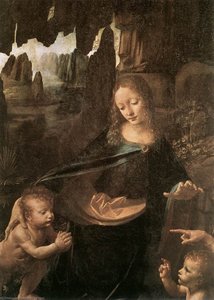
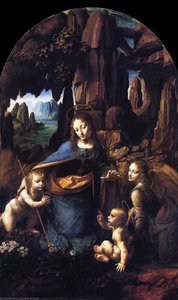
- Slikarstvo: Mona Liza, Poslednja večera, Madonna u liticama, Objavljivanje
- Crtež i skica: Opsežne anatomske studije, Inženjerski projekti (leteće mašine, oružje), Botaničke ilustracije
- Nauka i inženjerstvo: Pionirska dela u anatomiji, optici, hidraulici, geologiji i kartografiji. Konceptualizovani izumi koji su bili vekovima ispred svog vremena.
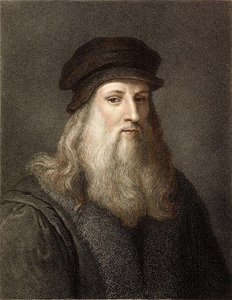
Леонардо Да Винчи
1452 - 1519 , Италија
Brzi pregled
- Datum Rođenja: 15. april 1452.
- Datum Smrti: 2. maj 1519.
- Mesto Rođenja: Vinci, Italija
- Na Njih Je Uticao: ['Renesansna umetnost']
- Nacionalnost: Italijan
- Puno Ime: Leonardo da Vinci
- Umetnički Pokret: Visoka Renesansa
- Uticali Na Njega: ['Andrea del Verrocchio']
- Značajna Dela:
- Mona Liza
- Poslednja večera
- Vitruvianski čovek
Srodni članci
25 Remek-dela Galerije Uffizi: Putovanje kroz renesansnu lepotu | OriginalUniqueArt.com
Istražite 25 remek-dela Galerije Uffizi u Firenci! Otkrijte priče iza slika Leonarda da Vinčija, Mikelanđela i Botticellija. Pronađite inspiraciju za dekoraciju enterijera i kupite reprodukcije vrhunske kvalitete na OriginalUniqueArt.com.
Leonardo da Vinci: 25 Remek-dela Genija za Vaš Dom | OriginalUniqueArt
Istražite 25 remek-dela Leonarda da Vince, od Mona Lize do Poslednje večere. Otkrijte priče iza slika renesanse i inspiraciju za dekoraciju enterijera. Kvalitetne reprodukcije na OriginalUniqueArt.com!

25 Remek-dela Luvra: Putovanje kroz vekove umetnosti i lepote | OriginalUniqueArt.com
Otkrijte 25 remek-dela Luvra! Istražite priče iza Mona Lize, Venere Miloske i drugih ikona umetnosti. Reprodukcije slika vrhunskog kvaliteta za vaš enterijer. Leonardo da Vinci, renesansa & više na OriginalUniqueArt.com
Leonardo da Vinci: A Renaissance Master’s Synthesis of Art, Science & Human Observation – Reinterpreted for the Collector
Explore Leonardo da Vinci’s timeless masterpieces with OriginalUniqueArt. Discover insights into his art, science, and legacy – trusted expertise for discerning collectors seeking authentic reproductions & investment opportunities.
Renaissance Humanism's Greatest Art: 10 Masterpieces for Your Home
Explore 10 Renaissance Humanism masterpieces by Leonardo da Vinci, Michelangelo & Raphael. Discover the stories behind these iconic paintings & sculptures and bring timeless art into your home with museum-quality reproductions from OriginalUniqueArt.com. Explore the full collection online!