Pregledaj u prostoru
 Pošalji
 Podeli
 Detalji o delu
 Vodič
Vodič

 Preuzmi
 Slični predmeti
 Rendgenski snimak
 Automatska prezentacija
 Q&A
Q&A Statistika
Codex Trivulzianus 2162. Additional dossier

- 20.0 x 14.0 cm


 Pročitaj više
Giclee štampa / Umetnički otisak
Giclée štampa ili print na platnu muzejskog kvaliteta uz brzu izradu i raznovrsne opcije završne obrade. ( Kupite ručno oslikano delo Pređi na digitalnu sliku)




P118B дин10

P118H дин10

P118W дин10

P438Z дин10

P508JH дин12

P508YH дин12

P805H дин10

P805Z дин10

P919BZ дин10

P919G дин10

P919XJ дин10

P959ZH дин10

P968JZ дин12

W106C дин8

W218G дин10

W218JH дин8

W218Y дин10

W307PJ дин10

W316G дин10

W316PJ дин8

W316Y дин10

W398PJ дин8

W4111J дин10

W500HY дин15

W500JH дин15

W692G дин12

W849H дин8

W940BG дин15

W953PJ дин8




Izaberite jednu od naših unapred definisanih veličina koje odgovaraju originalnim proporcijama umetničkog dela.

Unesite željenu širinu i visinu kako bi se štampa uklopila u vaš ram ili zid. Štampu je moguće samo iseći, ali nikada povećati iznad dimenzija originalne slike, stoga format sa drugačijim proporcijama uzrokuje gubitak dela slike. Pre početka štampe, poslaćemo vam digitalni prikaz radi potvrde. Slika prikazana na ovoj stranici ne predstavlja stvarni isrez — to pokazuje samo digitalni prikaz.
Dostava širom sveta () za 2 nedelje umesto uobičajenih 4/5 nedelja. (3 новембар)

Besplatna ekspresna dostava širom sveta

Visokokvalitetno laneno platno

Potpuno osiguranje transporta

Garancija povraćaja carine i uvoznih dažbina

Garancija vernosti boja

Politika povraćaja u roku od 100 dana (samo u slučaju nedostataka)

Garancija povrata 100% novca

Popust na više proizvoda
 Opcija sa staklom dostupna je samo za dimenzije manje od 110 cm

Codex Trivulzianus 2162. Additional dossier
Giclee štampa / Umetnički otisak
Dimenzije reprodukcije
-


Ukupna cena
дин 8366
A Fragment of Genius: Unveiling Leonardo’s Codex Trivulzianus 2162
The image presented here—a seemingly simple sheet of aged parchment—holds within it the tantalizing whisper of Leonardo da Vinci's boundless intellect. This “Additional Dossier,” as it’s known, from the Codex Trivulzianus, a collection of Leonardo’s personal notes and sketches, offers a rare glimpse into his working process, a moment captured outside the finished grandeur of his paintings or the meticulously documented pages of his notebooks. The paper itself speaks volumes: its yellowed hue hints at years spent tucked away, perhaps forgotten, yet retaining an undeniable aura of importance. It's not a polished treatise; rather, it’s a raw, intimate record—a testament to the ceaseless flow of ideas that defined Leonardo’s extraordinary life.
The handwriting is deliberately obscured, suggesting it may be in a language other than Italian or Latin – languages frequently employed by Leonardo for his scientific observations and anatomical studies. This deliberate ambiguity adds another layer of intrigue, prompting us to consider the nature of these notes: were they preliminary sketches for a commission, detailed observations on human anatomy, perhaps even cryptic reflections on philosophical concepts? The lack of discernible words invites speculation, reinforcing the notion that this document represents a private, internal dialogue—a crucial element in understanding Leonardo’s creative process. It's a reminder that genius rarely emerges from sterile perfection but often from the messy, iterative stages of exploration and experimentation.
Decoding the Codex: Context and Purpose
The Codex Trivulzianus itself is a remarkable artifact, assembled primarily during the 16th century by Cardinal Ludovico Sforza’s librarian, Giovanni Battista Gaddi. It comprises over 200 sheets, meticulously compiled from Leonardo's personal papers, drawings, and writings accumulated throughout his career. The “Additional Dossier” we examine here is a fragment of this larger collection, offering a window into the breadth of Leonardo’s interests – a convergence of art, science, engineering, and anatomy. Leonardo wasn’t simply an artist; he was a relentless investigator, driven by a profound desire to understand the mechanics of the world around him.
The Codex served as more than just a record-keeping system. It functioned as Leonardo's personal laboratory, a space where ideas could be freely explored and developed without the constraints of patronage or expectation. It’s believed that Sforza intended for the Codex to be a legacy—a testament to Leonardo’s unparalleled genius, a collection to be studied and admired long after his death. The inclusion of this seemingly unassuming sheet underscores the multifaceted nature of Leonardo's work; it highlights the interconnectedness of his diverse pursuits.
The Language of Detail: Technique and Symbolism
While the content remains largely obscured, the physical characteristics of the parchment itself offer clues about its age and origin. The texture suggests a relatively coarse material, likely sourced from Italy during Leonardo’s lifetime. The faint traces of ink reveal a deliberate hand – not necessarily flamboyant or ornate, but precise and observant, mirroring the meticulous nature of Leonardo's own artistic approach. Even in this fragment, we can sense the artist’s inherent control over his materials, a hallmark of his unparalleled skill.
Considering Leonardo’s broader practice, it is likely that the notes contained within this dossier were accompanied by sketches and diagrams – visual representations of concepts he was exploring. The act of recording ideas visually, whether through writing or drawing, was integral to his creative process. The very existence of this fragment speaks to a dedication to documenting every observation, every experiment, every fleeting thought—a characteristic that fueled his extraordinary output.
A Window into the Soul: Emotional Resonance and Reproduction
This “Additional Dossier” transcends its physical form; it’s an invitation to connect with the mind of one of history's greatest geniuses. The fragility of the parchment, the obscured text, and the sense of mystery all contribute to a powerful emotional resonance. It evokes a feeling of intimacy, as if we are privy to a private moment of intellectual exploration.
OriginalUniqueArt is proud to offer a meticulously crafted hand-painted reproduction of this extraordinary fragment. Our artists have painstakingly recreated the texture and tone of the original parchment, capturing not only its visual appearance but also the inherent sense of history and intrigue. This reproduction serves as a tangible link to Leonardo’s world—a beautiful and thought-provoking addition to any collection or interior space. It's more than just an image; it’s a portal into the mind of a true visionary, allowing you to experience the essence of Leonardo da Vinci’s genius firsthand.
Pitanja i odgovori
Koliko je izražen kontrast u delu „Codex Trivulzianus 2162. Additional dossier”, autor Леонардо Да Винчи?
„Codex Trivulzianus 2162. Additional dossier”, autor Леонардо Да Винчи prikazuje Serene kontrast između svojih svetlih i tamnih delova.
Gde se "Codex Trivulzianus 2162. Additional dossier" nalazi među uobičajenim motivima umetnika Леонардо Да Винчи?
Učestale teme umetnika Леонардо Да Винчи obuhvataju humanist ideals, scientific observation, renaissance scholarship, intellectual pursuit, leonardo’s diverse interests explored, documenting knowledge, personal records, reflecting renaissance curiosity”; delo "Codex Trivulzianus 2162. Additional dossier" fokusira se na leonardo da vinci, codex, manuscript, handwriting, renaissance, italy, document, archive.
Koja je preporučena veličina štampe za „Codex Trivulzianus 2162. Additional dossier”, autor Леонардо Да Винчи?
Za „Codex Trivulzianus 2162. Additional dossier”, autor Леонардо Да Винчи preporučuje se reprodukcija u veličini Medium. Veličina se može prilagoditi uz zadržavanje proporcija.
Biografija umetnika
Život i nasleđe Leonarda da Vinčija.
Leonardo di ser Piero da Vinci, rođen 1452. godine u blizini toskanskog sela Vinči, ostaje verovatno najsvetski priznata figura Renesanse – istinski polimat čija je nezasita radoznalost vodila kroz brojne discipline, ostavljajući neizbrisiv trag na umetnosti, nauci i inženjerstvu. Samo njegovo ime postalo je sinonim za genijalnost, svedočenje o neverovatnoj širini talenta i vizionarskom razmišljanju. Rođen van braka, od notara Pjera da Vinčija i seljanke Katerine, Leonardov rani život bio je neobičan, ali mu je pružio pristup i praktičnom svetu i uvažavanju prirode koje će duboko oblikovati njegov umetnički pogled. Stekao je osnovno obrazovanje u čitanju, pisanju i aritmetici, ali je upravo njegovo stažiranje kod Andrea del Verrocchia u Firenci istinski zapalilo njegov kreativni plamen. U Verrocchiovoj radionici, Leonardo nije samo učio da slika ili skulptura; bio je uronjen u svet tehničke veštine, savladavajući metaloprerađivanje, drvorez, crtanje i složenost umetničkog stvaranja – temelj na kojem će izgraditi svoj višestrani genije. Čak i tokom ovog formativnog perioda, šuškalo se o njegovom izuzetnom talentu, a zapisi sugerišu da je sam Verrocchio odustao od slikanja nakon što je bio svedok Leonardove nadmoćne sposobnosti.
Milanski inovacije i umetnički procvat
Godine 1482, Leonardo je započeo novo poglavlje, ulazeći u službu Ljudovika Sforza, vojvode Milanskog. Ovo nije bio samo umetnički angažman; Leonardo je funkcionisao kao vojni inženjer, arhitekta, skulptor i dizajner za dvor – što je svedočilo o njegovim raznolikim veštinama. Osmišljavao je inovativne utvrđenja, projektovao raskošne scenografije i čak je skicirao planove za fantastične mašine. Međutim, upravo je tokom ovog perioda počeo rad na jednom od svojih najpoznatijih remek-delata: Poslednja večera. Naslikana kao freska u refektarstvu manastira Santa Maria delle Grazie, ova umetnina prevazilazi puko predstavljanje; to je duboko istraživanje ljudskih emocija i psihološke drame, koje beleži precizan trenutak kada Hristos objavljuje izdaju. Kompozicija, inovativna za svoje vreme, i majstorsko korišćenje perspektive duboko će uticati na zapadnu umetnost vekovima koji slede. Iako su mnogi skulpturalni projekti ostali nedovršeni tokom njegovog milanskog perioda, Leonardov izumiteljski duh nastavio je da cveta, postavljajući temelje za buduća naučna istraživanja.
Povratak u Firencu i težnja ka savršenstvu
Nakon francuske invazije na Milano 1499. godine, Leonardo se vratio u Firencu, grad koji je doživljavao vrhunac umetničkog razvoja. Iako je tokom ovog vremena stvorio manje završenih dela, njihov uticaj je bio ogroman. Upravo je ovde počeo rad na onome što će postati verovatno najpoznatija slika na svetu: Mona Liza (La Gioconda). Enigmatični osmeh i očaravajući pogled subjekta fasciniraju posmatrače generacijama, dok je Leonardova revolucionarna tehnika sfumato – suptilno mešanje svetlosti i senke radi stvaranja zamagljenih kontura i atmosferske perspektive – značajno doprinela eteričnom kvalitetu slike. Ovaj period je takođe doneo nastavak usavršavanja njegovih anatomskih studija, vođen neumoljivom željom da razume ljudski oblik sa naučnom preciznošću. Dissecirao je leševe, pedantno dokumentujući mišiće, kosti i organe u nizu neverovatno detaljnih crteža koji su bili vekovima ispred svog vremena.
Nasleđe izvan umetnosti: Nauka, izum i trajni uticaj
Leonardove kasnije godine obeležili su putovanja između Firence, Milana i Rima; uvek je tražen zbog svoje stručnosti, ali je često ostavljao projekte nedovršenim – što je možda odraz njegovog nemirnog intelekta i same širine njegovih interesovanja. Godine 1516. prihvatio je poziv kralja Fransoa I da živi i radi u dvorcu Clos Lucé blizu Amboaz u Francuskoj, gde je proveo svoje poslednje godine. Umro je tamo 151avanje, ostavljajući iza sebe ogromno nasleđe koje se proteže daleko izvan domena umetnosti. Njegove beležnice otkrivaju pionirske radove u anatomiji, optici, hidraulici, geologiji i kartografiji – kao i konceptualizovane izume koji su bili vekovima ispred svog vremena, uključujući leteće mašine, tenkove i napredno oružje. Uticaj Leonarda da Vinčija na istoriju umetnosti je neizmeriv. Podigao je status umetnika sa veštih zanatlija na intelektualne figure, demonstrirajući da umetničko stvaranje može biti prožeto naučnim istraživanjem i dubokim razumevanjem prirodnog sveta. Njegove slike se slave zbog svog realizma, psihološke dubine i inovativnih tehnika. On ostaje simbol ljudske radoznalosti, kreativnosti i neumorne potrage za znanjem – istinsko oličenje renesansnog duha čije nasleđe nastavlja da izaziva divljenje i fascinaciju vekovima nakon njegove smrti.
Ključna dostignuća i trajni uticaj
- Slikarstvo: Mona Liza, Poslednja večera, Madonna u liticama, Objavljivanje
- Crtež i skica: Opsežne anatomske studije, Inženjerski projekti (leteće mašine, oružje), Botaničke ilustracije
- Nauka i inženjerstvo: Pionirska dela u anatomiji, optici, hidraulici, geologiji i kartografiji. Konceptualizovani izumi koji su bili vekovima ispred svog vremena.
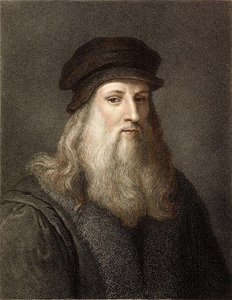
Леонардо Да Винчи
1452 - 1519 , Италија
Osnovne informacije
- Datum Rođenja: 15. april 1452.
- Datum Smrti: 2. maj 1519.
- Mesto Rođenja: Vinci, Italija
- Na Njih Je Uticao: ['Renesansna umetnost']
- Nacionalnost: Italijan
- Puno Ime: Leonardo da Vinci
- Umetnički Pokret: Visoka Renesansa
- Uticali Na Njega: ['Andrea del Verrocchio']
- Značajna Dela:
- Mona Liza
- Poslednja večera
- Vitruvianski čovek
Povezani članci
Renaissance Humanism's Greatest Art: 10 Masterpieces for Your Home
Explore 10 Renaissance Humanism masterpieces by Leonardo da Vinci, Michelangelo & Raphael. Discover the stories behind these iconic paintings & sculptures and bring timeless art into your home with museum-quality reproductions from OriginalUniqueArt.com. Explore the full collection online!

Leonardo da Vinci: 25 Remek-dela Genija za Vaš Dom | OriginalUniqueArt
Istražite 25 remek-dela Leonarda da Vince, od Mona Lize do Poslednje večere. Otkrijte priče iza slika renesanse i inspiraciju za dekoraciju enterijera. Kvalitetne reprodukcije na OriginalUniqueArt.com!

25 Remek-dela Galerije Uffizi: Putovanje kroz renesansnu lepotu | OriginalUniqueArt.com
Istražite 25 remek-dela Galerije Uffizi u Firenci! Otkrijte priče iza slika Leonarda da Vinčija, Mikelanđela i Botticellija. Pronađite inspiraciju za dekoraciju enterijera i kupite reprodukcije vrhunske kvalitete na OriginalUniqueArt.com.

25 Remek-dela Luvra: Putovanje kroz vekove umetnosti i lepote | OriginalUniqueArt.com
Otkrijte 25 remek-dela Luvra! Istražite priče iza Mona Lize, Venere Miloske i drugih ikona umetnosti. Reprodukcije slika vrhunskog kvaliteta za vaš enterijer. Leonardo da Vinci, renesansa & više na OriginalUniqueArt.com
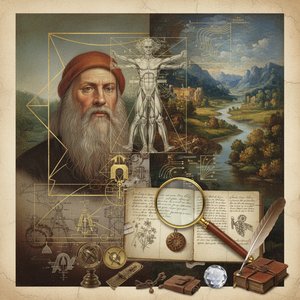
Leonardo da Vinci: A Renaissance Master’s Synthesis of Art, Science & Human Observation – Reinterpreted for the Collector
Explore Leonardo da Vinci’s timeless masterpieces with OriginalUniqueArt. Discover insights into his art, science, and legacy – trusted expertise for discerning collectors seeking authentic reproductions & investment opportunities.