
 Pregledaj u prostoru
 Pošalji
 Podeli
 Detalji o delu

 Преузми
 Slični predmeti
 Rendgenski snimak
 Slajdovi
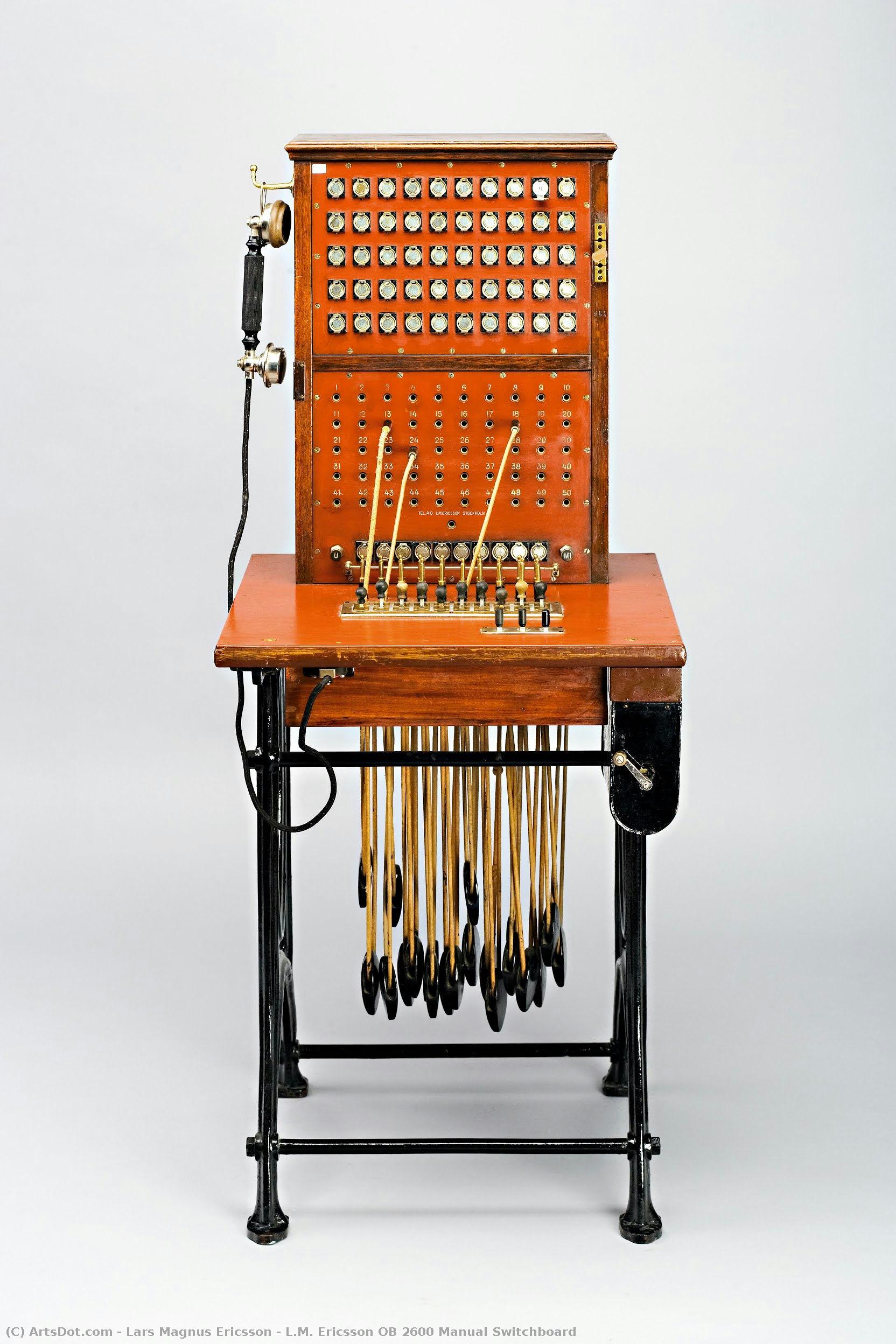
L.M. Ericsson OB 2600 Manual Switchboard
 1900
1900 135.0 x 57.0 cm
 Fundação Portuguesa das Comunicações
 Pročitaj više
Kupite digitalnu sliku visoke rezolucije i poboljšanog kvaliteta, koja je znatno superiornija od onoga što vidite u online prikazu.
Svaka datoteka je pedantno pripremljena od strane naših stručnjaka koristeći napredne alate i profesionalnu ručnu retušu. Osiguravamo da svaka slika ima izuzetnu oštrinu, preciznu reprodukciju boja i fine detalje.
Konačna datoteka se dostavlja putem e-pošte u roku od 72 sata, optimizovana za neposrednu upotrebu u profesionalnim, izdavačkim i štamparskim okruženjima. To je isti kvalitet kojem veruju vrhunski studiji dizajna, izdavači i galerije.
Digitalna slika
Preuzmite datoteku visoke rezolucije za ličnu upotrebu, štampanje i kreativne projekte. ( Kupi print Kupi ručno naslikanu sliku)
Uključeno uz svaku porudžbinu digitalne slike
Profesionalna digitalna isporuka, zagarantovana
Kada odaberete OriginalUniqueArt.com, ne dobijate samo sliku – vi primate profesionalno unapređeno digitalno umetničko delo, izrađeno sa najvećom preciznošću i uz garanciju zadovoljstva. Evo svega što automatski dolazi uz vašu porudžbinu:

Brza dostava putem e-pošte
Vaša digitalna slika visoke rezolucije biće vam poslata putem e-pošte u roku od 72 sata od poručivanja – spremna za trenutnu upotrebu.

Digitalna datoteka unapređena veštačkom inteligencijom
Vaše umetničko delo je profesionalno optimizovano korišćenjem naprednih AI alata i ručne obrade, čime se osiguravaju maksimalni detalji, oštrina i preciznost boja.

Besplatna ponovna isporuka doživotno
Slučajno ste obrisali ili izgubili svoju datoteku? Ne brinite – poslaćemo vam je ponovo u bilo kom trenutku, potpuno besplatno.

Bez troškova uvoza – zauvek
Uživajte u svojim umetničkim delima trenutno, bez carine, dažbina ili troškova dostave – digitalni download je uvek bez poreza.

Garancija vernosti boja
Uz pomoć profesionalnih alata i upravljanja bojama, osiguravamo da vaša digitalna slika što vernije odražava originalne boje.

Garancija zadovoljstva u roku od 60 dana
Ako niste zadovoljni svojom digitalnom slikom, revidirat ćemo je ili vratiti 100% novca u roku od 60 dana – bez ikakvih pitanja.

100% garancija povrata novca
Niste zadovoljni? Obezbedite pun povrat novca u roku od 60 dana od trenutka kada ste primili svoju digitalnu datoteku – bez suvišnih pitanja.

Popusti na velike porudžbine
Kupite 3 slike, uštedite 10% - Kupite 5 slika, uštedite 15% - Kupite 10+ slika, uštedite 20%. Odlično za kreativne projekte, galerije i agencije.
Opis kolekcionarskog dela
Biografija umetnika
A Pioneer of Communication: Lars Magnus Ericsson
Lars Magnus Ericsson (1846-1926) stands as a monumental figure in the annals of technological innovation, primarily recognized for establishing Ericsson—a global telecom powerhouse that continues to shape our interconnected world today. Born in Nordenmässa, Sweden, his early life was marked by hardship following his father’s untimely death and subsequent labor as a miner, experiences which instilled within him a resilience and determination that would define his entire career trajectory. Despite limited formal education beyond the village school for five years, Ericsson demonstrated an extraordinary aptitude for mechanics and instrumentation from a remarkably young age—constructing Sweden's inaugural telephone line at just seventeen years old. This formative achievement foreshadowed his lifelong fascination with harnessing scientific principles to improve human life.- Early Influences & Apprenticeship: Ericsson’s intellectual curiosity blossomed during his apprenticeship under Öllers & Co., where he honed his skills in instrument making and collaborated closely with Alexander Graham Bell, refining Bell's telephone design—a pivotal step toward simplifying its cumbersome construction.
- Founding Ericsson & Innovation: Recognizing the transformative potential of telephony, Ericsson partnered with Carl Johan Andersson to establish a workshop in Stockholm in 1876, analyzing existing telephone technologies and crafting his own versions inspired by Siemens telephones. This visionary undertaking cemented Ericsson’s commitment to pushing boundaries and challenging conventional wisdom.
The Birth of a Telecom Giant
Ericsson's entrepreneurial spirit propelled him beyond mere tinkering; he established Telefonaktiebolaget LM Ericsson, capitalizing on Bell’s advancements and Siemens’ innovations. This strategic foresight resulted in the creation of a company that would rapidly ascend to prominence—a testament to his astute understanding of market dynamics and technological trends. Notably, Ericsson spearheaded the development of Bluetooth technology, solidifying its position as one of the foremost innovators in wireless communication.- Notable Designs: Ericsson’s legacy extends beyond corporate success; he produced iconic telephone designs—the OB 2600 Manual Switchboard and the Wall Phone—which exemplify his commitment to both functionality and aesthetic elegance. These creations represent a significant contribution to industrial design history.
A Legacy of Persistence & Vision
Ericsson’s personal life was marked by profound loss—the premature deaths of his son Johan and grandson Lars Magnus Jr., tragedies that underscored the fragility of human existence yet fueled his unwavering dedication to his craft. Despite facing considerable challenges, he remained steadfast in his belief in technological progress and consistently championed innovation—a perspective reflected in his skepticism regarding patents and his admiration for Siemens’ approach to technological advancement.- Recognition & Remembrance: Though Ericsson shunned public acclaim, he commanded immense respect from his employees—a testament to his integrity and leadership qualities. His final resting place at Hågelby gård serves as a poignant reminder of his enduring influence on Swedish history and culture.
Ericsson’s Enduring Impact
Lars Magnus Ericsson's contribution to the advancement of communication technology is undeniable. He fundamentally altered how people interact, fostering global connectivity and shaping the landscape of modern society. His pioneering spirit continues to inspire innovation and underscores the transformative power of scientific curiosity—a legacy that secures his place as one of Sweden’s most celebrated inventors and entrepreneurs.
lars magnus ericsson
1846 - 1926 , Sweden
Kratke činjenice
- Artistic Movement Or Style: Industrial Design
- Artists Or Movements Influenced By This Artist: ['Bluetooth']
- Artists Who Influenced This Artist: ['Siemens & Halske']
- Date Of Birth: May 5, 1846
- Date Of Death: December 17, 1926
- Full Name: Lars Magnus Ericsson
- Nationality: Swedish
- Notable Artworks:
- L. M. ERICSSON AC110 Desk Telephone
- L.M. Ericsson OB 2600 Manual Switchboard
- Place Of Birth: Nordenmässa, Sweden

