- Početna strana

- Štampa na platnu
- kim whan-ki
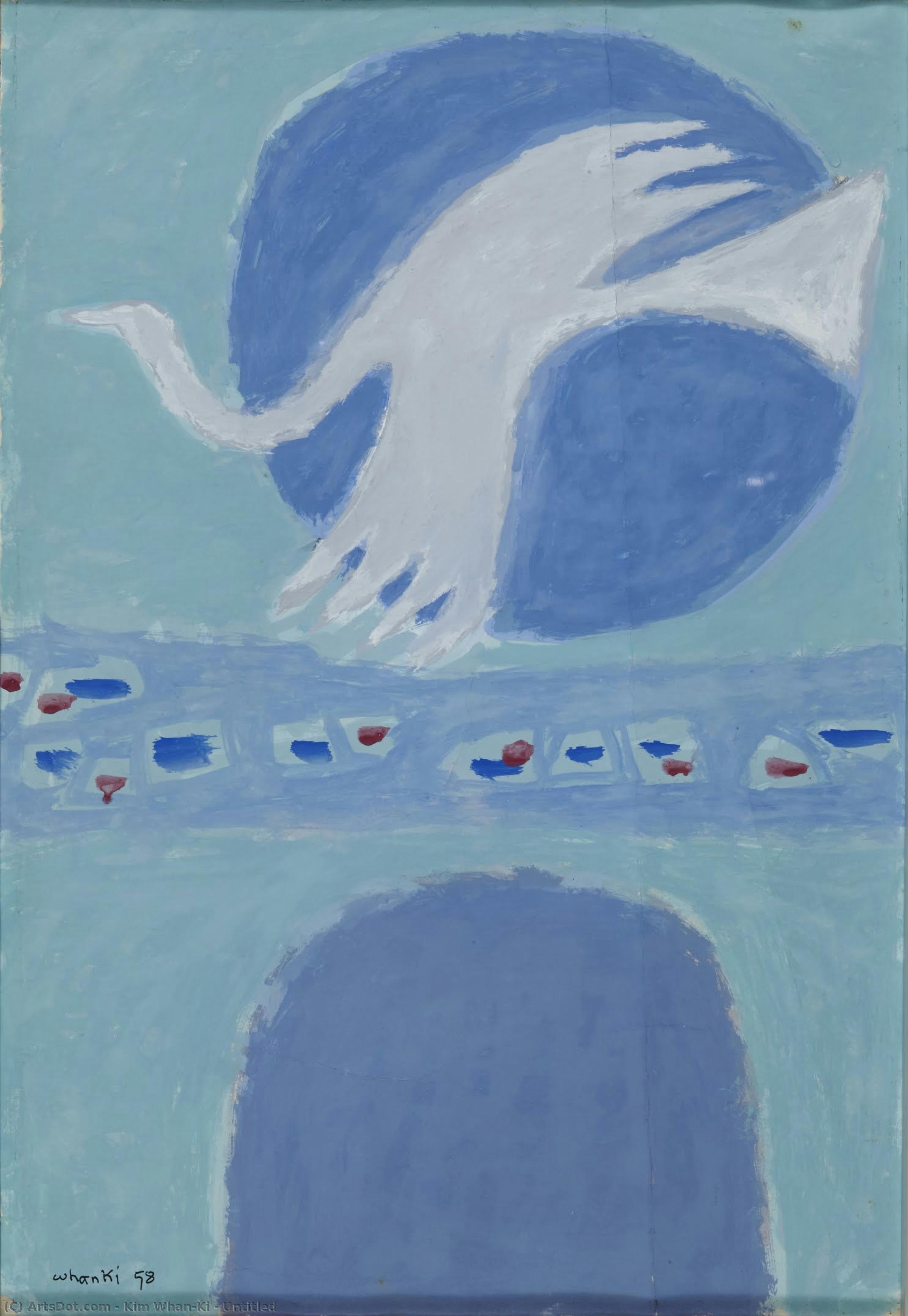
- Untitled
 Preview
 Naručite reprodukciju Kupi digitalnu sliku
 Pošalji
 Podeli
 Detalji o delu
 Dodaj u omiljene

 Преузми
 Slični predmeti
 Rendgenski snimak
 Slajdovi
Untitled
 Abstract Art
 1958
1958- Modern
 42.0 x 28.0 cm
 Ewha Womans University Museum
 Pročitaj više
Giclee štampa / Umetnički otisak
Giclée štampa ili print na platnu muzejskog kvaliteta uz brzu proizvodnju i fleksibilne opcije završne obrade.




































Izaberite jednu od naših unapred definisanih veličina koje odgovaraju originalnim proporcijama umetničkog dela.

Možete uneti sopstvene dimenzije kako biste umetničko delo prilagodili specifičnom okviru ili prostoru. Ako odabrani format ne odgovara proporcijama originalne slike, mi ćemo ili iscrtati deo dela ili proširiti sliku pomoću ogledane ivice ili jednobojnog popunjavanja. Digitalni prikaz će vam biti poslat na odobrenje pre početka proizvodnje.
Imajte na umu da pregled na ekranu ne odražava stvarno iscrtavanje ili proširivanje. Samo će prikaz (mockup) precizno pokazati finalnu kompoziciju.
Iako su prilagođene dimenzije dostupne, preporučujemo da odaberete dimenziju sa unapred definisane liste kako biste očuvali originalne proporcije.
Dostava širom sveta () za 2 nedelje umesto uobičajenih 4/5 nedelja. (26 јул)

Besplatna ekspresna dostava širom sveta

Visokokvalitetno laneno platno

Kompletno osiguranje transporta

Garancija povraćaja carine i uvoznih dažbina

Garancija vernosti boja

Politika povrata u roku od 60 dana (samo u slučaju nedostataka)

Garancija povrata novca od 100%

Popust pri grupnoj kupovini
 Opcija sa staklom dostupna je samo za dimenzije manje od 110 cm

Untitled
Giclee štampa / Umetnički otisak
Dimenzije reprodukcije
-


Konačna cena
-
Opis predmeta
Biografija umetnika
Henri Matisse: A Life Painted in Color and Light
Born Henri Émile Benoît Matisse on December 31, 1869, in Cateau-Béart, Northern France, Matisse’s journey to becoming one of the most influential figures in modern art was marked by a relentless pursuit of beauty, color, and form. His early life, shaped by a modest upbringing and a keen interest in drawing from a young age, laid the foundation for a career that would revolutionize painting and profoundly impact generations of artists. Matisse’s artistic development wasn't immediately defined; he initially studied law at the École Supérieure des Beaux-Arts de Nancy, but quickly abandoned his legal aspirations to pursue his passion for art.
His formative years were spent in Paris, where he immersed himself in the vibrant artistic scene of the late 19th century. He encountered and was influenced by Impressionism and Post-Impressionism, particularly the bold color palettes and expressive brushwork of artists like Paul Gauguin and Vincent van Gogh. This exposure proved pivotal, shaping his own distinctive style – a synthesis of observation and imagination that prioritized emotional impact over strict representation.
The Fauvist Period: A Burst of Color
Around 1905, Matisse emerged as a leading figure in the Fauvist movement, a short-lived but intensely influential artistic rebellion. The term “Fauves,” meaning “wild beasts” in French, was initially applied derisively to this group of artists by critics who were shocked by their use of jarring, non-naturalistic colors – vibrant reds, yellows, blues, and greens – applied with loose, arbitrary brushstrokes. Matisse’s paintings from this period, such as *Woman with a Hat* (1905) and *The Joy of Life* (1906), exemplify the Fauvist aesthetic: simplified forms, flattened perspectives, and an almost hallucinatory intensity of color designed to evoke emotion rather than depict reality.
However, Matisse quickly moved beyond the strict tenets of Fauvism. He began experimenting with new techniques and approaches, gradually refining his style while retaining the core principles of color and expressive brushwork. He sought a balance between formal structure and emotional intensity, moving towards a more controlled and harmonious use of color.
Mature Style: Harmony, Rhythm, and Decorative Abstraction
Following World War I, Matisse’s artistic vision underwent a significant transformation. He developed a distinctive mature style characterized by a remarkable sense of harmony, rhythm, and decorative abstraction. He moved away from the overtly expressive colors of his Fauvist period, employing a more restrained palette – primarily blues, reds, and yellows – to create compositions that were both visually engaging and deeply contemplative. Works like *Blue Nude* (1908) and *The Red Studio* (1911) demonstrate this shift towards a more balanced and sophisticated aesthetic.
During the 1920s, Matisse explored the possibilities of paper cutouts – intricate designs created by removing sections from colored paper. These works, often imbued with a sense of playful spontaneity, showcased his mastery of composition and color while also revealing a new dimension to his artistic practice. He continued to work in painting throughout this period, producing iconic images like *Dance* (1910) and *Music* (1910), which capture the essence of movement and emotion with remarkable grace.
Legacy and Influence
Henri Matisse died on November 3, 1954, leaving behind a vast and influential body of work. His innovative use of color, his exploration of form and composition, and his unwavering commitment to artistic expression have had a profound impact on the development of modern art. He influenced countless artists across various disciplines – painting, sculpture, printmaking, and design – and continues to inspire generations with his vibrant vision and enduring legacy.
Matisse’s work is celebrated in major museums worldwide, including the Musée d'Orsay in Paris, the MoMA in New York, and the Tate Modern in London. His paintings are not merely representations of reality but windows into a world of color, emotion, and beauty – a testament to the power of art to transform our perception and enrich our lives.

kim whan-ki
1913 - 1974 , South Korea
Osnovne informacije
- Artistic Movement Or Style: Fauvism, Modernism
- Artists Or Movements Influenced By This Artist:
- Pablo Picasso
- Fauvism
- Artists Who Influenced This Artist:
- Paul Gauguin
- Vincent van Gogh
- Date Of Birth: December 31, 1869
- Date Of Death: November 3, 1954
- Full Name: Henri Matisse
- Nationality: French
- Notable Artworks:
- Woman with a Hat
- The Joy of Life
- Blue Nude (Souvenir de Biskra)
- Dance
- Red Studio
- Place Of Birth: Paris, France
Povezani članci

Slate Blue Masterpieces: 10 Iconic Paintings & Timeless Home Decor Ideas
Immerse yourself in the captivating world of slate blue! Explore 10 iconic paintings by Monet, Van Gogh & Renoir. Discover their stories, techniques & find museum-quality art reproductions for your home at .

Kandinsky's Masterpieces: 25 Paintings That Define Abstract Art | OriginalUniqueArt
Journey through Wassily Kandinsky's 25 most iconic abstract paintings. Explore his revolutionary use of color, form & spiritual expressionism. Find museum-quality Kandinsky reproductions and elevate your home decor with OriginalUniqueArt.com. Discover all masterpieces on OriginalUniqueArt.com!

Abstraktni Ekspresionizam: 10 Remek Dela Koja Su Definisala Pokret
Otkrijte 10 remek dela koja su definisala apstraktni ekspresionizam! Istražite dela Pola Krausa, Džejson Poloka i drugih. Saznajte priče iza umetnosti i inspirisanje za dekoraciju doma. Eksplorirajte kolekciju na OriginalUniqueArt.com!

Top 10 dela geometrijske apstrakcije koje morate videti | OriginalUniqueArt.com
Istražite 10 remek-dela geometrijske apstrakcije – Mondrian, Malevič i Kandinski. Otkrijte priče iza ovih ikoničnih slika i pronađite inspiraciju za dekoraciju enterijera sa OriginalUniqueArt.com! Reprodukcije vrhunskog kvaliteta.

The Allure of Azure: Exploring the Symbolic & Aesthetic Depths of Blue in Art History
Explore the rich history of blue in art! Discover its symbolism, from ancient pigments to modern masterpieces by Kandinsky & Seurat. Uncover the psychological impact and cultural meanings behind this captivating hue.

