
 Pregledaj u prostoru
 Pošalji
 Podeli
 Detalji o delu
 Vodič
Vodič

 Preuzmi
 Slični predmeti
 Rendgenski snimak
 Automatska prezentacija
 Pitanja i odgovori
 Statistika
Peacock


 Pročitaj više
Umetničko delo prikazano na ovoj stranici zaštićeno je autorskim pravima, što znači da zakonski nismo u mogućnosti da kreiramo niti prodajemo identičnu reprodukciju. Ova zaštita se sprovodi u skladu sa međunarodnim sporazumima kao što su Bernska konvencija i nacionalnim zakonima, uključujući i one koji su definisani u Američki zakon o autorskom pravu – Naslov 17.
Ovaj metod je u potpunosti usklađen sa regulativama o autorskim pravima jer ne podrazumeva kopiranje ili dupliranje zaštićenih umetničkih dela. Umesto toga, reč je o kreativnoj reinterpretaciji – novom slikarskom delu koje je inspirisano originalom, ali nije identično njemu.
Giclee štampa / Umetnički otisak
Giclée štampa ili print na platnu muzejskog kvaliteta uz brzu izradu i raznovrsne opcije završne obrade. ( Kupite ručno oslikano delo Pređi na digitalnu sliku)




P118B дин10

P118H дин10

P118W дин10

P438Z дин10

P508JH дин12

P508YH дин12

P805H дин10

P805Z дин10

P919BZ дин10

P919G дин10

P919XJ дин10

P959ZH дин10

P968JZ дин12

W106C дин8

W218G дин10

W218JH дин8

W218Y дин10

W307PJ дин10

W316G дин10

W316PJ дин8

W316Y дин10

W398PJ дин8

W4111J дин10

W500HY дин15

W500JH дин15

W692G дин12

W849H дин8

W940BG дин15

W953PJ дин8




Izaberite jednu od naših unapred definisanih veličina koje odgovaraju originalnim proporcijama umetničkog dela.

Unesite željenu širinu i visinu kako bi se štampa uklopila u vaš ram ili zid. Štampu je moguće samo iseći, ali nikada povećati iznad dimenzija originalne slike, stoga format sa drugačijim proporcijama uzrokuje gubitak dela slike. Pre početka štampe, poslaćemo vam digitalni prikaz radi potvrde. Slika prikazana na ovoj stranici ne predstavlja stvarni isrez — to pokazuje samo digitalni prikaz.
Dostava širom sveta () za 2 nedelje umesto uobičajenih 4/5 nedelja. (4 новембар)

Besplatna ekspresna dostava širom sveta

Visokokvalitetno laneno platno

Potpuno osiguranje transporta

Garancija povraćaja carine i uvoznih dažbina

Garancija vernosti boja

Politika povraćaja u roku od 100 dana (samo u slučaju nedostataka)

Garancija povrata 100% novca

Popust na više proizvoda
 Opcija sa staklom dostupna je samo za dimenzije manje od 110 cm

Peacock
Giclee štampa / Umetnički otisak
Dimenzije reprodukcije
-


Ukupna cena
дин 8454
Biografija umetnika
A Life Immersed in Color and Culture: The Journey of Kattingeri Krishna Hebbar
Kattingeri Krishna Hebbar, a name synonymous with the vibrant tapestry of modern Indian art, wasn't merely a painter; he was a visual storyteller who breathed life into the everyday experiences of India. Born in 1911 in Karnataka, his artistic journey began not within the hallowed halls of formal institutions but amidst the rich cultural landscape of his family and surroundings. His father, a traditional artisan, instilled in him an early appreciation for craftsmanship and local aesthetics. This upbringing proved pivotal, shaping Hebbar’s unique style that seamlessly blended folk art traditions with contemporary sensibilities. Though he initially pursued studies at the Chennai School of Art, it was his later exposure to European masters – particularly during his time at the Slade School of Fine Art in London – that broadened his artistic horizons. However, unlike many of his contemporaries who fully embraced Western techniques, Hebbar consciously chose a path of synthesis, integrating global influences with the deeply rooted narratives of Indian life. He returned to India imbued with new skills but determined to forge an identity distinctly his own.The Evolution of a Distinct Style: From Realism to Narrative Abstraction
Hebbar’s early works demonstrate a clear grounding in realism, reflecting the academic training he received. However, this phase was relatively short-lived. He quickly moved away from purely representational art, driven by a desire to capture not just *what* India looked like but *how it felt*. This led him towards a unique form of narrative abstraction. His paintings are characterized by bold lines, simplified forms, and a striking use of color – often employing earthy tones alongside vibrant hues. He wasn’t interested in photographic accuracy; instead, he sought to distill the essence of his subjects, conveying their energy and spirit through dynamic compositions. Scenes of village life, festivals, and social gatherings became recurring motifs, rendered with a captivating sense of movement and rhythm. His figures, though stylized, are imbued with a palpable humanity, reflecting his deep empathy for the common people. This period also saw him experiment with mural painting, further solidifying his connection to traditional Indian art forms. He believed that art should be accessible to all, not confined within the walls of galleries, and murals provided a powerful medium for reaching a wider audience.Themes of Society and Celebration: The Heart of Hebbar’s Work
The core of Hebbar's artistic vision lay in his portrayal of Indian society – its joys, struggles, rituals, and celebrations. He depicted the lives of farmers, laborers, women, and children with dignity and respect, challenging conventional representations that often marginalized these communities. His paintings are filled with scenes of bustling marketplaces, vibrant festivals like *Dasara* and *Holi*, and intimate moments of family life. However, his work wasn’t merely celebratory; he also subtly addressed social issues such as poverty, inequality, and the changing dynamics of rural India. He did so not through overt political statements but by highlighting the resilience and spirit of the people in the face of adversity. His ability to capture the essence of human experience without resorting to sentimentality is a testament to his artistic maturity. Hebbar’s fascination with folklore and mythology also played a significant role in his work. He drew inspiration from traditional stories, epics like the *Ramayana* and *Mahabharata*, and local legends, imbuing them with contemporary relevance.Recognition and Legacy: A Padma Shri and Enduring Influence
Throughout his career, Hebbar received numerous accolades for his contributions to Indian art. He was awarded the prestigious Padma Shri in 1969, recognizing his exceptional talent and dedication to promoting Indian culture. His work has been exhibited extensively both nationally and internationally, earning him widespread critical acclaim. Beyond his own artistic achievements, Hebbar played a crucial role as an educator. He served as Principal of the Karnataka Chitrakala Parishat for many years, nurturing generations of young artists and encouraging them to embrace their cultural heritage while exploring new creative avenues. He believed in fostering a holistic approach to art education, emphasizing both technical skill and conceptual understanding. Today, Hebbar’s legacy continues to inspire artists across India. His unique style – a harmonious blend of tradition and modernity – has left an indelible mark on the landscape of Indian painting. He demonstrated that it was possible to be both rooted in one's culture and engaged with the global art world, paving the way for future generations of artists to explore their own identities and express themselves authentically.Hebbar’s Enduring Significance: A Bridge Between Worlds
Kattingeri Krishna Hebbar stands as a pivotal figure in the evolution of Indian modernism. He wasn't simply adopting Western styles or replicating traditional forms; he was actively synthesizing them, creating something entirely new and uniquely his own. His work serves as a powerful reminder of the richness and diversity of Indian culture, celebrating the lives of ordinary people and challenging conventional narratives.- His emphasis on narrative abstraction broadened the possibilities of Indian painting.
- His commitment to art education nurtured generations of artists.
- His ability to seamlessly blend folk traditions with contemporary sensibilities continues to inspire.
- He remains a vital link between India’s artistic past and its vibrant present.

Osnovne informacije
- Full Name: Kattingeri Krishna Hebbar
- Nationality: Indian
- Date Of Birth: (Living)
- Place Of Birth: India
- Notable Artworks:
- Untitled (Hungry Soul)
- Peacock
- Untitled (Landscape)
- Artistic Movement Or Style: Traditional Indian art; Mural painting India; Rajput miniatures influence
Povezani članci

Top 10 dela geometrijske apstrakcije koje morate videti | OriginalUniqueArt.com
Istražite 10 remek-dela geometrijske apstrakcije – Mondrian, Malevič i Kandinski. Otkrijte priče iza ovih ikoničnih slika i pronađite inspiraciju za dekoraciju enterijera sa OriginalUniqueArt.com! Reprodukcije vrhunskog kvaliteta.

Beyond the Lines: Mastering the High-Impact World of Contemporary Abstraction
Master the high-impact world of contemporary abstraction. Discover how bold colors, textures, and modern movements like Abstract Expressionism can transform your space with premium, high-energy art curated for the design-conscious professional.

Abstraktni Ekspresionizam: 10 Remek Dela Koja Su Definisala Pokret
Otkrijte 10 remek dela koja su definisala apstraktni ekspresionizam! Istražite dela Pola Krausa, Džejson Poloka i drugih. Saznajte priče iza umetnosti i inspirisanje za dekoraciju doma. Eksplorirajte kolekciju na OriginalUniqueArt.com!

Mastering Abstraction: The 25 Most Iconic Works by Wassily Kandinsky
Explore 25 iconic Kandinsky masterpieces and the birth of abstraction. Discover the full collection online at OriginalUniqueArt.com.
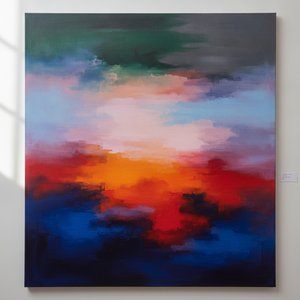
Color Field Painting: The Emotional Power of Pure Abstraction and Chromatic Depth
Explore the profound emotional depth of Color Field painting. Discover the history of mid-century abstraction, from Rothko to Newman, and learn how pure color transforms the viewer's experience through our expert art history guide.