
 Pregledaj u prostoru
 Pošalji
 Podeli
 Detalji o delu
 Vodič
Vodič

 Preuzmi
 Slični predmeti
 Rendgenski snimak
 Automatska prezentacija
 Pitanja i odgovori
 Statistika
Totsuka


 Pročitaj više
Giclee štampa / Umetnički otisak
Giclée štampa ili print na platnu muzejskog kvaliteta uz brzu izradu i raznovrsne opcije završne obrade. ( Kupite ručno oslikano delo Pređi na digitalnu sliku)




P118B дин10

P118H дин10

P118W дин10

P438Z дин10

P508JH дин12

P508YH дин12

P805H дин10

P805Z дин10

P919BZ дин10

P919G дин10

P919XJ дин10

P959ZH дин10

P968JZ дин12

W106C дин8

W218G дин10

W218JH дин8

W218Y дин10

W307PJ дин10

W316G дин10

W316PJ дин8

W316Y дин10

W398PJ дин8

W4111J дин10

W500HY дин15

W500JH дин15

W692G дин12

W849H дин8

W940BG дин15

W953PJ дин8




Izaberite jednu od naših unapred definisanih veličina koje odgovaraju originalnim proporcijama umetničkog dela.

Unesite željenu širinu i visinu kako bi se štampa uklopila u vaš ram ili zid. Štampu je moguće samo iseći, ali nikada povećati iznad dimenzija originalne slike, stoga format sa drugačijim proporcijama uzrokuje gubitak dela slike. Pre početka štampe, poslaćemo vam digitalni prikaz radi potvrde. Slika prikazana na ovoj stranici ne predstavlja stvarni isrez — to pokazuje samo digitalni prikaz.
Dostava širom sveta () za 2 nedelje umesto uobičajenih 4/5 nedelja. (9 новембар)

Besplatna ekspresna dostava širom sveta

Visokokvalitetno laneno platno

Potpuno osiguranje transporta

Garancija povraćaja carine i uvoznih dažbina

Garancija vernosti boja

Politika povraćaja u roku od 100 dana (samo u slučaju nedostataka)

Garancija povrata 100% novca

Popust na više proizvoda
 Opcija sa staklom dostupna je samo za dimenzije manje od 110 cm

Totsuka
Giclee štampa / Umetnički otisak
Dimenzije reprodukcije
-


Ukupna cena
дин 8485
A Moment of Quietude: Unveiling Hokusai’s “Totsuka”
Katsushika Hokusai's "Totsuka," a captivating woodblock print from his celebrated “Fifty-Three Stations of the Tokaido” series, isn’t merely a depiction of a roadside scene; it’s a distillation of Japanese life and a profound meditation on human connection. Created around 1806 during the Edo period, this image transports us to a fleeting moment along the ancient trade route between Kyoto and Edo (modern-day Tokyo), capturing an ordinary encounter imbued with a subtle grace and quiet dignity.
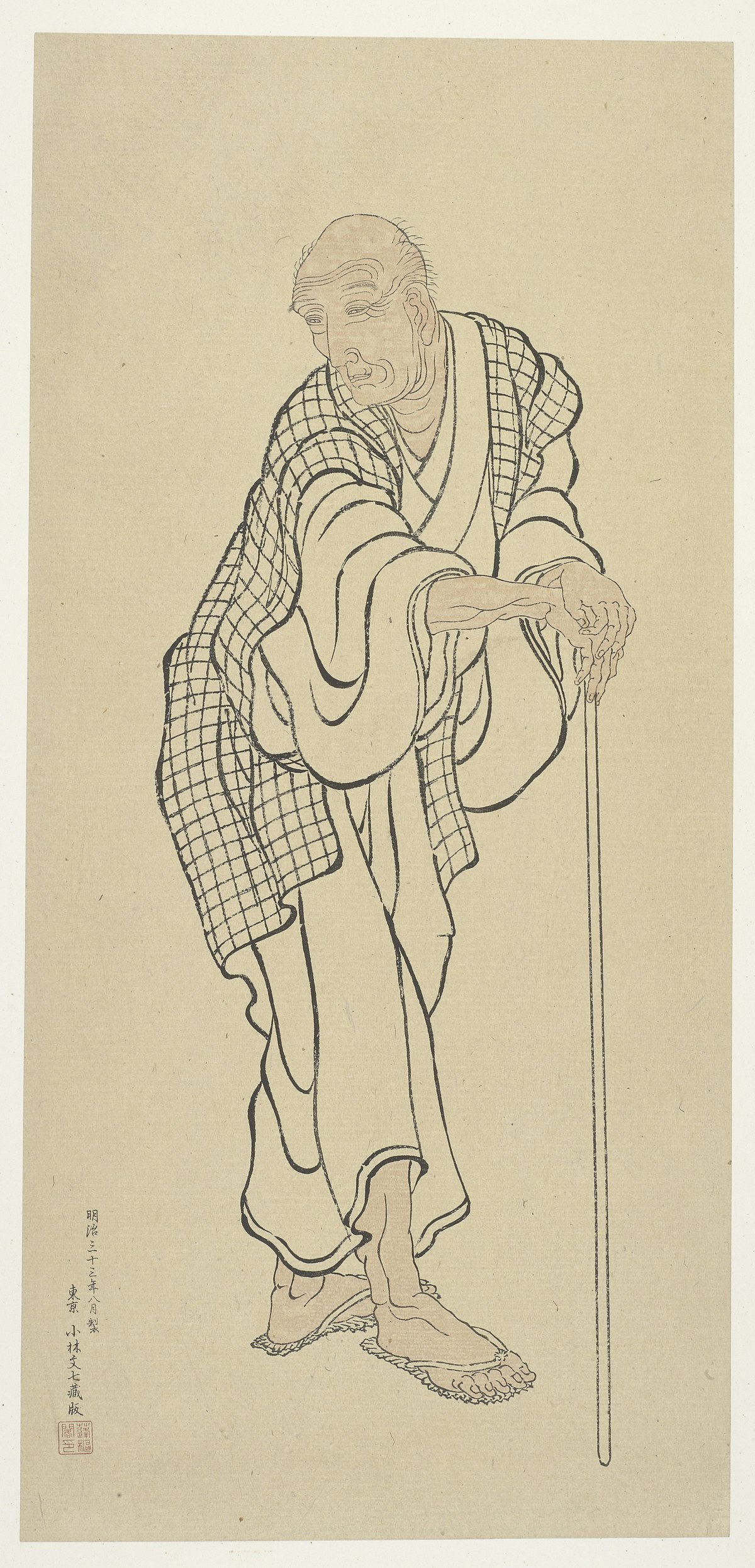
The scene unfolds in a simple, yet meticulously rendered, landscape. A lone traveler, clad in the dark robes of a pilgrim, pauses beside a woman beckoning him to rest. She stands near a small wooden structure – likely a roadside inn or teahouse – her posture suggesting both invitation and a gentle warning against haste. The composition is remarkably balanced; the receding lines of the path draw the eye into the distance, while the figures are positioned with an almost theatrical precision. Hokusai’s masterful use of negative space—the expansive sky and surrounding fields—amplifies the sense of solitude and contemplation.
The Art of Ukiyo-e: Technique and Style
“Totsuka” exemplifies the hallmarks of ukiyo-e, a genre that flourished during the Edo period. Hokusai, a true innovator within this tradition, pushed its boundaries with his dynamic compositions, vibrant colors (achieved through Prussian blue pigment imported from Europe), and bold use of perspective. The print is executed in sumi-ink and color woodblock printing, a painstaking process involving multiple blocks carved to create the various tones and textures. Notice the subtle gradations of color—the delicate washes of blue sky, the earthy browns of the landscape, and the rich reds and greens of the woman’s robes—all achieved through careful layering and precise carving.
Hokusai's signature style is evident in his loose, expressive brushstrokes and his ability to capture fleeting moments with remarkable immediacy. He wasn’t simply documenting a scene; he was imbuing it with emotion and atmosphere. The print’s slightly flattened perspective—a characteristic of ukiyo-e—creates an illusion of depth while maintaining a sense of intimacy.
A Window into Edo Life and Symbolism
“Totsuka” offers a valuable glimpse into the daily life of people traveling along the Tokaido highway. The pilgrim’s attire, the simple structure offering shelter, and the woman's gesture all speak to the realities of travel during this period. The woman herself is often interpreted as a symbol of hospitality and guidance—a reminder that even in a world of constant movement, human connection remains essential. The umbrella she holds, a common sight in Japan, adds to the scene’s sense of practicality and everyday life.
Furthermore, Hokusai's work reflects broader cultural themes. The series as a whole was commissioned to celebrate the opening of the Tokaido road, but it also served as a vehicle for showcasing the beauty of Japan’s landscapes and its people. The print’s composition subtly evokes the concept of *wabi-sabi*, an aesthetic philosophy that embraces imperfection, transience, and simplicity—qualities deeply rooted in Japanese culture.
The Enduring Legacy
Katsushika Hokusai's “Totsuka” is more than just a beautiful print; it’s a testament to the artist’s genius and his profound understanding of human nature. Its enduring appeal lies in its ability to evoke a sense of quiet contemplation, reminding us of the beauty that can be found in everyday moments. Reproductions of this iconic work continue to captivate audiences worldwide, offering a window into a rich cultural heritage and a timeless meditation on life’s simple pleasures.
Pitanja i odgovori
Na koji način se tema dela "Totsuka" odnosi na uobičajene teme umetnika Хокусаи Кацушика?
"Totsuka" prikazuje japanese art, edo period, hokusai, bath scene, umbrella, family, traditional, japan, dok su dokumentovane teme umetnika Хокусаи Кацушика zapravo inspired by western prints, reflects edo society life, mountain imagery symbolism”, “part of series landscapes”, hokusai’s evolving style”. Poređenje ova dva elementa pokazuje kako se ovo delo povezuje sa uobičajenim motivima ovog umetnika.
Kolika je zasićenost boja u delu „Totsuka”, autor Хокусаи Кацушика?
„Totsuka”, autor Хокусаи Кацушика je zabeležen sa Subtle Color zasićenjem.
O kakvom se delu radi u "Totsuka"?
"Totsuka" je delo u tehnici WallArt.
Biografija umetnika
Кацушика Хокусај: Живот Угравиран у Тумачу
Име Кацушика Хокусаја је синоним за јапанску уметност, а његова најпознатија слика, *Велика Брана код Канагаве*, постала је глобална икона. Али Хокусај је био много више од само гравера дрвореза; он је био неуморан тражилац уметничког савршенства, чији је живот био обележен непрекидном еволуцијом, променама имена и неситижном љубопитвошћу. Рођен у Еду (сада Токио) око 1760. године, из скромног домаћинства сина произвођача огледала, Хокусајева рана склоност ка уметности није била одмах подстакнута, али је његова посвећеност истрајавала, а вештине је немилосрдно усвршавао. Та посвећеност дефинисала је каријеру која је трајала скоро девет деценија, остављајући за собом наслеђе које и данас резонује са публиком широм света.Од ученика до иноватора: Рађање Стилова
Формално уметничко школовање Хокусаја започело се са дванаест година када је ступио у атеље Кацукава Shunshōа, водећег мајстора *укијо-е* – „слика потопног света“. Овај жанр, популаран током периода Едо, приказивао је сцене из свакодневног живота: глумце, леди лакеје, пејзаже и блискове уживане градске културе. Под Shunshōавим руководством, Хокусај је овладао техником дрвореза, захтевног процеса који захтева прецизност и умешност. Међутим, он није био задовољан само репликама стила свог учитеља. Чак и у раним делима била је присутна немировина, жеља да се руше границе и истражују нове форме изражавања. Експериментисао је са различитим субјектима, од илустрација књига до самосталних штампа, константно усавршавајући своје вештине и развијајући јединствен визуелни језик. Ово раздобље такође је било означено првим од многих промена имена – уобичајена пракса међу *укијо-е* уметницима, која је сигнализирала периоде уметничке обнове или повезаности са различитим школама.Фудзи и Пловећи Свет: Дефинисање Мајсторских Остварења
Уметничка продукција Хокусаја била је невероватно плодна; хиљаде дрворезова, слика и илустрованих књига носе његов потпис. Иако је истраживао широк спектар тема, било је то серија *Тридесет шест погледа на Фуџи* (око 1790) што је учврстило његову славу. Ова колекција, која садржи сада познату слику *Велика Брана код Канагаве*, није била само приказивање пејзажа; то је било мајсторско истраживање перспективе, композиције и моћи природе. Сама брана, моћна сила спремна да се обруши на мале чамце, оличава како лепоту тако и ужас мора. Поред *Фуџија*, дела попут *Ватреви у Риогyкуу* (1790) демонстрирала су његову способност да заплеће динамичне сцене свакодневног живота са изузетном енергијом и детаљом. Његов *Хокусаи Манга* – колекција скица и студија која обухвата људе, животиње, пејзаже и фантастична створења – био је револуционаран по свом обиму и утицају, најављујући развој модерног манге као форме уметности. Ова дела нису била изолована достигнућа; били су прекретнице у континуираног уметничког пута, свака је градила на последњој да би створила тело рада који је и дубоко укорењен у јапанској традицији и изузетно иновативан.Наслеђе Преко Граница: Хокусајев Непрекидни Утицај
Утицај Хокусаја превазишао је границе Јапана. У касном 19. веку, када се Јапан отворио свету, *укијо-е* штампе су поплавиле европска тржишта, изазвавши феномен познат као *Јапонизам*. Уметници попут Клода Монеа, Едгара Дегаа и Винсента ван Гога били су задивљени смелим композицијама Хокусаја, наравним бојама и неконвенционалним перспективама. Ван Гог је посебно био под утицајем *Велике Бране*, чак је покушао да је рекреира у својим сликама. Утицај Хокусаја није се ограничио на импресионизам; прожемао је различите модерне уметничке струје, обликујући начин на који су уметници приступали композицији, боји и теми. Нагласак на снимању тренутних тренутака, динамична употреба линија и способност да пронађе лепоту у свакодневном животу резоновала је са генерацијом уметника који траже нове облике изражавања. Чак и данас, дело Хокусаја наставља да инспирише и изазива уметнике широм света, што потврђује његово место као једног од најважнијих ликова у историји уметности. Наставио је да слика до своје смрти 1849. године у доби од 89 година, остављајући за собом огромно дело које остаје сведочанство његове непоколебљиве посвећености и уметничког генија.- Главни Утицаји: Укијо-е традиције, кинеско сликарство пејзажа, свакодневни живот у Еду.
- Кључне Карактеристике: Смеле линије, наравне боје, динамичне композиције, оштар доживљај природе.

Хокусаи Кацушика
1760 - 1849 , Јапан
Osnovne informacije
- Datum Rođenja: 31. oktobar 1760.
- Datum Smrti: 10. maj 1849.
- Mesto Rođenja: Tokio, Japan
- Nacionalnost: Japanski
- Puno Ime: Katsushika Hokusai
- Umetnici Ili Pokreti Pod Njegovim Uticajem:
- Impresionizam
- Vinsent van Gog
- Klod Monet
- Umetnici Koji Su Uticali Na Njega: ['Kinesko slikarstvo pejzaža']
- Umetnički Pokret Ili Stil: Ukijo-e
- Značajna Dela:
- Veliki talas kod Kanagave
- Trideset šest pogleda na Fuji
- Hokusai Manga
- Vatreni most u Rjogokuu
Povezani članci

Katsushika Hokusai: 25 Remek-dela Japanskog Umetnika za Vaš Dom | OriginalUniqueArt
Uronite u svet Katsushike Hokusaija! Otkrijte 25 remek-dela japanskog umetnika, uključujući čuveni 'Veliki talas'. Ukiyo-e štampe, pejzaži i istorija iza svakog dela. Pronađite inspiraciju za dekor enterijera i kupite reprodukcije slika vrhunskog kvaliteta na OriginalUniqueArt.com.

The Floating World: Unveiling the Timeless Beauty and Soul of Japanese Ukiyo-e Artistry
Journey through the ephemeral beauty of Japanese Ukiyo-e. Uncover the profound history of woodblock prints, the mastery of Hokusai, and the captivating link between the 'Floating World' and Impressionism. A sophisticated guide for the discerning art enthusiast.
Masterpieces of Japan: A Definitive Guide to Ukiyo-e and the Art of the Floating World
Explore the profound beauty of Japanese Ukiyo-e. From Hokusai's iconic waves to the elegance of the Edo period, discover the history and masters behind the 'Floating World' in this expert art-history guide for collectors and enthusiasts.

Floating Worlds: A Definitive Guide to the Mastery and Philosophy of Japanese Ukiyo-e Woodblock Prints
Explore the profound beauty of Ukiyo-e. Discover the history, philosophy, and legendary masters of Japanese woodblock prints, from Hokusai to Kuniyoshi, in this expert guide to the 'Floating World'.

Ukiyo-e: The Art of the Floating World and the Legacy of Japanese Woodblock Masters
Explore the profound history of Ukiyo-e, from Hokusai's iconic waves to the vibrant culture of Edo Japan. Discover the intricate craft of woodblock printing and the enduring legacy of these Japanese masterpieces through our expert art history guide.


