Pregledaj u prostoru
 Pošalji
 Podeli
 Detalji o delu
 Vodič
Vodič

 Preuzmi
 Slični predmeti
 Rendgenski snimak
 Automatska prezentacija
 Pitanja i odgovori
 Statistika
The Tears of Saint Peter

- 162.0 x 114.0 cm


 Pročitaj više
Giclee štampa / Umetnički otisak
Giclée štampa ili print na platnu muzejskog kvaliteta uz brzu izradu i raznovrsne opcije završne obrade. ( Kupite ručno oslikano delo Pređi na digitalnu sliku)




P118B дин10

P118H дин10

P118W дин10

P438Z дин10

P508JH дин12

P508YH дин12

P805H дин10

P805Z дин10

P919BZ дин10

P919G дин10

P919XJ дин10

P959ZH дин10

P968JZ дин12

W106C дин8

W218G дин10

W218JH дин8

W218Y дин10

W307PJ дин10

W316G дин10

W316PJ дин8

W316Y дин10

W398PJ дин8

W4111J дин10

W500HY дин15

W500JH дин15

W692G дин12

W849H дин8

W940BG дин15

W953PJ дин8




Izaberite jednu od naših unapred definisanih veličina koje odgovaraju originalnim proporcijama umetničkog dela.

Unesite željenu širinu i visinu kako bi se štampa uklopila u vaš ram ili zid. Štampu je moguće samo iseći, ali nikada povećati iznad dimenzija originalne slike, stoga format sa drugačijim proporcijama uzrokuje gubitak dela slike. Pre početka štampe, poslaćemo vam digitalni prikaz radi potvrde. Slika prikazana na ovoj stranici ne predstavlja stvarni isrez — to pokazuje samo digitalni prikaz.
Dostava širom sveta () za 2 nedelje umesto uobičajenih 4/5 nedelja. (5 новембар)

Besplatna ekspresna dostava širom sveta

Visokokvalitetno laneno platno

Potpuno osiguranje transporta

Garancija povraćaja carine i uvoznih dažbina

Garancija vernosti boja

Politika povraćaja u roku od 100 dana (samo u slučaju nedostataka)

Garancija povrata 100% novca

Popust na više proizvoda
 Opcija sa staklom dostupna je samo za dimenzije manje od 110 cm

The Tears of Saint Peter
Giclee štampa / Umetnički otisak
Dimenzije reprodukcije
-


Ukupna cena
дин 8493
A Masterpiece of Baroque Sorrow
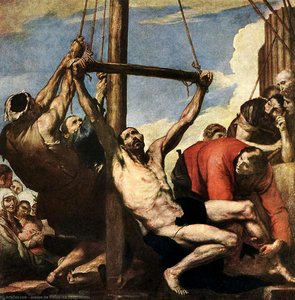
In the profound stillness of Jusepe de Ribera’s The Tears of Saint Peter, we are invited into a private moment of spiritual crisis and overwhelming human vulnerability. Created in 1612, this work stands as a breathtaking testament to the power of the Baroque era to capture the rawest edges of the human soul. The painting does not merely depict a biblical event; it immerses the viewer in the heavy, suffocating atmosphere of remorse. As we gaze upon the aged, weathered face of the Apostle, we are drawn into a narrative of betrayal and subsequent repentance, making it an ideal centerpiece for those who appreciate art that speaks to the depth of human experience and the complexity of our shared emotions.
The composition is a masterclass in tenebrism, a technique where extreme contrasts between light and shadow create a theatrical, almost cinematic intensity. Ribera utilizes a single, piercing light source that strikes Saint Peter from above, illuminating the rugged textures of his skin, the silvered strands of his beard, and the damp glint of sorrow in his eyes. This dramatic lighting serves to isolate the figure against an abyss of dark, undefined space, forcing an intimate confrontation between the subject and the observer. The background remains largely shrouded in shadow, save for a fleeting glimpse of a distant, sunset-lit landscape that offers a poignant contrast to the spiritual darkness currently engulfing the Saint.
Symbolism and Spiritual Depth
Beyond its visual drama, the painting is rich with symbolic weight. Every element of the Apostle's posture—the bowed head, the clasped hands, and the slumped shoulders—communicates a profound sense of humility and submission to divine grace. The very title suggests a physical manifestation of grief, where tears become symbols of a cleansing spirit. This portrayal captures Saint Peter in the immediate aftermath of his denial of Christ, transforming a moment of failure into one of transformative penitence.
For collectors and interior designers, this piece offers more than just aesthetic beauty; it provides a focal point of contemplative gravity. The earthy palette of ochre, deep browns, and muted greens creates a grounded, organic feel that integrates seamlessly into sophisticated, classical, or even modern minimalist interiors. The painting’s ability to command attention through its quiet intensity makes it a profound addition to any curated collection.
The Artistry of Lo Spagnoletto
Jusepe de Ribera, known affectionately as Lo Spagnoletto (“the Little Spaniard”), was a towering figure of the Baroque era. His journey from his Valencian origins to the vibrant artistic hub of Naples allowed him to develop an unflinching realism that would define his career. In The Tears of Saint Peter, we see the hallmarks of his genius: the remarkable attention to texture, from the rough quality of the beard to the heavy weight of the drapery, and a mastery of light that breathes life into the canvas.
To possess a reproduction of this work is to bring a piece of art history into one's personal space. It is an invitation to reflect on the human condition—our capacity for error and our resilience in seeking redemption. Whether viewed as a study in technical brilliance or an emotional anchor for a room, Ribera’s masterpiece continues to resonate with anyone moved by the interplay of light and shadow, and the enduring power of the human spirit.
Pitanja i odgovori
Gde se "The Tears of Saint Peter" nalazi u okviru istorije umetnosti?
„The Tears of Saint Peter”, autor Хосе Де Рибера pripada pravcu Baroque, unutar perioda Early Modern. Zajedno, oni delu daju njegovo mesto u istoriji umetnosti.
Koliki je intenzitet boja kod dela „The Tears of Saint Peter”, autor Хосе Де Рибера?
Boje u delu „The Tears of Saint Peter”, autor Хосе Де Рибера imaju Monochromatic intenzitet.
Kako mogu da nabavim digitalni prikaz dela „The Tears of Saint Peter”, autor Хосе Де Рибера?
Da biste dobili digitalnu verziju dela „The Tears of Saint Peter”, autor Хосе Де Рибера, poručite je putem preuzimanje digitalne slike visoke rezolucije na stranici Digitalna slika u visokoj rezoluciji.
Biografija umetnika
Живот у сенци и светлу
Хосе де Рибера, познат многима као Ло Спањолето – “Мали Шпанац” – био је великан барокне ере, уметник чије су платна пулсирале драматичним интензитетом и неустрашивим реализмом. Рођен у Ксативи, Шпанија, 1591. године, његов пут га је одвео далеко од валенсијанских корена, на крају га успоставивши као једног од најзначајнијих сликара 17. века у Напуљу, граду тада под шпанском влашћу. Риберин живот није био само хроника уметничког развоја; то је била нарација испреплетна тешкоћама, амбицијама и непоколебљивом посвећеношћу приказивању људског стања у свим његовим сировим сложеностима. Иако рани биографски детаљи остају обавијени мистеријом, знамо да је стигао у Италију око 1607. године, прво се настанивши у Риму пре него што се привукао Напуљу 1616. године – град који ће постати његов уметнички дом и котлице за његов јединствени стил. Брак са Катерином Ацолино, ћерком локалног сликара, даље је учврстио његове везе са напољтанским уметничким светом, омогућавајући му да просперира у његовој живописној, али често турбулентној атмосфери.Прихватање Тенебризма и реалистичке визије
Риберино уметничко формирање било је дубоко обликовано преовладајућим струјањима италијанског сликарства. Утицај Каравађа је неоспоран; Рибера је апсорбовао револуционарну употребу тенебризма – те драматичне игре светлости и сенке – мајстора да створи сцене напуњене емоционалном снагом. Међутим, он није само имитирао. Синтетизовао је ову технику са елементима изведеним од других мајстора као што је Гвидо Рени, уградивши класичну осетљивост у своје композиције задржавајући висцерални утицај Каравађевог реализма. Ова фузија је резултирала стилом јединственим за њега: карактерисана оштрим контрастима, интензивно фокусираним фигурама и готово бруталном искреношћу у приказивању људске патње и духовне екстазе. Његови рани радови, као што је *Мучеништво светог Вартоломеја*, пример су овог приступа – ужасан опис бола рендерван без компромиса. Није се плашио да прикаже физичке стварности мучеништва, изврнута тела, напрегнуте мишиће, саму текстуру коже и костију. Ова посвећеност реализму протезала се ван религиозних тема; његови портрети просјака и обичних људи, често приказани као филозофи или свети, били су преломни у своје време, уздижући маргинализоване на ниво достојанства и важности који се ретко виђао у уметности раније.Каријера кроз жанрове и развијајуће стилове
Риберин уметнички излаз био је изузетно разнолик. Иако је можда најпознатији по својим религиозним сликама – сценама мучеништва, приказима светаца и драматичним библијским наративима – такође се одликовао у портретирању, мртвој природи, па чак и пејзажу. Његов *Свети Јероним и анђео*, на пример, показује мекшу, контемплативнију страну његове уметности, задржавајући карактеристично драматично осветљење које дефинише његов рад. Током своје каријере, Риберин стил је прошао суптилне али значајне еволуције. Његове раније слике обележене су готово аскетичним реализмом и оштрим коришћењем тенебризма. Како се учврстио у Напуљу, његова палета је постала богатија, композиције сложеније, а осветљење мало мекше. Међутим, основне елементе њестетике барока – емоционални интензитет, драматичне нарације и непоколебљива посвећеност приказивању људског искуства са искреношћу – остали су константни. Био је мајсторски занатлија, способан да рендерира текстуре са запањујућом прецизношћу, од грубе тканине капутовог плашта до глатке коже младог свеца.Наслеђе и трајан утицај
Риберин утицај на свет уметности протезао се далеко ван његове напољтанске радионице. Постао је кључна фигура шпанског барокног сликарства, уз мајсторе као што су Веласкез, Зурбаран и Муриљо. Његова иновативна употреба тенебризма и неустрашиви реализам утицали су на генерације уметника широм Европе. Њихов рад је одјекивао код оних који су тражили да се ослободе идеализованих форми ренесансне уметности и прихвате висцералнији, емоционално наелектрисан стил. Чак и каснији уметници су црпили инспирацију из његових драматичних композиција и моћних описа људске патње. Данас се Риберине слике налазе у престижним музејима широм света – Мусео дел Прадо у Мадриду, Национална галерија уметности у Вашингтону Д.Ц., и бројним институцијама широм Европе – обезбеђујући да његово наслеђе настави да инспирише и очарава публику вековима након његове смрти 1652. године. Он стоји као сведочанство моћи уметности да се суочи са тешким истинама, истражи дубине људских емоција и осветли трајни дух вере и отпорности.Трајан апел мајстора
Континуирана фасцинација Рибериним радом лежи у његовој способности да превазиђе време и културне границе. Његове слике нису само историјски артефакти; то су моћне изјаве о људском стању – о патњи, вери, нади и очају. Његов неустрашиви реализам нас тера да се суочимо са непријатним истинама, док његове драматичне композиције и мајсторска употреба светлости и сенке стварају атмосферу интензивног емоционалног одјека. Ло Спањолето, како су га нежно звали, оставио је иза себе дело које је и дубоко потресно и интелектуално стимулативно – наслеђе које обезбеђује његово место међу највећим мајсторима барокне ере. Његове слике се не диве само; треба их искусити—осећати у дубини бића.
Хосе Де Рибера
1591 - 1652 , Шпанија
Osnovne informacije
- Artistic Movement Or Style: Barok
- Artists Or Movements Influenced By This Artist: ['José de Ribera']
- Artists Who Influenced This Artist:
- Caravaggio
- Guido Reni
- Date Of Birth: 1591
- Date Of Death: 1652
- Full Name: Jusepe de Ribera
- Nationality: Španac
- Notable Artworks (List Of Titles):
- Mučeništvo Sv. Bartolomeja
- Sv. Jeronim i anđeo
- Mučeništvo Sv. Andreje
- Place Of Birth (City And Country): Xativa, Španija
Povezani članci

Barok Majstor dela: Top 10 Umjetničkih Remeka za Vaš Dom
Otkrijte 10 remek dela koja su definisala baroknu umetnost! Karavagio, Bernini i više – istražite priče iza ovih ikoničnih slika. Inspiracija za vaš dom? Pogledajte kolekciju na OriginalUniqueArt.com!

The Visceral Stage: Exploring Dramatic Narratives & Emotional Intensity in Baroque Art
Explore the dramatic world of Baroque art! Discover iconic masters like Caravaggio & Rembrandt, their techniques, and the movement's lasting impact. Expert insights for collectors & enthusiasts at OriginalUniqueArt.

Chiaroscuro & Emotion: Capturing the Dramatic Soul of Baroque Art
Explore the profound drama of Baroque art. Discover how masters used chiaroscuro and intense emotion to capture the soul of the 17th century through light, shadow, and spiritual grandeur in this expert art history guide.
Chiaroscuro & Emotional Resonance: Exploring Dramatic Light in Western Painting
Explore the captivating world of chiaroscuro & tenebrism! Discover Caravaggio's influence, Baroque masters, and the enduring power of dramatic lighting in art history. Learn about these techniques with OriginalUniqueArt.

The Dramatic Flourish: Exploring the Baroque Movement's Enduring Legacy in Art History
Explore the dramatic world of Baroque art! Discover iconic artists like Caravaggio & Rubens, defining techniques, and its lasting impact on art history. Expert insights for collectors & enthusiasts at OriginalUniqueArt.