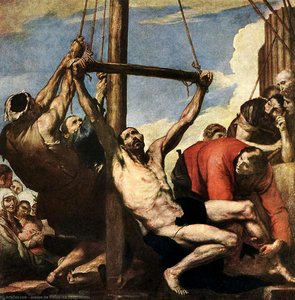
Pregledaj u prostoru
 Podeli
 Podeli
 Detalji
 Vodič
Vodič

 Preuzmi sliku
 Slični predmeti
 Rendgenski snimak
 Automatska prezentacija
 Statistika
St. Jerome and the Angel


 Pročitaj više
Giclee štampa / Umetnički otisak
Giclée štampa ili print na platnu muzejskog kvaliteta uz brzu izradu i raznovrsne opcije završne obrade. ( Naručite ručno oslikano reprodukciju Pređi na prodaju digitalnih slika)




P118B дин10

P118H дин10

P118W дин10

P438Z дин10

P508JH дин12

P508YH дин12

P805H дин10

P805Z дин10

P919BZ дин10

P919G дин10

P919XJ дин10

P959ZH дин10

P968JZ дин12

W106C дин8

W218G дин10

W218JH дин8

W218Y дин10

W307PJ дин10

W316G дин10

W316PJ дин8

W316Y дин10

W398PJ дин8

W4111J дин10

W500HY дин15

W500JH дин15

W692G дин12

W849H дин8

W940BG дин15

W953PJ дин8




Izaberite jednu od naših unapred definisanih veličina koje odgovaraju originalnim proporcijama umetničkog dela.

Unesite širinu i visinu koja vam je potrebna, kako bi se uklopili u vaš ram ili na vaš zid. Štampa se može samo iseći, nikada ne može biti veća od originalne slike, stoga format sa drugačijim proporcijama gubi deo slike. Poslaćemo vam digitalni prikaz radi potvrde pre nego što započnemo štampu. Slika prikazana na ovoj stranici ne pokazuje stvarni rez — to pokazuje samo digitalni prikaz.
Dostava širom sveta () za 2 nedelje umesto uobičajenih 4/5 nedelja. (22 октобар)

Besplatna ekspresna dostava širom sveta

Visokokvalitetno laneno platno

Sveobuhvatno osiguranje transporta

Garancija povraćaja carine i uvoznih dažbina

Garancija vernosti boja i autentičnosti pri reprodukciji

Politika povraćaja u roku od 100 dana (samo u slučaju nedostataka)

Garancija povrata 100% novca

Popust pri većoj količini
 Opcija sa staklom dostupna je samo za dimenzije manje od 110 cm

St. Jerome and the Angel
Giclee štampa / Umetnički otisak
Veličina reprodukcije
-


Ukupna cena
дин 8200
Saint Jerome and the Angel of Judgement - A Study in Dramatic Realism
Jusepe de Ribera’s *Saint Jerome and the Angel of Judgement*, completed in 1626, stands as a cornerstone of Baroque painting—a testament to Ribera's mastery of tenebrismo and his profound engagement with religious iconography. Executed for Santa Trinità delle Monache in Naples, this monumental canvas immediately commands attention through its masterful use of chiaroscuro, plunging the scene into deep shadows punctuated by brilliant highlights that sculpt the figures with breathtaking precision.
- Subject Matter: The painting depicts Saint Jerome, renowned for his ascetic devotion and biblical scholarship, confronted by an angel bearing the trumpet of divine judgment. This juxtaposition embodies a central theme of Baroque art—the confrontation between earthly mortality and eternal salvation.
- Style & Technique: Ribera’s signature tenebrist style – derived from Caravaggio – dominates the composition. Light is strategically employed to illuminate key elements, creating dramatic contrasts that heighten emotional intensity and emphasize textural detail. The artist meticulously renders every wrinkle of Jerome's face, every fold in his robe, conveying a palpable sense of physicality and psychological torment.
- Historical Context: Naples under Spanish rule during Ribera’s lifetime fostered an artistic environment characterized by patronage from the Medici family and a fervent devotion to Catholicism. The painting reflects this cultural climate, aligning with prevailing theological concerns about divine retribution and spiritual redemption.
- Symbolism: Beyond its biblical narrative, *Saint Jerome* is laden with symbolic significance. The angel’s trumpet signifies impending judgment, while Jerome's posture—seated on the ground, hands clasped together—represents humility and prayerful contemplation. The inclusion of St. Jerome’s robe draped over his leg serves as a visual reminder of the saint’s ascetic life and unwavering faith.
- Emotional Impact: Ribera succeeds in conveying profound emotional depth through his depiction of Saint Jerome's anguish. The artist captures not merely physical suffering but also psychological torment—a palpable sense of dread and despair that resonates powerfully with viewers centuries later. This masterful portrayal underscores the Baroque preoccupation with portraying human emotion as a conduit for divine grace.
The Genius of Tenebrismo: Ribera’s Innovative Approach
Ribera's innovative use of tenebrism—the dramatic interplay between light and darkness—revolutionized painting technique during the Baroque period. Unlike earlier artists who favored softer, diffused lighting, Ribera deliberately employed stark contrasts to create a theatrical effect, emphasizing sculptural form and amplifying emotional impact. This approach was not merely stylistic; it served as a powerful tool for conveying theological ideas about God’s judgment and humanity's vulnerability.
- Light & Shadow: The artist meticulously sculpts the figures using light and shadow, creating an illusion of three-dimensionality that transcends conventional representation. Ribera’s masterful manipulation of chiaroscuro draws inspiration from Caravaggio’s groundbreaking style, establishing him as a pivotal figure in Baroque art history.
- Texture & Detail: The painting's surface is covered in densely textured brushstrokes—a hallmark of Ribera’s technique—that capture the materiality of the drapery and Jerome’s flesh with astonishing realism. This meticulous attention to detail underscores Ribera’s commitment to portraying human experience with uncompromising honesty.
- Dramatic Effect: The tenebrist style generates a dramatic effect that intensifies the emotional impact of the scene, immersing viewers in a realm of psychological torment and spiritual apprehension. Ribera's technique elevates the painting beyond mere visual depiction—it becomes an embodiment of theological contemplation.
A Legacy of Spiritual Intensity: Ribera’s Influence on Baroque Art
Jusepe de Ribera’s *Saint Jerome and the Angel of Judgement* exerted a profound influence on subsequent Baroque artists, establishing him as one of the era's most celebrated masters. His uncompromising realism combined with his masterful use of tenebrismo—a technique that would become synonymous with Baroque painting—inspired generations of painters to explore similar stylistic approaches.
- Caravaggio Connection: Ribera’s debt to Caravaggio is undeniable, mirroring the artist's penchant for dramatic lighting and unflinching portrayal of human emotion. This stylistic kinship cemented Ribera’s position as a successor to Caravaggio’s artistic legacy.
- Continuing Tradition: Ribera’s influence extended beyond Caravaggio, shaping the aesthetic sensibilities of artists across Europe who embraced tenebrismo—a technique that would become a defining characteristic of Baroque art.
The Museo di Capodimonte and Its Masterpiece
Currently housed in the Museo di Capodimonte in Naples, *Saint Jerome and the Angel of Judgement* remains one of Ribera’s most iconic works—a testament to his artistic genius and a cornerstone of Neapolitan Baroque art history. Visitors can experience firsthand the breathtaking beauty and emotional depth of this monumental canvas, appreciating its masterful execution and enduring significance.
- Location: The Museo di Capodimonte offers an unparalleled opportunity to examine Ribera’s *Saint Jerome* alongside other masterpieces of Neapolitan Baroque painting.
- Conservation Efforts: Ongoing conservation efforts ensure that the painting retains its vibrancy and integrity for future generations of art enthusiasts.
Further Exploration
For those interested in delving deeper into Ribera’s artistic oeuvre, numerous scholarly resources are available—including monographs, exhibition catalogues, and critical analyses. Examining these materials provides invaluable insight into Ribera's stylistic innovations, biographical details, and broader cultural context.
Pitanja i odgovori
Gde mogu da kupim print dela „St. Jerome and the Angel”, Хосе Де Рибера?
Da biste naručili print dela „St. Jerome and the Angel”, Хосе Де Рибера, jednostavno ga poručite na njegovoj stranici Umetski print: umetnička štampa na pamučnom platnu ili arhivskom kanvas papiru.
Koliko je izražen kontrast u delu „St. Jerome and the Angel”, Хосе Де Рибера?
Nivo kontrasta dela „St. Jerome and the Angel”, Хосе Де Рибера je Bold.
Da li je "St. Jerome and the Angel" tipično za ono što je Хосе Де Рибера obično stvarao?
Među zabeleženim temama umetnika Хосе Де Рибера – dramatic realism, religious iconography, neapolitan patronage, caravaggisti style, moral allegory – delo "St. Jerome and the Angel" donosi sopstveni fokus na saint jerome, angel, judgement, religious art, biblical scene, renaissance painting, neapolitan baroque.
Biografija umetnika
Живот у сенци и светлу
Хосе де Рибера, познат многима као Ло Спањолето – “Мали Шпанац” – био је великан барокне ере, уметник чије су платна пулсирале драматичним интензитетом и неустрашивим реализмом. Рођен у Ксативи, Шпанија, 1591. године, његов пут га је одвео далеко од валенсијанских корена, на крају га успоставивши као једног од најзначајнијих сликара 17. века у Напуљу, граду тада под шпанском влашћу. Риберин живот није био само хроника уметничког развоја; то је била нарација испреплетна тешкоћама, амбицијама и непоколебљивом посвећеношћу приказивању људског стања у свим његовим сировим сложеностима. Иако рани биографски детаљи остају обавијени мистеријом, знамо да је стигао у Италију око 1607. године, прво се настанивши у Риму пре него што се привукао Напуљу 1616. године – град који ће постати његов уметнички дом и котлице за његов јединствени стил. Брак са Катерином Ацолино, ћерком локалног сликара, даље је учврстио његове везе са напољтанским уметничким светом, омогућавајући му да просперира у његовој живописној, али често турбулентној атмосфери.Прихватање Тенебризма и реалистичке визије
Риберино уметничко формирање било је дубоко обликовано преовладајућим струјањима италијанског сликарства. Утицај Каравађа је неоспоран; Рибера је апсорбовао револуционарну употребу тенебризма – те драматичне игре светлости и сенке – мајстора да створи сцене напуњене емоционалном снагом. Међутим, он није само имитирао. Синтетизовао је ову технику са елементима изведеним од других мајстора као што је Гвидо Рени, уградивши класичну осетљивост у своје композиције задржавајући висцерални утицај Каравађевог реализма. Ова фузија је резултирала стилом јединственим за њега: карактерисана оштрим контрастима, интензивно фокусираним фигурама и готово бруталном искреношћу у приказивању људске патње и духовне екстазе. Његови рани радови, као што је *Мучеништво светог Вартоломеја*, пример су овог приступа – ужасан опис бола рендерван без компромиса. Није се плашио да прикаже физичке стварности мучеништва, изврнута тела, напрегнуте мишиће, саму текстуру коже и костију. Ова посвећеност реализму протезала се ван религиозних тема; његови портрети просјака и обичних људи, често приказани као филозофи или свети, били су преломни у своје време, уздижући маргинализоване на ниво достојанства и важности који се ретко виђао у уметности раније.Каријера кроз жанрове и развијајуће стилове
Риберин уметнички излаз био је изузетно разнолик. Иако је можда најпознатији по својим религиозним сликама – сценама мучеништва, приказима светаца и драматичним библијским наративима – такође се одликовао у портретирању, мртвој природи, па чак и пејзажу. Његов *Свети Јероним и анђео*, на пример, показује мекшу, контемплативнију страну његове уметности, задржавајући карактеристично драматично осветљење које дефинише његов рад. Током своје каријере, Риберин стил је прошао суптилне али значајне еволуције. Његове раније слике обележене су готово аскетичним реализмом и оштрим коришћењем тенебризма. Како се учврстио у Напуљу, његова палета је постала богатија, композиције сложеније, а осветљење мало мекше. Међутим, основне елементе њестетике барока – емоционални интензитет, драматичне нарације и непоколебљива посвећеност приказивању људског искуства са искреношћу – остали су константни. Био је мајсторски занатлија, способан да рендерира текстуре са запањујућом прецизношћу, од грубе тканине капутовог плашта до глатке коже младог свеца.Наслеђе и трајан утицај
Риберин утицај на свет уметности протезао се далеко ван његове напољтанске радионице. Постао је кључна фигура шпанског барокног сликарства, уз мајсторе као што су Веласкез, Зурбаран и Муриљо. Његова иновативна употреба тенебризма и неустрашиви реализам утицали су на генерације уметника широм Европе. Њихов рад је одјекивао код оних који су тражили да се ослободе идеализованих форми ренесансне уметности и прихвате висцералнији, емоционално наелектрисан стил. Чак и каснији уметници су црпили инспирацију из његових драматичних композиција и моћних описа људске патње. Данас се Риберине слике налазе у престижним музејима широм света – Мусео дел Прадо у Мадриду, Национална галерија уметности у Вашингтону Д.Ц., и бројним институцијама широм Европе – обезбеђујући да његово наслеђе настави да инспирише и очарава публику вековима након његове смрти 1652. године. Он стоји као сведочанство моћи уметности да се суочи са тешким истинама, истражи дубине људских емоција и осветли трајни дух вере и отпорности.Трајан апел мајстора
Континуирана фасцинација Рибериним радом лежи у његовој способности да превазиђе време и културне границе. Његове слике нису само историјски артефакти; то су моћне изјаве о људском стању – о патњи, вери, нади и очају. Његов неустрашиви реализам нас тера да се суочимо са непријатним истинама, док његове драматичне композиције и мајсторска употреба светлости и сенке стварају атмосферу интензивног емоционалног одјека. Ло Спањолето, како су га нежно звали, оставио је иза себе дело које је и дубоко потресно и интелектуално стимулативно – наслеђе које обезбеђује његово место међу највећим мајсторима барокне ере. Његове слике се не диве само; треба их искусити—осећати у дубини бића.
Хосе Де Рибера
1591 - 1652 , Шпанија
Brzi pregled
- Artistic Movement Or Style: Barok
- Artists Or Movements Influenced By This Artist: ['José de Ribera']
- Artists Who Influenced This Artist:
- Caravaggio
- Guido Reni
- Date Of Birth: 1591
- Date Of Death: 1652
- Full Name: Jusepe de Ribera
- Nationality: Španac
- Notable Artworks (List Of Titles):
- Mučeništvo Sv. Bartolomeja
- Sv. Jeronim i anđeo
- Mučeništvo Sv. Andreje
- Place Of Birth (City And Country): Xativa, Španija
Srodni članci

Giclée Prints: Archival Quality & Aesthetic Nuances for the Discerning Collector
Explore the world of giclée prints with OriginalUniqueArt. Learn about archival quality, aesthetic nuances & investment potential. Expert guidance for discerning art collectors seeking museum-quality reproductions and lasting value.
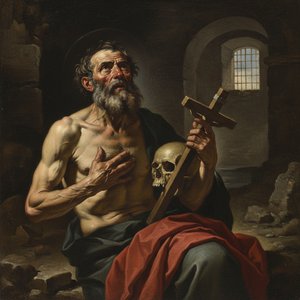
Jusepe de Ribera: Dramatic Realism & Spiritual Intensity in the Spanish Golden Age
Explore the powerful Baroque paintings of Jusepe de Ribera, master of tenebrism and dramatic realism. Discover his spiritual intensity, influence on Spanish art, and considerations for collectors. Expert insights at OriginalUniqueArt.

Echoes of Time: Exploring the Enduring Appeal & Historical Context of Vintage Art Prints
Explore the captivating world of vintage art prints! Discover their history, collecting tips & enduring appeal. Expert insights on chromolithography and building a legacy collection with OriginalUniqueArt.

The Visceral Stage: Exploring Dramatic Narratives & Emotional Intensity in Baroque Art
Explore the dramatic world of Baroque art! Discover iconic masters like Caravaggio & Rembrandt, their techniques, and the movement's lasting impact. Expert insights for collectors & enthusiasts at OriginalUniqueArt.

Barok Majstor dela: Top 10 Umjetničkih Remeka za Vaš Dom
Otkrijte 10 remek dela koja su definisala baroknu umetnost! Karavagio, Bernini i više – istražite priče iza ovih ikoničnih slika. Inspiracija za vaš dom? Pogledajte kolekciju na OriginalUniqueArt.com!