

 Pregledaj u prostoru
 Podeli
 Podeli
 Detalji
 Vodič
Vodič

 Preuzmi sliku
 Slični predmeti
 Rendgenski snimak
 Automatska prezentacija
 Statistika
Pas Mèche


 Pročitaj više
Ručno rađena uljana reprodukcija
Ručno oslikano uljanim bojama na platnu u dimenzijama i okviru po vašem izboru, izrađeno po porudžbini od strane naših umetnika. ( Pređi na prodaju štampanih primeraka Pređi na prodaju digitalnih slika)




P118B дин10

P118H дин10

P118W дин10

P438Z дин10

P508JH дин12

P508YH дин12

P805H дин10

P805Z дин10

P919BZ дин10

P919G дин10

P919XJ дин10

P959ZH дин10

P968JZ дин12

W106C дин8

W218G дин10

W218JH дин8

W218Y дин10

W307PJ дин10

W316G дин10

W316PJ дин8

W316Y дин10

W398PJ дин8

W4111J дин10

W500HY дин15

W500JH дин15

W692G дин12

W849H дин8

W940BG дин15

W953PJ дин8




Izaberite jednu od naših unapred definisanih veličina koje odgovaraju originalnim proporcijama umetničkog dela.

Unesite širinu i visinu koja vam je potrebna, kako bi se uklopili u vaš ram ili zid. Pošto je ovo ručno oslikano delo, umetnik može naslikati malo više prostora oko slike ili malo skratiti ivice za dimenzije drugačijeg oblika — izbor je na vama. Pre početka rada, poslaćemo vam digitalni prikaz radi potvrde. Slika prikazana na ovoj stranici ne predstavlja konačan rezultat — samo digitalni prikaz pokazuje stvarnu sliku.
Nakon narudžbine, tim OriginalUniqueArt.com će klijentu putem e-pošte poslati uputstva i dostaviti prikaz predloženog rešenja
Svetska isporuka () za 3/4 nedelje umesto uobičajenih 5 nedelja. (26 октобар). Bez kompromisa po pitanju kvaliteta.

Besplatna ekspresna dostava širom sveta

Visokokvalitetno laneno platno

Sveobuhvatno osiguranje transporta

Garancija povraćaja carine i uvoznih dažbina

Garancija vernosti boja i autentičnosti pri reprodukciji

Politika povraćaja u roku od 100 dana (samo u slučaju nedostataka)

Garancija povrata 100% novca

Popust pri većoj količini
 Opcija sa staklom dostupna je samo za dimenzije manje od 110 cm

Pas Mèche
Tehnika izrade reprodukcije
Veličina reprodukcije
-


Ukupna cena
дин 30935
A Moment of Rural Grace: Jules Bastien-Lepage’s *Pas Mèche*
Jules Bastien-Lepage's 1882 painting, *Pas Mèche* (which translates to "No Comb"), offers a poignant glimpse into the heart of rural France at the close of the 19th century. This captivating portrait of a young boy with a fishing rod is more than just a depiction of childhood; it’s a carefully constructed meditation on authenticity, connection to the land, and the fleeting beauty of everyday life – hallmarks of Bastien-Lepage's pioneering Naturalism.
- Subject Matter: The central figure, a boy seemingly lost in his task, embodies the spirit of youthful engagement with nature. His determined posture and grip on the fishing rod speak to an unburdened joy and a deep connection to the surrounding environment.
- Setting & Context: The painting’s location – a roadside pathway near what appears to be a village – immediately grounds the scene in a specific time and place. This was a period of significant social change in France, with artists like Bastien-Lepage striving to capture the realities of rural life before it disappeared entirely.
- The Artist’s Vision: Bastien-Lepage's approach aligns perfectly with the Naturalist movement, rejecting idealized representations and instead focusing on honest, unvarnished portrayals of ordinary people and their surroundings. He sought to depict not just what he *saw*, but what he *felt* about what he saw.
Technical Brilliance: Bastien-Lepage’s Naturalist Style
Bastien-Lepage was renowned for his meticulous technique, a blend of Realism and Impressionistic influences that resulted in remarkably detailed yet luminous paintings. He employed a layered approach to painting, building up thin glazes of color to achieve subtle tonal variations and an almost velvety texture. Notice the careful rendering of light and shadow, particularly on the boy’s jacket and the fishing rod – details that contribute significantly to the work's realism.
- Color Palette: The painting utilizes a restrained yet harmonious color palette dominated by earthy tones—ochres, browns, and greens—reflecting the natural environment.
- Brushwork: His brushstrokes are controlled and precise, contributing to the overall sense of stillness and quiet contemplation. He avoided broad, visible strokes characteristic of some Impressionists, favoring a more deliberate and considered approach.
- Light & Shadow: Bastien-Lepage’s masterful use of light creates a strong sense of depth and volume, further enhancing the realism of the scene.
Symbolism and Emotional Resonance
*Pas Mèche* transcends a simple portrait; it carries significant symbolic weight. The boy's solitary activity represents a connection to tradition, a rejection of modern distractions, and an appreciation for the simple pleasures of life. The inclusion of other villagers in the background subtly reinforces this theme of community and shared experience.
- The Fishing Rod: More than just a tool, the fishing rod symbolizes patience, perseverance, and a connection to the natural world – values central to Bastien-Lepage’s philosophy.
- Youth & Innocence: The boy's youthful appearance evokes feelings of innocence, vulnerability, and hope.
- Nostalgia & Loss: Given Bastien-Lepage’s tragically short life, the painting can also be interpreted as a poignant reflection on lost opportunities and the fleeting nature of beauty.
A Timeless Masterpiece – Perfect for Your Collection
This hand-painted reproduction captures the essence of Jules Bastien-Lepage's artistic genius, offering a stunning addition to any art collection or interior design scheme. Its evocative subject matter and masterful technique make it a timeless piece that will continue to captivate viewers for generations to come. Whether you are an admirer of Naturalism, a collector of French Impressionist works, or simply seeking a beautiful and inspiring artwork, *Pas Mèche* is sure to exceed your expectations. OriginalUniqueArt offers museum-quality reproductions meticulously crafted to faithfully replicate the original’s beauty and detail.
Pitanja i odgovori
Kako se kontrast i harmonija spajaju u delu "Pas Mèche"?
U delu "Pas Mèche", Balanced kontrast je uparen sa Strong Color Unity harmonijom.
Koji umetnik i koji stil stoje iza "Pas Mèche"?
Delo "Pas Mèche" delo je Жил Бастијен-Лепаж u stilu Glasgow Boys. Umetnik i pravac definišu tradiciju ovog dela.
Postoje li dela slična delu "Pas Mèche"?
Radovi slični delu „Pas Mèche“ navedeni su na stranici Slična dela ovog umetničkog dela.
Biografija umetnika
Pioniр Натурализма: Живот и Уметност Жил Бастијен-Лепажа
Жил Бастијен-Лепаж се појавио као кључна фигура у француском сликарству касног 19. века, мост између утврђене реалистичке традиције и растајућег импресионистичког покрета. Рођен 1848. године у малом селу Дамвилијер, смештеном у региону Меза у Француској, његова уметничка трајекторија била је дубоко укорењена у пејзажима и животима руралне Француске. Ова веза са његовим пореклом није била само биографска; постала је суштина његове уметности, пропитујући његова платна аутентичношћу која је снажно резонирала са публиком која тражи искренији приказ света око њих. Његова кратка али интензивно продуктивна каријера, трагично прекинута смрћу 1884. године у доби од само тридесет и шест година, оставила је неизбрисив траг на развој натурализма и утицала на уметнике широм Европе.Од Руралних Корена до Уметничке Обуке
Почетно уметничко образовање Бастијен-Лепажа стицао је од оца, самог сликара који је препознао и неговао таленат свог сина. Млади Жил је испуњавао скице са студијама села, хватајући ритмове руралног живота посматрачким оком. Ово рано урањање у природу остало би дефинишућа карактеристика његовог рада. Формална обука уследила је на École des Beaux-Arts у Паризу, почевши 1867. године, где је студирао под Александром Кабанелом – истакнутим академским сликаром познатим по својој полираној техници и историјским темама. Док је савладавао вештине које су захтевале Салонски систем, Бастијен-Лепаж је истовремено неговао жељу да се ослободи његових ограничења. Избијање Француско-пруског рата 1870. године прекинуло је његове студије, што га је довело до тога да служи као добровољац војник. Ово искуство, заједно са накнадном болешћу, вратило га је у Дамвилијер, учврстивши његову посвећеност приказивању живота оних које је најбоље познавао: сељака и радника свог завичаја.Успон Натурализма и Стил Бастијен-Лепажа
По повратку у Париз након рата, Бастијен-Лепаж је почео да излаже радове који су сигнализирали одступање од традиционалног академског сликања. Његов стил карактерише прецизна примена боје – мале, намерне четканице које граде текстуру и облик – у комбинацији са палетом која доминира топлим, природним тоновима. Прихватио је *plein air* сликање, радећи директно из природе да би заробио пролазне ефекте светлости и атмосфере. Ова посвећеност посматрању и аутентичности ускладила га је са новим натуралистичким покретом, који је тражио да прикаже живот какав јесте, без идеализације или романтике. Жетва (1877), изложена на Салону 1879. године, показала се као преломни тренутак, успоставивши Бастијен-Лепажа као лидера овог новог уметничког правца. Реалистичан приказ руралних радника и његов луминозни опис села очарао је критичаре и публику. Он није само документовао сељачки живот; он га уздигао, пропитујући своје субјекте дигнитетом и поштовањем.Главна Дела и Трајан Утицај
Успех Бастијен-Лепажа се протезао ван жанровских сцена. Његов портрет добио је значајну признање, посебно Портрет мог деде (1874), који је стекао рану репутацију, и импресиван портрет прослављене глумице Саре Бернхардт 1879. године – наруџбина која му је донела већу славу. Такође се бавио историјским темама са натуралистичком осетљивошћу, што је приказано његовим сликањем Жана д’Арк, сада смештеним у музеју Орсе. Ово дело је представило Жанну не као митску хероину већ као младу жену укорењену у своје рурално порекло, што одражава посвећеност Бастијен-Лепажа приказивању фигура у њиховом друштвеном и историјском контексту. До 1883. године његов утицај је био толико широк да су критичари приметили да уметници широм Европе опонашају његов стил – сведочанство моћи његове визије. Његов рад је резонирао са британским сликарима попут Џорџа Клаузена и Тома Робертса, који су у своје приказе руралног живота укључили елементе његовог натурализма. Наслеђе Жила Бастијен-Лепажа лежи не само у лепоти и емоционалној дубини његових слика већ и у његовој улози као катализатора за уметничку промену. Он је отворио пут будућим генерацијама уметника да истражују нове начине представљања света око њих, изазивајући конвенционалне норме и прихватајући искренији и аутентичнији приступ уметности.
Жил Бастијен-Лепаж
1848 - 1884 , Француска
Brzi pregled
- Artistic Movement Or Style: Naturalizam
- Artists Or Movements Influenced By This Artist: ['Impresionizam']
- Artists Who Influenced This Artist: ['Realistički pokret']
- Date Of Birth: 1848
- Date Of Death: 1884
- Full Name: Jules Bastien-Lepage
- Nationality: Francuz
- Notable Artworks:
- Portret dede
- Jana Orleanska
- Žetva sena
- Oktobar - kopanje krompira
- Vrijeme žetve
- Place Of Birth (City And Country): Damvilliers, Francuska
Srodni članci
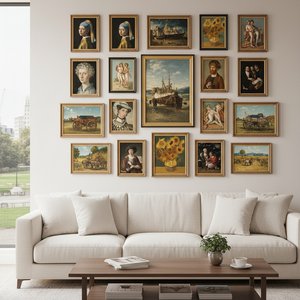
25 Remek-dela Nacionalne Galerije Londona: Umetnička Inspiracija za Vaš Dom
Otkrijte 25 remek-dela Nacionalne galerije Londona! Istražite priče Van Goga, Moneta i drugih velikana. Inspiracija za dekoraciju enterijera & luksuzne reprodukcije slika dostupne na OriginalUniqueArt.com.
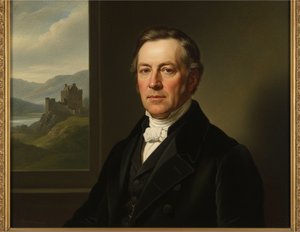
Henry Raeburn: A Scottish Portraitist's Mastery of Light, Character & National Identity
Explore the life & work of Henry Raeburn, a master Scottish portraitist. Discover his innovative techniques, captivating portraits of the Enlightenment era, and lasting legacy in art history. Learn more at OriginalUniqueArt.
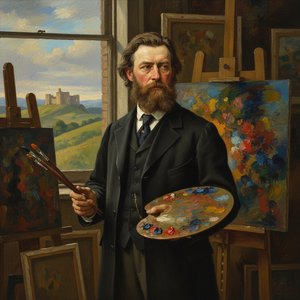
George Paul Chalmers: Rediscovering the Angus Rembrandt & Scottish Colourist Roots
Explore the captivating world of George Paul Chalmers (1833-1878), a pivotal Scottish painter. Discover his landscapes, portraits & connection to the Aesthetic Movement and Colourists. Learn about this 'Angus Rembrandt's' legacy with OriginalUniqueArt.

William Brassey Hole: A Victorian Master of Narrative Watercolour & Scottish Life
Explore the captivating paintings of William Brassey Hole, a Victorian master renowned for his dramatic biblical scenes, Scottish landscapes & industrial life. Discover his technique and lasting legacy.
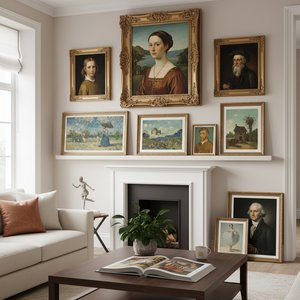
25 Remek-dela Nacionalne Galerije: Umetnička Baština Vašingtona za Ljubitelje Lepiote
Istražite 25 remek-dela Nacionalne galerije u Vašingtonu! Otkrijte priče iza Cezannea, Matissea i Picassa. Inspiracija za dekoraciju enterijera i vrhunske reprodukcije slika dostupne na OriginalUniqueArt.com.