
 Pregledaj u prostoru
 Pošalji
 Podeli
 Detalji o delu
 Vodič
Vodič

 Preuzmi
 Slični predmeti
 Rendgenski snimak
 Automatska prezentacija
 Q&A
Q&A Statistika
Pietà

- 161.0 x 144.0 cm


 Pročitaj više
Giclee štampa / Umetnički otisak
Giclée štampa ili print na platnu muzejskog kvaliteta uz brzu izradu i raznovrsne opcije završne obrade. ( Kupite ručno oslikano delo Pređi na digitalnu sliku)




P118B дин10

P118H дин10

P118W дин10

P438Z дин10

P508JH дин12

P508YH дин12

P805H дин10

P805Z дин10

P919BZ дин10

P919G дин10

P919XJ дин10

P959ZH дин10

P968JZ дин12

W106C дин8

W218G дин10

W218JH дин8

W218Y дин10

W307PJ дин10

W316G дин10

W316PJ дин8

W316Y дин10

W398PJ дин8

W4111J дин10

W500HY дин15

W500JH дин15

W692G дин12

W849H дин8

W940BG дин15

W953PJ дин8




Izaberite jednu od naših unapred definisanih veličina koje odgovaraju originalnim proporcijama umetničkog dela.

Unesite željenu širinu i visinu kako bi se štampa uklopila u vaš ram ili zid. Štampu je moguće samo iseći, ali nikada povećati iznad dimenzija originalne slike, stoga format sa drugačijim proporcijama uzrokuje gubitak dela slike. Pre početka štampe, poslaćemo vam digitalni prikaz radi potvrde. Slika prikazana na ovoj stranici ne predstavlja stvarni isrez — to pokazuje samo digitalni prikaz.
Dostava širom sveta () za 2 nedelje umesto uobičajenih 4/5 nedelja. (1 новембар)

Besplatna ekspresna dostava širom sveta

Visokokvalitetno laneno platno

Potpuno osiguranje transporta

Garancija povraćaja carine i uvoznih dažbina

Garancija vernosti boja

Politika povraćaja u roku od 100 dana (samo u slučaju nedostataka)

Garancija povrata 100% novca

Popust na više proizvoda
 Opcija sa staklom dostupna je samo za dimenzije manje od 110 cm

Pietà
Giclee štampa / Umetnički otisak
Dimenzije reprodukcije
-


Ukupna cena
дин 8337
The Heart of Sorrow: An Exploration of Valdés Leal’s Pietà
Juan de Valdés Leal's 1657 “Pietà” is not merely a depiction of grief; it’s an immersion into the profound sorrow and spiritual weight of Christian iconography. Born in Seville during the height of the Spanish Baroque, Leal was deeply influenced by the traditions of theatrical sculpture, particularly the evocative “pasos”—elaborate processions featuring religious figures rendered with intense emotion—a practice common in Spain. This painting transcends simple representation, aiming instead to evoke a visceral response from the viewer, mirroring the agony of Mary Magdalene cradling the lifeless body of Christ.
The subject itself – the Pietà – has resonated through Western art for centuries. It’s a timeless image: the Virgin Mary, serene yet heartbroken, holding her son after his crucifixion. Leal masterfully captures this essence, moving beyond the idealized beauty often associated with depictions of the Madonna. Instead, we see a woman marked by sorrow, her expression a complex blend of grief and acceptance. The composition is deliberately tight, drawing our focus entirely to the central figures – a deliberate choice that intensifies the emotional impact. The diagonal line created by Christ’s body, sloping from left to right, guides the eye through the scene, mirroring the descent into despair.
Baroque Drama: Technique and Composition
Leal's mastery lies in his skillful deployment of Baroque techniques. The painting is dominated by *chiaroscuro*, a dramatic contrast between light and dark that sculpts the figures and imbues the scene with an almost theatrical quality. Light focuses intensely on Mary Magdalene and Christ’s body, casting deep shadows around them – these aren't merely stylistic choices; they symbolize the darkness of sin and suffering. The artist employs impasto—thickly applied paint—to create a richly textured surface, adding depth and physicality to the figures. Brushstrokes are bold and expressive, conveying movement and emotion with every mark.
The flattened perspective, characteristic of Baroque art, prioritizes emotional impact over strict realism. Leal doesn’t strive for photographic accuracy; instead, he uses color and form to create a heightened sense of drama and immediacy. The muted palette—primarily dark browns, reds, and blues—contributes to the somber atmosphere, reinforcing the theme of loss and mourning. The use of strong lines further emphasizes the dynamism of the scene, preventing it from feeling static or lifeless.
Symbolism and Spiritual Resonance
Beyond its visual power, the “Pietà” is rich in symbolism. The image directly references Christian iconography, but Leal imbues it with a distinctly Spanish sensibility. The gruesome details of Christ’s suffering—a hallmark of Spanish religious art—are not presented gratuitously; they serve to heighten the spiritual fervor and underscore the sacrifice made for humanity's salvation. Mary Magdalene’s posture – cradling the body with unwavering devotion – represents faith, loyalty, and acceptance of God’s will.
The scene as a whole speaks to universal themes of grief, loss, and redemption. It invites contemplation on mortality, suffering, and the enduring power of love and compassion. Leal's “Pietà” is more than just a religious painting; it’s a profound meditation on the human condition, rendered with breathtaking skill and emotional intensity.
Pitanja i odgovori
Kako se opisuje raspoloženje dela „Pietà”, autor Хуан Де Валдес Леал?
Opšta atmosfera dela „Pietà”, autor Хуан Де Валдес Леал je Dramatic. Ova atmosfera opisuje opšti dojam koji delo ostavlja.
Koliko je izražen kontrast u delu „Pietà”, autor Хуан Де Валдес Леал?
„Pietà”, autor Хуан Де Валдес Леал prikazuje Gentle kontrast između svojih svetlih i tamnih delova.
Koja paleta i dominantna boja definišu "Pietà"?
„Pietà”, autor Хуан Де Валдес Леал koristi Earthy paletu, pri čemu je Gray (#938366) dominantna boja.
Biografija umetnika
Рани живот и формирање уметника
Хуан де Валдес Леал, шпански сликар и гравер изузетан по својој драматичној барокној естетици, рођен је 4. маја 1622. године у Севиљи. Веома рано је показао склоност ка уметности, али није само сликао – био је и талентован вајар и архитекта, што говори о његовој изузетној свестраности. У двадесетим годинама започео је студије под вођством Антонија дел Кастиља у Кордоби, где је темељно усвојио технике и стил барокног периода. Овај период школовања био је пресудан за његов каснији развој и препознатљив израз. Валдес Леал није само копирао свог учитеља; он је почео да развија сопствени, упечатљиви стил који ће га прославити.Значајна дела и сарадња
Током каријере, Валдес Леал је створио низ ремек-дела која су одсликавала његову способност да заробља дубоко емотивне и често мрачне теме. Међу његовим најзначајнијим радовима издвајају се "Историја пророка Илије" за цркву Кармелита, "Мучеништво светог Андреје" за цркву Сан Франциско у Кордоби и "Тријумф Крста" за Ла Каридад у Севиљи. Ова дела не само да демонстрирају његову техничку вештину, већ и способност да пренесе сложене симболичке поруке. Валдес Леал је често обрађивао теме ванитаса – пролазности живота, смрти и духовне рефлексије. Његова сарадња са Бартоломеом Естебаном Муриљом, другим познатим шпанским сликаром чији стил је био карактеристичан по својој мирној и благородној лепоти, довела је до оснивања Севиљске академије уметности 1656. године. Ова сарадња била је значајан корак у развоју шпанске уметности тог времена.Лични живот и трајно наслеђе
Године 1647. Валдес Леал се оженио Изабелом Караскиљом, која је била сликарка, што указује на његово окружење испуњено уметничким талентима и креативношћу. Заједно су имали петоро деце, од којих се неколико такође посветило уметности – Лукас, Марија и Лаура. Ова породична преданост уметности додатно је учврстила његов углед и допринео развоју сликарства у Севиљи. Хуан де Валдес Леал преминуо је 15. октобра 1690. године у свом родном граду, оставивши за собом богато наслеђе које је наставило да инспирише генерације уметника.Уметнички стил и историјски значај
Валдес Леалов стил био је дубоко укорењен у барокној естетици, карактеристичној по својој драматичности, интензивним емоцијама и сложености композиције. Његови радови често садрже мрачне боје, снажне контрасте светлости и сенке, као и реалистичке детаље који су имали за циљ да пробуде осећања код гледаоца. Теме смрти, пролазности живота и религиозних мучења биле су централне у његовом опусу. Валдес Леал је био мајстор симболизма, а његова дела садрже бројне алегорије и метафоре које позивају на размишљање о дубоким егзистенцијалним питањима. Његов утицај се може видети у делима многих каснијих шпанских сликара, а његова способност да споји религиозну посвећеност са драматичним изразом учинила га је једном од најзначајнијих представника шпанског барока.Испитајте свет Валдес Леала на OriginalUniqueArt.com
Да бисте упознали више о делу Хуана де Валдес Леала, посетите https://OriginalUniqueArt.com/@/juan de valdés leal где ћете пронаћи:- Преко 165 дела Хуана де Валдес Леала
- Репродукције музејског квалитета његових слика
- Карактеристичан барокни стил епохе. Откријте више на Wikipedia: juan de valdés leal
- Museo de Bellas Artes de Asturias (Spain): Истражите колекцију музеја, која садржи европску уметност од 12. до раног 20. века.
- The Museum of Fine Arts of Seville, Spain: Упознајте се са историјом музеја, његовом збирком и информацијама о посетама.

Хуан Де Валдес Леал
1622 - 1690 , Србија
Osnovne informacije
- Artistic Movement Or Style: Barokno slikarstvo
- Artists Or Movements Influenced By This Artist: ['Bartolomé Murillo']
- Artists Who Influenced This Artist: ['Antonio del Kastiljo']
- Date Of Birth: 4. maj 1622.
- Date Of Death: 15. oktobar 1690.
- Full Name: Juan de Nisa Valdés Leal
- Nationality: Španac
- Notable Artworks:
- Istorija proroka Ilije
- Mučenje sv. Andreje
- Trijumf krsta
- Place Of Birth: Sevilja, Španija
Povezani članci

Барокна драма: Уношење величине и емоција у савремене ентеријере
Откријте барокну драму и унесите величину у ваш ентеријер! OriginalUniqueArt нуди ручно насликане репродукције, персонализоване портрете и стручне консултације за љубитеље класичне уметности. Потражите савршено дело већ данас!

About Us
Discover our story! We bring world-class art into your life through expert curation, personalized creations, and free previews. Trusted by individuals and businesses since 2000.
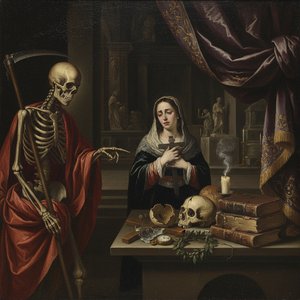
Juan de Valdés Leal: Baroque Realism, Memento Mori & Theatricality of Spanish Grief
Explore the powerful Baroque realism of Juan de Valdés Leal (1622-1690). Discover his somber masterpieces, iconic 'In Ictu Oculi', and profound explorations of mortality. Museum-quality reproductions available at OriginalUniqueArt.

Francisco Goya: 25 Remek-dela Španskog Majstora za Vaš Dom | OriginalUniqueArt
Istražite 25 remek-dela Francisca Goya, španskog slikara romantizma i impresionizma. Portreti, tamne slike & istorija umetnosti na OriginalUniqueArt.com! Kupite reprodukcije slika vrhunskog kvaliteta za dekoraciju enterijera. Otkrijte celu kolekciju online.

The Dramatic Flourish: Exploring the Baroque Movement's Enduring Legacy in Art History
Explore the dramatic world of Baroque art! Discover iconic artists like Caravaggio & Rubens, defining techniques, and its lasting impact on art history. Expert insights for collectors & enthusiasts at OriginalUniqueArt.