Meni

() ·

A painting made for you, by hand

Still Life

Ručno rađena uljana reprodukcija

Ručno oslikano uljanim bojama na platnu u dimenzijama i okviru po vašem izboru, izrađeno po porudžbini od strane naših umetnika. ( Pređi na štampu Pređi na digitalnu sliku)

Opis predmeta

Explore Juan de Arellano’s exquisite floral still life, capturing the Baroque era's serene beauty and masterful chiaroscuro technique—a captivating glimpse into 17th-century Spanish art; discover or acquire this timeless masterpiece.

Biografija umetnika

Otkrijte Juana de Arellana (1614-1676), španskog baroknog slikara poznatog po izvrsnim cvetnim nativistima pod uticajem flamanskih majstora. Istražite njegove vibrantne bukete i botaničku umetnost u muzejima širom sveta.

from ·

Chapter 1

How large should it be?

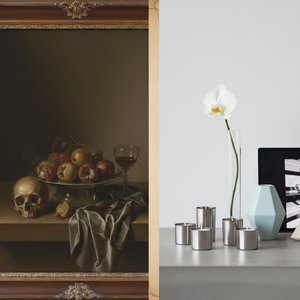
Slide to change the size; the picture on the left shows the frame at its real width. The proportions of the original are kept.

Standardne dimenzije
po meri
CM
INCH

Izaberite jednu od naših unapred definisanih veličina koje odgovaraju originalnim proporcijama umetničkog dela.

širina
visina

Unesite potrebnu širinu i visinu kako bi se slika uklopila u vaš ram ili zid. Pošto je ovo ručno oslikano delo, umetnik može za dimenzije drugačijeg oblika naslikati malo više prostora oko slike ili malo skratiti ivice — izbor je na vama. Pre početka rada, poslaćemo vam digitalni prikaz radi potvrde. Slika prikazana na ovoj stranici ne predstavlja konačan rezultat — samo digitalni prikaz pokazuje stvarnu sliku.

Chapter 2

How should it arrive?

Choose the edges of the stretched canvas

Choose your frame

Corner sample of the WhiteWrap canvas edge finish, stretched on masivno drvo bars
White дин1
Corner sample of the BlurSideWrap canvas edge finish, stretched on masivno drvo bars
Blurside дин1
Corner sample of the ExtendedWrap canvas edge finish, stretched on masivno drvo bars
Extended дин1
Corner sample of the P118B picture frame: oblikovani polistiren, 5 cm wide and 3 cm thick
P118B дин10
Corner sample of the P118H picture frame: oblikovani polistiren, 5 cm wide and 3 cm thick
P118H дин10
Corner sample of the P118W picture frame: oblikovani polistiren, 5 cm wide and 3 cm thick
P118W дин10
Corner sample of the P438Z picture frame: oblikovani polistiren, 5.5 cm wide and 3.5 cm thick
P438Z дин10
Corner sample of the P508JH picture frame: oblikovani polistiren, 7 cm wide and 3.5 cm thick
P508JH дин12
Corner sample of the P508YH picture frame: oblikovani polistiren, 7 cm wide and 3.5 cm thick
P508YH дин12
Corner sample of the P805H picture frame: oblikovani polistiren, 5 cm wide and 3.5 cm thick
P805H дин10
Corner sample of the P805Z picture frame: oblikovani polistiren, 5 cm wide and 3.5 cm thick
P805Z дин10
Corner sample of the P919BZ picture frame: oblikovani polistiren, 7 cm wide and 3.5 cm thick
P919BZ дин10
Corner sample of the P919G picture frame: oblikovani polistiren, 7 cm wide and 3.5 cm thick
P919G дин10
Corner sample of the P919XJ picture frame: oblikovani polistiren, 7 cm wide and 3.5 cm thick
P919XJ дин10
Corner sample of the P959ZH picture frame: oblikovani polistiren, 5 cm wide and 3 cm thick
P959ZH дин10
Corner sample of the P968JZ picture frame: oblikovani polistiren, 6 cm wide and 4 cm thick
P968JZ дин12
Corner sample of the W106C picture frame: masivno drvo, 5 cm wide and 3 cm thick
W106C дин8
Corner sample of the W218G picture frame: masivno drvo, 5 cm wide and 3 cm thick
W218G дин10
Corner sample of the W218JH picture frame: masivno drvo, 5 cm wide and 3 cm thick
W218JH дин8
Corner sample of the W218Y picture frame: masivno drvo, 5 cm wide and 3 cm thick
W218Y дин10
Corner sample of the W307PJ picture frame: masivno drvo, 6 cm wide and 3 cm thick
W307PJ дин10
Corner sample of the W316G picture frame: masivno drvo, 6 cm wide and 3 cm thick
W316G дин10
Corner sample of the W316PJ picture frame: masivno drvo, 6 cm wide and 3 cm thick
W316PJ дин8
Corner sample of the W316Y picture frame: masivno drvo, 6 cm wide and 3 cm thick
W316Y дин10
Corner sample of the W398PJ picture frame: masivno drvo, 5 cm wide and 3 cm thick
W398PJ дин8
Corner sample of the W4111J picture frame: masivno drvo, 6.5 cm wide and 3.5 cm thick
W4111J дин10
Corner sample of the W500HY picture frame: masivno drvo, 7 cm wide and 5 cm thick
W500HY дин15
Corner sample of the W500JH picture frame: masivno drvo, 7 cm wide and 5 cm thick
W500JH дин15
Corner sample of the W692G picture frame: masivno drvo, 8 cm wide and 4 cm thick
W692G дин12
Corner sample of the W849H picture frame: masivno drvo, 5 cm wide and 3 cm thick
W849H дин8
Corner sample of the W940BG picture frame: masivno drvo, 7.5 cm wide and 4.5 cm thick
W940BG дин15
Corner sample of the W953PJ picture frame: masivno drvo, 6 cm wide and 3.5 cm thick
W953PJ дин8
Corner sample of the H24-GOLD picture frame: rezbarano drvo sa gessoom, 10 cm wide and 6 cm thick
H24-GOLD дин30
Corner sample of the H24-SILVER picture frame: rezbarano drvo sa gessoom, 10 cm wide and 6 cm thick
H24-SILVER дин30
Corner sample of the H36-GOLD picture frame: rezbarano drvo sa gessoom, 15 cm wide and 6.5 cm thick
H36-GOLD дин45
Corner sample of the H36-SILVER picture frame: rezbarano drvo sa gessoom, 15 cm wide and 6.5 cm thick
H36-SILVER дин45

Moulding: . Overall size with the frame: .

Chapter 3

Who paints it, and should anything change?

Examples of what can be changed: Replace face with customer photo; Add pet (e.g., replace cat with dog); Include hidden message in background; Change background landscape or elements.
After order, OriginalUniqueArt.com team will email client for instructions and provide a mockup preview

Svetska isporuka () za 3/4 nedelje umesto uobičajenih 5 nedelja. (30 октобар). Bez kompromisa po pitanju kvaliteta.

Chapter 4

The finishing touches

A nameplate, as in a museum?

Detalji gravirane bronze ploče

This elegant plaque features the artist's name and the title of the artwork, finely engraved for a timeless presentation.

It is made from bronze with a refined, elegant finish. The text is precisely laser-engraved for a sharp and permanent result. Measuring 9x2 cm, the plaque is compact yet easy to read. It's built to be durable and scratch-resistant, offering a professional, museum-quality look. Mounting is simple thanks to the included adhesive backing.

Detalji prozirne akrilne pločice

The plaque includes essential engraved details such as the artist's name, the title of the artwork, the date it was created, the type of media used-like oil on canvas or watercolor-a brief description of the piece, and a QR code that links to the complete artwork information.

It is crafted from clear acrylic, offering a sleek, modern appearance. The text is UV-engraved in black to ensure strong visual contrast. With a size of 10x15 cm, it ensures optimal readability. It comes equipped with two metal hooks for secure wall mounting. The plaque is designed to be weather-resistant, making it suitable for various environments, and it includes interactive features that work seamlessly with smartphone scanning.

Detalji crne akrilne pločice

This elegant plaque includes engraved information such as the artist's name, the title of the artwork, the date it was created, the type of media used (like oil on canvas or watercolor), a short description of the artwork, and a QR code for quick access to more information.

The plaque itself is made from refined black acrylic with a premium finish. The text is laser-engraved in white for high contrast and readability. Its size is 10x15 cm, designed to be easy to read. It comes with two metal hooks for professional mounting. The design is sleek and fits any interior style. It is also weather-resistant and durable, with built-in digital integration for mobile compatibility.

A protective varnish?

When do you need it?

Chapter 5

Your painting, as you ordered it

Still Life

Tehnika reprodukcije

Dimenzije reprodukcije

-

Vrhunski maestri umetnosti

Više detalja, prefinjenosti i dodatnog vremena za izradu

-

Okvir za reprodukciju

-

-

Za umetnička dela ili reprodukcije čija je bilo koja strana veća od 105 cm (približno 41 inč), okvir će biti isporučen u obliku rastavljenog seta za sklapanje. Ovaj metod osigurava bezbednu dostavu i sprečava oštećenja tokom transporta.

Potrebna je profesionalna montaža – ovo nije proizvod namenjen samostalnoj izradi.
Set mora sastaviti i platno zategnuti iskusni profesionalni ramitelj, koristeći drveni lepak (nije uključen u set), hvataljku za zatezanje platna i stege kako bi se održao prav ugao okvira dok se lepak suši. Nepravilno sklapanje ili neravnomerno zategnuto platno mogu trajno oštetiti umetničko delo, što nije pokriveno našom garancijom.

  • Sve šipke od masivnog drveta su uključene, precizno isečene po veličini.

  • Montira se pomoću priloženih šrafova, uz dodatno korišćenje lepka za drvo za spojeve u uglovima, koji nije uključen u set i koji vaš čuvar okvira mora obezbediti.

  • Potreban je profesionalni alat koji nije uključen u set: klešta za zatezanje platna (zatezač) i stege za održavanje pravih uglova letvica tokom sušenja lepka.

Važno:
Za spojeve u uglovima neophodan je lepak za drvo, šipke se moraju pričvrstiti stezgama dok lepak potpuno ne osuši, a za zatezanje platna na sklopljenom ramu potrebne su hvataljke za zatezanje platna. Nijedan od ovih alata nije uključen u komplet. Pre naručivanja ove veličine, molimo Vas da unapred obezbedite iskusnog profesionalca za ramačenje.

Kratki opis natpisa

-

-

Zaštitni lak

Sjajni lak (pojačava intenzitet boja, štiti od svetlosti i vlage)

-

Personalizujte svoje umetničko delo

Primeri mogućnosti izmene: Zamena lica fotografijom kupca; Dodavanje ljubimca (npr. zamena mačke psom); Uključivanje skrivene poruke u pozadini; Promena pejzaža ili elemenata pozadine.

-

Hitna dostava

Svetska isporuka () za 3/4 nedelje umesto uobičajenih 5 nedelja. (30 октобар). Bez kompromisa po pitanju kvaliteta.

-

Brza dostava

Dostava širom sveta () u roku od 5 nedelja. (6 новембар).

Uključeno u cenu

Ukupna cena

дин 31059

Ukupna cena дин 31059

Opcija sa staklom dostupna je samo za dimenzije manje od 110 cm

Included with every order

  • Besplatna ekspresna dostava širom sveta
  • Visokokvalitetno laneno platno
  • Potpuno osiguranje transporta
  • Garancija povraćaja carine i uvoznih dažbina
  • Garancija vernosti boja
  • Politika povraćaja u roku od 100 dana (samo u slučaju nedostataka)
  • Garancija povrata 100% novca
  • Popust na više proizvoda

Juan de Arellano: A Master of Floral Still Life

Juan de Arellano (1614 – 1676) stands as a singular figure in the Baroque art landscape of Spain, celebrated primarily for his breathtaking floral still life paintings. Born in Santorcaz, near Madrid—a city that would become synonymous with his artistic legacy—Arellano’s life unfolded amidst the opulent patronage of Philip III and witnessed the burgeoning influence of Flemish and Italian artistic traditions. While biographical details remain somewhat sparse, he emerged as a student under Juan de Solís, whose landscapes offered a contrasting aesthetic to Arellano's focused dedication to botanical representation. His work embodies the spirit of the era—a fascination with observation, meticulous detail, and an attempt to capture not merely what is seen but also what is felt.
  • Style: Arellano’s style firmly rooted itself within the Baroque tradition, inheriting its dramatic chiaroscuro techniques and embracing a humanist sensibility that prioritized natural beauty and contemplation. However, unlike many of his contemporaries who sought grandeur and spectacle, he opted for a quieter, more intimate portrayal of nature—a deliberate choice reflecting the prevailing taste for decorative art during Philip III’s reign.
  • Technique: Arellano excelled in oil painting on linen, utilizing layering and glazing methods to achieve remarkable luminosity and depth. He painstakingly rendered individual petals, stems, and leaves with astonishing accuracy, capturing subtle variations in color and texture—a testament to his mastery of observation and artistic skill. The artist’s meticulous approach ensured that each flower seemed to pulsate with life on the canvas.

The Influence of Flemish Masters

Like many artists of his era, Arellano absorbed the stylistic precepts of Flemish masters such as Daniel Seghers and Mario Nuzzi. These influences instilled in him a meticulous attention to detail and a masterful command of chiaroscuro—the dramatic interplay of light and shadow—techniques characteristic of Northern Baroque painting. Seghers’ landscapes taught Arellano how to convey atmosphere and perspective, while Nuzzi's flower paintings demonstrated the importance of capturing delicate nuances of color and form. This synthesis of artistic influences resulted in a distinctive visual language that distinguishes Arellano’s oeuvre from other Spanish painters of his time.

Symbolism and Emotional Resonance

Beyond mere aesthetic beauty, Arellano's floral still lifes carried profound symbolic meaning—a hallmark of Baroque art. Flowers were frequently employed to convey concepts of mortality, remembrance, and spiritual contemplation, reflecting the anxieties of a society grappling with religious dogma and facing imminent death. The artist’s careful composition—often featuring birds perched atop vases or flowers—reinforced these themes, inviting viewers to engage in introspection and consider the ephemeral nature of existence. His paintings evoke a sense of serenity and melancholy, capturing the fleeting beauty of the natural world while simultaneously prompting reflection on human mortality.

Notable Works

Among Arellano’s most celebrated pieces are “Bouquet of Flowers” (c.1660), currently housed in the Museo del Prado, Madrid—a masterful depiction of roses and lilies bathed in soft light—and “Garland of Flowers, Birds and Butterfly,” displayed at The Louvre. He also executed commissions for the sacristy of San Jerónimo el Real, showcasing his versatility as an artist. Furthermore, reproductions of his paintings can be found in museums across Europe, including Bilbao Fine Arts Museum and The Royal Academy of Fine Arts of San Fernando. Examining these artworks offers a glimpse into the artistic sensibilities of a pivotal moment in Spanish Baroque history.

Pitanja i odgovori

Koji umetnički pravac pripada delu "Still Life"?

„Still Life”, autor Huan De Arellano pripada pravcu Cubist Still Life. Ovaj pravac pruža stilski kontekst dela.

Da li je zakonski dozvoljeno reprodukovati delo „Still Life”, autor Huan De Arellano koje se nalazi u muzeju Hill-Stead Museum?

Status autorskih prava za delo „Still Life”, autor Huan De Arellano je jasan: rad pripada u javnom vlasništvu – autorska prava su istekla. Njegovo prisustvo u muzeju Hill-Stead Museum ne menja taj status.

Mogu li da koristim proširenu stvarnost kako bih video/la „Still Life”, autor Huan De Arellano u svojoj prostoriji?

Delo „Still Life”, autor Huan De Arellano možete isprobati na svom zidu putem stranice AR prikaz, koristeći proširenu stvarnost na kompatibilnom uređaju.

More about this painting

Pregledaj u prostoru AR pregled Pređi na štampu Pređi na digitalnu sliku Pošalji
Detalji o delu Vodič Dodaj u omiljene Preuzmi Slični predmeti Rendgenski snimak Automatska prezentacija Q&A Statistika

In numbers

  • 1600the year it was painted
  • 29frames to choose from
  • standard sizes, in its own proportions
  • 5weeks to paint and deliver it
Huan De Arellano

Huan De Arellano

1614 - 1676, Španija

Quick facts about Huan De Arellano

  • Artistic Movement Or Style: Barok
  • Artists Or Movements Influenced By This Artist: ['Daniel Seghers']
  • Artists Who Influenced This Artist: ['Juan de Solís']
  • Date Of Birth: 1614
  • Date Of Death: 1676
  • Full Name: Juan de Arellano
  • Nationality: Španski
  • Notable Artworks:
    • Buket cveća
    • Venac od cveća
  • Place Of Birth: Santorcaz, Španija

Biografija umetnika

Majstor botaničkog sjaja

U zlatnom dobu španskog baroka, malo je umetnika uspelo da uhvati prolaznu gracioznost prirode sa toliko preciznosti i strasti kao Juan de Arellano. Rođen 1614. godine u Santorcašu, blizu živog srca Madrida, Arellano se istakao kao jedinstvena sila u veku koji su često definisali dramatični religiozni zanos i sumorni realizam. Dok su se njegovi savremenici često okretali grandioznim istorijskim narativima ili intenzivnim prikazima mučeništva, Arellano je svoj poziv pronašao u nežnom, tihom jeziku latica i stabljika. Njegov život i rad predstavljaju majstorski spoj španske senzibilnosti i bujnih, ornamentalnih tradicija koje su doprinela flamanski i italijanski pravci, stvarajući nasleđe koje ostaje temelj slikarstva mrtve prirode sedamnaestog veka.

Temelji Arellanove umetničke veštine postavljeni su pod vođstvom Juana de Solisa, slikara čija je stručnost u pejzažu pružila strukturnu pozadinu umetnikovom rastućem interesovanju za botaničke detalje. Ipak, upravo su širi evropski umetnički tokovi istinski oblikovali njegovu viziju. Upijajući pedantnu, gotovo naučnu preciznost flamanskih majstora poput Daniela Seghersa i dramatične, svetlošću ispunjene kompozicije italijanskih slikara kao što je Mario Nuzzi, Arellano je razvio jedinstven stilski rečnik. Savladao je umetnost chiaroscuro tehnike, koristeći duboku igru između bogatih, baršunastih senki i blistavih, luminosnih svetlosti kako bi oživnuo svaku ružu, tulipan i ljiljan koje je prikazivao.

Vizija preciznosti i pragmatizma

U priči o Arellanovoj karijeri postoji fascinantna dualnost—spoj umetničke posvećenosti i oštrog profesionalnog intelekta. Istorijski zapisi sugerišu da je umetnik svesno odlučio da se specijalizuje isključivo za cvetne mrtve prirode. To nije bila samo estetska preferencija, već i pragmatična odluka; fokusiranjem na ovaj specifiću žanr, mogao je efikasnije da se kreće na tadašnjem rastućem tržištu umetnosti, nudeći visoko tražene botaničke studije koje su bile profitabilne, a manje fizički zahtevne od monumentalnih platna neophodnih za oltare. Ovaj fokus mu je omogućio da postigne nezapamljiv nivo tehničkog majstorstva, pretvarajući svako platno u prozor hiperrealističke lepote.

Njegove kompozicije su mnogo više od običnog rasporeda flora; one su pažljivo orkestrirane drame boja i formi. U njegovim rukama, buket postaje složena naracija teksture i svetlosti. Posedovao je izvanrednu sposobnost da uhvati prolazne trenutke vrhunca cvata—blago uvijenu truleću laticu, rosu na listu ili prozirnost latice uhvaćene u zraku sunca. Kroz njegove poteze četkicom, posmatjač se poziva u carstvo spokojnog kontempliranja, gde je prolazna lepota prirodnog sveta zamrznuta u večnoj, vibrantnoj savršenosti.

Nasleđe i umetnički značaj

Istorijski značaj Juana de Arellana leži u njegovoj sposobnosti da uzdigne mrtvu prirodu iz sekundarnog žanra u duboko sredstvo umetničkog izražavanja. Njegov rad služi kao vitalna karika između teških, simboličkih tradicija ranog baroka i dekorativnije, svetlošću ispunjene estetike koja je usledila. Kroz njegove slike vidimo uticaj međunarodnih stilova koji se harmonizuju sa distinktivnom španskom elegancijom, stvarajući korpus dela koji prevazilazi granice.

Danas se uticaj Arellanovog dela može osetiti u prestižnim salama muzeja širom sveta, gde njegovi kultni buketi i dalje očaravaju publiku. Njegov doprinos svetu umetnosti obuhvata:

  • Tehničku inovaciju: Sofisticiranu primenu svetlosti i senke u stvaranju trodimenzionalnog botaničkog realizma.
  • Uzvišenje žanra: Transformaciju cvetne mrtve prirode u prestižnu temu sposobnu za duboku emocionalnu i simboličku težinu.
  • Kulturnu sintezu: Uspešno spajanje flamanskog detalja sa italijanskom dramom i španskim šarmom, stvarajući jedinstvenu evropsku estetiku.

Dok posmatramo njegova remek-dela, poput slavnog Bouquet of Flowers, podsećamo se da prava umetnost leži u sposobnosti pronalaženja beskrajnog u beskrajno malom, i pronalaženja večne lepote u najnežnijim od prolaznih stvari.

Osnovne informacije

  • Artistic style: Floral Still Life
  • Subject or theme: Botanical Representation
  • Artist: Juan de Arellano
  • Movement: Baroque
  • Medium: Oil on canvas

Kviz o umetnosti

Svako pitanje ima samo jedan tačan odgovor.

Pitanje 1:
What is the primary subject matter of Juan de Arellano’s painting "Still Life"?
Pitanje 2:
Who influenced Juan de Arellano's artistic style, particularly regarding his use of chiaroscuro?
Pitanje 3:
According to the description, why did Juan de Arellano choose to focus exclusively on floral paintings?
Pitanje 4:
What type of artistic technique is prominently featured in the painting's composition?
Pitanje 5:
The image description highlights several elements within the still life scene. Which of these contributes to the overall atmosphere of vibrancy and color?