
 Pregledaj u prostoru
 Pošalji
 Podeli
 Detalji o delu
 Vodič
Vodič

 Preuzmi
 Slični predmeti
 Rendgenski snimak
 Automatska prezentacija
 Pitanja i odgovori
 Statistika
Vesuvius from Posillipo

- 63.0 x 83.0 cm


 Pročitaj više
Giclee štampa / Umetnički otisak
Giclée štampa ili print na platnu muzejskog kvaliteta uz brzu izradu i raznovrsne opcije završne obrade. ( Kupite ručno oslikano delo Pređi na digitalnu sliku)




P118B дин10

P118H дин10

P118W дин10

P438Z дин10

P508JH дин12

P508YH дин12

P805H дин10

P805Z дин10

P919BZ дин10

P919G дин10

P919XJ дин10

P959ZH дин10

P968JZ дин12

W106C дин8

W218G дин10

W218JH дин8

W218Y дин10

W307PJ дин10

W316G дин10

W316PJ дин8

W316Y дин10

W398PJ дин8

W4111J дин10

W500HY дин15

W500JH дин15

W692G дин12

W849H дин8

W940BG дин15

W953PJ дин8




Izaberite jednu od naših unapred definisanih veličina koje odgovaraju originalnim proporcijama umetničkog dela.

Unesite željenu širinu i visinu kako bi se štampa uklopila u vaš ram ili zid. Štampu je moguće samo iseći, ali nikada povećati iznad dimenzija originalne slike, stoga format sa drugačijim proporcijama uzrokuje gubitak dela slike. Pre početka štampe, poslaćemo vam digitalni prikaz radi potvrde. Slika prikazana na ovoj stranici ne predstavlja stvarni isrez — to pokazuje samo digitalni prikaz.
Dostava širom sveta () za 2 nedelje umesto uobičajenih 4/5 nedelja. (4 новембар)

Besplatna ekspresna dostava širom sveta

Visokokvalitetno laneno platno

Potpuno osiguranje transporta

Garancija povraćaja carine i uvoznih dažbina

Garancija vernosti boja

Politika povraćaja u roku od 100 dana (samo u slučaju nedostataka)

Garancija povrata 100% novca

Popust na više proizvoda
 Opcija sa staklom dostupna je samo za dimenzije manje od 110 cm

Vesuvius from Posillipo
Giclee štampa / Umetnički otisak
Dimenzije reprodukcije
-


Ukupna cena
дин 8454
Vesuvius from Posillipo: A Window into Enlightenment’s Dramatic Soul
Joseph Wright of Derby's "Vesuvius from Posillipo," painted in 1788, isn’t merely a landscape; it’s a carefully orchestrated drama of light, shadow, and the sublime. This captivating work transcends simple depiction, offering a profound meditation on nature’s power, human perception, and the burgeoning spirit of scientific inquiry that defined the era. Wright, often dubbed “the painter of light,” masterfully employs his signature technique of *tenebrism* – an intense contrast between illumination and darkness – to draw the viewer into the heart of the scene, creating a palpable sense of awe and even a touch of foreboding.
The painting captures the view from Posillipo, a coastal suburb of Naples, looking out towards Mount Vesuvius. The volcano dominates the background, not as a terrifying monster, but as a majestic, almost ethereal presence. Wright doesn’t depict an eruption—he was fortunate enough to have witnessed only dormant activity during his Italian sojourn – instead, he focuses on the *potential* for destruction and the raw power simmering beneath the surface. The smoke billowing from the crater is rendered in delicate shades of grey and black, subtly hinting at the volatile forces contained within. The sea, a deep, reflective blue, mirrors the sky above, creating an illusionistic depth that pulls the viewer into the scene.
A Masterclass in Chiaroscuro and Scientific Observation
Wright’s skill lies not just in his ability to capture a landscape, but in how he uses light to shape our understanding of it. The foreground is bathed in a soft, diffused glow, suggesting moonlight reflecting off the water – a detail that adds an element of mystery and romance. The volcano itself is partially obscured by shadow, emphasizing its imposing scale and hinting at the darkness within. This careful manipulation of light and dark isn’t arbitrary; it reflects Wright's fascination with optics and his desire to represent the world as he *perceived* it, informed by his growing interest in scientific principles.
Interestingly, analysis of the painting reveals that Wright employed a unique approach to color. The ground is painted using gypsum rather than chalk, a detail that contributes to the overall sense of drama and depth. The use of subtle yellows and oranges within the smoke suggests the presence of sulfur, further grounding the scene in scientific observation. This meticulous attention to detail speaks volumes about Wright’s commitment to capturing not just the appearance of Vesuvius, but also its underlying geological reality.
Symbolism and the Age of Enlightenment
“Vesuvius from Posillipo” is deeply intertwined with the intellectual currents of the late 18th century. Wright's trip to Italy coincided with a renewed interest in classical antiquity and a growing fascination with scientific discovery. The painting can be seen as an allegory for the forces shaping Europe at the time – the potential for both creation and destruction, progress and ruin. The Lunar Society of Birmingham, a group of scientists, philosophers, and industrialists that Wright frequented, were deeply interested in understanding the natural world through observation and experimentation. This painting embodies their spirit of inquiry, prompting viewers to contemplate the relationship between humanity and nature.
Furthermore, the dramatic lighting evokes the theatricality favored by Enlightenment thinkers who sought to illuminate complex ideas through compelling narratives. Wright’s use of chiaroscuro mirrors the philosophical debates of the era, exploring themes of light and darkness, reason and intuition. The painting serves as a visual representation of this intellectual ferment, capturing the excitement and uncertainty of a world undergoing rapid transformation.
A Timeless Vision: Reproduction and Beyond
Reproductions of “Vesuvius from Posillipo” offer a remarkable opportunity to experience Wright’s masterful technique and evocative vision. Whether adorning a grand salon or a more intimate space, this painting continues to captivate viewers with its dramatic intensity and profound symbolism. It's a testament to Wright's ability to transform a natural phenomenon into a powerful meditation on the human condition – a timeless reminder of nature’s beauty, power, and inherent drama.
Pitanja i odgovori
Kojom tehnikom je izrađeno "Vesuvius from Posillipo"?
Џозеф Рајт Од Дербија je koristio/la tehniku Oil On Canvas za delo "Vesuvius from Posillipo". Ova tehnika definiše materijalnu prirodu originalnog dela.
Kojom tehnikom i stilom se odlikuje „Vesuvius from Posillipo”, autor Џозеф Рајт Од Дербија?
„Vesuvius from Posillipo”, autor Џозеф Рајт Од Дербија spaja tehniku Oil On Canvas sa stilom Romanticism. Tehnika i pravac opisuju način izrade i stil dela.
Koja je tehnika i datum nastanka dela „Vesuvius from Posillipo”, autor Џозеф Рајт Од Дербија?
Delo "Vesuvius from Posillipo" nastalo je 1788. godine korišćenjem tehnike Oil On Canvas. Materijal i datum opisuju način i vreme kada je original izrađen.
Biografija umetnika
Svetlost i senka industrijske ere: Život i delo Jozefa Rajta od Derbija
Jozef Rajt, poznat kao “Rajt od Derbija”, bio je mnogo više od slikara; on je bio vizuelni filozof koji je uhvatio ključan trenutak u ljudskoj istoriji. Rođen 1734. godine usred rastućeg industrijskog srca Engleske, Rajt nije samo prikazivao svoje vreme – on ga je *osvetlio*, doslovno i metaforički. Njegova platna nisu bila ispunjena grandioznim istorijskim pričama ili portretima aristokratije; ona su pulsirala energijom naučnih otkrića, dramom prosvetiteljske misli i oštrim lepotama pejzaža nepovratno izmenjenog ljudskom inovacijom. On stoji kao prvi značajan umetnik koji se zaista suočio sa – i proslavio – duhom Industrijske revolucije, ere koja je trebalo da predefiniše civilizaciju samu. Njegov rani život u Derbiju, utkan u praktični svet pravne profesije njegovog oca, pružio mu je temelje koji su možda oblikovali njegovu kasniju fascinaciju preciznošću i posmatranjem. Iako je prvobitno bio predodređen za pravo, mlada Jozefova sklonost umetnosti se pokazala neodoljivom, što ga je sa sedamnaest godina odvelo u London da studira pod Tomasom Hadsonom, istaknutim portretistom tog vremena. Ova formalna obuka postavila je temelje, ali upravo Rajtova urođena radoznalost i nezavisni duh su na kraju kovali njegov jedinstveni umetnički put.Kjaroskuro i duh upita
Rajtova tehnička veština se odmah primećuje u njegovoj dramatičnoj upotrebi kjaroscura, tehnike preuzete od baroknih majstora poput Karavadžoa, ali primenjene sa izrazito modernom osetljivošću. Nije ga zanimalo samo stvaranje vizuelne drame; koristio je svetlost i senku da simbolizuje otkrivanje znanja, borbu između tame i razumevanja. Razmotrite remek-dela kao što su *Eksperiment sa pticom u vazdušnoj pumpi* (1768), gde svećnjikova svetlost baca oštar reljef na lica posmatrača koji svedoče naučnoj demonstraciji – scena koja vrvi i radoznalošću i anksioznošću. Slika nije samo o eksperimentu; to je istraživanje rastućeg znatiželje čovečanstva, njegove voljnosti da ispituje misterije prirode i etičkih implikacija takvih nastojanja. Slično tome, *Filozof predaje o oreriju* (1766) predstavlja očaravajuću scenu gde je otkriven minijaturni solarni sistem, osvetljavajući ne samo lica fascinirane publike, već i prošireni univerzum naučne misli. To nisu bili izolovani incidenti; Rajt je dosledno tražio teme koje su mu omogućile da istraži presek nauke, filozofije i ljudskih emocija. Njegov stil je suptilno bio pod uticajem Aleksandra Kozensa, posebno u njegovim kompozicionim pristupima, ali je ostao neumoljivo nezavisan, kujući vizuelni jezik jedinstven za njega.Iza portreta: pejzaži i romantična osetljivost
Iako se Rajt slavi po svojim “slikama sa svećnjikom”, ograničiti ga na taj jedan aspekt njegovog opusa bio bi ozbiljna nepravda. Bio je takođe talentovan slikar pejzaža, hvatajući grubu lepotu Derbija i šire sa sve većom romantičnom osetljivošću. Dela kao što su *Dovedale pod mesečinom* pokazuju njegovu sposobnost da evocira atmosferu i emocije kroz suptilne gradacije svetlosti i senke, pretvarajući poznate scene u sugestivne vizije. Njegovi pejzaži nisu bili samo topografske reprezentacije; bili su prožeti osećajem divljenja i poštovanja prema prirodnom svetu – sentiment koji je duboko rezonirao sa rastućim romantičkim pokretom. Čak i u ovim naizgled mirnim scenama, međutim, često postoji potcurrenta melanholije ili misterije, nagoveštavajući krhkost prirode i neizbežnost promene. *Ridal vodopad* (1795) primer je te veštine, pokazujući njegovu majstoriju u hvatanju sile i smirenosti unutar jedne kompozicije.Nasleđe iskucano u svetlosti i senci
Rajtov uticaj na britčku umetnost bio je dubok, iako možda nije odmah prepoznat tokom njegovog života. Susreo se sa nekim otporom od strane uspostavljenih umetničkih krugova, odbijajući puno članstvo u Kraljevskoj akademiji nakon što se osećao uvredjenim – svedočeći o njegovom nezavisnom duhu. Međutim, njegov uticaj je prevazilazio formalne institucije. Umetnici poput Vilijama Petera i Džona Daunmana bili su direktno inspirisani njegovim tehnikama, posebno dramatičnom upotrebom svetlosti i senke. Šire gledano, Rajtov rad je utro put novoj generaciji umetnika koji su želeli da uhvate dinamiku i složenost modernog sveta. On nije samo slikao ono što je video; slikao je ono što je *osećao* – uzbuđenje, anksioznost, čuđenje – ere na pragu transformacije. Njegova dela ostaju moćni podsetnici vremena kada se čovečanstvo usudilo da dovede u pitanje sve, istražuje nepoznato i prihvati mogućnosti nove ere. Danas su njegova dela zadržana u velikim muzejima širom sveta, osiguravajući da svetlost Derbija nastavlja da osvetljava naše razumevanje umetnosti, nauke i ljudskog duha.- Značajna dela: *Eksperiment sa pticom u vazdušnoj pumpi*, *Filozof predaje o oreriju*, *Dovedale pod mesečinom*.
- Uticaji: Tomas Hadson, Aleksandar Kozens, barokni majstori poput Karavadžoa.
- Ključne karakteristike: Dramatičan kjaroskuro, istraživanje naučnih tema, romantični pejzaži.

Џозеф Рајт Од Дербија
1734 - 1797 , Уједињено Краљевство
Osnovne informacije
- Artistic Movement Or Style: Kjaroskuro, Romantizam
- Artists Or Movements Influenced By This Artist:
- William Pether
- John Downman
- Artists Who Influenced This Artist:
- Thomas Hudson
- Alexander Cozens
- Date Of Birth: 3. septembar 1734.
- Date Of Death: 29. avgust 1797.
- Full Name: Joseph Wright of Derby
- Nationality: Britanski
- Notable Artworks:
- Eksperiment sa pticom...
- Filozof predaje...
- Dovedejl pod mesečinom
- Place Of Birth: Derbi, Ujedinjeno Kraljevstvo
Povezani članci

Glavna dela koja su definisala Romantični pejzaž: 10 remek-dela za vaš dom
Otkrijte 10 remek-dela romantičnog pejzažnog slikarstva! Uronite u svet Claude Lorraina, Caspara David Friedricha i Turnera. Ispričane priče umetnosti, inspiracija za dekoraciju doma. Kvalitetne reprodukcije na OriginalUniqueArt.com – istražite celu kolekciju online!

Evocations of Place: A Historical Journey Through Landscape Art
Explore the rich history of landscape art with OriginalUniqueArt. Discover renowned artists, movements like Impressionism & Romanticism, and expert guidance for collecting timeless pieces. Find your perfect serene escape today!
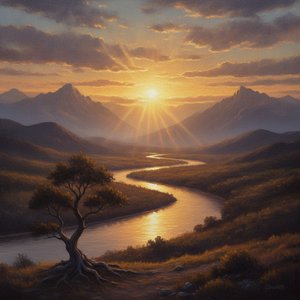
Golden Hour Magic: Capturing the Ethereal Beauty of Sunset Landscapes in Fine Art
Embark on a visual journey through the golden hour. Discover how master painters capture the ethereal glow of sunsets, from Monet's Impressionism to the Hudson River School. Explore timeless techniques and bring the magic of twilight into your home with exquisite fine art reproductions.

Evoking Atmosphere & Identity: A Journey Through Landscape Painting's History
Explore the rich history of landscape painting! Discover renowned artists, movements like Romanticism, & techniques such as atmospheric perspective. Find inspiration and quality reproductions at OriginalUniqueArt.

25 Remek-dela Džona Konstebla: Lepota Engleske na Platnu | OriginalUniqueArt
Uronite u svet Džona Konstebla! Otkrijte 25 remek-dela engleskog pejzaža, romantizma i seoske idile. Kupite reprodukcije slika vrhunskog kvaliteta za dekoraciju enterijera na OriginalUniqueArt.com.
