
 Pregledaj u prostoru
 Pošalji
 Podeli
 Detalji o delu
 Vodič
Vodič

 Preuzmi
 Slični predmeti
 Rendgenski snimak
 Automatska prezentacija
 Q&A
Q&A Statistika
Ludwig van Beethoven

- 62.0 x 47.0 cm


 Pročitaj više
Giclee štampa / Umetnički otisak
Giclée štampa ili print na platnu muzejskog kvaliteta uz brzu izradu i raznovrsne opcije završne obrade. ( Kupite ručno oslikano delo Pređi na digitalnu sliku)




P118B дин10

P118H дин10

P118W дин10

P438Z дин10

P508JH дин12

P508YH дин12

P805H дин10

P805Z дин10

P919BZ дин10

P919G дин10

P919XJ дин10

P959ZH дин10

P968JZ дин12

W106C дин8

W218G дин10

W218JH дин8

W218Y дин10

W307PJ дин10

W316G дин10

W316PJ дин8

W316Y дин10

W398PJ дин8

W4111J дин10

W500HY дин15

W500JH дин15

W692G дин12

W849H дин8

W940BG дин15

W953PJ дин8




Izaberite jednu od naših unapred definisanih veličina koje odgovaraju originalnim proporcijama umetničkog dela.

Unesite željenu širinu i visinu kako bi se štampa uklopila u vaš ram ili zid. Štampu je moguće samo iseći, ali nikada povećati iznad dimenzija originalne slike, stoga format sa drugačijim proporcijama uzrokuje gubitak dela slike. Pre početka štampe, poslaćemo vam digitalni prikaz radi potvrde. Slika prikazana na ovoj stranici ne predstavlja stvarni isrez — to pokazuje samo digitalni prikaz.
Dostava širom sveta () za 2 nedelje umesto uobičajenih 4/5 nedelja. (1 новембар)

Besplatna ekspresna dostava širom sveta

Visokokvalitetno laneno platno

Potpuno osiguranje transporta

Garancija povraćaja carine i uvoznih dažbina

Garancija vernosti boja

Politika povraćaja u roku od 100 dana (samo u slučaju nedostataka)

Garancija povrata 100% novca

Popust na više proizvoda
 Opcija sa staklom dostupna je samo za dimenzije manje od 110 cm

Ludwig van Beethoven
Giclee štampa / Umetnički otisak
Dimenzije reprodukcije
-


Ukupna cena
дин 8334
A Portrait of Earnest Intensity: Joseph Mähler's Beethoven
Joseph Willibrord Mähler’s 1815 portrait of Ludwig van Beethoven is more than simply a likeness; it’s a profound distillation of the composer’s inner life, rendered with a remarkable sensitivity to both his physical presence and the palpable weight of his genius. Measuring a substantial 62 x 47 cm, this oil-on-canvas work, now residing at the Beethoven-Haus in Bonn, Germany, offers an intimate glimpse into the world of one of music’s most iconic figures during a pivotal period of his life.
- The Subject: The painting depicts Beethoven as he appeared around 1815, a time marked by increasing deafness and a growing sense of isolation. His formal attire – a black suit accented by a crisp white shirt and tie – speaks to the societal expectations of the era, yet his bearing is one of quiet intensity.
- Mähler’s Technique: Mähler was a skilled portraitist influenced by the Neoclassical style, evident in the carefully constructed composition and the precise rendering of Beethoven's features. The artist masterfully employs light and shadow to sculpt Beethoven’s face, emphasizing his furrowed brow and the unwavering gaze directed squarely at the viewer. This direct engagement creates an immediate connection, inviting us to contemplate the complexities within.
A Window into a Troubled Genius
The portrait emerges from a fascinating historical context. 1815 was a year of immense upheaval in Europe, following the defeat of Napoleon and the subsequent reshaping of political boundaries. Beethoven, deeply affected by these events and increasingly reliant on his music as a means of expression, embodies the spirit of this turbulent time. The artist’s choice to capture Beethoven's direct gaze is particularly significant; it suggests a man grappling with profound questions about humanity, art, and his own place in the world.
- Symbolism of Appearance: While outwardly conforming to societal norms through his attire, Beethoven’s appearance subtly hints at his internal struggles. The severity of his expression, coupled with the meticulously rendered beard and mustache – hallmarks of his later years – speaks volumes about the challenges he faced.
The Legacy of Rembrandt Peale and Neoclassical Portraiture
It's crucial to acknowledge the influence of Rembrandt Peale, a contemporary artist whose career profoundly shaped the landscape of American portraiture. Peale’s emphasis on capturing not just physical likeness but also character and dignity resonated with Mähler, contributing to the overall impact of this portrait. The Neoclassical style, championed by artists like Jacques-Louis David, favored clarity, order, and a return to classical ideals – principles evident in Mähler's meticulous brushwork and balanced composition.
- Historical Context: Mähler’s work reflects the broader artistic trends of the early 19th century, where portraiture served as both a commemoration of prominent figures and a reflection of prevailing social and intellectual currents.
Emotional Resonance and Artistic Value
This reproduction offers more than just an image; it provides a tangible connection to one of history’s most celebrated composers. The painting's enduring appeal lies in its ability to capture the essence of Beethoven – his brilliance, his struggles, and his unwavering dedication to his art. A hand-painted reproduction allows you to bring this powerful portrait into your own space, fostering contemplation and appreciation for a musical giant whose legacy continues to inspire.
Pitanja i odgovori
Koji emocionalni ton prati stil Romantic Portraiture u delu "Ludwig van Beethoven"?
U okviru pokreta Romantic Portraiture, delo "Ludwig van Beethoven" je prikazano sa Reflective tonom.
Kojoj tonaciji teži "Ludwig van Beethoven"?
Ochre to Sepia nijansa prožima delo „Ludwig van Beethoven”, autor Josif Vilibrad Meler.
Koliko ljudi posmatra "Ludwig van Beethoven"?
Stranica Statistika za delo „Ludwig van Beethoven”, autor Josif Vilibrad Meler prikazuje statistiku javnih poseta: mesečni broj poseta ovom umetničkom delu, poređenje sa najgledanijim radovima ovog umetnika i poreklom posetilaca.
Povezani članci

The Enduring Legacy of Oil on Canvas: Technique, History & Aesthetic Impact
Explore the rich history & techniques of oil painting – from Renaissance masters to Impressionism. Discover pigments, layering methods, and why this timeless medium endures. Expert insights for artists & art enthusiasts.

Giclée Prints: Archival Quality & Aesthetic Nuances for the Discerning Collector
Explore the world of giclée prints with OriginalUniqueArt. Learn about archival quality, aesthetic nuances & investment potential. Expert guidance for discerning art collectors seeking museum-quality reproductions and lasting value.
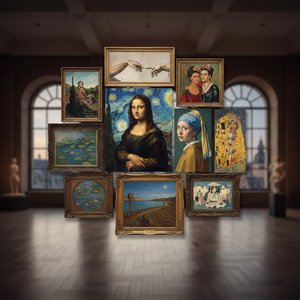
Oil on Canvas Masters: 10 Paintings That Redefined Art History |
Journey through art history with our guide to 10 legendary oil on canvas masterpieces! Explore iconic works by Van Gogh, Monet & Rembrandt. Find museum-quality reproductions and elevate your home decor at . Discover all masterpieces online.

Trajnu Ostavština Uljanih Boja na Platnu: Tehnika, Istorija i Savremena Praksa
Istražite bogatu istoriju i savremene tehnike uljanog slikarstva. Saveti stručnjaka, analiza radova velikih majstora i vodiči za biranje kvalitetnih materijala. Otkrijte tajne očuvanja umetničkih dela!

Oil on Canvas: A Historical & Technical Exploration of a Timeless Artistic Medium
Explore the rich history & enduring techniques of oil painting on canvas. Discover the science behind its longevity, conservation practices, and contemporary relevance. Expert insights for art enthusiasts.