

 Pregledaj u prostoru
 Podeli
 Podeli
 Detalji
 Vodič
Vodič

 Preuzmi sliku
 Slični predmeti
 Rendgenski snimak
 Automatska prezentacija
 Statistika
Subiaco
 Realism
 1786
1786 17.0 x 25.0 cm
 Metropolitan Museum of Art
 Pročitaj više
Giclee štampa / Umetnički otisak
Giclée štampa ili print na platnu muzejskog kvaliteta uz brzu izradu i raznovrsne opcije završne obrade. ( Naručite ručno oslikano reprodukciju Pređi na prodaju digitalnih slika)




































Izaberite jednu od naših unapred definisanih veličina koje odgovaraju originalnim proporcijama umetničkog dela.

Unesite širinu i visinu koja vam je potrebna, kako bi se uklopili u vaš ram ili na vaš zid. Štampa se može samo iseći, nikada ne može biti veća od originalne slike, stoga format sa drugačijim proporcijama gubi deo slike. Poslaćemo vam digitalni prikaz radi potvrde pre nego što započnemo štampu. Slika prikazana na ovoj stranici ne pokazuje stvarni rez — to pokazuje samo digitalni prikaz.
Dostava širom sveta () za 2 nedelje umesto uobičajenih 4/5 nedelja. (22 октобар)

Besplatna ekspresna dostava širom sveta

Visokokvalitetno laneno platno

Sveobuhvatno osiguranje transporta

Garancija povraćaja carine i uvoznih dažbina

Garancija vernosti boja i autentičnosti pri reprodukciji

Politika povraćaja u roku od 100 dana (samo u slučaju nedostataka)

Garancija povrata 100% novca

Popust pri većoj količini
 Opcija sa staklom dostupna je samo za dimenzije manje od 110 cm

Subiaco
Giclee štampa / Umetnički otisak
Veličina reprodukcije
-


Ukupna cena
дин 8227
Pitanja i odgovori
Mogu li da vidim „Subiaco”, Joseph Pierre Xavier Bidauld na svom zidu pre kupovine?
Delo "Subiaco" ima pregled proširene stvarnosti: stranica AR pregled prikazuje umetničko delo u vašem sopstvenom prostoru pomoću kompatibilnog uređaja.
Kako mogu da preuzmem sliku dela „Subiaco”, Joseph Pierre Xavier Bidauld?
Preuzimanje je dostupno za "Subiaco": stranica Preuzimanje ovog umetničkog dela nudi preuzimanje digitalne slike visoke rezolucije.
Koja boja najviše dolazi do izražaja u delu "Subiaco"?
Rosy Brown (#ada798) je dominantna boja dela „Subiaco”, Joseph Pierre Xavier Bidauld.
Biografija umetnika
Jean-Joseph-Xavier Bidauld: The Quiet Landscape Painter
Jean-Joseph-Xavier Bidauld (10 April 1758 – 20 October 1846) was a French painter whose career unfolded largely outside the spotlight of Parisian artistic circles, yet yielded remarkable landscapes imbued with an understated beauty and profound sensitivity to Italianate traditions. Born in Carpentras, Provence, Bidauld’s formative years were spent honing his craft alongside his brother, Jean-Pierre Xavier, in Lyon—a city renowned for its textile industry and burgeoning artistic patronage. This early exposure instilled a disciplined approach to painting that would characterize his entire oeuvre.- Early Training & Travels: Bidauld’s formal training began with Jean-Pierre Xavier, who recognized his talent and encouraged him to pursue studies in Lyon. Recognizing the importance of broadening artistic horizons, he embarked on a significant journey to Paris in 1783, where he secured commissions from Dulac, a prominent perfume merchant and art dealer who became instrumental in supporting his subsequent explorations into Italian landscape painting.
- The Florentine Influence: Dulac’s generosity enabled Bidauld to spend five years immersed in the artistic fervor of Florence—a pivotal period that cemented his stylistic preferences. The Tuscan countryside, with its rolling hills and cypress trees, captivated him, profoundly shaping his vision of ideal beauty. He meticulously studied the techniques pioneered by artists like Canaletto and Claude Lorrain, mastering atmospheric perspective and capturing fleeting moments of light and shadow.
- Salon Recognition & Artistic Development: Returning to Paris in 1790, Bidauld swiftly gained acceptance into the Salon—the official art exhibition of the Académie des Beaux-Arts—establishing himself as a respected figure within the Parisian artistic landscape. His participation continued consistently throughout his life, allowing him to refine his style and garner critical acclaim.
- Notable Works & Patronage: Among Bidauld’s most celebrated paintings is “View of the Bridge and Part of the Town of Cava,” a breathtaking depiction of Lake Cellano and Mount Vesuvius commissioned by the Royal Family of Naples—a testament to his ability to convey grandeur and serenity simultaneously. His landscapes were admired by fellow artists like Camille Corot, who recognized Bidauld’s understated mastery of tonal harmony and compositional balance.
- Legacy & Decline: Despite considerable success during his lifetime, Bidauld experienced a notable decline in popularity after the mid-1820s—primarily due to disputes surrounding the Salon jury and its perceived bias against younger artists like Théodore Rousseau. This controversy overshadowed his artistic achievements and contributed to his impoverished circumstances upon his death in 1846. Nevertheless, Bidauld’s landscapes endure as emblems of Romantic sensibility, embodying a quiet contemplation of nature that continues to resonate with viewers today.

Joseph Pierre Xavier Bidauld
1758 - 1846
Brzi pregled
- Full Name: Jean-Joseph-Xavier Bidauld
- Nationality: French
- Date Of Birth: 1758
- Date Of Death: 1846
- Place Of Birth: Carpentras, France
- Notable Artworks: ['View of the Bridge and Part of the Town of Cava']
- Artistic Movement Or Style: Romantic Landscape
- Artists Who Influenced This Artist: ['Camille Corot']
- Artists Or Movements Influenced By This Artist: ['Barbizon School']
Srodni članci

Glavna dela koja su definisala Romantični pejzaž: 10 remek-dela za vaš dom
Otkrijte 10 remek-dela romantičnog pejzažnog slikarstva! Uronite u svet Claude Lorraina, Caspara David Friedricha i Turnera. Ispričane priče umetnosti, inspiracija za dekoraciju doma. Kvalitetne reprodukcije na OriginalUniqueArt.com – istražite celu kolekciju online!

Evocations of Place: A Historical Journey Through Landscape Art
Explore the rich history of landscape art with OriginalUniqueArt. Discover renowned artists, movements like Impressionism & tonalism, and expert guidance for collecting timeless pieces. Find your perfect serene escape today!

Evocations of Place: A Historical Journey Through Landscape Art
Explore the rich history of landscape art with OriginalUniqueArt. Discover renowned artists, movements like Impressionism & Romanticism, and expert guidance for collecting timeless pieces. Find your perfect serene escape today!
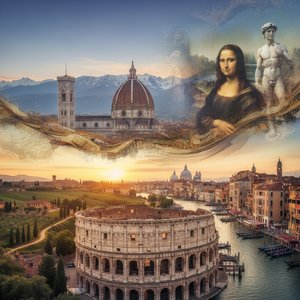
Timeless Italy: A Visual Journey Through Iconic Masterpieces and Eternal Landscapes
Embark on a visual journey through Italy's most iconic landscapes and Renaissance masterpieces. Discover the profound beauty of classical art, from Venetian altarpieces to serene countryside vistas, curated for the discerning art enthusiast and collector.

Evoking Atmosphere & Identity: A Journey Through Landscape Painting's History
Explore the rich history of landscape painting! Discover renowned artists, movements like Romanticism, & techniques such as atmospheric perspective. Find inspiration and quality reproductions at OriginalUniqueArt.
