

 Pregledaj u prostoru
 Pošalji
 Podeli
 Detalji o delu

 Преузми
 Slični predmeti
 Rendgenski snimak
 Slajdovi
 Statistika
Mr. Oldham and his Friends
 Oil On Canvas
- WallArt
- Rococo Period
 1750
1750- Early Modern
 105.0 x 130.0 cm
 Tate Galerija
 Pročitaj više
Giclee štampa / Umetnički otisak
Giclée štampa ili print na platnu muzejskog kvaliteta uz brzu proizvodnju i fleksibilne opcije završne obrade. ( Kupi ručno naslikanu sliku Pređi na digitalnu sliku)




P118B $10

P118H $10

P118W $10

P438Z $10

P508JH $12

P508YH $12

P805H $10

P805Z $10

P919BZ $10

P919G $10

P919XJ $10

P959ZH $10

P968JZ $12

W106C $8

W218G $10

W218JH $8

W218Y $10

W307PJ $10

W316G $10

W316PJ $8

W316Y $10

W398PJ $8

W4111J $10

W500HY $15

W500JH $15

W692G $12

W849H $8

W940BG $15

W953PJ $8




Izaberite jednu od naših unapred definisanih veličina koje odgovaraju originalnim proporcijama umetničkog dela.

Možete uneti sopstvene dimenzije kako biste umetničko delo prilagodili specifičnom okviru ili prostoru. Ako odabrani format ne odgovara proporcijama originalne slike, mi ćemo ili iscrtati deo dela ili proširiti sliku pomoću ogledane ivice ili jednobojnog popunjavanja. Digitalni prikaz će vam biti poslat na odobrenje pre početka proizvodnje.
Imajte na umu da pregled na ekranu ne odražava stvarno iscrtavanje ili proširivanje. Samo će prikaz (mockup) precizno pokazati finalnu kompoziciju.
Iako su prilagođene dimenzije dostupne, preporučujemo da odaberete dimenziju sa unapred definisane liste kako biste očuvali originalne proporcije.
Dostava širom sveta () za 2 nedelje umesto uobičajenih 4/5 nedelja. (17 септембар)

Besplatna ekspresna dostava širom sveta

Visokokvalitetno laneno platno

Kompletno osiguranje transporta

Garancija povraćaja carine i uvoznih dažbina

Garancija vernosti boja

Politika povraćaja u roku od 100 dana (isključivo u slučaju nedostataka)

Garancija povrata novca od 100%

Popust pri grupnoj kupovini
 Opcija sa staklom dostupna je samo za dimenzije manje od 110 cm

Mr. Oldham and his Friends
Giclee štampa / Umetnički otisak
Dimenzije reprodukcije
-


Konačna cena
$ 80
A Glimpse into Georgian Camaraderie
In the soft, amber glow of an imagined mid-eighteenth-century evening, Joseph Highmore’s “Mr. Oldham and his Friends” invites the viewer to step into a world of refined leisure and quiet intellectual intimacy. Painted in 1750, this masterpiece serves as a window into the heart of Georgian England, capturing a moment that transcends mere portraiture to become a celebration of social bond and shared experience. The composition centers on four gentlemen gathered around a mahogany table, their relaxed postures and engaged expressions suggesting a conversation caught mid-sentence. There is an undeniable warmth in the scene; the subtle presence of wine glasses and a communal bowl hints at a ritual of conviviality, where the boundaries between formal status and personal friendship blur under the light of mutual respect.
Highmore, a painter who masterfully navigated the transition from the grandiosity of the Baroque to the delicate grace of the Rococo, utilizes this scene to showcase his profound ability to capture character. One gentleman, distinguished by a hat perched elegantly atop his head, adds a touch of aristocratic flair that anchors the group in their social stratum, yet the overall atmosphere remains remarkably accessible and human. For the collector or interior designer, this piece offers more than just a historical record; it provides an emotional anchor for a room, evoking a sense of timeless stability and the enduring value of companionship.
Mastery of Light and Texture
Technically, the painting is a triumph of chiaroscuro, a technique Highmore adapted from the great Baroque masters like Rembrandt to breathe life into his subjects. By employing dramatic contrasts between deep, velvety shadows and luminous highlights, he sculpts the figures, giving them a three-dimensional presence that feels almost tactile. This play of light does more than define form; it directs the eye through the narrative of the painting, drawing attention to the glint of glass, the rich grain of the wood, and the intricate folds of fine fabrics. The artist’s meticulous attention to detail—the way light catches the rim of a wine glass or the subtle texture of a gentleman's waistcoat—demonstrates a level of craftsmanship that elevates the work from a simple "conversation piece" to a profound study in materiality.
The Rococo influence is felt in the painting’s lighter, more graceful tonal palette, which avoids the heavy somberness of earlier eras in favor of an air of elegance. This delicate balance between shadow and light creates a psychological depth, suggesting that beneath the surface of this pleasant gathering lies a rich inner life and a history of shared secrets and intellectual pursuits. Such technical sophistication makes a high-quality reproduction of this work an exquisite addition to any curated collection, offering a sophisticated interplay of light and shadow that can transform the ambiance of a sophisticated study or a grand dining hall.
Symbolism and the Spirit of an Era
Beyond its aesthetic allure, “Mr. Oldham and his Friends” is steeped in the cultural symbolism of the 1750s. The very act of gathering around wine serves as a metaphor for the era's values: indulgence, pleasure, and the cultivation of taste. In the context of Georgian England, such scenes were not merely decorative but were statements of social identity. The painting subtly underscores the importance of patronage and the role of the landed gentry in fostering a culture of refinement and intellectual curiosity. The presence of the mahogany table—a luxury item of the period—further reinforces the themes of prosperity and the global reach of British commerce during this era.
For those looking to bring a piece of history into their contemporary spaces, this artwork offers a profound sense of continuity. It speaks to the universal human desire for connection and the beauty found in quiet, shared moments. Whether placed in a modern minimalist setting to provide a classical counterpoint or integrated into a traditional period room, Highmore’s work continues to resonate, offering an evocative narrative of friendship that remains as relevant today as it was two and a half centuries ago.
Biografija umetnika
Живот посвећен лику и нарацији
Џозеф Хајмор, рођен у Лондону 1692. године, исказао се као кључна фигура у развијајућем пејзажу енглеске уметности 18. века. Његов пут је започео у оквиру породичних очекивања усмерених ка правној каријери – стази коју је на крају напустио седамнаест година да би свим срцем проследио своје уметничке тежње. Ова одлучна прекретница довела га је у атеље сер Годфрија Кнелера и на анатомијска предавања Вилијама Чесдена, темељна искуства која су обликовала његову техничку вештину и дубоко разумевање људског тела. Првобитно под утицајем грандиозне барокне традиције коју је отелотворио Кнелер, стил Хајмора се постепено окретао према деликатнијој естетици рококо периода, промени која је одражавала шире културне струје које су прелазиле Европом. Он није био само слика; он је био оштар посматрач друштва, а његова платна су постала огледала која су одражавала живот, обичаје и моралне бриге џорџијанске Енглеске.Од краљевских покровитеља до комисија средње класе
Рана каријера Хајмора је имала користи од покровитељства у краљевским круговима, посебно током 1730-их и 40-их година. Ово му је пружило прилике да портретише познате личности као што су краљ Џорџ II и, чувено, генерал Џејмс Вулф – портрети који демонстрирају не само његову техничку вештину, већ и изванредну способност да зароби карактер и присуство. Формативно путовање кроз Холандију и Француску између 1732. и 1734. године додатно је проширило његов уметнички хоризонт, излажући га делима мајстора као што су Рубенс и ван Дајк. Међутим, прилагодљивост Хајмора се показала кључном за његов трајан успех. Како су укуси еволирали и процветала средња класа која је тражила представљање, он је вешто прилагодио свој фокус, одговарајући на њихову жељу за портретима који су одражавали њихов друштвени статус и породични живот. У том периоду се појавила његова славна „конверзационална дела“ – групни портрети који приказују породице или пријатеље у неформалним окупљањима – жанр где је Хајмор одлично успевао да пренесе и индивидуалне личности и динамику друштвене интеракције. Ова дела нису била само записи изгледа; то су биле наративне сцене замрзнуте у времену, које нуде увиђаје у свакодневни живот његових модела. Метју Бел, на пример, показује достојанствено држање типично за његов рококо реализам, док портрети попут Ентонија Хајмора откривају елегантну одећу и ванвремену композицију.Илустровање врлине: ‘Памела’ и даље
Иако је био познат по свом портрету, Џозеф Хајмор је стекао широк углед кроз јединствен пројекат који је повезао светове уметности и књижевности. Године 1744. кренуо је у серију од дванаест слика инспирисаних изузетно популарним романом Самуела Ричардсона, *Памела, или Награда за врлину*. Ове илустрације нису биле само украсни пратиоци текста; то су била пажљиво промишљена тумачења кључних сцена, дизајнирана да појачају емоционални утицај приче и морално значење. Утврци изведени из ових слика, које су извели Беноа и Луис Тручи, додатно су ширили Ричардсонов наратив ширијој публици, чинећи Хајмора инструментом у популаризацији романа. Осим *Памеле*, Хајмор се такође бавио историјском сликарством, што је илустровано његовом донацијом Хагар и Ишмаил Фондацијској болници – сведочење како његове уметничке вештине тако и његовог ангажовања савремених друштвених питања. Ово дело, заједно са другим радовима, открива спремност да се истраже сложене теме и наративи ван области портрета, одражавајући дубоку осетљивост на рањивости у друштву.Заоставштина реализма и финесе
Године 1762., у седамдесетој години живота, Хајмор се пенусионисао у Кентербери, где је живео са својом ћерком и зетом, наставивши интелектуално да се ангажује кроз писање историје уметности – укључујући критички преглед рада Рубенса. Преминуо је 1780. године, у доби од осамдесет седам година, и сахрањен је у складу са статутом који је имао за циљ да подржи трговину вуном. Заоставштина Џозефа Хајмора лежи у његовом значајном доприносу енглеском портрету током рококо периода. Његове слике карактерише изузетна пажња на детаље, осетљивост на индивидуални карактер и способност да заробе суштину џорџијанског друштва. Он није био само записничар изгледа; он је био приповедач који је користио боју да просвети живот, вредности и тежње свог времена.- Породичне везе: Сузана Хајмор (рођена Хилер): његова жена, песникиња чији радови углавном остају необјављени.
- Ентони Хајмор: његов син, такође уметник.
- Ентони Хајмор Млађи: унук који је постао писац о правним питањима и друштвени активиста.
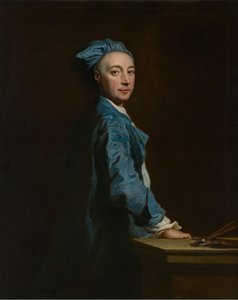
Џозеф Хајмор
1692 - 1780
Osnovne informacije
- Artistic Movement Or Style: Rokoko
- Artists Or Movements Influenced By This Artist: ['Engleski portret']
- Artists Who Influenced This Artist:
- Kneller
- Rubens
- van Dyck
- Date Of Birth: 1692
- Date Of Death: 1780
- Full Name: Joseph Highmore
- Nationality: Britanski
- Notable Artworks:
- Pamela ilustracije
- Mr Matthew Bell
- Hagar i Ismael
- Place Of Birth (City And Country): London, UK
Povezani članci

The Allure of Elegance in Art: A Historical & Aesthetic Exploration of Refinement & Grace
Explore the exquisite world of Rococo art! Discover its history, masters (Watteau, Boucher & more), and defining elegance. Expert insights for collectors seeking museum-quality reproductions & custom portraits.

Rokoko: 10 Remek Dela Koja Su Definisala Eleganciju i Ukus
Otkrijte 10 remek dela koja su definisala rokoko umetnost! Uronite u svet Boucher-a, Watteau-a i Fragonarda. Istorija, stil i inspiracija za vaš dom. Kvalitetne reprodukcije i kuratorski odabiri na OriginalUniqueArt.com!

The Rococo Aesthetic: Opulence, Rebellion & the Pursuit of Pleasure in 18th-Century Art
Explore the opulent world of Rococo art! Discover its origins, key artists like Watteau & Boucher, and lasting influence on design. Expert insights for collectors & enthusiasts.
Cultivating Ambiance: A Curatorial Guide to Art Selection for Wine Cellars and Tasting Rooms – Enhancing Oenological Experience Through Landscape, Symbolism, and Interior Harmony
Elevate your wine cellar or tasting room with curated art! Expert guidance on landscape paintings, symbolism & lighting to enhance the oenological experience. Discover how art transforms spaces and tells your winery's story.

Joseph Highmore: Moral Tales & Domestic Genre in 18th-Century British Art
Explore the captivating world of Joseph Highmore, a leading British Rococo painter. Discover his elegant portraits, insightful 'Pamela' illustrations & contributions to 18th-century art history. Learn more at OriginalUniqueArt.