
 Pregledaj u prostoru
 Pošalji
 Podeli
 Detalji o delu
 Vodič
Vodič

 Preuzmi
 Slični predmeti
 Rendgenski snimak
 Automatska prezentacija
 Pitanja i odgovori
 Statistika
CORNELIE, MERE DE GRACQUES


 Pročitaj više
Giclee štampa / Umetnički otisak
Giclée štampa ili print na platnu muzejskog kvaliteta uz brzu izradu i raznovrsne opcije završne obrade. ( Kupite ručno oslikano delo Pređi na digitalnu sliku)




P118B дин10

P118H дин10

P118W дин10

P438Z дин10

P508JH дин12

P508YH дин12

P805H дин10

P805Z дин10

P919BZ дин10

P919G дин10

P919XJ дин10

P959ZH дин10

P968JZ дин12

W106C дин8

W218G дин10

W218JH дин8

W218Y дин10

W307PJ дин10

W316G дин10

W316PJ дин8

W316Y дин10

W398PJ дин8

W4111J дин10

W500HY дин15

W500JH дин15

W692G дин12

W849H дин8

W940BG дин15

W953PJ дин8




Izaberite jednu od naših unapred definisanih veličina koje odgovaraju originalnim proporcijama umetničkog dela.

Unesite željenu širinu i visinu kako bi se štampa uklopila u vaš ram ili zid. Štampu je moguće samo iseći, ali nikada povećati iznad dimenzija originalne slike, stoga format sa drugačijim proporcijama uzrokuje gubitak dela slike. Pre početka štampe, poslaćemo vam digitalni prikaz radi potvrde. Slika prikazana na ovoj stranici ne predstavlja stvarni isrez — to pokazuje samo digitalni prikaz.
Dostava širom sveta () za 2 nedelje umesto uobičajenih 4/5 nedelja. (11 новембар)

Besplatna ekspresna dostava širom sveta

Visokokvalitetno laneno platno

Potpuno osiguranje transporta

Garancija povraćaja carine i uvoznih dažbina

Garancija vernosti boja

Politika povraćaja u roku od 100 dana (samo u slučaju nedostataka)

Garancija povrata 100% novca

Popust na više proizvoda
 Opcija sa staklom dostupna je samo za dimenzije manje od 110 cm

CORNELIE, MERE DE GRACQUES
Giclee štampa / Umetnički otisak
Dimenzije reprodukcije
-


Ukupna cena
дин 8500
Cornelia, Mother of the Gracchi – A Neoclassical Portrait of Roman Dignity
The painting “Cornelia, Mother of the Gracchi,” attributed to Joseph-Benoît Suvée, is more than just a portrait; it’s a carefully constructed tableau vivant, a window into the idealized world of late 18th-century Neoclassicism. Executed around 1795, this work captures a pivotal moment – Cornelia, the formidable mother of the celebrated Roman brothers Tiberius and Gaius Gracchus, imparting wisdom and guidance to her children. The scene unfolds within a meticulously rendered interior, reminiscent of a Roman villa or atrium, subtly hinting at both classical grandeur and domestic intimacy. Suvée’s masterful handling of light, color, and composition elevates this depiction beyond simple representation, imbuing it with an enduring sense of dignity, maternal love, and the weight of Roman history.Composition and Style – Echoes of Antiquity
Suvée’s approach is firmly rooted in the Neoclassical movement, a reaction against the excesses of the Rococo style. The composition adheres to strict principles of symmetry and balance, mirroring the order and rationality prized by the classical world. A central grouping dominates the foreground: Cornelia, seated with an air of serene authority, faces her two sons. Their postures are attentive, suggesting a receptive audience to her words. Architectural elements – arches, columns, and statues – frame the scene, creating a sense of depth and reinforcing the connection between the domestic interior and the broader Roman landscape. The painting’s overall effect is one of controlled elegance, reflecting the movement's emphasis on clarity, restraint, and idealized forms. The influence of artists like Nicolas Poussin and Claude Lorrain, masters of historical and mythological scenes, is readily apparent in Suvée’s careful attention to perspective and his ability to evoke a sense of timelessness.Technique – The Brushstroke as a Language
Suvée's technical skill is evident in the meticulous detail with which he renders every element of the scene. He employs a smooth, polished technique, characteristic of oil painting on canvas, achieved through careful blending and layering of colors. Note the subtle variations in brushstrokes – the rougher texture applied to the stone walls contrasts sharply with the smoother surfaces of the figures’ clothing and faces. This textural contrast not only adds visual interest but also contributes to the sense of depth and realism within the composition. The use of light is particularly noteworthy, creating a diffused illumination that highlights key features while casting subtle shadows, adding volume and dimension to the forms. The artist's ability to capture the nuances of fabric – the folds of Cornelia’s gown, the texture of her children’s clothing – speaks volumes about his observational skills and technical mastery.Symbolism and Historical Context – A Mother’s Legacy
“Cornelia, Mother of the Gracchi” is not merely a portrait; it's a carefully orchestrated symbol of Roman virtue and maternal authority. Cornelia’s pose—seated with her hands resting gracefully on her lap—evokes images of ancient Roman matrons, revered for their piety, wisdom, and dedication to family. The presence of the statues in the background further reinforces this connection to antiquity, suggesting that Cornelia embodies a lineage of noble women who have shaped the course of Roman history. The Gracchi brothers themselves were figures of immense historical significance – reformers who challenged the established order and ultimately met violent ends. By depicting Cornelia as their devoted mother, Suvée subtly elevates her status, portraying her as a guardian of Roman values and a source of strength for her sons. The painting was created during the tumultuous years of the French Revolution, when ideals of republicanism and civic virtue were being fiercely debated. Cornelia’s image resonated with those seeking to reclaim the legacy of classical Rome as a model for a just and equitable society.Emotional Impact – A Portrait of Enduring Strength
Despite its historical context, “Cornelia, Mother of the Gracchi” transcends mere representation to evoke a profound sense of emotional resonance. The painting’s serene atmosphere, combined with Cornelia's dignified expression, conveys an enduring message of maternal love, wisdom, and resilience. The scene suggests a quiet moment of connection between mother and children—a testament to the power of familial bonds. It is a portrait that invites contemplation on themes of legacy, virtue, and the enduring influence of individuals who shape the course of history. The painting’s timeless quality ensures its continued appeal as a powerful symbol of maternal strength and Roman ideals.Pitanja i odgovori
Kolika je zasićenost i intenzitet boja u delu „CORNELIE, MERE DE GRACQUES”, autor Žozef Benoa Suve?
Zasićenost boja u delu "CORNELIE, MERE DE GRACQUES" iznosi Balanced Soft, dok je intenzitet Balanced.
Koliko su harmonične boje dela „CORNELIE, MERE DE GRACQUES”, autor Žozef Benoa Suve?
„CORNELIE, MERE DE GRACQUES”, autor Žozef Benoa Suve prikazuje Strong Color Unity kolorističku harmoniju.
Koji umetnički pravac obuhvata „CORNELIE, MERE DE GRACQUES”, autor Žozef Benoa Suve?
Umetnički pravac koji se povezuje sa delom „CORNELIE, MERE DE GRACQUES”, autor Žozef Benoa Suve je Neoclassicism. Ova klasifikacija smešta rad među srodne umetnike i umetnička dela.
Biografija umetnika
Fra Galgario: Venecijanski majstor rokokoa
Giuseppe Vittore Ghislandi, poznatiji kao Fra’ Galgario (1655–1743), bio je ključna figura u živopisnom umetničkom pejzažu Bergama 18. veka. Njegov život i karijera predstavljaju fascinantnu konfluenciju uticaja – od utvrđenih tradicija venecijanskog slikarstva do uspensujućeg se stila rokoa koji je preplavljivao Evropu, a sve to pročišćeno kroz njegov jedinstveni ugao posmatranja monaha i posvećenog portretiste. Rođen u porodici duboko upletenoj u umetničko nasleđe, specifično u sferu quadratura (iluzionističkog slikanja plafona), Galgarijev rani razvoj postavio je temelje za karijeru koja će ga na kraju izdvojiti kao majstora koji je uspevao da uhvati eleganciju i intimnost ljudske forme. Njegove formativne godine provedene su prvenstveno u Bergamu, pod mentorstvom Giacomo Cotte i Bartolomea Bianchija, gde je upijao tehnike i estetiku lokalne umetničke zajednice. Međutim, odluka da se pridruži redu minimalaca u Veneciji označila je značajnu prekretnicu, uranjajući ga u kontemplativno okruženje, dok mu je istovremeno omogućila pristup jednom od najdinamičnijih umetničkih centara Evrope. Ovo dvostruko postojanje – religiozni život ispresecan umetničkim težnjama – oblikovalo je njegov pristup slikarstvu, prožimajući njegova dela tihom dostojanstvenošću i aprecijacijom za suptilnosti ljudske interakcije. Period između 1675. i 1688. godine obeležio je rad u studiju Sebastiana Bombellija, čuvenog venecijanskog slikara poznatog po dramatičnim kompozicijama i majstorskom korišćenju svetlosti i senke. Ova asocijacija se pokazala neprocenjivom, izlažući Galgarija najnovijim trendovima i tehnikama koji su kružili venecijanskim umetničkim svetom. Galgarijev stil karakteriše izuzetan balans između klasične suzdržanosti i rokokoske bujnosti. Vešto je spajao elemente venecijanske škole – posebno njen naglasak na bogatim paletama boja i detaljnom posmatranu – sa razigdanijim i dekorativnijim tendencijama pokreta rokoa. Njegovi portreti su, naročito, upečatljivi po svojoj psihološkoj dubini i sposobnosti da prenesu osećaj tihe kontemplacije. Dela poput Lodovico Rota (koji se čuva u Budimpeštinskom muzeju lepih umetnosti) to savršeno demonstriraju, prikazujući složenu interakciju formalne elegancije i intimne emocije. Kompozicija je grandiozna i aristokratska, odražavajući status subjekta, ali Galgarijeva upotreba svetlosti i senke stvara osećaj bliskosti, uvlačeći posmatrača u samu scenu. Slično tome, Znak berberinske radnje (u nalazi se u Accademia Carrara u Bergamu) otkriva njegov interes za beleženjem svakodnevnog života sa oštrim okom za detalje i suptilnim svesnošću savremenih trendova – što je jasan uticaj Salomona Adlera, koji je u to vreme radio u Veneciji.Uticaj Nicolasa Lancreta i šire
Iako je Fra’ Galgario delovao unutar specifične venecijanske tradicije, nesumnjivo je bio pod uticajem širijih evropskih umetničkih struja. Nicolas Lancret (1690–1743), savremeni francuski slikar poznat po svojim fêtes galantes – scenama aristokratskog odmora i romanse – predstavlja primer ovog uticaja. Lancretov naglasak na vedrini, elegantnim kostimima i idiličnim okruženjima rezonovao je sa Galgarijevim sopstvenim pristupom portretu. Ipak, Galgarijeva dela zadržavaju određenu ozbiljnost i suzdržanost koja ih razlikuje od Lancretovog očigledno neozbiljnijeg stila. Pažljiva pažnja posvećena detaljima, suptilne nijanse izraza i osnovni osećacije dostojanstva u Galgarijevim portretima odražavaju njegovo monaško vaspitanje i duboko poštovanje prema ljudskom karakteru. Dalje, Galgarijevo delo pokazuje sofisticirano razumevanje umetničke istorije. Grandioznost dela Lodovico Rota odjekuje radovima Giovannija Battista Moronija, dok prostorna složenost dela Marchese Giuseppe Maria Rota and Capitano Brinzago otkriva svest o inovacijama venecijanskih majstora poput Claudea Lorraina i Nicolasa Poussina. Ova sposobnost sinteze različitih uticaja u kohezivan i originalan stil predstavlja zaštitni znak Galgarijevog umetničkog dostignuća.Nicolai Abildgaard: Paralelno putovanje
Priča o Fra’ Galgariju deli intrigantne paralele sa pričom o Nicolaiju Abildgaardu (1743–1809), danskom neoklasičnom slikarom koji je, poput Galgarija, putovao u Rim u potrazi za umetničkim izvrsnošću. Oba umetnika tražila su inspiraciju u klasičnim tradicijama antike i koristila dramatično osvetljenje i kompoziciju kako bi prenela snažne emocije. Abildgaardov fokus na istorijske teme i njegova pedantna pažnja posvećena detaljima ogledali su Galgarijev sopstveni pristup portretu, ističući zajedničku posvećenost hvatanju suštine ljudskog iskustva kroz majstorsku tehniku. Dok je Abildgaard na kraju postao kraljevski slikar u Danskoj, poznat po svojim grandioznim istorijskim scenama, Galgario je ostao ukorenjen u tradicijama Bergama, stvarajući korpus dela koji i danas očarava posetioce svojom tihom lepotom i dubokim psihološkim uvidom.Nasleđe i istorijski značaj
Galgarijevo nasleđe ne leži samo u kvalitetu njegovih pojedinačnih dela, već i u njegovom doprinosu umetničkom razvoju Bergama tokom 18. veka. Pomogao je u uspostavljanju grada kao centra portretistike, privlačeći bogate pokrovitelje i negujući živopisnu umetničku zajednicu. Njegova slika nude dragocene uvide u društveni i kulturni život tog perioda, pružajući pogled u svet aristokratskih porodica i religioznih institucija. Uprkos relativno skromnoj slavi tokom svog životnog veka, Galgarijevo delo je sve više prepoznato poslednjih godina zbog svoje umetničke vrednosti i istorijskog značaja. Njegovi portreti stoje kao svedočanstva neprolazne moći ljudske povezanosti i vanvremenske lepote rokokoskog stila.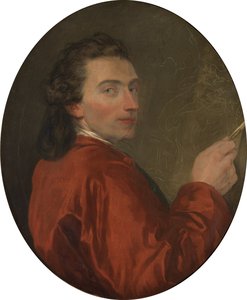
Žozef Benoa Suve
1743 - 1807 , Belgija
Osnovne informacije
- Artistic Movement Or Style: Neoklasicizam, Istorijsko slikarstvo
- Artists Or Movements Influenced By This Artist: ['Kraljevska danska akademija']
- Artists Who Influenced This Artist:
- Mandelberg
- Wiedewelt
- Klod Loran
- Nikola Pusan
- Date Of Birth: 11. septembar 1743.
- Date Of Death: 4. jun 1809.
- Full Name: Nikolai Abraham Abildgaard
- Nationality: Danski
- Notable Artworks:
- Kristiansborg friz
- Fredensborg dvorana
- Levetzau stepenište
- Place Of Birth: Kopenhagen, Danska
Povezani članci

Neoclassicism Explained: The Enlightenment’s Return to Order, Reason, and Classical Grandeur
Explore the profound shift of Neoclassicism, from the rejection of Rococo excess to the embrace of Enlightenment reason. Discover how archaeological finds and classical ideals reshaped art, architecture, and sculpture in a timeless return to order and grandeur.

Neoclassicism Unveleed: The Timeless Return to Order, Symmetry, and Elegance in Art History
Explore the grandeur of Neoclassicism. Discover how the principles of symmetry, order, and classical antiquity continue to inspire timeless elegance in art history and sophisticated modern interiors through expert analysis and museum-quality mastery.
Neoclassicism Defined: The Enlightenment’s Return to Order, Reason, and Ancient Grandeur
Explore the profound shift of Neoclassicism from Rococo excess to Enlightenment reason. Discover how the rediscovery of antiquity shaped a movement defined by order, symmetry, and classical grandeur through an expert art-historical lens.
Neoclassicism Explained: The Timeless Elegance of Order, Reason, and the Classical Ideal
Explore the profound elegance of Neoclassicism. Discover how the Enlightenment era embraced Greek and Roman ideals of order, reason, and symmetry to redefine art history through masters like Mengs and Hamilton. A definitive guide for history lovers and art collectors.
Joseph Henry Sharp: Capturing the Spirit of the Plains – Life, Art & Legacy
Explore the life & art of Joseph Henry Sharp, a founding member of the Taos Society of Artists renowned for his realistic depictions of Native American culture and Western landscapes. Discover his legacy with OriginalUniqueArt.
