
 Pregledaj u prostoru
 Pošalji
 Podeli
 Detalji o delu
 Vodič
Vodič

 Preuzmi
 Slični predmeti
 Rendgenski snimak
 Automatska prezentacija
 Pitanja i odgovori
 Statistika
Homage to the Square


 Pročitaj više
Umetničko delo prikazano na ovoj stranici zaštićeno je autorskim pravima, što znači da zakonski nismo u mogućnosti da kreiramo niti prodajemo identičnu reprodukciju. Ova zaštita se sprovodi u skladu sa međunarodnim sporazumima kao što su Bernska konvencija i nacionalnim zakonima, uključujući i one koji su definisani u Američki zakon o autorskom pravu – Naslov 17.
Ovaj metod je u potpunosti usklađen sa regulativama o autorskim pravima jer ne podrazumeva kopiranje ili dupliranje zaštićenih umetničkih dela. Umesto toga, reč je o kreativnoj reinterpretaciji – novom slikarskom delu koje je inspirisano originalom, ali nije identično njemu.
Giclee štampa / Umetnički otisak
Giclée štampa ili print na platnu muzejskog kvaliteta uz brzu izradu i raznovrsne opcije završne obrade. ( Kupite ručno oslikano delo Pređi na digitalnu sliku)




P118B дин10

P118H дин10

P118W дин10

P438Z дин10

P508JH дин12

P508YH дин12

P805H дин10

P805Z дин10

P919BZ дин10

P919G дин10

P919XJ дин10

P959ZH дин10

P968JZ дин12

W106C дин8

W218G дин10

W218JH дин8

W218Y дин10

W307PJ дин10

W316G дин10

W316PJ дин8

W316Y дин10

W398PJ дин8

W4111J дин10

W500HY дин15

W500JH дин15

W692G дин12

W849H дин8

W940BG дин15

W953PJ дин8




Izaberite jednu od naših unapred definisanih veličina koje odgovaraju originalnim proporcijama umetničkog dela.

Unesite željenu širinu i visinu kako bi se štampa uklopila u vaš ram ili zid. Štampu je moguće samo iseći, ali nikada povećati iznad dimenzija originalne slike, stoga format sa drugačijim proporcijama uzrokuje gubitak dela slike. Pre početka štampe, poslaćemo vam digitalni prikaz radi potvrde. Slika prikazana na ovoj stranici ne predstavlja stvarni isrez — to pokazuje samo digitalni prikaz.
Dostava širom sveta () za 2 nedelje umesto uobičajenih 4/5 nedelja. (7 новембар)

Besplatna ekspresna dostava širom sveta

Visokokvalitetno laneno platno

Potpuno osiguranje transporta

Garancija povraćaja carine i uvoznih dažbina

Garancija vernosti boja

Politika povraćaja u roku od 100 dana (samo u slučaju nedostataka)

Garancija povrata 100% novca

Popust na više proizvoda
 Opcija sa staklom dostupna je samo za dimenzije manje od 110 cm

Homage to the Square
Giclee štampa / Umetnički otisak
Dimenzije reprodukcije
-


Ukupna cena
дин 8485
A Symphony of Geometry and Light
In the realm of mid-century abstraction, few works command the room with such quiet authority as Josef Albers’s Homage to the Square. At first glance, the composition appears deceptively simple—a rhythmic arrangement of nested squares that guides the eye inward toward a concentrated core of color. Yet, to look upon this piece is to enter a profound dialogue between form and perception. The painting presents a rich, commanding crimson field, interrupted by a smaller, vibrant yellow square nestled in its upper left corner. This isn't merely an exercise in geometry; it is a carefully orchestrated encounter where the boundaries of shape seem to vibrate against the intensity of hue. For the discerning collector or interior designer, this work offers a masterclass in how minimalist structure can anchor a space with both intellectual weight and visual warmth.
The soul of this masterpiece lies in Albers’s revolutionary approach to color theory. Moving away from the idea that color is a fixed property, Albers treated it as a relational phenomenon. In this specific iteration, the interaction between the deep red and the bright yellow creates an optical tension that makes the colors appear to shift and breathe. The technique involves the meticulous layering of pigment, a process that builds a textured surface capable of catching light in subtle, unexpected ways. This method ensures that the painting is never static; it changes as the viewer moves through a room or as the daylight shifts from morning glow to evening shadow. It is this very dynamism that makes a high-quality reproduction so captivating—it brings the experimental spirit of the Bauhaus into the modern home.
The Legacy of the Bauhaus and Materiality
To understand the depth of Homage to the Square, one must look back to Albers’s formative years in Germany. Raised in the pragmatic atmosphere of his father’s contracting business, Albers developed an intimate respect for the inherent qualities of materials—wood, glass, and metal. This foundational understanding of craftsmanship was later refined at the legendary Bauhaus school, where he learned to strip away the superfluous to reveal the essential. This piece is a direct descendant of that philosophy. The "homage" in the title is not just to a shape, but to the very concept of structural integrity and the beauty found in pure, unadorned elements.
For those seeking to curate an environment of sophisticated calm, this artwork serves as a perfect focal point. It embodies the principles of Color Field painting and Minimalism, offering a sense of order and balance that can soothe a chaotic interior. The emotional impact of the work is one of focused contemplation; it invites the viewer to slow down and truly see rather than merely look. Whether placed in a contemporary gallery-style living room or as a bold accent in a professional studio, this reproduction carries with it the prestige of art history and the timeless allure of perfect geometric harmony.
Pitanja i odgovori
Koji je format dela "Homage to the Square"?
„Homage to the Square”, autor Јозеф Алберс je u Square formatu. Format opisuje proporcije kompozicije.
Da li je moguće pogledati "Homage to the Square" u proširenoj stvarnosti?
Stranica AR prikaz za delo „Homage to the Square”, autor Јозеф Алберс koristi proširenu stvarnost kako bi vam prikazala umetničko delo u vašem sopstvenom prostoru, pomoću kompatibilnog uređaja.
Koliki je nivo kontrasta kod dela „Homage to the Square”, autor Јозеф Алберс?
Nivo kontrasta dela „Homage to the Square”, autor Јозеф Алберс je Gentle.
Biografija umetnika
Живот и рани године: Ковање материјала
Путовање Јозефа Алберса у свет уметности није започело у узвишеним академијама, већ у практичном свету породичног предузећа за изградњу у Ботропу, Немачка. Рођен 1888. године, млади Јозеф је апсорбовао дубок поштовање према материјалима – столарији, водоинсталацијама, фарбању кућа – вештине које су фундаментално обликовале његову естетичку осетљивост. Ово није била само професионална обука; то је било уроњавање у саму суштину стварања, разумевање како се облици материјализују и какве су својествене квалитете сваког медија. Пре него што се посветио уметности, Алберс је провео пет година као учитељ, развијајући стрпљење и педагошку вештину – атрибуте који ће касније дефинисати његову утицајну наставничку каријеру. Формално уметничко образовање започео је на Краљевској школи за уметност у Берлину између 1913. и 1915. године, где је проучавао графику, сликање и, што је кључно, витражне радње. Његова рана наруџбина, “Rosa Mystica Ora Pro Nobis” (1918), запањујући витражни прозор, предвиђала је његово животно интересовање за игру светлости и боје, наговештавајући апстрактне експерименте који су тек долазили. Овај почетни рад није био само декоративан; то је била истрага о томе како светлуст *трансформише* материјал – тема која ће одјекивати током његове каријере.Баухаус: Боја као предмет
Преломни тренутак дошао је 1922. године када се Алберс придружио факултету Баухауса, револуционарне школе која је тежила да уједини све уметничке дисциплине. Првобитно му је поверено подучавање припремног курса – *Werklehre* (практична радионица) – он се уронио у његове основне принципе: функционализам, геометријску апстракцију и истраживање материјала. Овај период се показао трансформативним. Алберс је започео систематско испитивање перцепције боје, удаљавајући се од репрезентативне уметности ка све апстрактнијем вокабулару. Нису га занимале само *какве* су боје, већ *како* ступају у интеракцију, како међусобно делују и како наше очи доживљавају те интеракције. Утицај колега мајстора Баухауса као што су Паул Клее и Василиј Кандински је видљив у његовом раном раду, али Алберс је кренуо својим јединственим путем, дајући предност емпиријском посматрању над метафизичком интерпретацијом. Није тражио духовну истину кроз боју; он је педантски документовао њене физичке ефекте – научну ригорозност која је постала обележје његове уметничке методе. Овај фокус на перцепцији, на то *како* видимо, уместо на то *што* се види, издвојио га је и поставио основу за његова будућа испитивања.Почаст квадрату: Лабораторија перцепције
Након периода предаје на Колеџу Блек Маунтин – где је неговао генерацију америчких уметника укључујући Роберта Раушенберга и Сај Твомблија – Алберс је 1949. године кренуо у оно што ће постати његов најпознатији серијал: “Почаст квадрату”. Овај текући пројекат се састојао од слика које су садржале угнежђене квадрате у квадратима, свака итерација је истраживала суптилне варијације у односима боја. То је превариво једноставан премис, али који крије невероватно сложну и ригорозну истрагу. Серија није била намењена као славље геометрије; већ је то била лабораторија за проучавање перцепције боје. Алберс је педантски документовао своје експерименте, откривајући да боје нису статични ентитети, већ динамичне силе које владају међусобно кроз унутрашњу логику – често обманљиву за око. Чак и наизглед светлији квадрат може изгледати као да се повлачи док тамнији делује као да напредује, оспоравајући интуитивно разумевање. Ово истраживање је кулминирало његовом значајном књигом, “Интеракција боја” (1963), основом текстом који се и данас проучава код уметника и дизајнера. Књига није трактат о теорији боје; то је низ вежби које су осмишљене да покажу како наша перцепција боје зависи од контекста – сведочанство Алберсовог уверења да гледање није пасивно, већ активни процес интерпретације.Наслеђе и трајан утицај
Утицај Јозефа Алберса се протеже далеко ван његових слика. Његов мандат као шефа одељења за дизајн на Универзитету Јејл, од 1950. до пензионисања 1958. године, учврстио је његов углед изузетно утицајног учитеља. Наглашавао је практичне експерименте, критичко посматрање и неумољиво постављање питања претпоставки. Студенти нису били само научени *шта* да сликају; били су научени *како* видети – анализирати, деконструисати и разумети основне принципе који управљају визуелним искуством. Његов педагошки приступ је неговао независно размишљање и охрабрио студенте да развију своје јединствене уметничке гласове. *Интеракција боја* наставља да буде камен темељ уметничког образовања, обликујући начин на који генерације разумевају односе боја. Алберс је сада препознат као кључна фигура у развоју апстрактне уметности, посебно геометријске апстракције и минималистичке естетике. Његова серија “Почаст квадрату” остаје икона за своје испитивање перцепцијских феномена, демонстрирајући да чак и у наизглед једноставним облицима постоји бескрајна сложеност која чека да буде откривена. Преминуо је 25. марта 1976. године у Нејвену, Конектикат, оставивши за собом наслеђе које наставља да инспирише и изазива уметнике, дизајнере и едукаторе – сведочанство моћи посматрања, експериментисања и трајне мистерије боје.Истакнута дела
- Gray Instrumentation I Prospectus (1975): Минималистичка монохромна слика која оличава геометријску равнотежу и суптилне тоналне варијације.
- Study for Homage to the Square – Beaming (Datum непознат): Класичан пример Алберсовог испитивања интеракције боје у угнежђеним квадратима, који изазивају осећај смирености и просторне дубине.
- Rosa Mystica Ora Pro Nobis (1918): Његова рана наруџ

Јозеф Алберс
1888 - 1976 , Немачка
Osnovne informacije
- Artistic Movement Or Style: Геометријска апстракција
- Artists Or Movements Influenced By This Artist:
- Минимализам
- Color Field Painting
- Artists Who Influenced This Artist:
- Пол Кле
- Васили Кандински
- Date Of Birth: 19. март 1888.
- Date Of Death: 25. март 1976.
- Full Name: Јозеф Алберс
- Nationality: Немачко-амерички
- Notable Artworks:
- Homage to the Square
- Gray Instrumentation I Prospectus
- Rosa Mystica Ora Pro Nobis
- Place Of Birth: Ботроп, Немачка
Povezani članci

Neo-Abstract Art: The High-Impact Evolution of Modern Visual Energy and Geometric Sophistication
Discover the power of Neo-Abstract art. Explore how bold geometric forms and high-impact visual energy are redefining modern design. Learn to curate sophisticated, high-energy spaces with the latest trends in contemporary abstraction and structural color.

The Power of Less: A Definitive Guide to the Minimalism Movement and Geometric Abstraction
Explore the profound impact of Minimalism and Geometric Abstraction. From Mondrian to Malevich, discover how stripping art to its essential forms revolutionized modern aesthetics through our expert-led historical guide.
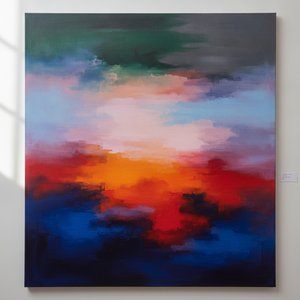
Color Field Painting: The Emotional Power of Pure Abstraction and Chromatic Depth
Explore the profound emotional depth of Color Field painting. Discover the history of mid-century abstraction, from Rothko to Newman, and learn how pure color transforms the viewer's experience through our expert art history guide.

Top 10 dela geometrijske apstrakcije koje morate videti | OriginalUniqueArt.com
Istražite 10 remek-dela geometrijske apstrakcije – Mondrian, Malevič i Kandinski. Otkrijte priče iza ovih ikoničnih slika i pronađite inspiraciju za dekoraciju enterijera sa OriginalUniqueArt.com! Reprodukcije vrhunskog kvaliteta.

Beyond Representation: Decoding the Language of Shape and Form in Geometric Abstraction
Master the complexities of Geometric Abstraction. Our expert guide explores the evolution from Cubist deconstruction to Bauhaus precision, decoding the power of shape and form. Perfect for art students seeking deep historical context and academic insight into modern masterpieces.