

 Pregledaj u prostoru
 Pošalji
 Podeli
 Detalji o delu

 Преузми
 Slični predmeti
 Rendgenski snimak
 Slajdovi
Ellen Terry


 Pročitaj više
Giclee štampa / Umetnički otisak
Giclée štampa ili print na platnu muzejskog kvaliteta uz brzu proizvodnju i fleksibilne opcije završne obrade. ( Kupi ručno naslikanu sliku Kupi digitalnu sliku)




































Izaberite jednu od naših unapred definisanih veličina koje odgovaraju originalnim proporcijama umetničkog dela.

Možete uneti sopstvene dimenzije kako biste umetničko delo prilagodili specifičnom okviru ili prostoru. Ako odabrani format ne odgovara proporcijama originalne slike, mi ćemo ili iscrtati deo dela ili proširiti sliku pomoću ogledane ivice ili jednobojnog popunjavanja. Digitalni prikaz će vam biti poslat na odobrenje pre početka proizvodnje.
Imajte na umu da pregled na ekranu ne odražava stvarno iscrtavanje ili proširivanje. Samo će prikaz (mockup) precizno pokazati finalnu kompoziciju.
Iako su prilagođene dimenzije dostupne, preporučujemo da odaberete dimenziju sa unapred definisane liste kako biste očuvali originalne proporcije.
Dostava širom sveta () za 2 nedelje umesto uobičajenih 4/5 nedelja. (14 август)

Besplatna ekspresna dostava širom sveta

Visokokvalitetno laneno platno

Kompletno osiguranje transporta

Garancija povraćaja carine i uvoznih dažbina

Garancija vernosti boja

Politika povrata u roku od 60 dana (samo u slučaju nedostataka)

Garancija povrata novca od 100%

Popust pri grupnoj kupovini
 Opcija sa staklom dostupna je samo za dimenzije manje od 110 cm

Ellen Terry
Giclee štampa / Umetnički otisak
Dimenzije reprodukcije
-


Konačna cena
$ 80
Biografija umetnika
A Life on Stage and Canvas: The Dual Worlds of Sir Johnston Forbes-Robertson
Sir Johnston Forbes-Robertson, born in London in 1853, was a figure who embodied the Victorian era’s fascination with both artistic expression and refined performance. Though celebrated primarily as one of the most distinguished Shakespearean actors of his time—particularly lauded for his interpretations of Hamlet—Forbes-Robertson possessed a significant, though often overshadowed, talent as a painter. His life story is one of initial ambition directed towards visual art, subtly shifting to the allure of the stage, yet never fully abandoning the creative impulse that found expression through brush and canvas. Born into a family steeped in intellectual pursuits – his father was a respected theatre critic and journalist – Forbes-Robertson initially trained at the Royal Academy for three years, laying a foundation in artistic technique before being drawn towards the dramatic arts by the compelling force of storytelling and character portrayal. This early training would profoundly influence his approach to acting, imbuing it with a visual sensibility that set him apart from many of his contemporaries.From Aspiring Artist to Theatrical Icon
Forbes-Robertson’s debut into the world of theatre in 1874 marked the beginning of a remarkable career. He quickly gained experience as part of Sir Henry Irving's company, absorbing invaluable lessons from a master of stagecraft. However, it was his portrayal of Hamlet that cemented his legacy. Many considered him *the* definitive interpreter of the role during the Victorian period, bringing to it an introspective depth and refined elocution that captivated audiences. He didn’t embrace the part until he reached the age of 44, yet continued performing it for nearly two decades, culminating in a final performance in Boston in 1916. Beyond Hamlet, Forbes-Robertson excelled in roles such as Romeo, Othello, and Leontes in Shakespeare's *The Winter’s Tale*. His talent wasn’t limited to the Bard; he also shone in George Bernard Shaw’s *Caesar and Cleopatra*, a role specifically written for him by the playwright who recognized Forbes-Robertson’s unique ability to embody both intellectual gravitas and emotional nuance. This collaboration speaks volumes about his standing within the literary and theatrical circles of the time. His acting style was characterized not by bombast, but by a quiet intensity and meticulous attention to detail – qualities that resonated deeply with audiences seeking authenticity and psychological realism on stage.A Painter’s Eye: Artistic Pursuits Alongside Acting
While his fame rested upon his theatrical achievements, Forbes-Robertson never relinquished his passion for painting. He approached portraiture with the same dedication to observation and character study that defined his acting. His subjects were often drawn from the world of theatre – fellow actors, playwrights, and prominent figures in the London stage scene. A notable example is his portrait of Samuel Phelps, a celebrated actor-manager, which remains on display at the Garrick Club in London. These paintings weren’t merely likenesses; they were insightful studies of personality, capturing not just physical appearance but also the inner lives of his sitters. His artistic endeavors provided him with an outlet for creative expression independent of the demands of performance and allowed him to explore a different dimension of visual storytelling. The scenes from theatrical productions he painted further demonstrate how deeply intertwined his two passions were.Legacy and Lasting Influence
Knighted in 1913, Sir Johnston Forbes-Robertson was more than just an actor; he was a cultural icon who embodied the artistic sensibilities of his era. His farewell tour of the United States in 1914-1915 served as a testament to his international renown and enduring appeal. He left behind not only a legacy of unforgettable performances but also a body of literary work, including *The Life and Life-Work of Samuel Phelps* and his autobiography, *Johnston Forbes-Robertson: A Player Under Three Reigns*. These writings offer valuable insights into the world of Victorian theatre and provide a personal reflection on his own artistic journey. His influence extended beyond his immediate contemporaries, setting a standard for Shakespearean acting that continues to inspire performers today. His portraits, though less widely known than his stage roles, stand as compelling examples of his artistic versatility and offer a unique glimpse into the personalities who shaped the Victorian theatrical landscape. He remains a fascinating figure—a man who successfully navigated two distinct creative worlds, leaving an indelible mark on both the stage and the canvas.Portraits and Artistic Representation
Forbes-Robertson’s artistic legacy extends beyond his own paintings to include portraits *of* him and depictions of his performances. His portraiture work is particularly notable for capturing the essence of fellow performers, such as Ellen Terry, whose image he immortalized with a striking sensitivity. Similarly, his depiction of Helen Modrzejewska, the Polish-American actress, reveals his skill in conveying character through paint. Beyond portraits of individuals, Forbes-Robertson also documented scenes from Shakespearean productions, most notably an oil painting of Frank Tyars as Borachio from *Much Ado About Nothing*, offering a visual record of theatrical moments that would otherwise be lost to time. These artistic representations not only showcase his talent but also provide valuable insights into the aesthetics and performance styles of the Victorian stage. They serve as a testament to his multifaceted artistry, solidifying his place as a significant figure in both the worlds of theatre and visual art.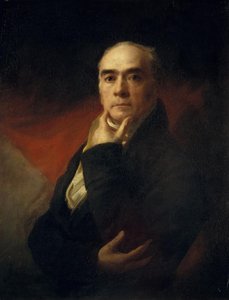
Johnston Forbes-Robertson
1853 - 1937 , United Kingdom
Osnovne informacije
- Artistic Movement Or Style: Victorian artistry
- Date Of Birth: January 16, 1853
- Date Of Death: November 6, 1937
- Full Name: Johnston Forbes-Robertson
- Nationality: British
- Notable Artworks:
- Ellen Terry
- Helen Modrzejewska
- Frank Tyars as Borachio
- Place Of Birth: London, UK
Povezani članci

Dante Gabriel Rossetti: 25 Remek-dela Pre-Raphaelita i Inspiracija za Vaš Dom
Istražite 25 remek-dela Dante Gabriel Rossettija, ikone Pre-Raphaelita! Otkrijte priče iza slika, simbolizam i inspiraciju za vaš dom. Kvalitetne reprodukcije na OriginalUniqueArt.com.

The Pre-Raphaelite Brotherhood: Reclaiming Beauty, Nature, and Truth in Victorian Art History
Explore the revolutionary Pre-Raphaelite Brotherhood. Discover how these visionary artists rejected academic tradition to reclaim beauty, nature, and truth through luminous detail and literary depth in Victorian art history.

Pre-Raphaelite Romanticism: The Revival of Medieval Beauty and Nature in Victorian Art
Explore the profound beauty of Pre-Raphaelite Romanticism. Discover how visionaries like Rossetti and Millais revived medievalism and nature through meticulous detail and vibrant color in Victorian art history.

Pre-Raphaelite Romanticism: A Guide to Vivid Detail and Medieval Beauty in Victorian Art
Explore the vivid detail and medieval beauty of Pre-Raphaelite Romanticism. Discover the history of masters like Rossetti and Millais through our expert guide to Victorian art, perfect for collectors and professionals seeking authentic, museum-quality reproductions.

Sir John Everett Millais: Pre-Raphaelite Rebellion & Victorian Narrative Detail
Explore the revolutionary art of Sir John Everett Millais & the Pre-Raphaelite Brotherhood. Discover their radical realism, symbolic narratives, and lasting impact on Victorian aesthetics. A deep dive into 19th-century masterpieces.

