
 Pregledaj u prostoru
 Pošalji
 Podeli
 Detalji o delu
 Vodič
Vodič

 Preuzmi
 Slični predmeti
 Rendgenski snimak
 Automatska prezentacija
 Pitanja i odgovori
 Statistika
The Crucifixion

- 126.0 x 57.0 cm


 Pročitaj više
Umetničko delo prikazano na ovoj stranici zaštićeno je autorskim pravima, što znači da zakonski nismo u mogućnosti da kreiramo niti prodajemo identičnu reprodukciju. Ova zaštita se sprovodi u skladu sa međunarodnim sporazumima kao što su Bernska konvencija i nacionalnim zakonima, uključujući i one koji su definisani u Američki zakon o autorskom pravu – Naslov 17.
Ovaj metod je u potpunosti usklađen sa regulativama o autorskim pravima jer ne podrazumeva kopiranje ili dupliranje zaštićenih umetničkih dela. Umesto toga, reč je o kreativnoj reinterpretaciji – novom slikarskom delu koje je inspirisano originalom, ali nije identično njemu.
Giclee štampa / Umetnički otisak
Giclée štampa ili print na platnu muzejskog kvaliteta uz brzu izradu i raznovrsne opcije završne obrade. ( Kupite ručno oslikano delo Pređi na digitalnu sliku)




P118B дин10

P118H дин10

P118W дин10

P438Z дин10

P508JH дин12

P508YH дин12

P805H дин10

P805Z дин10

P919BZ дин10

P919G дин10

P919XJ дин10

P959ZH дин10

P968JZ дин12

W106C дин8

W218G дин10

W218JH дин8

W218Y дин10

W307PJ дин10

W316G дин10

W316PJ дин8

W316Y дин10

W398PJ дин8

W4111J дин10

W500HY дин15

W500JH дин15

W692G дин12

W849H дин8

W940BG дин15

W953PJ дин8




Izaberite jednu od naših unapred definisanih veličina koje odgovaraju originalnim proporcijama umetničkog dela.

Unesite željenu širinu i visinu kako bi se štampa uklopila u vaš ram ili zid. Štampu je moguće samo iseći, ali nikada povećati iznad dimenzija originalne slike, stoga format sa drugačijim proporcijama uzrokuje gubitak dela slike. Pre početka štampe, poslaćemo vam digitalni prikaz radi potvrde. Slika prikazana na ovoj stranici ne predstavlja stvarni isrez — to pokazuje samo digitalni prikaz.
Dostava širom sveta () za 2 nedelje umesto uobičajenih 4/5 nedelja. (4 новембар)

Besplatna ekspresna dostava širom sveta

Visokokvalitetno laneno platno

Potpuno osiguranje transporta

Garancija povraćaja carine i uvoznih dažbina

Garancija vernosti boja

Politika povraćaja u roku od 100 dana (samo u slučaju nedostataka)

Garancija povrata 100% novca

Popust na više proizvoda
 Opcija sa staklom dostupna je samo za dimenzije manje od 110 cm

The Crucifixion
Giclee štampa / Umetnički otisak
Dimenzije reprodukcije
-


Ukupna cena
дин 8454
A Vision of Suffering and Serenity: Kyffin Williams’ “The Crucifixion”
Sir John “Kyffin” Williams, a name inextricably linked with the soul of Wales, wasn't merely a painter; he was a translator of landscapes, emotions, and the very spirit of his homeland. Born in Llangefni, Anglesey, in 1918, his life unfolded against the backdrop of a nation grappling with identity and heritage – a tension that profoundly shaped his artistic vision. While often categorized as a landscape artist, Williams’ oeuvre reveals a deeply personal engagement with themes of faith, mortality, and the enduring beauty found within hardship. “The Crucifixion,” painted in 1960, exemplifies this complex interplay, offering not a literal depiction of the biblical event but rather an intensely felt meditation on suffering, sacrifice, and ultimately, a quiet sense of serenity.A Fragmented Landscape, A Distorted Figure
The painting immediately commands attention with its unconventional composition. It’s not a grand, theatrical scene; instead, it presents a fragmented landscape dominated by a dark, brooding sky – a palpable representation of the emotional weight of the subject matter. The central figure of Christ on the cross is rendered in an almost abstracted manner, his form partially obscured by the surrounding elements. Williams employs a bold, impasto technique, layering thick strokes of oil paint to create a textured surface that seems to vibrate with energy. This physicality mirrors the intensity of the scene, conveying both the violence and the profound sorrow associated with the crucifixion. The use of muted tones – deep blues, browns, and greys – contributes to the painting’s somber mood, while subtle hints of light suggest a glimmer of hope amidst the darkness.Technique and Influences: Bridging Abstraction and Tradition
Williams' distinctive style evolved over his long career, drawing inspiration from both traditional landscape painting and emerging abstract expressionism. He was deeply influenced by artists like Piero della Francesca, whose use of light and shadow to create a sense of depth and drama is evident in “The Crucifixion.” However, Williams departs significantly from the Renaissance master’s idealized forms, opting for a more fragmented and emotionally charged approach. The influence of abstract expressionism can be seen in the painting's loose brushwork and emphasis on conveying feeling rather than precise representation. He was also heavily influenced by his time spent in Patagonia, where he painted dramatic landscapes under the intense light of the Southern Hemisphere, which informed his use of color and texture.Symbolism and Spiritual Depth
Beyond its formal qualities, “The Crucifixion” is rich in symbolic meaning. The fragmented landscape can be interpreted as a reflection of Christ’s brokenness and suffering, while the dark sky represents the overwhelming weight of sin and death. Yet, despite the bleakness of the scene, there's an underlying sense of peace and acceptance. Some art historians suggest that Williams was exploring themes of redemption and forgiveness through this work. The painting isn’t about glorifying violence; it’s about confronting the uncomfortable realities of human existence and finding solace in faith. The absence of explicit religious iconography – no halo, no crown of thorns – invites viewers to engage with the painting on a deeply personal level, prompting contemplation about the nature of suffering, sacrifice, and the possibility of transcendence.A Legacy of Welsh Art: Kyffin Williams’ Enduring Impact
Sir John Kyffin Williams remains one of Wales' most celebrated artists, his work profoundly shaping the landscape of modern British art. His ability to capture the essence of the Welsh countryside while simultaneously exploring complex emotional and spiritual themes is a testament to his artistic genius. “The Crucifixion” stands as a powerful example of this talent, offering viewers a glimpse into the soul of a man deeply connected to his land and his faith. Today, his paintings are exhibited in galleries across Wales and beyond, ensuring that his legacy continues to inspire and move audiences for generations to come. Reproductions of this evocative piece offer a tangible connection to Williams’ profound vision, allowing others to experience the quiet power of his artistic expression.Pitanja i odgovori
U kom je položenu (vertikalnom ili horizontalnom) prikazano delo „The Crucifixion”, autor Džon Kifin Vilijams?
Format dela "The Crucifixion" je Tall, što vam može biti od pomoći prilikom planiranja prostora u kojem ćete postaviti reprodukciju.
Kakvo je opšte raspoloženje dela „The Crucifixion”, autor Džon Kifin Vilijams?
„The Crucifixion”, autor Džon Kifin Vilijams se opisuje kao delo Dramatic raspoloženja. Ovakva klasifikacija može pomoći u uklapanju dela u određeni ambijent.
Koji prostor se najbolje uklapa sa bojama dela „The Crucifixion”, autor Džon Kifin Vilijams?
S obzirom na svoju Earthy paletu boja, predlaže se da "The Crucifixion" stoji u Living Room.
Biografija umetnika
Definitivni glas velškog pejzaža
Sir Džon „Kifin“ Vilijams, ime koje je postalo sinonim za sam duh Velske, predstavlja monumentalnu figuru britanske umetnosti 20. veka. On nije bio samo slikar; bio je kulturni ambasador, pripovedač koji je neprevorenom veštinom prenosio sirovu lepotu i emocionalnu dubinu svoje domovine na platno. Rođen u Lanjefniju, na ostrvu Anzj, 1918. godine, Vilijamsov životni put bio je podjednako teksturisan i upečatljiv kao i impasto površine koje su postale njegov zaštitni znak. Njegova povezanost sa Velskom nije bila samo geografska; ona je bila utkana u samu tkaninu njegovog bića, nasleđe koje je istovremeno negovao i proživljavao kroz složenost odnosa sa majkom koja se, činilo se, distancirala od velškog jezika i kulture. Ova rani unutrašnji konflikt možda je upravo podstakao doživotnu posvećenost vizuelnom beleženju i slavljenju zemlje koju ga je ona suptilno ometala da prihvati.Od vojne službe do umetničkog buđenja
Vilijamsov put ka statusu vodećeg umetnika Velske nije bio jednostavan. Nakon školovanja u Moreton Hall i Šruzberiju, njegov život je dobio neočekivani preokret usled napada poliomijelitisnog encefalitisa koji je doveo do epilepsije. Ironično, ovaj zdravstveni izazov se pokazao kao presudan trenutak. Po savetu lekara da umetnost koristi kao terapiju, otkrio je duboku unutrašnju vezu – kreativni impuls koji je dobio plamen kroz emocionalnu rezonancu pronađenu u delima Pjera della Francesca. Ovaj susret pokrenuo je doživotnu odanost umetničkom izražavanju. Kratko služenje u 6. bataljonu Kraljevskog velškog fuzilira prekinuto je zbog njegovog zdravstvenog stanja, ali to nije bio zastoj; naprotiv, to ga je oslobodilo mogućnosti da se upiše na Londonsku školu lepih umetnosti Slade tokom njenog ratnog preseljenja u Oksford. Tamo je usavršavao svoje veštine i osvojio prestižnu Slade nagradu za portret, postavljajući temelje za izuzetnu karijeru.Tehnika, teme i trajno nasleđe
Kifin Vilijams je razvio autentičnu tehniku koju karakteriše gusta uljana boja naneta špahtlom – metod koji je stvorao teksturirane površine i upečatljive impasto efekte. To nije bio samo stilski izbor; to je bio način da prenese grubost velškog krajolika, težinu njegove istorije i emocionalni odjek njegovih pejzaža. Njegove teme su bile široke, obuhvatajući evokativne prikaze Velske, upečatljive scene iz Patagonije i atmosferske studije Venecije. Ali upravo je njegov prikaz Velske – njenih farmi, planina i ljudi – ono što ga je istinski definisalo. On nije beležio samo ono što je video, već i *kako* je to izgledalo biti Velšanin, prožimajući svoje slike osećajem pripadnosti i dubokog vezivanja za mesto. Tokom čitave karijere, Vilijams je primio brojne priznanja, uključujući orden OBE 1982. i KBE 1999. godine za zasluže u umetnosti Velske. Uspostavljanje Nagrade za crtež Kifina Vilijamsa 2009. godine dodatno je učvrstilo njegovo nasleđe podrškom novim talentima. Danas, u galeriji Oriel Ynys Môn na Anzj nalazi se stalna izložba posvećena njegovom radu, osiguravajući da buduće generacije mogu iskusiti moć i lepotu njegove vizije. Sir Džon Kifin Vilijams nije bio samo slikar; bio je vizuelni pesnik Velske, majstor koji je svakim potezom četkice dotakao dušu jedne nacije. Njegova dela nastavljaju da inspirišu strahopoštovanje i divljenje prema neukrotivom duhu velškog pejzaža i njegovih ljudi – nasleđe koje će nesumnjivo trajati vekovima.
Džon Kifin Vilijams
1918 - 2006 , Ujedinjeno Kraljevstvo
Osnovne informacije
- Artistic Movement Or Style: Pejzažno slikarstvo
- Artists Or Movements Influenced By This Artist: ['Novonastali velški umetnici']
- Artists Who Influenced This Artist: ['Piero della Francesca']
- Date Of Birth: 1918
- Date Of Death: 2006
- Full Name: John Kyffin Williams
- Nationality: Velški
- Notable Artworks:
- Storm Approaching
- View from Pwllfanogl
- Girl Guide 1
- Place Of Birth: Llangefni, UK
Povezani članci

Glavna dela koja su definisala Romantični pejzaž: 10 remek-dela za vaš dom
Otkrijte 10 remek-dela romantičnog pejzažnog slikarstva! Uronite u svet Claude Lorraina, Caspara David Friedricha i Turnera. Ispričane priče umetnosti, inspiracija za dekoraciju doma. Kvalitetne reprodukcije na OriginalUniqueArt.com – istražite celu kolekciju online!
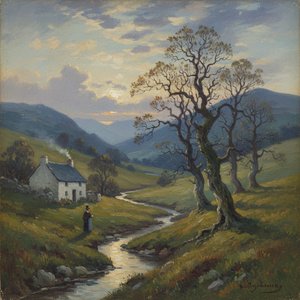
Penry Williams: Evoking Welsh Nostalgia Through Impressionistic Landscapes
Explore the captivating world of Penry Williams (1802-1885), a Welsh artist renowned for his evocative Impressionistic landscapes and scenes of Italy. Discover his life, style & legacy with OriginalUniqueArt.

The Timeless Charm of Oil on Board: Reimagining Texture and Light through the Impressionist Lens
Discover the profound intimacy of oil on panel. Explore how Impressionist masters used rigid supports to capture light, texture, and impasto depth through exquisite, handmade oil reproductions for discerning collectors.

Evocations of Place: A Historical Journey Through Landscape Art
Explore the rich history of landscape art with OriginalUniqueArt. Discover renowned artists, movements like Impressionism & Romanticism, and expert guidance for collecting timeless pieces. Find your perfect serene escape today!

25 Remek-dela Džona Konstebla: Lepota Engleske na Platnu | OriginalUniqueArt
Uronite u svet Džona Konstebla! Otkrijte 25 remek-dela engleskog pejzaža, romantizma i seoske idile. Kupite reprodukcije slika vrhunskog kvaliteta za dekoraciju enterijera na OriginalUniqueArt.com.


