

 Pregledaj u prostoru
 Podeli
 Podeli
 Detalji
 Vodič
Vodič

 Preuzmi sliku
 Slični predmeti
 Rendgenski snimak
 Automatska prezentacija
 Statistika
The Walking Tour


 Pročitaj više
Ručno rađena uljana reprodukcija
Ručno oslikano uljanim bojama na platnu u dimenzijama i okviru po vašem izboru, izrađeno po porudžbini od strane naših umetnika. ( Pređi na prodaju štampanih primeraka Pređi na prodaju digitalnih slika)




P118B $10

P118H $10

P118W $10

P438Z $10

P508JH $12

P508YH $12

P805H $10

P805Z $10

P919BZ $10

P919G $10

P919XJ $10

P959ZH $10

P968JZ $12

W106C $8

W218G $10

W218JH $8

W218Y $10

W307PJ $10

W316G $10

W316PJ $8

W316Y $10

W398PJ $8

W4111J $10

W500HY $15

W500JH $15

W692G $12

W849H $8

W940BG $15

W953PJ $8




Izaberite jednu od naših unapred definisanih veličina koje odgovaraju originalnim proporcijama umetničkog dela.

Možete uneti sopstvene dimenzije kako biste prilagodili umetničko delo određenom okviru ili prostoru. Ako odabrana veličina ne odgovara proporcijama originala, slika će biti isečena ili proširena dodatnim elementima koji se ručno oslikavaju. Digitalni prikaz će vam biti poslat na odobrenje pre početka proizvodnje.
Imajte na umu da pregled na ekranu ne odražava stvarno prisecanje ili proširenje. Samo mockup će precizno prikazati konačnu kompoziciju.
Iako su dostupne prilagođene veličine, preporučujemo da izaberete dimenziju iz unapred definisane liste kako biste sačuvali originalne proporcije.
Nakon narudžbine, tim OriginalUniqueArt.com će klijentu putem e-pošte poslati uputstva i dostaviti prikaz predloženog rešenja
Svetska isporuka () za 3/4 nedelje umesto uobičajenih 5 nedelja. (21 септембар). Bez kompromisa po pitanju kvaliteta.

Besplatna ekspresna dostava širom sveta

Visokokvalitetno laneno platno

Sveobuhvatno osiguranje transporta

Garancija povraćaja carine i uvoznih dažbina

Garancija vernosti boja i autentičnosti pri reprodukciji

Politika povraćaja u roku od 100 dana (samo u slučaju nedostataka)

Garancija povrata 100% novca

Popust pri većoj količini
 Opcija sa staklom dostupna je samo za dimenzije manje od 110 cm

The Walking Tour
Tehnika izrade reprodukcije
Veličina reprodukcije
-


Ukupna cena
$ 300
The Walking Tour – A Luminist Embrace of American Landscape
John Frederick Kensett’s “The Walking Tour,” painted in 1847, isn't merely a depiction of a picturesque landscape; it’s an invitation to contemplate the sublime beauty of nature and the quiet joy of exploration. This masterful work, now housed within the Metropolitan Museum of Art, exemplifies the Luminist movement – a distinctly American style that emerged in the mid-19th century, characterized by its emphasis on light, atmosphere, and serene observation. Kensett, a key figure in this artistic circle, eschewed dramatic narratives or heroic subjects, instead focusing on capturing the subtle nuances of the natural world with an almost meditative intensity.
The scene unfolds along a gently sloping path that winds through a vibrant, verdant valley. A meandering river, reflecting the soft hues of the sky, snakes its way through the foreground, drawing the viewer’s eye into the heart of the composition. Scattered amongst the trees and foliage are figures – likely members of a walking party – rendered with remarkable delicacy and suggesting an intimate connection to their surroundings. These aren't grand portraits; rather, they serve as anchors for our own imaginative journey, inviting us to share in the experience of quiet contemplation.
Kensett’s technique is remarkably understated yet profoundly effective. He employs a delicate layering of brushstrokes, creating an almost luminous effect – hence the term “Luminist.” The colors are muted and harmonious, dominated by shades of green, blue, and brown, all rendered with remarkable subtlety. Light plays a crucial role; it filters through the trees, dappling the landscape in shifting patterns, and bathing the scene in a soft, ethereal glow. This masterful manipulation of light isn’t about dramatic illumination but rather about capturing the subtle shifts in atmosphere that define a tranquil afternoon.
A Reflection of Transcendentalist Ideals
“The Walking Tour” is deeply rooted in the philosophical currents of its time – specifically, the Transcendentalist movement. Figures like Ralph Waldo Emerson and Henry David Thoreau were advocating for a closer connection with nature as a means of spiritual enlightenment. Kensett’s painting embodies this philosophy by presenting nature not as something to be conquered or exploited but as a source of profound beauty and inner peace. The figures in the scene aren't actively engaged in any particular activity; they are simply *present* within the landscape, absorbing its serenity and finding solace in its quiet grandeur.
The choice of subject matter – a leisurely walk through nature – is itself significant. It speaks to a growing appreciation for the outdoors during an era increasingly dominated by industrialization and urban life. The painting offers a respite from the hustle and bustle, inviting viewers to slow down, breathe deeply, and reconnect with the natural world.
Symbolism of Path and Perspective
The winding path that dominates the composition is more than just a physical element; it represents a journey – both literal and metaphorical. It symbolizes the exploration of nature, but also the exploration of one’s own inner landscape. The perspective subtly draws the viewer into the scene, creating a sense of immersion and inviting us to step into the painting ourselves.
The placement of the figures along the path suggests a shared experience – a collective appreciation for beauty and tranquility. They are not isolated individuals but rather participants in a larger narrative of connection with nature. The river, flowing towards the horizon, can be interpreted as a symbol of time and continuity, suggesting that this moment of serenity is part of an ongoing cycle.
Capturing American Identity
“The Walking Tour” is often considered a quintessential example of American landscape painting because it captures a uniquely American sensibility. Unlike European artists who frequently depicted grand historical scenes or mythological narratives, Kensett focused on the beauty and character of his native land. He sought to portray an idealized vision of America – one that was both beautiful and accessible, reflecting the nation’s burgeoning sense of identity.
Today, this painting continues to resonate with viewers who appreciate its quiet beauty, its subtle symbolism, and its profound connection to nature. It serves as a reminder of the importance of slowing down, appreciating the simple pleasures of life, and seeking solace in the natural world – values that remain remarkably relevant in our increasingly complex and fast-paced society.
Biografija umetnika
Живот и рани кораци ка уметности
Џон Фредерик Кенсет, рођен 22. марта 1816. године у Чеширу, Конектикат, био је амерички сликар и гравер чији је живот био посвећен заробљавању тишине и лепоте пејзажа. Као члан друге генерације представника школе реке Хадсон, Кенсет је стекао признање захваљујући својим радовима који су одликовали мир и светлучавост, прослављајући трансценденталне аспекте природе. Његов пут ка уметности није био директан; прво се школовао у Чеширској академији, а затим је учио граверство од свог оца, Томаса Кенсета. Радио је као гравер у Њу Хевену до 1838. године, пре него што се преселио у Њујорк да ради на гравурама новчаница. Ово рано искуство у детаљном и прецизном раду оставило је трајан утисак на његов каснији стил сликања.
Путовања, студија и формирање ликовног израза
Кључан тренутак у Кенсетовом развоју дошао је 1840. године када је отпутовао у Европу да проучава сликање. Усавршавао је свој таленат уз Бењамина Чемпнија, а ово путовање му је омогућило да се упозна са европским мајсторима и разним ликовним техникама. Након повратка у Америку, Кенсет је успоставио свој студио у Њујорку и кренуо на опсежна путовања кроз Североисток и Колорадо Рокис. Ова путовања су била одлучујућа за његов рад, омогућивши му да зароби суштину америчког пејзажа. Његов стил се постепено развијао из традиционалног приступа школе реке Хадсон ка префињенијој луминистичкој техници, карактерисаној ненаметљивим потезима кистом који су преносили квалитете атмосферске светлости.
Луминизам и Кенсетов препознатљив стил
Кенсет је био познат по својој способности да ухвати суптилне нијансе светла и атмосфере, стварајући слике које су одликовале мир и тишину. Његов луминистички стил се манифестовао кроз пажљиво постављање боја и детаљно представљање природних елемената. Радови попут Маунт Вашингтон из долине Конвеј (1851), који је купила Америчка уметничка унија и дистрибуирана међу 13.000 претплатника, постали су иконични примери његовог талента. Итонс Нецк, Лонг Ајланд (1872), који се данас налази у колекцији Метрополитан музеја уметности у Њујорку, је још један пример Кенсетовог луминистичког стила. Ове слике нису само реалистичке репрезентације пејзажа; оне су изрази његовог дубоког поштовања према природи и његовом умећу да пренесе њену лепоту на платну.
Наслеђе и утицај
Кенсет је био оснивач Метрополитан музеја уметности и пуноправни члан Националне академије дизајна. Његов рад, широко признат током његовог живота, наставио је да има значајан утицај на сликарство пејзажа. Кенсет је био инспирисан радовима Томаса Кола и сарађивао са Бењамином Чемпнијем на европским експедицијама, али је развио свој препознатљив стил који га је издвојио као једног од водећих представника школе реке Хадсон и луминизма. Кључни радови:
- Сансет Скај (око 1870), Метрополитан музеј уметности, Њујорк
- Три Маил Харбор (око 1860), Музеј финих уметности, Талахаси
- Томас Кол
- Бењамин Чемпни

Џон Фредерик Кенсет
1816 - 1872 , Сједињене Америчке Државе
Brzi pregled
- Artistic Movement Or Style: Hudson River School & Luminizam
- Artists Or Movements Influenced By This Artist: ['Luminizam']
- Artists Who Influenced This Artist:
- Thomas Cole
- Benjamin Champney
- Date Of Birth: 22. mart 1816.
- Date Of Death: 14. decembar 1872.
- Full Name: John Frederick Kensett
- Nationality: Amerikanac
- Notable Artworks:
- Mount Washington Valley
- Eaton's Neck, Long Island
- Place Of Birth: Cheshire, SAD
Srodni članci

John Frederick Kensett: Luminosity, Landscape & the American Identity
Explore the luminous landscapes of John Frederick Kensett, a master of Luminism and key figure in the Hudson River School. Discover his serene paintings & enduring legacy with OriginalUniqueArt.
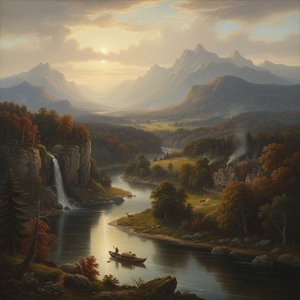
Capturing the American Spirit: A Journey Through Iconic Landscapes and the Legacy of the Hudson River School
Explore the profound beauty of American art history. From the Hudson River School to iconic landscapes, discover a curated journey through the masterpieces that defined a nation's spirit and the enduring legacy of American Romanticism.
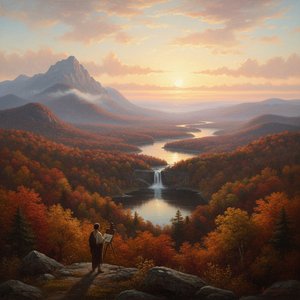
The Sublime Landscape: Exploring the Hudson River School Movement
Explore the captivating world of the Hudson River School! Discover the history, artists, and defining characteristics of this iconic American art movement. Learn about Romanticism's influence & find inspiration for your collection.
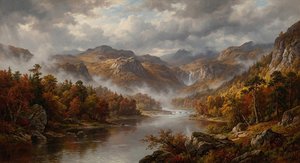
Top 10 Remek Dela Koja Su Definisala Hudson River School: Majstorski Priori Za Vaš Dom
Otkrijte 10 remek dela koja su definisala Hudson River School! Uronite u priče o Thomas Cole-u, Frederic Church-u i veličanstvenim pejzažima Amerike. Inspiracija za vaš dom – vrhunske reprodukcije na OriginalUniqueArt.com!
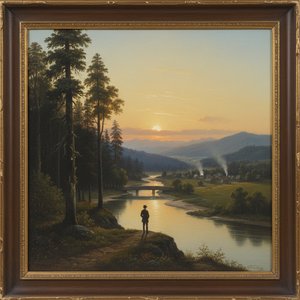
Robert Spencer: Luminism, Narrative & the American Landscape Tradition
Explore the captivating world of Luminism & the Hudson River School with our expert analysis. Discover the history, artists, and enduring beauty of 19th-century American landscape painting. Find museum-quality reproductions at OriginalUniqueArt.


