

 Pregledaj u prostoru
 Podeli
 Podeli
 Detalji
 Guide
Guide

 Preuzmi sliku
 Slični predmeti
 Rendgenski snimak
 Automatska prezentacija
 Statistika
Ducks and Ducklings
 Academic Painting
 23.0 x 30.0 cm
 Sunderland Museum - Winter Gardens
 Pročitaj više
Ručno rađena uljana reprodukcija
Ručno oslikano uljanim bojama na platnu u dimenzijama i okviru po vašem izboru, izrađeno po porudžbini od strane naših umetnika. ( Pređi na prodaju štampanih primeraka Pređi na prodaju digitalnih slika)




































Izaberite jednu od naših unapred definisanih veličina koje odgovaraju originalnim proporcijama umetničkog dela.

Možete uneti sopstvene dimenzije kako biste prilagodili umetničko delo određenom okviru ili prostoru. Ako odabrana veličina ne odgovara proporcijama originala, slika će biti isečena ili proširena dodatnim elementima koji se ručno oslikavaju. Digitalni prikaz će vam biti poslat na odobrenje pre početka proizvodnje.
Imajte na umu da pregled na ekranu ne odražava stvarno prisecanje ili proširenje. Samo mockup će precizno prikazati konačnu kompoziciju.
Iako su dostupne prilagođene veličine, preporučujemo da izaberete dimenziju iz unapred definisane liste kako biste sačuvali originalne proporcije.
Nakon narudžbine, tim OriginalUniqueArt.com će klijentu putem e-pošte poslati uputstva i dostaviti prikaz predloženog rešenja
Svetska isporuka () za 3/4 nedelje umesto uobičajenih 5 nedelja. (20 септембар). Bez kompromisa po pitanju kvaliteta.

Besplatna ekspresna dostava širom sveta

Visokokvalitetno laneno platno

Sveobuhvatno osiguranje transporta

Garancija povraćaja carine i uvoznih dažbina

Garancija vernosti boja i autentičnosti pri reprodukciji

Politika povraćaja u roku od 100 dana (samo u slučaju nedostataka)

Garancija povrata 100% novca

Popust pri većoj količini
 Opcija sa staklom dostupna je samo za dimenzije manje od 110 cm

Ducks and Ducklings
Tehnika izrade reprodukcije
Veličina reprodukcije
-


Ukupna cena
$ 300
Biografija umetnika
The Legacy of John Frederick Herring II: A Master of the Equestrian Spirit
In the grand tapestry of British art history, few names evoke the rhythmic pulse of the Victorian countryside as vividly as John Frederick Herring II. Born in 1820 in Chelmsford, Essex, Herring emerged not merely as a painter, but as a chronicler of an era defined by the elegance of the horse and the pastoral serenity of the English landscape. His artistic lineage is one of profound importance; he was the scion of a celebrated tradition, having been raised under the watchful eye and expert tutelage of his father, John Frederick Herring Sr. This early immersion in the nuances of equine anatomy and the dynamics of motion instilled in him a lifelong devotion to capturing the very essence of animal vitality—a passion that would eventually elevate him to the heights of nineteenth-century fame.
Herring’s development was marked by a seamless blend of inherited tradition and formal academic rigor. While his father provided the foundational language of the equestrian genre, Herring sought to expand this vocabulary through his studies at the Royal Academy in London. Here, he moved beyond simple documentation to embrace a more sophisticated approach to light, texture, and atmosphere. His work began to bridge the gap between the specialized niche of sporting art and the broader, more emotive realms of Romantic landscape painting. This evolution allowed him to present horses not just as subjects of athletic prowess, and racing, but as integral components of a living, breathing ecosystem.
The Art of Motion and the English Landscape
What truly distinguishes Herring’s oeuvre is his unparalleled ability to render the tension and grace of movement. Whether depicting the thundering hooves of a racehorse or the quiet, muscular repose of carriage horses in a courtyard, his canvases possess an unmistakable energy. In masterpieces such as “The Royal Mail Coach” (1841), one observes a masterful command over composition, where the drama of travel and social status is anchored by the meticulous realism of the animals and their surroundings. He did not merely paint horses; he painted the weight of their breath, the subtle sheen of their coats, and the way they interacted with the rugged textures of the English earth.
Beyond the spectacle of the hunt and the race, Herring found profound beauty in the quietude of rural life. His landscapes often served as a stage for the pastoral rhythms of the Victorian age, featuring:
- Serene Pastoral Scenes: Works like “Farmyard with Saddlebacks” utilize earthy tones and textured brushwork to evoke the rustic charm of agricultural existence.
- Naturalistic Studies: His ability to capture tranquil moments, such as in “Ducks and Ducklings,” demonstrates a sensitivity to the delicate balance of nature within lush, verdant meadows.
- Architectural Integration: His landscapes frequently incorporated churches and village structures, reflecting the era's deep-seated connection between the land, community, and spiritual morality.
Historical Significance and Enduring Influence
The significance of John Frederick Herring II extends far beyond the confines of sporting circles. During his lifetime, his work resonated with a wide spectrum of society, earning him prestigious commissions from figures as notable as Queen Victoria. This level of patronage underscores his role in defining the visual identity of the Victorian era—a period that sought to find beauty in both the industriousness of progress and the nostalgic stability of the countryside. His paintings acted as windows into a world where the boundaries between human endeavor and animal instinct were harmoniously intertwined.
As we look back upon his prolific career, which spanned until his death in 1907, we see an artist who successfully navigated the transition from the strictures of classical realism to the more emotive sensibilities of the late nineteenth century. His dedication to anatomical precision and atmospheric depth ensured that his work remained timeless. Today, Herring’s legacy lives on through his ability to freeze moments of profound vitality, offering modern viewers a poignant connection to the lost rhythms of a bygone British landscape.

john frederick herring ii
1820 - 1907
Brzi pregled
- Artistic Movement Or Style: Romanticism
- Artists Or Movements Influenced By This Artist: ['Victorian Art Styles']
- Artists Who Influenced This Artist: ['John Frederick Herring Sr.']
- Date Of Birth: 1820
- Date Of Death: 1907
- Full Name: John Frederick Herring II
- Nationality: British
- Notable Artworks:
- The Royal Mail Coach on the Road
- Grey carriage horses in the coachyard at Putteridge Bury, Hertfordshire
- Farmyard Scene
- Place Of Birth: Cheltenham, Gloucestershire
Srodni članci

25 Remek-dela Džona Konstebla: Lepota Engleske na Platnu | OriginalUniqueArt
Uronite u svet Džona Konstebla! Otkrijte 25 remek-dela engleskog pejzaža, romantizma i seoske idile. Kupite reprodukcije slika vrhunskog kvaliteta za dekoraciju enterijera na OriginalUniqueArt.com.

The Enduring Legacy of Oil on Canvas: Technique, History & Aesthetic Impact
Explore the rich history & techniques of oil painting – from Renaissance masters to Impressionism. Discover pigments, layering methods, and why this timeless medium endures. Expert insights for artists & art enthusiasts.
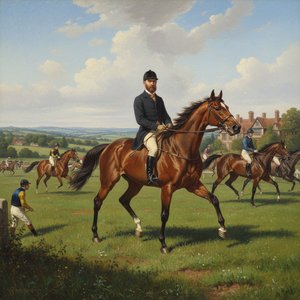
John Frederick Herring Sr.: Equestrian Mastery & the Rise of Sporting Art in Victorian England
Explore the life & work of John Frederick Herring Sr., a leading Victorian equestrian artist. Discover his masterpieces, patronage, techniques & investment potential. Expert insights for collectors.
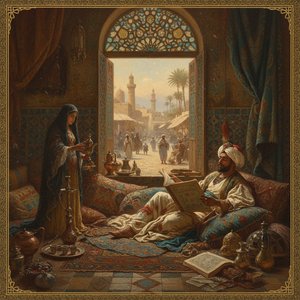
John Frederick Lewis: Orientalism, Detail & Genre Painting in 19th-Century British Art
Explore the captivating Orientalist paintings of John Frederick Lewis! Discover his mastery of detail, genre scenes & influence on 19th-century British art. Learn about his life, techniques & legacy at OriginalUniqueArt.

25 Remek-dela Džona Singera Sargenta: Portreti Elegancije i Svetlosti | OriginalUniqueArt
Uronite u svet Džona Singera Sargenta! Otkrijte 25 remek-dela impresionizma i realizma, od portreta Madame X do fascinantnih akvarela. Inspiracija za dekoraciju enterijera & luksuzne reprodukcije slika na OriginalUniqueArt.com.