
 Pregledaj u prostoru
 Pošalji
 Podeli
 Detalji o delu

 Преузми
 Slični predmeti
 Rendgenski snimak
 Slajdovi
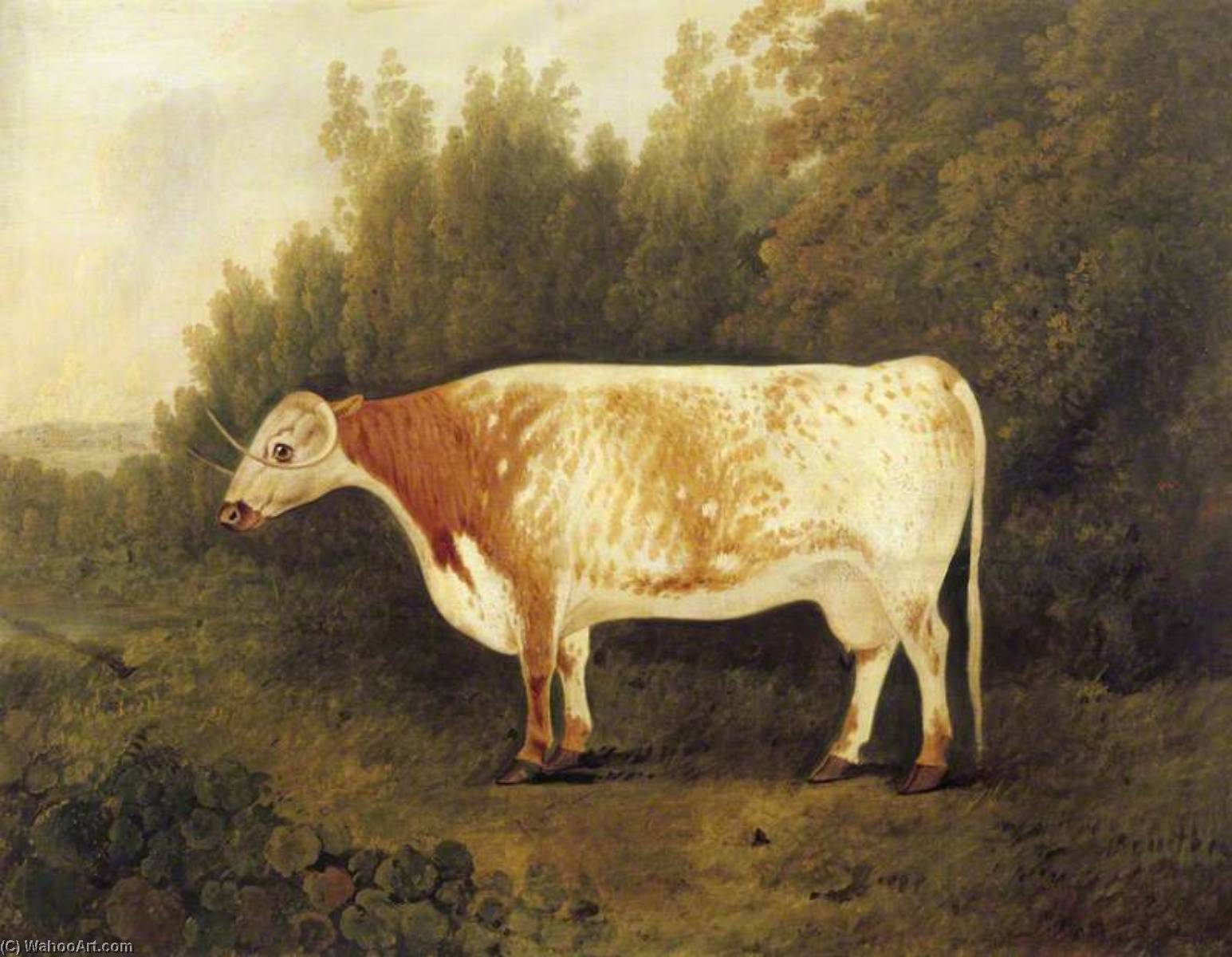
'Spotted Nancy' A Cow
 73.0 x 93.0 cm
 National Trust
 Pročitaj više
Giclee štampa / Umetnički otisak
Giclée štampa ili print na platnu muzejskog kvaliteta uz brzu proizvodnju i fleksibilne opcije završne obrade. ( Kupi ručno naslikanu sliku Kupi digitalnu sliku)




































Izaberite jednu od naših unapred definisanih veličina koje odgovaraju originalnim proporcijama umetničkog dela.

Možete uneti sopstvene dimenzije kako biste umetničko delo prilagodili specifičnom okviru ili prostoru. Ako odabrani format ne odgovara proporcijama originalne slike, mi ćemo ili iscrtati deo dela ili proširiti sliku pomoću ogledane ivice ili jednobojnog popunjavanja. Digitalni prikaz će vam biti poslat na odobrenje pre početka proizvodnje.
Imajte na umu da pregled na ekranu ne odražava stvarno iscrtavanje ili proširivanje. Samo će prikaz (mockup) precizno pokazati finalnu kompoziciju.
Iako su prilagođene dimenzije dostupne, preporučujemo da odaberete dimenziju sa unapred definisane liste kako biste očuvali originalne proporcije.
Dostava širom sveta () za 2 nedelje umesto uobičajenih 4/5 nedelja. (12 август)

Besplatna ekspresna dostava širom sveta

Visokokvalitetno laneno platno

Kompletno osiguranje transporta

Garancija povraćaja carine i uvoznih dažbina

Garancija vernosti boja

Politika povrata u roku od 60 dana (samo u slučaju nedostataka)

Garancija povrata novca od 100%

Popust pri grupnoj kupovini
 Opcija sa staklom dostupna je samo za dimenzije manje od 110 cm

'Spotted Nancy' A Cow
Giclee štampa / Umetnički otisak
Dimenzije reprodukcije
-


Konačna cena
$ 80
Biografija umetnika
John Boultbee: A Painter of Horses and British Life
John Boultbee (1753-1812) emerges from the annals of 18th and early 19th-century England as a remarkably versatile artist, primarily celebrated for his captivating equestrian paintings and evocative depictions of rural life. Born in Osgathorpe, Leicestershire, into a family with artistic leanings – his twin brother Thomas also pursued painting – Boultbee’s career unfolded against the backdrop of a rapidly changing Britain, marked by burgeoning commerce, evolving social structures, and a growing appreciation for landscape and sporting subjects. While often overshadowed by more prominent figures of the era, Boultbee's work offers a valuable window into the tastes, customs, and artistic sensibilities of his time.
Early influences undoubtedly stemmed from Sir Joshua Reynolds, whose presidency at the Royal Academy Schools in 1775 provided Boultbee with crucial training. The Academy’s emphasis on classical principles and naturalism shaped his initial style, evident in his early landscape paintings exhibited in 1776. However, Boultbee quickly developed a distinctive approach, particularly when it came to portraying horses – an obsession that would define much of his oeuvre. His fascination with these magnificent animals wasn't merely aesthetic; it reflected the growing importance of equestrian pursuits within British society, from hunting and racing to military displays. The influence of George Stubbs, a pioneering animal painter known for his anatomical accuracy and dynamic compositions, is readily apparent in Boultbee’s later works.
A Royal Patronage and Sporting Subjects
Boultbee's fortunes shifted dramatically with the patronage of King George III. Recognizing the artist’s skill in capturing the grace and power of horses, the monarch commissioned a series of portraits, solidifying Boultbee’s position within the highest echelons of British society. This royal favor afforded him a residence in Windsor Great Park, providing invaluable access to royal stables and allowing him to observe and paint these magnificent animals firsthand. The resulting paintings – often lavishly detailed and imbued with a sense of grandeur – became symbols of royal power and prestige.
Beyond the royal commissions, Boultbee’s artistic interests extended to depicting rural landscapes and sporting scenes. He frequently portrayed hunts, races, and other equestrian events, capturing the energy and excitement of these pursuits. His paintings offer a glimpse into the lives of the landed gentry, showcasing their leisure activities and reflecting the prevailing social values of the time. His depictions of cattle, particularly those commissioned for the Duke of Bedford, demonstrate an understanding of livestock breeds and agricultural practices – a testament to his keen observational skills.
Technique and Style
Boultbee’s artistic style is characterized by a remarkable blend of technical skill and expressive flair. He possessed a deep knowledge of equine anatomy, meticulously rendering the musculature and movement of horses with impressive accuracy. His compositions are often dynamic and engaging, utilizing light and shadow to create a sense of depth and drama. While influenced by classical principles, Boultbee’s work is not overly formal or rigid; rather, it possesses a certain spontaneity and vitality.
His use of color is particularly noteworthy. He favored warm, earthy tones – browns, ochres, and greens – to evoke the natural beauty of the landscapes he depicted. He also employed subtle gradations of light and shadow to create a sense of atmosphere and mood. His later works often exhibit a delicate pinkish hue, possibly influenced by the prevailing fashion for pastel shades.
Legacy and Significance
Despite not achieving widespread fame during his lifetime, John Boultbee’s work has since been recognized as an important contribution to British art history. His equestrian paintings are particularly valued for their technical skill, expressive quality, and historical significance. They offer a unique perspective on the social and cultural landscape of 18th-century Britain, reflecting the importance of horses in both military and sporting contexts.
Today, Boultbee’s paintings can be found in major museums and private collections throughout the United Kingdom. His legacy endures as a testament to his artistic talent and his ability to capture the spirit of his time. The Durham Ox, commissioned by John Day, remains an iconic image of British rural life, embodying the artist's skill and the enduring fascination with horses within British culture.

john boultbee
1753 - 1812
Osnovne informacije
- Artistic Movement Or Style: Equestrian & Sporting
- Artists Or Movements Influenced By This Artist: ['Sir Joshua Reynolds']
- Artists Who Influenced This Artist:
- George Stubbs
- Sawrey Gilpin
- Date Of Birth: 4 June 1753
- Date Of Death: 30 November 1812
- Full Name: John Boultbee
- Nationality: English
- Notable Artworks:
- The Durham Ox (1802)
- Portrait of Horses
- Portrait of a favourite horse
- Place Of Birth: Osgathorpe, Leicestershire

