- Početna strana

- Štampa na platnu
- johann lucas kracker
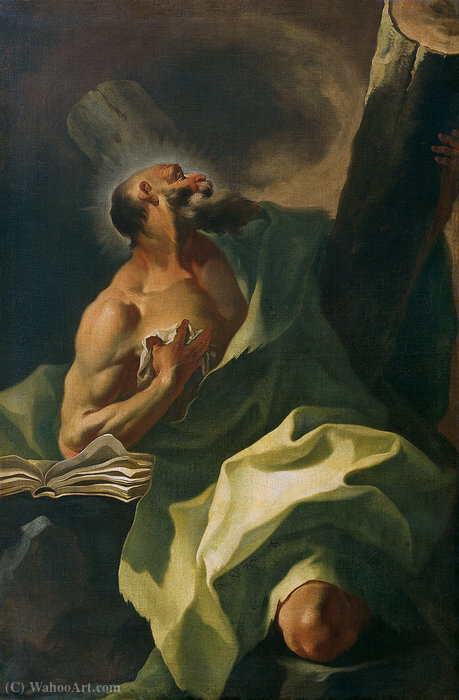
- Saint andrew
 Pregledaj u prostoru
 Pošalji
 Podeli
 Detalji o delu

 Преузми
 Slični predmeti
 Rendgenski snimak
 Slajdovi
Saint andrew
 Pročitaj više
Giclee štampa / Umetnički otisak
Giclée štampa ili print na platnu muzejskog kvaliteta uz brzu proizvodnju i fleksibilne opcije završne obrade. ( Pređite na ručno oslikano umetničko delo Prebacite na sliku)




































Izaberite jednu od naših unapred definisanih veličina koje odgovaraju originalnim proporcijama umetničkog dela.

Možete uneti sopstvene dimenzije kako biste umetničko delo prilagodili specifičnom okviru ili prostoru. Ako odabrani format ne odgovara proporcijama originalne slike, mi ćemo ili iscrtati deo dela ili proširiti sliku pomoću ogledane ivice ili jednobojnog popunjavanja. Digitalni prikaz će vam biti poslat na odobrenje pre početka proizvodnje.
Imajte na umu da pregled na ekranu ne odražava stvarno iscrtavanje ili proširivanje. Samo će prikaz (mockup) precizno pokazati finalnu kompoziciju.
Iako su prilagođene dimenzije dostupne, preporučujemo da odaberete dimenziju sa unapred definisane liste kako biste očuvali originalne proporcije.
Dostava širom sveta () za 2 nedelje umesto uobičajenih 4/5 nedelja. (31 јул)

Besplatna ekspresna dostava širom sveta

Visokokvalitetno laneno platno

Kompletno osiguranje transporta

Garancija povraćaja carine i uvoznih dažbina

Garancija vernosti boja

Politika povrata u roku od 60 dana (samo u slučaju nedostataka)

Garancija povrata novca od 100%

Popust pri grupnoj kupovini
 Opcija sa staklom dostupna je samo za dimenzije manje od 110 cm

Saint andrew
Giclee štampa / Umetnički otisak
Dimenzije reprodukcije
-


Konačna cena
$ 80
Biografija umetnika
The Celestial Brush of the Late Baroque: The Life of Johann Lucas Kracker
In the grand, sweeping tapestry of Central European art, few names evoke the spiritual drama and architectural splendor of the late Baroque period as poignently as Johann Lucas Kracker. Born in Vienna in 1717, Kracker emerged from a lineage deeply rooted in the tactile world of sculpture, being the son of the sculptor Josef Kracker. This early exposure to the three-dimensional weight of form would later inform his approach to two-dimensional surfaces, allowing him to breathe a sculptural vitality into his frescoes and altarpieces. His journey was one of movement and light, traversing the great artistic hubs of the 18th century—from the academic rigor of Vienna to the vibrant religious landscapes of Moravia and Hungary.
Kracker’s artistic soul was forged in the prestigious halls of the Academy of Fine Arts Vienna. Under the mentorship of Anton Hertzog, he mastered the foundational principles of classical composition, yet it was his time spent alongside masters such as Paul Troger and Michelangelo Unterberger that truly refined his ability to capture the divine. These influences instilled in him a sense of Baroque dynamism—a way to manipulate light and shadow to create an illusion of infinite space. His early work at the Schlosskirche St. Martin in Graz, though tragically lost to fire, served as a monumental testament to his burgeoning mastery, signaling the arrival of a painter capable of transforming stone and plaster into windows to the heavens.
A Journey Through Sacred Spaces
As Kracker’s reputation grew, so too did the geographical scope of his commissions. His career was a pilgrimage through the heart of the Holy Roman Empire's religious landscape. In Brno and throughout Moravia, he established himself as a premier craftsman, navigating the complexities of local guilds and ecclesiastical patronage with remarkable skill. Even when faced with the professional hurdles of Prague’s Painters' Guild, Kracker’s ambition remained undeterred, leading him to undertake the ambitious decoration of the Church of St. Nikolaus in Malá Strana—a project that solidified his status as a daring visionary who refused to be constrained by convention.
The breadth of his oeuvre is best understood through the subjects he chose to immortalize:
- Religious Iconography: His ability to render the profound sanctity of figures like Saint Andrew and John of Nepomuk allowed worshippers to feel a direct, emotional connection to the divine.
- Dramatic Narratives: In works such as The Council in Trident, Kracker utilized rich colors and intricate architectural details to recreate the historical gravity of pivotal religious gatherings.
- Devotional Scenes: From the tender intimacy of The Holy Family to the missionary fervor found in St. Francis of Solano Baptizing Indians, his brush captured the full spectrum of Christian emotion.
Legacy and the Eger Twilight
The final chapter of Kracker’s life saw him settling in Eger, where he found a prestigious sanctuary under the patronage of Bishop Karl von Esterhazy. It was here, amidst the breathtaking frescoes of the Minorite Church, that his talent reached a state of serene maturity. His work in Eger remains a cornerstone of Hungarian Baroque heritage, showcasing a seamless integration of painting and architecture that continues to inspire awe. When he passed away in 1779, Kracker left behind more than just paintings; he left a legacy of spiritual transcendence. Through his mastery of color, light, and movement, he ensured that the grandeur of the Baroque era would endure, etched forever into the ceilings and altars of Europe.

johann lucas kracker
1719 - 1779 , Austria
Osnovne informacije
- Artistic Movement Or Style: Baroque
- Artists Or Movements Influenced By This Artist: ['Tobias Kracker']
- Artists Who Influenced This Artist:
- Paul Troger
- Michelangelo Unterberger
- Date Of Birth: March 3, 1717
- Full Name: Johann Lucas Kracker
- Nationality: Austrian-Czech
- Notable Artworks:
- Saint Andrew
- John of Nepomuk
- Place Of Birth: Vienna, Austria

