

 Pregledaj u prostoru
 Podeli
 Podeli
 Detalji
 Vodič
Vodič

 Preuzmi sliku
 Slični predmeti
 Rendgenski snimak
 Automatska prezentacija
 Statistika
Self-Portrait


 Pročitaj više
Giclee štampa / Umetnički otisak
Giclée štampa ili print na platnu muzejskog kvaliteta uz brzu izradu i raznovrsne opcije završne obrade. ( Naručite ručno oslikano reprodukciju Pređi na prodaju digitalnih slika)




































Izaberite jednu od naših unapred definisanih veličina koje odgovaraju originalnim proporcijama umetničkog dela.

Možete uneti sopstvene dimenzije kako biste umetničko delo prilagodili specifičnom okviru ili prostoru. Ako odabrani format ne odgovara proporcijama originalne slike, mi ćemo ili iscrtati deo dela ili proširiti sliku pomoću ogledane ivice ili jednobojnog popunjavanja. Digitalni prikaz će vam biti poslat na odobrenje pre početka proizvodnje.
Imajte na umu da pregled na ekranu ne odražava stvarno iscrtavanje ili proširivanje. Samo će prikaz (mockup) precizno pokazati finalnu kompoziciju.
Iako su prilagođene dimenzije dostupne, preporučujemo da odaberete dimenziju sa unapred definisane liste kako biste očuvali originalne proporcije.
Dostava širom sveta () za 2 nedelje umesto uobičajenih 4/5 nedelja. (27 септембар)

Besplatna ekspresna dostava širom sveta

Visokokvalitetno laneno platno

Sveobuhvatno osiguranje transporta

Garancija povraćaja carine i uvoznih dažbina

Garancija vernosti boja i autentičnosti pri reprodukciji

Politika povraćaja u roku od 100 dana (samo u slučaju nedostataka)

Garancija povrata 100% novca

Popust pri većoj količini
 Opcija sa staklom dostupna je samo za dimenzije manje od 110 cm

Self-Portrait
Giclee štampa / Umetnički otisak
Veličina reprodukcije
-


Ukupna cena
$ 80
Biografija umetnika
Early Life and Training
Johann Heinrich von Dannecker was born on October 16, 1758, in Waldemarbach, Germany. He came from a modest background; his father, Georg Dannecker, was a coachman for Charles Alexander, Duke of Württemberg. The family relocated to Ludwigsburg in 1764. Dannecker initially attended military school at the age of thirteen but transitioned to artistic training from 1772 to 1780 alongside Philipp Jakob Scheffauer. His early education included studies under Adam Bauer and, starting in 1775, at the military academy in Stuttgart. A significant moment came when he won a prize at a competition with his model of Milo of Crotona, leading Duke Charles Alexander to appoint him sculptor to the palace in 1780. During this period, Dannecker focused on creating child-angels and caryatids for palace decorations.Travels and Artistic Development
Following his academy completion in 1780, Dannecker embarked on a crucial journey through Europe. He visited Paris, Rome, Bologna, and Mantua, returning to Stuttgart in 1790. This period of travel profoundly shaped his artistic style. He subsequently served as a professor at the Hohe Karlsschule until 1794. His work during this time reflected a dual influence: admiration for Antonio Canova and a deep study of ancient Greek and Roman art. Dannecker never left Stuttgart again after these travels, dedicating himself to his craft within the city.Major Works and Style
Dannecker’s artistic output included various sculptures, often characterized by neoclassical elegance and detail. Early works like a girl lamenting her dead bird gained considerable admiration for their delicate portrayal of emotion. He created notable pieces such as Sappho (in marble), offering-bearers for the Jagdschloss, Hector (not in marble), The Complaint of Ceres (inspired by Schiller’s poem), a statue of Christ, Psyche, a kneeling water-nymph, and multiple versions of Love. His most celebrated work is undoubtedly "Ariadne on the Panther," initially modeled in terracotta in 1803 and later executed in marble between approximately 1810 and 1814. This sculpture, now housed in the Liebieghaus Sculpture Collection in Frankfurt, is widely considered his masterpiece and a pivotal piece of 19th-century sculpture. The creation of this work was facilitated by a contract with Frankfurt banker Simon Moritz von Bethmann, who commissioned the marble version and built a neoclassical museum (the Bethmann Museum) to showcase it.Legacy and Historical Significance
Johann Heinrich von Dannecker’s legacy extends beyond his individual sculptures. The Bethmann Museum, designed specifically to display "Ariadne on the Panther," was Frankfurt's first purpose-built museum building, demonstrating a commitment to art appreciation and public access. His bust of Friedrich Schiller, created after the poet’s death, gained further recognition when Reinhold Begas made copies for the monumental Schiller statue in Berlin's Gendarmenmarkt. Dannecker continued working into his later years, creating busts like that of John the Baptist in 1823 and 1824. He died on December 8, 1841, leaving behind a body of work that exemplifies neoclassical sculpture and contributed significantly to German art history. His influence can be seen in subsequent generations of sculptors who admired his technical skill and artistic vision.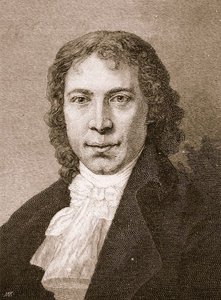
Johann Heinrich von Dannecker
1758 - 1841 , Germany
Brzi pregled
- Artistic Movement Or Style: Neoclassical
- Artists Who Influenced This Artist: ['Antonio Canova']
- Date Of Birth: October 16, 1758
- Date Of Death: December 8, 1841
- Full Name: Johann Heinrich von Dannecker
- Nationality: German
- Notable Artworks:
- Ariadne on the Panther
- Sappho
- Psyche
- Friedrich von Schiller (bust)
- Place Of Birth: Waldemarbach, Germany