

 Pregledaj u prostoru
 Pošalji
 Podeli
 Detalji o delu
 Vodič
Vodič

 Preuzmi
 Slični predmeti
 Rendgenski snimak
 Automatska prezentacija
 Statistika
Дизајн за гробни камен


 Pročitaj više
Ručno rađena uljana reprodukcija
Ručno oslikano uljanim bojama na platnu u dimenzijama i okviru po vašem izboru, izrađeno po porudžbini od strane naših umetnika. ( Pređi na štampu Pređi na digitalnu sliku)




P118B дин10

P118H дин10

P118W дин10

P438Z дин10

P508JH дин12

P508YH дин12

P805H дин10

P805Z дин10

P919BZ дин10

P919G дин10

P919XJ дин10

P959ZH дин10

P968JZ дин12

W106C дин8

W218G дин10

W218JH дин8

W218Y дин10

W307PJ дин10

W316G дин10

W316PJ дин8

W316Y дин10

W398PJ дин8

W4111J дин10

W500HY дин15

W500JH дин15

W692G дин12

W849H дин8

W940BG дин15

W953PJ дин8




Izaberite jednu od naših unapred definisanih veličina koje odgovaraju originalnim proporcijama umetničkog dela.

Unesite potrebnu širinu i visinu kako bi se slika uklopila u vaš ram ili zid. Pošto je ovo ručno oslikano delo, umetnik može za dimenzije drugačijeg oblika naslikati malo više prostora oko slike ili malo skratiti ivice — izbor je na vama. Pre početka rada, poslaćemo vam digitalni prikaz radi potvrde. Slika prikazana na ovoj stranici ne predstavlja konačan rezultat — samo digitalni prikaz pokazuje stvarnu sliku.
Nakon narudžbine, tim OriginalUniqueArt.com će klijentu putem e-pošte poslati uputstva i dostaviti prikaz predloženog rešenja
Svetska isporuka () za 3/4 nedelje umesto uobičajenih 5 nedelja. (28 октобар). Bez kompromisa po pitanju kvaliteta.

Besplatna ekspresna dostava širom sveta

Visokokvalitetno laneno platno

Potpuno osiguranje transporta

Garancija povraćaja carine i uvoznih dažbina

Garancija vernosti boja

Politika povraćaja u roku od 100 dana (samo u slučaju nedostataka)

Garancija povrata 100% novca

Popust na više proizvoda
 Opcija sa staklom dostupna je samo za dimenzije manje od 110 cm

Дизајн за гробни камен
Tehnika reprodukcije
Dimenzije reprodukcije
-


Ukupna cena
дин 31076
A Somber Reflection on Mortality: Johann Eckstein’s Design for Funerary Monument
Johann Eckstein (1735-1818), a German artist hailing from Poppenroth, stands as a testament to the neoclassical aesthetic flourishing in late 18th century Europe. His oeuvre encompasses portraiture, sculpture, engraving, and pastel artistry—a remarkable breadth of talent that speaks volumes about his artistic grounding and intellectual curiosity. This particular drawing, “Design for Funerary Monument,” exemplifies Eckstein’s signature style: meticulous detail combined with restrained emotion, capturing a profound contemplation on the human condition.- Subject Matter & Composition: The artwork depicts a solitary man positioned before a pile of bags—a striking juxtaposition that immediately draws attention. His outstretched hands convey vulnerability and supplication, while his gaze directs upwards, suggesting an aspiration beyond earthly concerns. The background figures offer subtle context without dominating the central figure’s expressive pose.
- Style & Technique: Eckstein's masterful use of black and white engraving—a technique favored during his time—creates a sense of solemnity and gravitas. Precise hatching and cross-hatching meticulously render textures, particularly in the robe and bags, demonstrating exceptional technical skill. The artist’s attention to detail elevates the image beyond mere representation, inviting viewers into a moment of quiet introspection.
- Historical Context: Eckstein's work emerged during a period marked by Enlightenment ideals—a fascination with reason and observation influencing artistic endeavors. Funerary monuments were considered important expressions of piety and remembrance, reflecting societal beliefs about death and afterlife. Eckstein’s design aligns perfectly with this cultural milieu, embodying the neoclassical preoccupation with idealized form and dignified emotion.
- Symbolism & Emotional Impact: The man's posture embodies humility before mortality—a theme prevalent in classical art. The bags symbolize burdens carried throughout life, hinting at anxieties about legacy and remembrance. Overall, “Design for Funerary Monument” evokes a feeling of melancholy beauty, prompting contemplation on the ephemeral nature of existence and the importance of spiritual reflection.
- Provenance & Reproduction: Currently housed at Yale Center for British Art (Paul Mellon Collection), this drawing represents an invaluable piece of artistic heritage. Fortunately, OriginalUniqueArt offers high-quality reproductions that allow enthusiasts worldwide to appreciate Eckstein’s artistry without venturing into museums. These prints capture the essence of the original artwork—its tonal subtlety and expressive power—providing a stunning visual experience for collectors and interior designers alike.
Explore more about Johann Eckstein's artistic journey here.
Discover More on Google Arts & Culture
Pitanja i odgovori
Gde mogu da kupim digitalnu verziju dela „Дизајн за гробни камен”, autor Johann Eckstein?
Digitalnu sliku dela „Дизајн за гробни камен”, autor Johann Eckstein možete kupiti na njegovoj stranici za Digitalna slika u visokoj rezoluciji: preuzimanje digitalne slike visoke rezolucije.
Ko je umetnik koji stoji iza dela "Дизајн за гробни камен"?
Autor dela "Дизајн за гробни камен" je Johann Eckstein. Delo je katalogizovano pod imenom Johann Eckstein.
Koliko je izražen kontrast u delu „Дизајн за гробни камен”, autor Johann Eckstein?
Nivo kontrasta dela „Дизајн за гробни камен”, autor Johann Eckstein je Spokojno.
Biografija umetnika
A Life of Artistic Versatility
Johann Eckstein stands as a remarkable testament to the boundless versatility required of a master craftsman during the late 18th century. Born in Poppenroth, Germany, he was the son of Conrad Eckstein, a skilled woodcarver and cabinet-maker, an upbringing that likely laid the foundation for his profound technical dexterity. His artistic journey was one of constant movement and adaptation, spanning the grand courts of Europe and the burgeoning landscape of America. A true polymath of the visual arts, Eckstein’s talent was not confined to a single medium; his oeuvre encompassed the delicate precision of engraving, the emotive power of portraiture, the tactile grace of pastel artistry, and the monumental presence of sculpture.
His formal training began at the Nuremberg Academy of Arts under the guidance of Preissler, providing him with the classical grounding necessary to navigate the prestigious artistic circles of his era. This education prepared him for a career that would see him move from the vibrant art scene of London to the royal splendor of Prussia, and eventually to the shores of the United States. Whether working in wax, marble, or ink, Eckstein possessed an intellectual curiosity that allowed him to master diverse techniques, making him a rare figure capable of addressing both the intimate scale of a portrait and the architectural demands of a public monument.
From European Courts to the New World
The trajectory of Eckstein’s career was marked by significant royal patronage and international transitions. During his time in London between 1758 and 1765, he established himself through notable achievements, such as working on the relief for the monument to Roger Townshend in Westminster Abbey and receiving prestigious premiums from the Society of Arts for his Portland stone reliefs. His reputation soon caught the attention of Frederick the Great, whose invitation led Eckstein to the Prussian court. As the principal sculptor at Potsdam and Sans Souci, he executed works that defined the neoclassical aesthetic of the era, later continuing his service under Frederick William.
Eckstein’s influence extended into the realm of fine porcelain and commemorative art, as seen in his modeling for the Berlin porcelain factory and his creation of death masks and wax busts. However, his life took a dramatic turn when he sought a new beginning in America. Arriving in Philadelphia by November 1793, he brought with him a wealth of European tradition, becoming a founder member of the Philadelphia Academy. Despite the challenges of settling in a new country—a struggle he lamented in his later years—he continued to exhibit works ranging from equestrian figures of George Washington to instructional texts like The American Drawing Magazine. His final chapter took him to Havana, where he passed away after a life defined by an unrelenting pursuit of artistic excellence across continents.
Technical Mastery and Artistic Legacy
The essence of Eckstein’s work lies in his ability to blend meticulous detail with profound emotional resonance. In his drawings and engravings, such as the Design for Funerary Monument, one observes a signature style characterized by restrained emotion and a somber reflection on the human condition. His use of techniques like precise hatching and cross-hatching allowed him to render textures with exceptional skill, creating a sense of gravitas that invited quiet introspection from the viewer. This technical precision was equally evident in his sculptural endeavors, where he could transition seamlessly from the delicate modeling of wax portraits to the heavy, enduring medium of marble.
Eckstein’s legacy is not merely found in individual masterpieces but in his role as a bridge between the established traditions of Europe and the developing artistic identity of America. His ability to master various disciplines—sculpture, engraving, painting, and even instructional writing—demonstrates a breadth of talent that few of his contemporaries could match. Through his work, he captured the neoclassical preoccupation with idealized form and dignified emotion, leaving behind a body of work that reflects both the Enlightenment ideals of his time and the personal resilience of a wandering master.

Johann Eckstein
1735 - 1818 , Germany
Osnovne informacije
- Artistic Movement Or Style: Neoclassical Sculpture
- Artists Who Influenced This Artist: ['Preissler']
- Full Name: Johann Eckstein
- Nationality: German
- Notable Artworks: ['Design for Funerary Monument']
- Place Of Birth: Poppenroth, Germany
- Date Of Birth: 1735
- Date Of Death: 1818
Povezani članci

The Enduring Form: Sculpture Across History, Technique & Emotional Resonance
Explore the rich history of sculpture with OriginalUniqueArt. Discover key techniques, influential artists & investment potential for discerning collectors. Expert insights into valuing and collecting timeless masterpieces.

The Enduring Form: Exploring Themes & Techniques in Sculpture Across Historical Periods
Explore the rich history of sculpture from ancient masterpieces to contemporary innovations. Discover key techniques, influential artists & investment potential for discerning art collectors.

Bronze Age to Modern Masters: 10 Sculptures That Redefined Art | OriginalUniqueArt
Journey through art history with 10 legendary bronze sculptures – from Michelangelo's David to Rodin’s Thinker. Explore the stories, techniques & timeless beauty of these masterpieces. Find museum-quality reproductions & elevate your home decor on OriginalUniqueArt.com.

Bronze Sculptures That Defined Art History | OriginalUniqueArt
Journey through art history with our Top 10 bronze sculptures! Explore masterpieces by Rodin, Michelangelo & more. Discover stories behind iconic statues and find museum-quality reproductions for your home decor at OriginalUniqueArt.com.
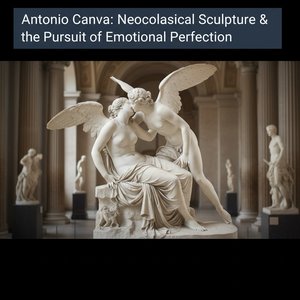
Antonio Canova: Neoclassical Sculpture & the Pursuit of Emotional Perfection
Explore the life & art of Antonio Canova, the greatest Neoclassical sculptor. Discover his masterpieces, innovative techniques, and lasting influence on fine art collecting. Expert insights for discerning investors.

