

 Pregledaj u prostoru
 Pošalji
 Podeli
 Detalji o delu

 Преузми
 Slični predmeti
 Rendgenski snimak
 Slajdovi
 Statistika
Carota


 Pročitaj više
Kupite digitalnu sliku visoke rezolucije i poboljšanog kvaliteta, koja je znatno superiornija od onoga što vidite u online prikazu.
Svaka datoteka je pedantno pripremljena od strane naših stručnjaka koristeći napredne alate i profesionalnu ručnu retušu. Osiguravamo da svaka slika ima izuzetnu oštrinu, preciznu reprodukciju boja i fine detalje.
Konačna datoteka se dostavlja putem e-pošte u roku od 72 sata, optimizovana za neposrednu upotrebu u profesionalnim, izdavačkim i štamparskim okruženjima. To je isti kvalitet kojem veruju vrhunski studiji dizajna, izdavači i galerije.
Digitalna slika
Preuzmite datoteku visoke rezolucije za ličnu upotrebu, štampanje i kreativne projekte. ( Pređi na štampu Kupi ručno naslikanu sliku)
Uključeno uz svaku porudžbinu digitalne slike
Profesionalna digitalna isporuka, zagarantovana
Kada odaberete OriginalUniqueArt.com, ne dobijate samo sliku – vi primate profesionalno unapređeno digitalno umetničko delo, izrađeno sa najvećom preciznošću i uz garanciju zadovoljstva. Evo svega što automatski dolazi uz vašu porudžbinu:

Brza dostava putem e-pošte
Vaša digitalna slika visoke rezolucije biće vam poslata putem e-pošte u roku od 72 sata od poručivanja – spremna za trenutnu upotrebu.

Digitalna datoteka unapređena veštačkom inteligencijom
Vaše umetničko delo je profesionalno optimizovano korišćenjem naprednih AI alata i ručne obrade, čime se osiguravaju maksimalni detalji, oštrina i preciznost boja.

Besplatna ponovna isporuka doživotno
Slučajno ste obrisali ili izgubili svoju datoteku? Ne brinite – poslaćemo vam je ponovo u bilo kom trenutku, potpuno besplatno.

Bez troškova uvoza – zauvek
Uživajte u svojim umetničkim delima trenutno, bez carine, dažbina ili troškova dostave – digitalni download je uvek bez poreza.

Garancija vernosti boja
Uz pomoć profesionalnih alata i upravljanja bojama, osiguravamo da vaša digitalna slika što vernije odražava originalne boje.

Garancija zadovoljstva od 100 dana
Ako niste zadovoljni svojom digitalnom slikom, izvršićemo reviziju ili ćemo vam vratiti 100% novca u roku od 100 dana – bez ikakvih pitanja.

100% garancija povrata novca
Niste zadovoljni? Dobijte puni povraćaj novca u roku od 100 dana od prijema digitalne datoteke – bez suvišnih pitanja.

Popusti na velike porudžbine
Kupite 3 slike, uštedite 10% - Kupite 5 slika, uštedite 15% - Kupite 10+ slika, uštedite 20%. Odlično za kreativne projekte, galerije i agencije.
Carota: A Surrealist Echo of Catalan Identity
Joan Miró’s “Carota,” created around 1978, stands as a testament to the artist's unwavering commitment to abstraction and his profound connection to Catalan culture. This striking painting embodies Miró’s signature style—a mesmerizing blend of organic forms, bold colors, and dynamic lines that capture the essence of Surrealism while simultaneously resonating with the spirit of Catalonia.
Born in Barcelona in 1893, Miró emerged from a milieu steeped in Gaudí’s architectural grandeur and the rugged beauty of the Catalan landscape. His early artistic explorations were marked by illness and initial familial reservations regarding his unconventional pursuits—a backdrop that fueled his determination to translate inner visions onto canvas.
Stylistic Influences & Technique
Miró's artistic journey was shaped by movements like Fauvism, Cubism, and Expressionism. However, it was his singular approach to abstraction—combining influences from diverse sources—that cemented his position as a pioneer of modern art. He skillfully employed thick brushstrokes and vibrant hues, layering colors to create an illusionistic depth that defies conventional representation.
The painting’s dominant aesthetic is undeniably Surrealist, prioritizing dreamlike imagery and subconscious exploration. Yet, Miró avoids literal depiction; instead, he utilizes simplified shapes—primarily biomorphic forms reminiscent of plant life—to convey emotion and evoke a sense of movement. These organic abstractions aren't merely decorative elements but symbols representing fertility, growth, and the cyclical rhythms of nature – motifs deeply rooted in Catalan folklore.
Historical Context & Symbolic Resonance
Created during Miró’s prolific period, “Carota” reflects the broader artistic landscape of the late 1970s. Surrealism continued to exert influence on European artists, encouraging experimentation with irrationality and challenging established conventions. The painting's monochromatic palette—primarily black and red—amplifies its dramatic impact, mirroring the intensity of Catalan nationalism during that era.
The prominent open mouth depicted in “Carota” serves as a powerful visual metaphor for vocal expression and primal instinct – themes prevalent throughout Miró’s oeuvre. It invites contemplation on the complexities of human emotion and underscores the artist's fascination with the subconscious mind. This artwork is more than just pigment on canvas; it’s an invitation to delve into the depths of imagination and experience.
A Legacy of Visionary Art
To appreciate Miró’s artistic genius fully, consider visiting the Fundació Joan Miró in Barcelona – a museum dedicated to preserving his legacy and showcasing his expansive collection. Alternatively, explore more captivating artworks by Miró on Wahoo Art's website: Carota - 1978.
Biografija umetnika
Joana Mirea: Katalanski Vizionar i Majstor Apstraktnog Izražavanja
Joan Miró i Ferrà, rođen u Barseloni 1893. godine, zauvek je ostavio neizbrisiv trag na umetnost dvadesetog veka. Njegovo putovanje nije bilo samo evolucija kroz različite stilove, već duboko istraživanje unutrašnjih svetova, prevodeći snove, sećanja i katalanski identitet na platno jedinstvenim poetskim vizuelnim jezikom. Od skromnog početka, obeleženog bolešću i prvobitnim sumnjama roditelja u njegov umetnički poziv, Miró je uporno nastavljao svoj put, vođen urođenom potrebom da izrazi ono što je neopipljivo – emocije, senzacije i podsvestne struje koje leže ispod površine stvarnosti. Njegov rani život bio je prožet tradicijama Barselone, grada koji se ponosio arhitektonskim čudima zahvaljujući Antoni Gaudiju, čiji organski oblici su diskretno uticali na Miróve kasne apstrakcije. Zanat njegovog oca, zlatara, ugradio je poštovanje prema pomnom izradi, dok je surovo katalansko predeo postao ponavljajući motiv i izvor inspiracije tokom njegove karijere.Od Uticaja do Suraizma: Formiranje Vizuelnog Jezika
Miróva formalna umetnička obuka započela je u La Llotji u Barseloni, gde je usavršio svoje veštine tradicionalnim tehnikama. Međutim, izlaganje avangardnim pokretima koji su harali Parizom zaista je razbuktao njegovu kreativnu evoluciju. Žive boje fauvizma i fragmentirani oblici kubizma duboko su rezonirali sa njim, što ga je podstaklo da se preseli u Pariz 1920. godine. Ovaj period se pokazao ključnim jer je upoznao umetnike poput Pabla Pikasa i počeo eksperimentisati sa sve apstraktnijim kompozicijama. Ipak, Miró nije samo usvajao ove stilove; on ih je sintetizovao, kreirajući put ka svom prepoznatljivom estetskom izrazu. Težio je da forme destiluje do suštine, uklanjajući reprezentativne detalje u korist simboličnih oblika i evokativnih boja. Ovo istraživanje ga je odvelo u grupu Suraista 1924. godine, gde se uskladio sa umetnicima kao što su Maks Ernst i Salvador Dali. Iako je prihvatao surrealski interes za podsvest, Miró je zadržao jedinstvenu senzibilnost – njegova dela nisu bila samo o šokantnim slikama ili freudovskoj simbolici, već o kreiranju sveta igrivih oblika i poetskih sugestija.Jezik Simbola: Ključna Dela i Umetnički Inovacije
Tokom 1920-ih i 30-ih godina, Miró je razvio svoj prepoznatljivi vizuelni vokabular – svemir naseljen biomorfnim oblicima, lebdećim formama i živopisnim bojama. „Farmi“ (1922), često smatrana kamenom temeljcem njegovog dela, predstavlja ovaj prelaz. Nije samo prikaz ruralnog života, već evokacija katalanskog identiteta i simbolička reprezentacija prirodnog sveta. Njegova saradnička priroda dovela je do inovativnih tehnika kao što je *grattage*, koju je uveo sa Maksom Ernstom 1926. godine za dizajn namenjen Sergeju Djagiljevu baletu, gde su teksture otkrivane grebanjem boje preko platna. Serija „Holandski Enterijeri“ (1928) demonstrirala je njegovu sposobnost da reinterpretira Stare Maještore kroz izrazito modernu prizmu, transformišući domaće scene u snovidne apstrakcije. „Slikanje“ (1933), sa svojim hrbrim bojama i pojednostavljenim oblicima, kapsulira Miróvo istraživanje podsvesti i odbacivanje konvencionalnih umetničkih granica. Izvan slikarstva, Miró se bez straha eksperimentisao sa skulpturom, keramikom i grafičkim tehnikama, proširujući svoje kreativne horizonte i demonstrirajući izuzetnu raznolikost.Nasleđe i Trajni Uticaj
Joana Mirea uticaj na umetnost dvadesetog veka je neuporediv. On nije bio samo slikar; bio je vizionar koji je izazvao samu definiciju umetničkog izraza. Njegovo delo je prokrilo put za apstraktni ekspresionizam i nastavlja da inspiriše umetnike iz različitih disciplina. Osnovao je dve fundacije – Fundació Joan Miró u Barseloni (1975) i Fundació Pilar i Joan Miró na Majorki (1981), osiguravajući da će se njegovo nasleđe nastaviti, pružajući prostore za umetničko istraživanje i obrazovanje. Tokom svoje duge karijere, ostao je posvećen rušenju granica, osporavanju konvencija i istraživanju dubina ljudske mašte. Miróva dela su svedočanstvo moći apstrakcije, simbolizma i poetskog izraza – živahanski pozdrav životu, snovima i trajnom duhu katalanske kulture. Njegova dela nastavljaju da rezoniraju sa publikom širom sveta, pozivajući nas da uđemo u svet gde je sve moguće i granice između stvarnosti i fantastike nestaju u očaravajućem plesu boja i oblika.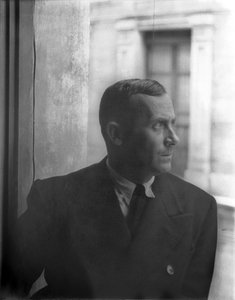
Жоан Миро
1893 - 1983 , Шпанија
Kratke činjenice
- Datum Rođenja: 20. april 1893.
- Datum Smrti: 25. decembar 1983.
- Mesto Rođenja: Barselona, Španija
- Nacionalnost: Španski
- Puno Ime: Žan Mironi Fera
- Umetnici Ili Pokreti Pod Uticajem Ovog Umetnika:
- Surentizam
- Apstraktna umetnost
- Umetnici Koji Su Uticali Na Njega:
- Van Gog
- Sezan
- Umetnički Pokret Ili Stil: Surentizam, Apstraktna umetnost
- Značajna Dela:
- Farmi
- Holandski enterijeri
- Slika