
 Pregledaj u prostoru
 Pošalji
 Podeli
 Detalji o delu
 Vodič
Vodič

 Preuzmi
 Slični predmeti
 Rendgenski snimak
 Automatska prezentacija
 Pitanja i odgovori
 Statistika
The Olive Tree

- 76.0 x 50.0 cm


 Pročitaj više
Umetničko delo prikazano na ovoj stranici zaštićeno je autorskim pravima, što znači da zakonski nismo u mogućnosti da kreiramo niti prodajemo identičnu reprodukciju. Ova zaštita se sprovodi u skladu sa međunarodnim sporazumima kao što su Bernska konvencija i nacionalnim zakonima, uključujući i one koji su definisani u Američki zakon o autorskom pravu – Naslov 17.
Ovaj metod je u potpunosti usklađen sa regulativama o autorskim pravima jer ne podrazumeva kopiranje ili dupliranje zaštićenih umetničkih dela. Umesto toga, reč je o kreativnoj reinterpretaciji – novom slikarskom delu koje je inspirisano originalom, ali nije identično njemu.
Giclee štampa / Umetnički otisak
Giclée štampa ili print na platnu muzejskog kvaliteta uz brzu izradu i raznovrsne opcije završne obrade. ( Kupite ručno oslikano delo Pređi na digitalnu sliku)




































Izaberite jednu od naših unapred definisanih veličina koje odgovaraju originalnim proporcijama umetničkog dela.

Unesite željenu širinu i visinu kako bi se štampa uklopila u vaš ram ili zid. Štampu je moguće samo iseći, ali nikada povećati iznad dimenzija originalne slike, stoga format sa drugačijim proporcijama uzrokuje gubitak dela slike. Pre početka štampe, poslaćemo vam digitalni prikaz radi potvrde. Slika prikazana na ovoj stranici ne predstavlja stvarni isrez — to pokazuje samo digitalni prikaz.
Dostava širom sveta () za 2 nedelje umesto uobičajenih 4/5 nedelja. (4 новембар)

Besplatna ekspresna dostava širom sveta

Visokokvalitetno laneno platno

Potpuno osiguranje transporta

Garancija povraćaja carine i uvoznih dažbina

Garancija vernosti boja

Politika povraćaja u roku od 100 dana (samo u slučaju nedostataka)

Garancija povrata 100% novca

Popust na više proizvoda
 Opcija sa staklom dostupna je samo za dimenzije manje od 110 cm

The Olive Tree
Giclee štampa / Umetnički otisak
Dimenzije reprodukcije
-


Ukupna cena
дин 8454
Composition and Style
The composition of the image showcases the artist's skill and attention to detail, making it an impressive piece of artwork. The use of colors such as blue, green, brown, and white creates depth and contrast within the painting. The scene is set on a beach with a body of water in front of it, where a boat can be seen floating near the shore. Several trees are scattered throughout the landscape, adding to the natural ambiance of the painting. Key Features of the painting include:- The use of oil on canvas as the medium
- The serene and peaceful atmosphere of the landscape
- The central element of the olive tree, symbolizing peace and harmony
Artist and Museum
Jean Lurçat was a French artist known for his modernist style. His work can be found in various museums and collections around the world, including the Leicester Town Hall. For more information on the artist and his works, visit /art/list/?Filter=ARD7EZ-Jean-Lurcat-The-Olive-Tree. To learn more about the Leicester Town Hall and its collection, visit /art/list/?Filter=A@D3B33K-Discovering-the-Artworks-of-Leicester-Town-Hall-Leicester-United-Kingdom.The Oliver Tree painting is a must-see for art enthusiasts and those who appreciate modern art. Its serene and peaceful atmosphere makes it a unique piece that can be enjoyed by all. For handmade oil paintings reproductions of this masterpiece, visit https://OriginalUniqueArt.com.
Pitanja i odgovori
Kog je oblika i dimenzija delo „The Olive Tree”, autor Jean Lurçat?
„The Olive Tree”, autor Jean Lurçat je kompozicija u formatu Portrait čija su dimenzije u originalu 76 x 50 cm.
Gde mogu da kupim print dela „The Olive Tree”, autor Jean Lurçat?
„The Olive Tree“ je dostupno kao umetnička štampa na pamučnom platnu ili arhivskom kanvas papiru. Porudžbine možete izvršiti na stranici Umetnički print, u dimenziji po vašem izboru.
Koliko je godina imao/la Jean Lurçat kada je kreirao/la "The Olive Tree" 1938. godine?
Kada je delo "The Olive Tree" nastalo 1938. godine, Jean Lurçat – rođen/a 1892. godine – imao/la je 46 godina.
Biografija umetnika
The Weaver of Modernity: The Life and Legacy of Jean Lurçat
In the grand tapestry of twentieth-century art, few figures loom as large or as textured as Jean Lurçat. Born in 1892 in the quiet town of Bruyères, France, Lurçat’s journey was one of profound transformation, moving from the rigorous study of medicine to the vibrant, tactile world of textile and pigment. His early years were shaped by a deep intellectual curiosity, leading him through the halls of the Faculté des Sciences de Nancy before he ultimately abandoned the stethoscope for the studio. This transition was not merely a change in profession but a spiritual migration toward the essence of form and color. Settling in Paris alongside his brother André, Lurç at found himself at the epicenter of a burgeoning modernism, rubbing shoulders with luminaries such as Matisse, Cézanne, and Renoir. These encounters infused his early work with a sense of structural boldness and a palette that would later define his revolutionary approach to medium.
The turbulence of the First World War left an indelible mark on Lurçat’s psyche and creative output. Having served in the infantry only to be sidelined by injury, his period of convalescence became a crucible for artistic experimentation. It was during these years of forced stillness that he began to explore the intimate relationship between line and surface, eventually leading to his first significant forays into tapestry with works like Filles Vertes and Soirée dans Grenade. His travels through Switzerland, Germany, and Italy provided a rich reservoir of classical and contemporary motifs, allowing him to weave together the ancient traditions of European craftsmanship with the avant-garde sensibilities of his era. By the time he established himself in Paris with Marthe Hennebert, Lurçat was no longer just a painter; he was an architect of thread.
A Revolution in Thread and Color
Jean Lurçat’s most enduring contribution to the art world was nothing less than the resurrection of contemporary tapestry. Before his intervention, tapestry was often viewed as a stagnant, decorative relic of the past—a medium relegated to mere imitation of painting. Lurçat shattered this perception by introducing a new aesthetic language that respected the inherent properties of the loom. He moved away from the fine, painterly details that required excessive shading and instead embraced bold, flat areas of color and strong, rhythmic outlines. This technique, often referred to as "the return to the large-scale," allowed the tapestry to breathe as an independent art form rather than a secondary reproduction.
His mastery lay in his ability to manipulate light and texture through a limited but potent palette. By focusing on the structural integrity of the weave, he created works that possessed a monumental presence. His themes were as varied as they were profound, ranging from:
- The Natural World: An obsession with flora and fauna that brought the organic rhythms of life to the loom.
- Social Commentary: Using the grand scale of tapestry to address the human condition and the complexities of modern society.
- Abstracted Form: A movement toward simplification that bridged the gap between figurative storytelling and modern abstraction.
Historical Significance and Lasting Impact
The significance of Jean Lurçat extends far beyond the borders of France or the confines of the textile industry. He was a pivotal figure in the Aubusson tapestry tradition, breathing new life into one of Europe's most historic artistic centers. Through his leadership and vision, he transformed a dying craft into a vibrant medium for modern expression, influencing generations of weavers and designers. His work served as a bridge between the classical heritage of the Renaissance and the experimental spirit of the mid-twentieth century.
Even as his career expanded into ceramics and diverse graphic arts, the core of his mission remained unchanged: to find the soul within the material. Today, when we look upon the bold, saturated landscapes and powerful silhouettes of a Lurçat original, we see more than just art; we see the triumph of a man who looked at a single thread and saw the potential for an entire universe. His legacy remains etched in the very fabric of modern art history, reminding us that true innovation often requires a profound respect for the traditions we seek to transform.

Jean Lurçat
1892 - 1966 , France
Osnovne informacije
- Artistic Movement Or Style: Contemporary tapestry revival
- Artists Who Influenced This Artist:
- Victor Prouvé
- Bernard Naudin
- Jean-Paul Lafitte
- Date Of Birth: 1892
- Date Of Death: 1966
- Full Name: Jean Lurçat
- Nationality: French
- Notable Artworks:
- Filles vertes
- Soirée dans grenade
- Place Of Birth: Bruyères, France
Povezani članci

Evocations of Place: A Historical Journey Through Landscape Art
Explore the rich history of landscape art with OriginalUniqueArt. Discover renowned artists, movements like Impressionism & Romanticism, and expert guidance for collecting timeless pieces. Find your perfect serene escape today!

Paul Cézanne: 25 Remek-dela Revolucionarnog Umjetnika | OriginalUniqueArt
Istražite 25 remek-dela Paula Cézanna, revolucionarnog slikara impresionizma i postimpresionizma. Otkrijte priče iza ikoničnih pejzaža, portreta i mrtve prirode. Kupite luksuzne reprodukcije slika na OriginalUniqueArt.com!
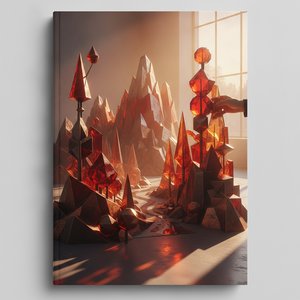
Redefining Nature: A Collector's Guide to the Geometric Beauty of Cubist Landscapes
Explore the revolutionary world of Cubist landscapes. Discover how masters like Picasso and Braque redefined nature through geometric beauty, and learn expert tips for curating these transformative masterpieces in your modern home collection.

Arboreal Echoes: A Historical & Artistic Exploration of Trees in Painting
Explore the rich history of trees in painting! Discover symbolism, Romantic masterpieces by Caspar David Friedrich & beyond. A curated journey for art enthusiasts.

Glavna dela koja su definisala Romantični pejzaž: 10 remek-dela za vaš dom
Otkrijte 10 remek-dela romantičnog pejzažnog slikarstva! Uronite u svet Claude Lorraina, Caspara David Friedricha i Turnera. Ispričane priče umetnosti, inspiracija za dekoraciju doma. Kvalitetne reprodukcije na OriginalUniqueArt.com – istražite celu kolekciju online!