

 Pregledaj u prostoru
 Podeli
 Podeli
 Detalji
 Vodič
Vodič

 Preuzmi sliku
 Slični predmeti
 Rendgenski snimak
 Automatska prezentacija
 Statistika
The Epsom Derby
 Akril na platnu
- Umetnost za zidove
- Romanticism
 1821
1821 92.0 x 122.0 cm
 Louvre
 Pročitaj više
Giclee štampa / Umetnički otisak
Giclée štampa ili print na platnu muzejskog kvaliteta uz brzu izradu i raznovrsne opcije završne obrade. ( Naručite ručno oslikano reprodukciju Pređi na prodaju digitalnih slika)




P118B дин10

P118H дин10

P118W дин10

P438Z дин10

P508JH дин12

P508YH дин12

P805H дин10

P805Z дин10

P919BZ дин10

P919G дин10

P919XJ дин10

P959ZH дин10

P968JZ дин12

W106C дин8

W218G дин10

W218JH дин8

W218Y дин10

W307PJ дин10

W316G дин10

W316PJ дин8

W316Y дин10

W398PJ дин8

W4111J дин10

W500HY дин15

W500JH дин15

W692G дин12

W849H дин8

W940BG дин15

W953PJ дин8




Izaberite jednu od naših unapred definisanih veličina koje odgovaraju originalnim proporcijama umetničkog dela.

Unesite širinu i visinu koja vam je potrebna, kako bi se uklopili u vaš ram ili na vaš zid. Štampa se može samo iseći, nikada ne može biti veća od originalne slike, stoga format sa drugačijim proporcijama gubi deo slike. Poslaćemo vam digitalni prikaz radi potvrde pre nego što započnemo štampu. Slika prikazana na ovoj stranici ne pokazuje stvarni rez — to pokazuje samo digitalni prikaz.
Dostava širom sveta () za 2 nedelje umesto uobičajenih 4/5 nedelja. (26 октобар)

Besplatna ekspresna dostava širom sveta

Visokokvalitetno laneno platno

Sveobuhvatno osiguranje transporta

Garancija povraćaja carine i uvoznih dažbina

Garancija vernosti boja i autentičnosti pri reprodukciji

Politika povraćaja u roku od 100 dana (samo u slučaju nedostataka)

Garancija povrata 100% novca

Popust pri većoj količini
 Opcija sa staklom dostupna je samo za dimenzije manje od 110 cm

The Epsom Derby
Giclee štampa / Umetnički otisak
Veličina reprodukcije
-


Ukupna cena
дин 8249
A Moment Frozen in Motion: Géricault’s “The Epsom Derby”
Jean-Louis André Théodore Géricault's "The Epsom Derby," painted in 1821, isn’t merely a depiction of horse racing; it’s a visceral embodiment of Romanticism’s fascination with drama, movement, and the raw power of human emotion. This monumental canvas, now residing within the hallowed halls of the Louvre, captures not just the spectacle of the Derby but also the underlying tension and exhilaration inherent in this quintessential English tradition. Géricault, already a name synonymous with intensity and innovation, sought to transcend the conventional sporting prints of his time, forging instead an intensely personal and emotionally charged portrayal.
The painting immediately assaults the viewer with its dynamism. The horses, rendered with astonishing anatomical precision – a testament to Géricault’s rigorous study of anatomy under Carle Vernet and later, independent investigation – are not simply galloping; they're exploding into motion. Their legs, extended in a seemingly impossible arc, defy gravity, capturing that fleeting moment of airborne grace so often missed by traditional depictions. The jockey, barely visible amidst the surging mass of horses and spectators, is swallowed by the scene, emphasizing the overwhelming power of the race itself. This isn’t a static record; it's a captured explosion.
The Romantic Spirit: Drama and Emotion
Géricault was deeply immersed in the burgeoning Romantic movement, rejecting the Neoclassical emphasis on order and reason in favor of intense emotion, dramatic narratives, and the sublime. “The Epsom Derby” perfectly embodies this shift. The composition is deliberately unbalanced, creating a sense of instability and urgency. The figures are tightly packed, almost claustrophobic, mirroring the frenetic energy of the race. The use of dark, brooding colors – deep browns, blacks, and grays – further amplifies the drama, while strategically placed highlights draw attention to key moments within the chaos.
Interestingly, Géricault’s inspiration stemmed from a desire to move beyond the typical depictions of horse racing. He sought to capture not just the physical spectacle but also the underlying human experience—the thrill of competition, the risk of failure, and the collective anticipation of the crowd. This ambition is evident in his meticulous attention to detail, from the individual expressions on the faces of the spectators to the subtle shifts in posture among the horses.
A Technical Masterpiece: Observation and Innovation
The technical execution of “The Epsom Derby” is as remarkable as its emotional impact. Géricault meticulously studied horse movement, even consulting with experts and conducting his own research – a radical departure for an artist primarily known for historical or mythological subjects. His detailed anatomical studies, combined with his understanding of perspective and composition, resulted in a remarkably realistic portrayal of the race. The painting’s scale—measuring 123cm by 92cm—further enhances its impact, enveloping the viewer within the scene.
Furthermore, Géricault employed an innovative technique for depicting movement. As documented by Eadweard Muybridge's photographic studies of galloping horses, Géricault accurately captured the fleeting moment when a horse’s legs are momentarily beneath its body during the airborne phase of its stride – a detail that would have been virtually impossible to represent with traditional painting techniques at the time. This demonstrates Géricault’s commitment to scientific observation and his willingness to push the boundaries of artistic representation.
Symbolism and Legacy: A Reflection on Humanity
Beyond its technical brilliance, “The Epsom Derby” carries a deeper symbolic weight. The race itself represents not just competition but also ambition, risk, and ultimately, mortality. The fleeting nature of victory and the potential for devastating defeat are subtly conveyed through the painting’s dynamic composition and intense emotional atmosphere. Géricault's work can be seen as an allegory for the human condition—a reminder that life is a constant struggle against forces beyond our control.
Géricault’s “The Epsom Derby” remains a pivotal work in the history of art, solidifying his reputation as one of the most important figures of the Romantic era. It's a painting that continues to captivate viewers with its dramatic intensity, technical mastery, and profound exploration of human emotion—a timeless testament to the power of observation, innovation, and artistic vision.
Pitanja i odgovori
Da li je delo "The Epsom Derby" autora Теодор Жерико u javnom vlasništvu i zašto?
Status autorskih prava za delo "The Epsom Derby" - u javnom vlasništvu – autorska prava su istekla - proizilazi iz smrti umetnika 1824.
Kolikih je dimenzija originalno delo "The Epsom Derby"?
Zabeležene dimenzije dela „The Epsom Derby”, Теодор Жерико su 92 x 122 cm. Reprodukcije se mogu naručiti u drugim dimenzijama uz zadržavanje istih proporcija.
Koju emociju prenosi „The Epsom Derby”, Теодор Жерико?
„The Epsom Derby“ je povezano sa Melanholičan osećajem. Emocionalni ton opisuje utisak koji delo ostavlja.
Biografija umetnika
Живот у пламену романтизма
Жан-Луј Андре Теодор Жерико, име које одјекује духом француског романтизма, рођен је у свету на прагу драматичних промена. У Руану, Француској, 1791. године, његов рани живот се одвијао под ехо револуције и растућом таласом наполеоновских амбиција. Иако је наследио пристојан живот кроз породичне правне и пословне подухвате – укључујући предузеће за дуван – Жерикова судбина није била у закону или трговини, већ у области уметничког израза. Његова прва обука под Карлом Вернеом, мајстором енглеске спортске уметности, пробудила је у њему оштар поглед за анатомију и кретање, посебно видљив у његовим приказима коња. Међутим, касније студије са Пјером-Нарсисом Герином пружиле су му основу класичне композиције, иако је Жерикова немирна душа ускоро довела до тога да самостално тражи знање у светим сала Лувра.Лувр као академија: дијалог са мајсторима
Од 1810. до 1815. године, Лувр је постао Жерикова права академија. Уроњен у радове старих мајстора – Рубенса, Тицијана, Веласкеза и Рембрандта – не само да је копирао њихове технике већ се ангажовао у дубоком дијалогу са њиховим уметничким филозофијама. Ово раздобље је било кључно за обликовање његовог карактеристичног стила, обележеног драматичним киароскуром, динамичном композицијом и интензивном емоционалношћу која га је издвојила од савременика. Он није само реплицирао; апсорбовао је суштину ових мајстора, интернализујући њихове приступе светлу, сенци и људском облику. Ова самоусмерена едукација неговала је јединствени уметнички глас, који је ускоро изазвао преовладајуће неокласичне конвенције. Његови рани радови, попут *Нападачког касира* (1812), већ су наговестили ову нову осетљивост, показујући смелост извршења и фасцинацију кретањем подсећајућу на енергична платна Рубенса. Наставио је да истражује коњске теме, усавршавајући своје вештине у приказивању моћи и грације коњева – тема која ће остати понављајући мотив током његове каријере.Сплит Медузе: Монумент људској патњи
Жериково име је неодвојиво повезано са *Сплитом Медузе* (1818-1819), монументалним платном које надмашује чисто историјски приказ и постаје оштар оптужби за људску слабост и друштвену неправду. Инспирисан ужасном истинитом причом о бродолому француске фрегате *Медуза* 1816. године, где је немарност и некомпетентност довела до неизмерне патње путника, слика је визуелни портрет очаја, наде и безнађа. Жерико се посветио темељном истраживању, интервјуисао преживеле, проучавао лешеве у болницама, чак и конструисао модел рафта у стварној величини како би осигурао тачност. Резултат није само приказ трагедије; то је импресивно искуство које суочава гледаоце са сировом реалношћу људске патње. Композиција, изграђена око две пирамидалне структуре – једне која представља очај и смрт, а друга наду и потенцијално спасавање – ствара динамичку тензију која привлачи поглед преко платна. *Сплит Медузе* је био контроверзан након изложбе у Салону 1819. године, изазвавши политичке дебате и учврстивши Жерикову репутацију као смелог и неконвенционалног уметника. Утицај слике се протезао ван света уметности, постајући симбол владине некомпетентности и људске отпорности суочене са неизмерним тешкоћама.Иза трагедије: војне теме и уметничко наслеђе
Иако *Сплит Медузе* остаје његово најславније достигнуће, Жериков уметнички излаз се протезао ван овог јединственог ремек-дела. Поново се враћао војним темама, видљиво у делима као што су *Рањени курасир* (1814) и *Дерби од Епсама* (1821), демонстрирајући фасцинацију драмом и експресивном силом. Ове слике откривају његово континуирано истраживање људских емоција под притиском, често фокусирајући се на физички и психолошки данак сукоба. Ушао је и у портретисање и литографију, додатно проширујући свој уметнички репертоар. Нажалост, Жериков живот је прекинут болешћу у доби од 32 године 1824. године, након година патње од повреда насталих јахањем и хроничне туберкулозне инфекције. Његова рана смрт лишила је свет уметности продигијалног талента, али његов утицај на касније генерације уметника – посебно Ежена Делакроа – био је дубок. Запамћен је као пионир романтизма, уметник који се усудио да се суочи са тешким истинама и угради своја дела моћном емоционалном резонанцом која наставља да очарава публику данас. Његова бронзана фигура лежи, четка у руци, на његовом гробу на гробљу Пер Лашез у Паризу, изнад рељефа који приказује ужасну сцену са *Сплита Медузе*, прикладан поклон уметнику који је посветио свој живот заробљавању сложености и противречности људског стања.Кључне карактеристике и утицаји
- Романтизам: Жерико се сматра једним од првих француских романтичних сликара, удаљавајући се од неокласичних идеала према интензивној емоцији и драматичном изразу.
- Драматична композиција: Његове слике су познате по својим динамичним композицијама, често користећи дијагоналне линије и контраст светла и сенке за стварање осећаја кретања и напетости.
- Реализам и истраживање: Жерико је био посвећен реализму, спроводећи опсежно истраживање – укључујући проучавање лешева и интервјуисање преживелих – како би осигурао тачност и емоционални утицај свог рада.
- Утицај старих мајстора: Инспирисао се барокним мајсторима попут Рубенса, Тицијана и Веласкеза, усвајајући њихове технике за драматично осветљење и експресиван четкани рад.
- Фокус на људској патњи: Његова уметност често приказује

Теодор Жерико
1791 - 1824 , Француска
Brzi pregled
- Artistic Movement Or Style: Romantizam
- Artists Or Movements Influenced By This Artist: ['Evžen Delakroa']
- Artists Who Influenced This Artist:
- Rubens
- Titijan
- Velazkez
- Rembrandt
- Date Of Birth: 1791
- Date Of Death: 1824
- Full Name: Jean-Louis André Théodore Géricault
- Nationality: Francuz
- Notable Artworks (List Of Titles):
- Splav Meduze
- Ranjeni huzar
- Derbi u Epsomu
- Place Of Birth (City And Country): Rouen, Francuska
Srodni članci
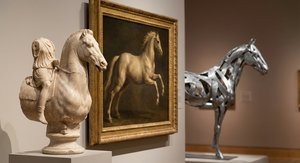
The Noble Steed: A Historical and Artistic Exploration of Horses in Fine Art
Explore the rich history of horses in fine art! From ancient depictions to Renaissance masterpieces & beyond, discover iconic artworks and artists. Learn about symbolism, techniques, and find museum-quality reproductions at OriginalUniqueArt.
Top 10 Remek Dela Romantizma: Putovanje kroz Umjetnost i Emocije
Otkrijte 10 remek dela romantizma koja su obeležila umetnost! Uronite u priče o poznatim slikarima, emotivnim pejzažima i majstorskim tehnikama. Inspiracija za vaš dom – reprodukcije vrhunskog kvaliteta na OriginalUniqueArt.com!
The Noble Steed on Canvas: A Historical & Artistic Exploration of Horse Painting Across Cultures
Explore the rich history of horse painting! Discover masterpieces from Stubbs to Munnings & learn about symbolism, techniques & artists. Find museum-quality reproductions at OriginalUniqueArt.

The Equine Muse: A Historical & Artistic Exploration of Horses in Painting
Explore the captivating history of horses in painting! Discover Renaissance masterpieces, Baroque grandeur & expert insights for collecting equestrian art. Learn about symbolism, techniques & lasting value with OriginalUniqueArt.
Timeless Elegance: A Visual Journey Through the Romance of Horse Carriage Artworks
Embark on a visual journey through the romantic world of horse carriage art. Discover the mastery of equestrian oil paintings, from Impressionist textures to classical realism, and learn how to bring timeless elegance into your home with museum-quality reproductions.

