
 Pregledaj u prostoru
 Pošalji
 Podeli
 Detalji o delu
 Vodič
Vodič

 Preuzmi
 Slični predmeti
 Rendgenski snimak
 Automatska prezentacija
 Q&A
Q&A Statistika
The Competition

- 34.0 x 43.0 cm


 Pročitaj više
Giclee štampa / Umetnički otisak
Giclée štampa ili print na platnu muzejskog kvaliteta uz brzu izradu i raznovrsne opcije završne obrade. ( Kupite ručno oslikano delo Pređi na digitalnu sliku)




P118B дин10

P118H дин10

P118W дин10

P438Z дин10

P508JH дин12

P508YH дин12

P805H дин10

P805Z дин10

P919BZ дин10

P919G дин10

P919XJ дин10

P959ZH дин10

P968JZ дин12

W106C дин8

W218G дин10

W218JH дин8

W218Y дин10

W307PJ дин10

W316G дин10

W316PJ дин8

W316Y дин10

W398PJ дин8

W4111J дин10

W500HY дин15

W500JH дин15

W692G дин12

W849H дин8

W940BG дин15

W953PJ дин8




Izaberite jednu od naših unapred definisanih veličina koje odgovaraju originalnim proporcijama umetničkog dela.

Unesite željenu širinu i visinu kako bi se štampa uklopila u vaš ram ili zid. Štampu je moguće samo iseći, ali nikada povećati iznad dimenzija originalne slike, stoga format sa drugačijim proporcijama uzrokuje gubitak dela slike. Pre početka štampe, poslaćemo vam digitalni prikaz radi potvrde. Slika prikazana na ovoj stranici ne predstavlja stvarni isrez — to pokazuje samo digitalni prikaz.
Dostava širom sveta () za 2 nedelje umesto uobičajenih 4/5 nedelja. (2 новембар)

Besplatna ekspresna dostava širom sveta

Visokokvalitetno laneno platno

Potpuno osiguranje transporta

Garancija povraćaja carine i uvoznih dažbina

Garancija vernosti boja

Politika povraćaja u roku od 100 dana (samo u slučaju nedostataka)

Garancija povrata 100% novca

Popust na više proizvoda
 Opcija sa staklom dostupna je samo za dimenzije manje od 110 cm

The Competition
Giclee štampa / Umetnički otisak
Dimenzije reprodukcije
-


Ukupna cena
дин 8334
A Moment of Shared Intensity: Unveiling Fragonard’s “The Competition”
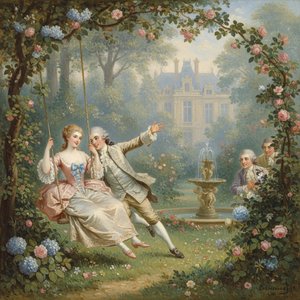
Jean-Honoré Fragonard's "The Competition," painted around 1780-1785, isn’t merely a depiction of a social gathering; it’s a vibrant snapshot of the burgeoning Rococo era, brimming with playful observation and subtle eroticism. Captured in delicate pastel hues and executed with his signature loose brushwork, the scene unfolds within a richly appointed interior – likely a salon belonging to the influential Duc de Chabot – where a group of elegantly dressed individuals are engaged in a spirited contest. The painting immediately draws the eye, not through dramatic action, but through the palpable sense of shared intensity radiating from each participant. It’s a tableau vivant, frozen in a moment of intellectual and social engagement, hinting at unspoken desires and competitive spirit.
Fragonard masterfully employs light to guide our gaze. A warm, diffused glow illuminates the figures, casting soft shadows that accentuate their postures and expressions. Notice how he uses highlights to draw attention to details – the intricate folds of a gown, the focused concentration on a child’s face, the subtle gestures of amusement or frustration. This careful manipulation of light isn't just aesthetic; it contributes significantly to the painting’s overall atmosphere, creating an illusion of depth and inviting us into this intimate scene.
The Rococo Setting: A World of Pleasure and Intrigue
To fully appreciate “The Competition,” one must understand the context of its creation – the height of the Rococo period. This era, characterized by a rejection of rigid formality in favor of elegance, pleasure, and sensuality, profoundly influenced Fragonard’s artistic style. The setting itself is crucial: the opulent interior, with its richly colored fabrics, ornate furniture, and carefully arranged details, speaks to the wealth and sophistication of the patrons who commissioned such works. The presence of two clocks – one on the wall, the other closer to the foreground – subtly underscores the theme of time and competition, adding a layer of complexity to the scene.
Furthermore, the painting reflects the social dynamics of the time. The gathering is not simply a casual meeting; it’s a carefully orchestrated display of status and wit. The children, engrossed in their reading and writing exercises, represent the next generation being groomed for positions of power and influence. The adults, observing their efforts with amusement and encouragement, embody the values of patronage and social obligation. It's a microcosm of 18th-century French society – a world where appearances mattered, and social interactions were often laden with hidden meanings.
Symbolism and Subtext: A Dance of Desire
While outwardly appearing to be a scene of intellectual pursuit, “The Competition” is rife with subtle symbolism. The children’s engagement in reading and writing can be interpreted as a metaphor for the acquisition of knowledge and social skills – essential tools for navigating the complexities of aristocratic life. However, Fragonard doesn't shy away from hinting at more playful interpretations. The glances exchanged between the figures, the suggestive postures, and the overall atmosphere of flirtation suggest an underlying current of desire and intrigue.
The painting’s title itself is deliberately ambiguous. Is it a genuine competition, or merely a pretext for social interaction and veiled courtship? Fragonard leaves this question open to interpretation, inviting viewers to engage with the scene on multiple levels. The artist's skill lies in his ability to create an image that is both visually appealing and intellectually stimulating – a testament to the enduring power of Rococo art.
A Legacy of Grace: Reproduction and Artistic Appreciation
Reproductions of “The Competition” offer a remarkable opportunity to experience Fragonard’s artistry firsthand. OriginalUniqueArt's hand-painted reproductions capture the delicate brushwork, vibrant colors, and nuanced details of the original painting with exceptional fidelity. Whether displayed in a grand salon or a cozy study, this captivating artwork will undoubtedly serve as a conversation starter and a source of aesthetic pleasure for years to come. Consider commissioning a reproduction – a tangible connection to a pivotal moment in art history.
Pitanja i odgovori
O kakvom se delu radi u "The Competition"?
U katalogu je delo „The Competition”, autor Жан Оноре Фрагонар klasifikovano kao WallArt. Ova kategorija pomaže u pronalaženju sličnih radova.
Ko su autor i datum nastanka dela "The Competition"?
Жан Оноре Фрагонар je napravio/la "The Competition" u 1785. godini.
Da li „The Competition”, autor Жан Оноре Фрагонар koristi jake kontraste ili nežne harmonije?
U delu "The Competition", Gentle kontrast je uparen sa Unified Palette harmonijom.
Biografija umetnika
Живот у бањи светлости: Свет Жана-Онореа Фрагонара
Рођен међу мирисним пољима Граса, Француска, 1732. године, уметнички пут Жана-Онореа Фрагонара није започео великим амбицијама већ тихим пресељењем у Париз са породицом. Тамо је, под почетним вођством Жана Симеона Шардена – мајстора свакодневног живота и суптилне посматрања – млади Фрагонар први пут наишао на могућности боје и платна. Међутим, у атељеу Франсоа Бушеа, прослављеног сликара двора Луја XV, нашли су се његови прави стилски темељи. Утицај Бушеа усадио је Фрагонару љубав према грациозним облицима, деликатним бојама и игривом духу који ће дефинисати његов опус. Остварена победа на престижном Prix de Rome 1752. године обележила је преломни тренутак, пружајући му прилику да урони у класични свет Италије током неколико година. Ово раздобље није било само о копирању древних мајстора; то је било буђење – прилика да апсорбује живост и сензуалност која ће касније обогатити његову јединствену визију.Мајстор рококоа: Прослава задовољства и интриге
По повратку у Париз, Фрагонар се брзо успоставио као водећа фигура у процветајућем покрету рококоа. Ово није било само усвајање стила; то је значило отелотворење целог миропогледа – који слави задовољство, интимност и мимолазну лепоту живота. Његове слике нису биле намењене великом јавном приказу већ приватним салонима аристократа који су тражили дела која шапутају тајне и наговештавају скривене жеље. *Љуљашка*, можда његово најпознатије дело, савршено отелотворује овај дух. Млада жена игриво шутне ципелу док је бискуп гура на љуљашци, док скривени љубавник посматра одоздо – сцена која препуна разгаљивости и завељених еротичних подтекстова. Друга дела као што су *Затварач* и *Љубавни завет* настављају ово истраживање тајних сусрета и деликатне плеса између привлачности и уздржаности. Фрагонар није само сликао сцене љубави; он је створио атмосферу, расположење – које је било и заводљиво и благо опасно. Његов потез четком постајао је све флуиднији и спонтанији, хватајући не само изглед већ и суштину мимолазних тренутака.Иза салона: Експериментисање и развијајући стилови
Иако је Фрагонар постигао значајан успех у утврђеном свету уметности, он није био човек да би остао ограничен његовим конвенцијама. Током своје каријере експериментисао је са различитим жанровима и техникама, демонстрирајући изузетну свестраност. Његови рани покушаји историјског сликања, иако су били првобитно хваљени, нису га у потпуности задовољили; пронашао је већу слободу у истраживању интимнијих и личнијих тема. Кратка авантура са неокласицизмом – евидентна на портретима као што је онај Денија Дидероа – показала је његову спремност да се ангажује у савременим уметничким трендовима, али рококоо осетљивост је на крају дефинисала његово наслеђе. Такође је одликовао као цртач, производећи безброј скица и цртежа који откривају његову мајсторску команду линије и форме. Ово нису биле само припремне студије; често су била дела уметности сама по себи, хватајући мимолазне утиске и интимне тренутке са изузетном осетљивошћу.Наслеђе које траје кроз време
Француска револуција донела је драматичну промену у уметничком укусу, а Фрагонаров лакши, аристократски стил пао је из милости. Вратио се у свој родни град Грас на неко време, вративши се у Париз тек након политичке турбуленције. Иако је заузимао административне положаје у Лувру током овог периода, његов креативни излаз се смањио. Међутим, његов утицај је наставио да одјекује кроз касније генерације уметника. Његов акцент на боји, светлости и сензуалности отворио је пут импресионизму, док је његова игрива природа и одбијање академских ограничења инспирисала слободнији приступ стварању уметности. Данас се Фрагонарова дела славе у музејима широм света – од Лувра у Паризу до Националне галерије у Вашингтону, Д.Ц.. Његове слике настављају да очаравају публику својом лепотом, духовитошћу и трајном привлачношћу, подсећајући нас на време када је живот требало ценити, а задовољство се сматрало уметничком формом.Позната дела и збирке
- Љуљашка (L'Escarpolette): Валас колекција, Лондон – Квинтeсенцијални пример рококоо екстраваганције.
- Затварач: Погледајте све слике на OriginalUniqueArt - Задивљујућа сцена кућне интриге и игривог напетости.
- Љубавни завет: Откријте више о Фрагонаровим делима на OriginalUniqueArt – Нежна слика романтичне посвећености.
- Млада девојка која чита: Представљена у базама података уметничких дела, показујући његово мајсторство портрета и светлости.
- Дела су такође истакнуто изложена у музеју Лувр, катедрали Граса, Метрополитенском музеју уметности и Фрик колекцији.

Жан Оноре Фрагонар
1732 - 1806 , Francuska
Osnovne informacije
- Artistic Movement Or Style: Рококо
- Artists Or Movements Influenced By This Artist: Наредни уметнички правци
- Artists Who Influenced This Artist:
- Франсоа Буше
- Шарл-Андре ван Лоо
- Date Of Birth: 4. април 1732.
- Date Of Death: 22. август 1806.
- Full Name: Жан-Оноре Фрагонар
- Nationality: Француски
- Notable Artworks:
- Љуљашка
- Затворена врата
- Завет љубави
- Place Of Birth: Грас, Француска
Povezani članci

Rokoko: 10 Remek Dela Koja Su Definisala Eleganciju i Ukus
Otkrijte 10 remek dela koja su definisala rokoko umetnost! Uronite u svet Boucher-a, Watteau-a i Fragonarda. Istorija, stil i inspiracija za vaš dom. Kvalitetne reprodukcije i kuratorski odabiri na OriginalUniqueArt.com!
The Rococo Reverie of Fragonard: Love, Leisure & Pleasure in 18th-Century France
Explore the captivating world of Jean-Honoré Fragonard! Discover his Rococo masterpieces, intimate portraits & the allure of 18th-century French art. Learn about 'The Progress of Love' and more at OriginalUniqueArt.

The Rococo Aesthetic: Opulence, Rebellion & the Pursuit of Pleasure in 18th-Century Art
Explore the opulent world of Rococo art! Discover its origins, key artists like Watteau & Boucher, and lasting influence on design. Expert insights for collectors & enthusiasts.

The Allure of Elegance in Art: A Historical & Aesthetic Exploration of Refinement & Grace
Explore the exquisite world of Rococo art! Discover its history, masters (Watteau, Boucher & more), and defining elegance. Expert insights for collectors seeking museum-quality reproductions & custom portraits.

Illuminating the Enlightenment: A Comprehensive Exploration of 18th-Century Painting
Explore the captivating world of 18th-century painting! Discover Rococo's playful elegance & Neoclassicism’s Enlightenment ideals with expert insights into Fragonard, David, and more. A comprehensive guide for art enthusiasts.


