

 Pregledaj u prostoru
 Pošalji
 Podeli
 Detalji o delu
 Vodič
Vodič

 Preuzmi
 Slični predmeti
 Rendgenski snimak
 Automatska prezentacija
 Q&A
Q&A Statistika
Diane and the Stag
 Acrylic On Canvas
- WallArt
- Mannerist Sculpture
 1550
1550 211.0 x 258.0 cm
 Louvre
 Pročitaj više
Giclee štampa / Umetnički otisak
Giclée štampa ili print na platnu muzejskog kvaliteta uz brzu izradu i raznovrsne opcije završne obrade. ( Kupite ručno oslikano delo Pređi na digitalnu sliku)




P118B дин10

P118H дин10

P118W дин10

P438Z дин10

P508JH дин12

P508YH дин12

P805H дин10

P805Z дин10

P919BZ дин10

P919G дин10

P919XJ дин10

P959ZH дин10

P968JZ дин12

W106C дин8

W218G дин10

W218JH дин8

W218Y дин10

W307PJ дин10

W316G дин10

W316PJ дин8

W316Y дин10

W398PJ дин8

W4111J дин10

W500HY дин15

W500JH дин15

W692G дин12

W849H дин8

W940BG дин15

W953PJ дин8




Izaberite jednu od naših unapred definisanih veličina koje odgovaraju originalnim proporcijama umetničkog dela.

Unesite željenu širinu i visinu kako bi se štampa uklopila u vaš ram ili zid. Štampu je moguće samo iseći, ali nikada povećati iznad dimenzija originalne slike, stoga format sa drugačijim proporcijama uzrokuje gubitak dela slike. Pre početka štampe, poslaćemo vam digitalni prikaz radi potvrde. Slika prikazana na ovoj stranici ne predstavlja stvarni isrez — to pokazuje samo digitalni prikaz.
Dostava širom sveta () za 2 nedelje umesto uobičajenih 4/5 nedelja. (28 октобар)

Besplatna ekspresna dostava širom sveta

Visokokvalitetno laneno platno

Potpuno osiguranje transporta

Garancija povraćaja carine i uvoznih dažbina

Garancija vernosti boja

Politika povraćaja u roku od 100 dana (samo u slučaju nedostataka)

Garancija povrata 100% novca

Popust na više proizvoda
 Opcija sa staklom dostupna je samo za dimenzije manje od 110 cm

Diane and the Stag
Giclee štampa / Umetnički otisak
Dimenzije reprodukcije
-


Ukupna cena
дин 8287
The Enigmatic Huntress: Jean Goujon’s “Diane and the Stag”
Jean Goujon's "Diane and the Stag," painted around 1550, isn't merely a depiction of a hunt; it’s a carefully constructed tableau brimming with allegorical weight and Renaissance grace. The painting immediately draws the eye to its central figure: Diane, the Roman goddess of the hunt, rendered in exquisite detail against a subtly textured background. She sits poised on a simple pedestal, her posture radiating both strength and serene contemplation – a captivating blend of predatory instinct and contemplative awareness. The deer at her feet aren’t passive victims; they possess an alert, almost intelligent gaze, suggesting a complex relationship between hunter and hunted, predator and prey. The composition isn't chaotic; rather, it’s meticulously balanced, reflecting the humanist ideals that were blossoming during the High Renaissance.
Goujon’s mastery lies in his ability to infuse classical motifs with a distinctly Mannerist sensibility. Notice the elongated forms of Diane’s limbs and the delicate drapery cascading around her – hallmarks of this style, which prioritized elegance and stylized movement over strict realism. The use of light is particularly noteworthy; it's diffused and atmospheric, creating a sense of depth and mystery within the scene. The muted palette—earth tones punctuated by subtle hints of crimson—contributes to the painting’s overall mood of quiet intensity.
A Tapestry of Symbolism
Beyond its aesthetic beauty, “Diane and the Stag” is rich in symbolic meaning. Diane herself represents not just the hunt but also chastity, virtue, and the wildness of nature. The stag, a frequent symbol in Renaissance art, embodies nobility, strength, and even sacrifice – qualities often associated with Diana’s role as a protector of young women. The two antlers above her head are particularly intriguing; they could be interpreted as representations of a goat or even a stylized depiction of the moon, adding layers of mythological allusion to the scene. The inclusion of the deer at her feet isn't simply decorative; it underscores the cyclical nature of life and death, mirroring the hunt’s inherent drama.
Furthermore, the painting can be viewed as an allegory for the human condition – a meditation on themes of control versus instinct, beauty versus brutality. Diane’s deliberate stance suggests a mastery over her surroundings, yet the presence of the deer reminds us of our vulnerability and dependence on the natural world. It's a delicate dance between power and submission, order and chaos.
Craftsmanship and Context
Goujon was one of the most prominent sculptors and architects of his time, working primarily in Rouen and later in Paris. His career coincided with a period of immense artistic innovation, as French art moved away from the rigid conventions of the Gothic era and embraced the dynamism and expressive qualities of the Renaissance. “Diane and the Stag” exemplifies this transition, showcasing Goujon’s ability to synthesize classical influences with his own unique style.
The painting was likely commissioned for a private patron, perhaps a wealthy nobleman or member of the court. The subject matter—a hunt scene—was popular during the Renaissance, reflecting the aristocratic pursuit of sport and the idealized vision of nature as a source of pleasure and prestige. It’s believed to have been part of a larger decorative scheme within a lavish interior, adding a touch of elegance and sophistication to its surroundings.
A Legacy of Elegance
“Diane and the Stag” remains a captivating work of art, offering viewers a glimpse into the artistic sensibilities of the High Renaissance. Its masterful composition, evocative symbolism, and exquisite craftsmanship continue to resonate today, inspiring admiration for Goujon’s skill and vision. Reproductions of this painting capture not only its visual beauty but also the profound depth of meaning embedded within its intricate details – a timeless testament to the enduring power of art to illuminate the human experience.
Pitanja i odgovori
Na koji način se "Diane and the Stag" uklapa u teme i stil umetnika Žan Gugon?
U okviru celokupnog stvaralaštva umetnika Žan Gugon, delo "Diane and the Stag" pripada stilu Mannerist Sculpture, uz prisustvo tema kao što su italian renaissance, mannerist style, courtly love, mythological themes, royal patronage, decorative art, sculptural narrative, allegorical.
Da li su boje dela "Diane and the Stag" intenzivne ili nežne?
Intenzitet boja dela "Diane and the Stag" je Balanced. Intenzitet opisuje koliko boje deluju snažno.
Kakav osećaj prenosi „Diane and the Stag”, autor Žan Gugon?
„Diane and the Stag”, autor Žan Gugon prenosi Romantic osećaj unutar opšte Elegant atmosfere.
Biografija umetnika
Skulptor koji je oblikovao parizanski šarm
Žan Đuon (oko 1510. – oko 1567.) predstavlja temelj francuske renesansne skulpture i arhitekture, oličavajući stilski žar manirizma dok se istovremeno utemeljivao u klasičnim idealima. Rođen u Normandiji, njegov rani život ostaje prekriven senkom nepoznatosti, ali je njegov plodni rad brzo učvrstio njegovo ime kao jedan od vodećih umetničkih glasova tog doba — što je svedočanstvo njegovog izuzetnog talenta i nepokolebljive posvećenosti zanatu. Đuonovo putovanje počelo je formativnim iskustvima u Italiji, gde je upijao veličinu rimske skulpture i integrisao njene principe u sopstveni prepoznatljiv stil. Ovaj uticaj je opipljiv kroz celokupno njegovo delo, posebno uočljiv u majstorskom rukovanju draperijom i anatomskoj preciznosti.
Njegov umetnički uspon počeo je u katedrali u Ruanu (1541–42), gde je preduzeo monumentalni zadatak izrade spomenika grobu Luja de Brezea, señore d'Anet — angažman koji je prikazao njegov rastući talenat i ambiciju. Ovaj ambiciozni projekat učvrstio je njegovu reputaciju usledne zvezde u francuskom skulptorskom pejzažu. Istovremeno, usavršavao je svoje arhitektonsko umeće u crkvi Saint-Maclou, pokazujući urođenu sposobnost da spoji umetničku viziju sa stručnim inženjeringom. Rezultujući edific je ostao veličanstven primer renesansne sakralne arhitekture, odražavajući Đuonovu posvećenost kako estetskoj lepoti, tako i funkcionalnom integritetu.
Partnerstvo vizionarskog veličanstva
Preselivši se u Pariz 1544. godine, Đuon je stupio u ključno partnerstvo sa Pjerom Leskom, arhitektom koji je nadgledao ambicioznu rekonstrukciju katedrale Saint-Germain-l'Auxerrois. Zajedno su osmislili i izveli zadivljujuće skulpturalne dekoracije — najistaknutije pulpit (amvon) — remek-delo koje je oličilo na Leskov senzibilitet novog klasicizma i Đuonovu majstorsku tehniku draperije. Ova era saradnje definisala je vizuelni jezik francuske renesanse, dok je Đuon počeo da uliva osećaj fluidnog pokreta i eterične gracioznosti u sam kamen.
Vrhunac njegovog uticaja možda je najvidljiv u njegovom doprinosu Luvru. Njegov rad na Façade of the Cour Carrée (wing Lescot) ostaje ikonično dostignuće, prikazujući klasičnu eleganciju kroz zamršene rezbare koje odražavaju francusku umetničku briljantnost. U ovim delima može se uočiti delikatna igra svetlosti i senke preko isklesanih figura, što je zaštitni znak njegove sposobnosti da udahne život u hladni mermer. Njegovo majstorstvo se proširilo i na Façade of the Louvre (detail), gde je njegova izuzetna pažnja posvećena detaljima stvorila remek-delo manirističkog stila, spajajući klasičnu eleganciju sa složenim rezbarama koje i vekovima fasciniraju posetioce.
Nasleđe gracioznosti i klasične forme
Đuonovo nasleđe definiše neprevaziđena sposobnost harmonizovanja tenzije manirizma sa spokojom klasicizma. Njegove skulpture često prikazuju nimfe i alegorijske figure koje kao da lebde unutar svojih arhitektonskih okruženja, što je tehnika najpoznatije realizovana u njegovim Karijatidama. ovih deset majstorskih figura predstavljaju vrhunac francuske renesansne skulpture 16. veka, donoseći gledaocu osećaj klasičnog veličanstva i sofisticirane elegancije. Kroz ova dela, Đuon je uradio više od dekorisanja zgrada; on je isklesao sam identitet francuskog estetskog prefinjenosti.
Istorijski značaj njegovog rada ne može se preuveličati, jer je njegov pristup anatomiji i draperiji uticao na generacije evropskih umetnika. Njegova sposobnost da transformiše težak kamen u tečne, ritmične forme postavila je standard za francuski klasicizam koji bi opstao dugo nakon njegove smrti. Danas, ostaci njegovog genija — od zamrštenih detalja krila Luvra do njegovog dubokog uticaja na arhitektonsku ornamentiku — služe kao trajni dokaz čoveka koji je zaista oblikovao eleganciju Pariza.

Žan Gugon
1510 - 1567 , Francuska
Osnovne informacije
- Artistic Movement Or Style: Manirizam
- Artists Or Movements Influenced By This Artist: ['Francuski klasicizam']
- Artists Who Influenced This Artist: ['Michelangelo']
- Date Of Birth: oko 1510. Normandija, Francuska
- Date Of Death: oko 1567.
- Full Name: Jean Goujon
- Nationality: Francusko
- Notable Artworks:
- Nimfe (detalj)
- Pieta
- Rat i mir
- Fontaine des Innocents
- Skulpture u Luvru
- Place Of Birth: Normandija, Francuska
Povezani članci

Bronze Age to Modern Masters: 10 Sculptures That Redefined Art | OriginalUniqueArt
Journey through art history with 10 legendary bronze sculptures – from Michelangelo's David to Rodin’s Thinker. Explore the stories, techniques & timeless beauty of these masterpieces. Find museum-quality reproductions & elevate your home decor on OriginalUniqueArt.com.

The Enduring Form: Sculpture Across History, Technique & Emotional Resonance
Explore the rich history of sculpture with OriginalUniqueArt. Discover key techniques, influential artists & investment potential for discerning collectors. Expert insights into valuing and collecting timeless masterpieces.
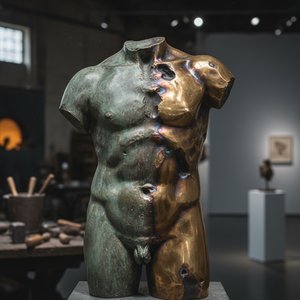
Nasleđe bronze: Istorija, tehnike i savremene interpretacije skulpture – vodič za kolekcionare
Istražite bogatu istoriju bronze i tehnike livenja skulptura. Saveti za kolekcionare, investiciono vrednovanje i savremene interpretacije aluminijumske bronze. OriginalUniqueArt – stručnjaci za umetnost.

Bronze Sculptures That Defined Art History | OriginalUniqueArt
Journey through art history with our Top 10 bronze sculptures! Explore masterpieces by Rodin, Michelangelo & more. Discover stories behind iconic statues and find museum-quality reproductions for your home decor at OriginalUniqueArt.com.

The Enduring Form: Exploring Themes & Techniques in Sculpture Across Historical Periods
Explore the rich history of sculpture from ancient masterpieces to contemporary innovations. Discover key techniques, influential artists & investment potential for discerning art collectors.