
 Pregledaj u prostoru
 Pošalji
 Podeli
 Detalji o delu
 Vodič
Vodič

 Preuzmi
 Slični predmeti
 Rendgenski snimak
 Automatska prezentacija
 Pitanja i odgovori
 Statistika
Self-Portrait

- 61.0 x 49.0 cm


 Pročitaj više
Giclee štampa / Umetnički otisak
Giclée štampa ili print na platnu muzejskog kvaliteta uz brzu izradu i raznovrsne opcije završne obrade. ( Kupite ručno oslikano delo Pređi na digitalnu sliku)




P118B дин10

P118H дин10

P118W дин10

P438Z дин10

P508JH дин12

P508YH дин12

P805H дин10

P805Z дин10

P919BZ дин10

P919G дин10

P919XJ дин10

P959ZH дин10

P968JZ дин12

W106C дин8

W218G дин10

W218JH дин8

W218Y дин10

W307PJ дин10

W316G дин10

W316PJ дин8

W316Y дин10

W398PJ дин8

W4111J дин10

W500HY дин15

W500JH дин15

W692G дин12

W849H дин8

W940BG дин15

W953PJ дин8




Izaberite jednu od naših unapred definisanih veličina koje odgovaraju originalnim proporcijama umetničkog dela.

Unesite željenu širinu i visinu kako bi se štampa uklopila u vaš ram ili zid. Štampu je moguće samo iseći, ali nikada povećati iznad dimenzija originalne slike, stoga format sa drugačijim proporcijama uzrokuje gubitak dela slike. Pre početka štampe, poslaćemo vam digitalni prikaz radi potvrde. Slika prikazana na ovoj stranici ne predstavlja stvarni isrez — to pokazuje samo digitalni prikaz.
Dostava širom sveta () za 2 nedelje umesto uobičajenih 4/5 nedelja. (15 новембар)

Besplatna ekspresna dostava širom sveta

Visokokvalitetno laneno platno

Potpuno osiguranje transporta

Garancija povraćaja carine i uvoznih dažbina

Garancija vernosti boja

Politika povraćaja u roku od 100 dana (samo u slučaju nedostataka)

Garancija povrata 100% novca

Popust na više proizvoda
 Opcija sa staklom dostupna je samo za dimenzije manje od 110 cm

Self-Portrait
Giclee štampa / Umetnički otisak
Dimenzije reprodukcije
-


Ukupna cena
дин 8476
Jean-Étienne Liotard’s “Self-Portrait,” A Window into Rococo Introspection
The year 1744 marks a pivotal moment in the artistic trajectory of Jean-Étienne Liotard, a Genevan painter whose oeuvre is defined by an exquisite blend of naturalism and ethereal beauty. His “Self-Portrait,” housed within the hallowed halls of the Uffizi Gallery in Florence, isn’t merely a depiction of a man; it's a carefully constructed meditation on identity, perception, and the delicate balance between the observed world and the inner self. Painted during his period in Rome, this pastel masterpiece exemplifies Liotard’s signature style – a luminous, almost dreamlike quality achieved through masterful layering and an unparalleled sensitivity to light and texture.
Liotard's technique is immediately striking. He eschews the rigid formality of traditional portraiture, opting instead for a relaxed pose and a gaze that feels both direct and contemplative. The pastel medium itself—a relatively new tool in 18th-century art—allowed Liotard to build up color with astonishing subtlety, creating an effect akin to sfumato, the hazy blurring technique perfected by Leonardo da Vinci. Notice how he employs delicate washes of pinks, blues, and greens to capture the nuances of light on his face and clothing, imbuing the portrait with a sense of atmospheric depth. The background, rendered in loose, impressionistic strokes, isn’t merely decorative; it subtly reinforces the feeling of introspection, suggesting an inner landscape mirroring the sitter's thoughts.
A Genevan Artist Embraces the Orient
Born in Geneva in 1702, Liotard’s early life was shaped by his Huguenot heritage and a rigorous artistic training under esteemed miniaturists. However, it was his sojourn to Constantinople between 1738 and 1742 that profoundly influenced his artistic vision. Immersed in the vibrant culture of the Ottoman Empire, he developed a fascination with Eastern aesthetics – particularly the use of rich colors, luxurious fabrics, and the portrayal of everyday life. This influence is subtly present in “Self-Portrait,” not through overt Orientalist tropes, but rather through the overall mood of serenity and an appreciation for tactile textures. The loose brushwork and soft color palette evoke a sense of exoticism without resorting to stereotypical imagery.
Interestingly, Liotard’s embrace of the East wasn't solely aesthetic; it was also deeply personal. He deliberately adopted Turkish dress in his portraits, a conscious decision that challenged European conventions and established him as a unique figure within the art world. This choice, documented in numerous accounts, reflected not just an artistic preference but a genuine engagement with a culture vastly different from his own. It’s a testament to Liotard's intellectual curiosity and willingness to transcend conventional boundaries.
Symbolism of Inner Reflection
Beyond its technical brilliance, “Self-Portrait” is rich in symbolic meaning. The sitter’s direct gaze invites the viewer into his world, fostering a sense of intimacy and shared contemplation. The slightly parted lips suggest a quiet amusement, while the subtle furrow of his brow hints at underlying thoughts and emotions. Some art historians have interpreted the portrait as an exploration of the concept of “inner space”—a realm where the self is revealed through careful observation and artistic representation.
The inclusion of a small, partially visible book in the foreground adds another layer of complexity. It’s a subtle nod to Liotard's own intellectual pursuits – his studies of art theory and his role as an art dealer. The book symbolizes knowledge, reflection, and the pursuit of understanding—qualities that are central to the portrait’s overall message. The soft lighting and hazy atmosphere further contribute to this sense of introspection, creating a space where the viewer is invited to contemplate not just the subject's appearance but also his inner world.
A Timeless Masterpiece for Collectors
Liotard’s “Self-Portrait” remains a captivating work of art, offering a rare glimpse into the mind and soul of a remarkable artist. Its delicate pastel technique, evocative atmosphere, and profound symbolism continue to resonate with viewers centuries after its creation. A high-quality reproduction captures much of this beauty, making it an ideal addition to any collection or interior space. The painting’s luminous quality and contemplative mood create a sense of serenity and intellectual engagement—a perfect choice for those seeking art that transcends mere decoration.
Pitanja i odgovori
Kakvo raspoloženje i emociju izražava „Self-Portrait”, autor Žan-Etjen Liotard?
Zabeleženo raspoloženje dela „Self-Portrait”, autor Žan-Etjen Liotard je Elegant, a njegov emocionalni ton je Reflective.
Mogu li da koristim proširenu stvarnost kako bih video/la „Self-Portrait”, autor Žan-Etjen Liotard u svojoj prostoriji?
Stranica AR prikaz za delo „Self-Portrait”, autor Žan-Etjen Liotard koristi proširenu stvarnost kako bi vam prikazala umetničko delo u vašem sopstvenom prostoru, pomoću kompatibilnog uređaja.
Koja je dominantna boja dela „Self-Portrait”, autor Žan-Etjen Liotard?
Boja koja najviše izdvaja se u delu "Self-Portrait" je Clay (#a67555). Dominantna boja je korisna pri uklapanju umetničkog dela u enterijer.
Biografija umetnika
Rani život, porodica i obuka
Žan-Etjen Liotard je došao na svet 22. decembra 1702. godine u Ženevi, u Švajcarskoj. Rođen je u porodici francuskih protestanata koji su tražili utočište u Ženevi nakon događaja iz 1685. godine. Njegov dolazak pratio je brat blizanac, Žan-Mišel, koji će kasnije krenuti sopstvenim putem kao crtač i kovač. Ovo rano okruženje, oblikovano raseljavanjem njegovih roditelja, pružilo je tihu, disciplinovanu osnovu za godine studija koje su usledile.
Njegovo formalno obrazovanje započelo je u Ženevi pod budnim očima profesora Daniela Gardela i Petitota. Upravo su u tim ranim lekcijama prvi ovladao delikatnim zamukavanjima emajliranja i slikarstva minijatura, tehnike koje su zahtevale steady ruku i oštro oko za detalje. Ove formativne godine utvrdile su tehničku preciznost koja će definisati njegov kasniji rad, mnogo pre nego što je tražio šire horizonte izvan švajcarskih granica.
Godine 1725. mladi umetnik je preselio u Pariz kako bi dalje razvijao svoj talenat. Proveo je tri godine u radionici Žan-Batista Masé, što je bilo razdoblje koje je više karakterisao profesionalni rad nego formalni podučavanje. Tokom tog vremena, radio je kao asistent, izrađujući brojne kopije postojećih dela kako bi se izdržao. Ovo praktično uranjanje u parskičku umetničku scenu pružilo mu je neophodnu izloženost prevazićajućim ukusima tog doba, pripremajući ga za putovanja koja će ga na kraju odvesti ka Osmanskom carstvu.
Život i delovanje u Konstantinopolju
Liotardov boravak u Konstantinopolju, koji je započeo 1738. godine i trajao četiri godine, suštinski je promenio pravac njegove umetničke karijere. Potopljen u svet Osmanskog carstva, razvio je duboku fascinaciju estetikom Istoka. To nije bila samo prolazna radoznalost prema egzotici; on je nastojao da istinski razume teksture i boje kulture koja je bila toliko udaljena od njegovih rodnih krajeva u Ženevi. Njegova zapažanja bila su pedantna, fokusirana na mir i tišinu domaće svakodnevice i specifičnosti lokalnih običaja.
On nije bio samo posmatrač koji stoji na margini. Liotard je usvojio lokalni način života, često noseći tursku odeću u svojoj svakodnevici. Ovaj izbor odeće bio je toliko nepromenljiv da je na kraju stekao nadimak „turski slikar“. Integracijom u društveni mozaik grada, stekao je pristup intimnim scenama koje običan putnik nikada ne bi mogao da posmatra. Njegove pasteli iz ovog perioda beleže ove domaće enterijere sa osećajem autentičnog prisustva, prevazilazeći površnost koja se često sreće u savremenim orijentalističkim delima.
- Turska žena sa tamburinom (1738)
- Turski čovek u sedištu (oko 1740)
Tehnika i umetnički stil
Liotardov pristup umetnosti bio je duboko ukorenjen u rigoroznoj posvećenosti naturalizmu. U svom traktatu, Traité des principes et des règles de la peinture, on je zastupao stav da je svrha slikarstva da služi kao ogledalo prirode. Ova filozofija vodila je njegovu ruku, bilo da je stvarao uljanim bojama, grafikom ili svojim najkarakterističnijim medijumom – pastelom. Težio je da zabeleži svet sa preciznošću koja je izbegavala veštačku pretencioznost često prisutnu u portretima njegovog doba.
Njegovo umeće u radu sa pastelom omogućilo mu je da postigne luminoznost koju je malo koji od njegovih savremenika mogao da replicira. On nije samo nanosio boju na površinu; on je snažno pritiskao pastel za podlogu kako bi izgradio dubinu tonova. Ova tehnika zahtevala je specifičnu pripremu materijala. Često je radio na velinu – teletini, kožiji ili jagnjećoj koži – koji je bio obrađen mešavinom ribljeg lepka, vina i finog pumeksa kako bi se stvorila neophodna tekstura za njegovo slojevito nanošenje boje.
Ova tehnička preciznost vidljiva je u njegovoj sposobnosti da dočara suptilne teksture tkanina i nežne nijanse ljudske kože. Njegovi portreti su poznati po izuzetnim detaljima, hvatajući specifičan karakter modela kroz delikatno rukovanje svetlošću. Iako su mu putovanja pružila egzotične teme, njegova metoda je ostala fokusirana na istinito posmatranje njegovih modela.
Značajna dela i remek-pela
Godina 1744. bila je od presudnog značaja za njegov umetnički opus, obeležena nastankom dela kao što su Devojka sa čokoladom i upečatljivim Autoportretom. Ovaj potonji, koji se danas nalazi u Galeriji Uffizi u Firentzi, nudi nam dragocen uvid u njegov sopstveni identitet kroz magičnu medijum pastel. U ovom delu, Žan-Etjen Liotard koristi ovaj materijal kako bi izgradio boju suptilnom, slojevitom tehnikom koja postiže osećaj atmosferske dubine. Njegova sposobnost da uhvati nijanse svetlosti i teksture omogućila mu je da se distancira od rigidne formalnosti koja je često bila prisutna u tradicionalnom portretu tog doba.
Njegova povezanost sa intelektualnim krugovima Evrope jasno se ogleda u Portretu Đanđamasa Algarotija, završenom 1745. godine. Ovo pastelno delo prikazuje subjekta sa fluidnom, luminoznom kvalitetom, naglašavajući karakter filozofa kroz delikatne gradacije tonova. Slično tome, njegova veština u prikazivanju mladih subjekata vidljiva je u Portretu Marije Frederike van Reede-Athlone u sedam година, delu koje se čuva u Muzeju J. Pola Getija u Los Anđelesu. Ovi portreti demonstriraju izuzetan kapacitet da se postigne ravnoteža između fizičke sličnosti i dubokog osećaja prisutnosti modela.
Tokom kasnijih faza njegove karijere, fokus njegovog rada proširio se i na pejzaže njegovog rodnog kraja. Godine 1770. stvorio je Pogled na masiv Mont Blan iz umetnikovog studija u Ženevi, sa autoportretom. Ovo ulje na platnu prikazuje vidik švajcarskih Alpa kroz veliki prozor, spajajući spoljašnji veličanstveni sjaj planina sa tihim, unutrašnjim prostorom njegovog studija. Delo to ostaje značajan primer njegove sposobnosti da stopi realizam sa mekim, gotovo impresionističkim pristupom svetlosti i prostornosti.
Kasne godine i smrt
Poslednja decenija Liotardovog života bila je obeležena tranzicijom — prelazom sa preciznog, opservacionog prikroćenog stila njegovih ranih godina ka dubljem, teorijskom promišljanju o samoj suštini svog zanata. Godine 1781. objavio je svoj traktat, Traité des Principes et règles de la Peinture, delo koje je težilo da kodifikuje suštinske standarde njegove profesije. Ova publikacija bila je odraz celokupnog veka tehničkog istraživanja, prevazilazeći puku imitaciju forme kako bi se osvetlili fundamentalni principi samog medijuma.
Čak i kada su se njegova interesovanja okrenula intelektualnim temeljima umetnosti, ruka Žan-Etjena Liotarda ostala je aktivna u ateljeu. Nije napustio sam čin stvaranja, nastavljajući da stvara nature i pejzaže u svojim kasnijim godinama. Ova kasnija dela, često fokusirana na tišinu prirode ili pažljivo raspoređene predmete, pružala su neprekidan umetnički doprinos uporedo sa njegovim čuvenijim portretima. Ostao je verni čovek ateljea sve do samog kraja.
Liotard se na kraju vratio svojim korenima u Ženevu, gradu u kojem je rođen kao sin trgovca Antoa i Anne Sauvage. Ostao je u tom poznatom okruženju sve do svoje smrti 12. juna 1789. godine. Njegov odlazak dogodio se uoči jedne velike, menjajuće ere, ostavljajući za sobom bogat opus koji je premostio jaz između pedantnog detalja ranog osamnaestog veka i promenljivih ukusa kasnog doba Prosvetiteljstva.
Gde danas možete posetiti njegova dela
Raspoređenost Liotardovog stvaralaštva širom Evrope i izvan njenih granica omogućava nam raznoliko i duboko proučavanje njegove tehničke preciznosti. Rijksmuseum u Amsterdamu poseduje najznačajniji broj njegovih dela, čuvajući trinaest komada koji odražavaju njegovo vrhunsko majstorstvo u odabranom medijumu. U Londonu, Kraljevska kolekcija čuva deset dela, pružajući nam uvid u portrete koji su nekada kružili među britanskom elitom. Za one koji traže njegova intimnija istraživanja, Muzej umetnosti i istorije u Ženevi domuje značajnu kolekciju njegovih pastela i crteža.
Njegovo prisustvo u vodećim međunarodnim institucijama ostaje neupitno. Muzej J. Paula Gettyja u Los Angelesu čuva četiri njegova dela, dok Galerija Uffizi u Firenci čuva njegovo Samoportret iz 1744. godine. Ova dela, rasuta od švajcarskih Alpa pa sve do Mediterana, predstavljaju fizičku mapu života provedenog u stalnom kretanju između centara evropske i otomanske kulture.
- 1744: Samoportret - Galleria degli Uffizi, Firenca
- 1744: Čokoladna devojka - Gemäldegalerie, Dresden
- 1754: Portret princa Edvarda, dukova od Jorka i Albanije - Kraljevska kolekcija, London
- 1756: Portret Marije Frederike van Reede-Athlone sa sedam godina - Muzej J. Paula Gettyja, Los Anđeles

Žan-Etjen Liotard
1702 - 1789 , Švajcarska
Osnovne informacije
- Artists Who Influenced This Artist:
- Daniel Gardelle
- Petitot
- Jean-Baptiste Massé
- François Lemoyne
- Date Of Birth: 1702
- Date Of Death: 1789
- Full Name: Jean-Étienne Liotard
- Nationality: Švajcarska
- Notable Artworks:
- Holandska devojka doručkujuća
- La liseuse
- Čokoladna devojka
- La belle lyonnaise
- Marija Frederika van Reede-Athlone sa sedam godina
- Place Of Birth: Ženeva, Švajcarska
Povezani članci

The Introspective Gaze: Tracing the Evolution and Psychological Depth of the Self-Portrait
Explore the psychological evolution of self-portraiture from Dürer to modern masters. Trace the history of the human gaze with us.
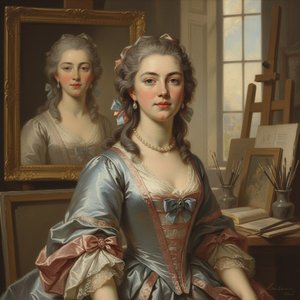
Jean-Étienne Liotard: Rococo Portraiture & the Pursuit of Naturalism
Explore the exquisite Rococo portraits of Jean-Étienne Liotard, a master of pastel and enamel. Discover his innovative techniques, captivating Turkish scenes, and lasting influence on art history. Learn more at OriginalUniqueArt.

Jean-Marc Nattier: Rococo Portraiture & Aristocratic Patronage
Explore the exquisite Rococo portraits of Jean-Marc Nattier, favored by French aristocracy. Discover his artistic techniques, patronage network, and lasting legacy – a guide for discerning collectors.

Beyond Decor: How Custom Historical Portraits Redefine Modern Self-Expression
Discover how custom historical portraits transcend decor to become profound expressions of identity. Explore the artistry of bespoke oil reproductions, from Renaissance mastery to modern reimagining, and learn to transform personal legacies into museum-quality fine art masterpieces.

25 Iconic Masterpieces by Henri de Toulouse-Lautrec: Capturing the Spirit of Montmartre
Step into the vibrant nightlife of Montmartre with our curated guide to the top 25 Henri de Toulouse-Lautrec masterpieces. Explore the soul of Post-Impressionism through iconic prints and museum-quality reproductions. Discover all masterpieces on OriginalUniqueArt.com.