

 Pregledaj u prostoru
 Podeli
 Podeli
 Detalji
 Vodič
Vodič

 Preuzmi sliku
 Slični predmeti
 Rendgenski snimak
 Automatska prezentacija
 Statistika
The Broken Mirror
 Acrylic On Canvas
- WallArt
- Rococo Sentimentality
 1763
1763 56.0 x 46.0 cm
 Wallace Collection
 Pročitaj više
Giclee štampa / Umetnički otisak
Giclée štampa ili print na platnu muzejskog kvaliteta uz brzu izradu i raznovrsne opcije završne obrade. ( Naručite ručno oslikano reprodukciju Pređi na prodaju digitalnih slika)




P118B дин10

P118H дин10

P118W дин10

P438Z дин10

P508JH дин12

P508YH дин12

P805H дин10

P805Z дин10

P919BZ дин10

P919G дин10

P919XJ дин10

P959ZH дин10

P968JZ дин12

W106C дин8

W218G дин10

W218JH дин8

W218Y дин10

W307PJ дин10

W316G дин10

W316PJ дин8

W316Y дин10

W398PJ дин8

W4111J дин10

W500HY дин15

W500JH дин15

W692G дин12

W849H дин8

W940BG дин15

W953PJ дин8




Izaberite jednu od naših unapred definisanih veličina koje odgovaraju originalnim proporcijama umetničkog dela.

Unesite širinu i visinu koja vam je potrebna, kako bi se uklopili u vaš ram ili na vaš zid. Štampa se može samo iseći, nikada ne može biti veća od originalne slike, stoga format sa drugačijim proporcijama gubi deo slike. Poslaćemo vam digitalni prikaz radi potvrde pre nego što započnemo štampu. Slika prikazana na ovoj stranici ne pokazuje stvarni rez — to pokazuje samo digitalni prikaz.
Dostava širom sveta () za 2 nedelje umesto uobičajenih 4/5 nedelja. (26 октобар)

Besplatna ekspresna dostava širom sveta

Visokokvalitetno laneno platno

Sveobuhvatno osiguranje transporta

Garancija povraćaja carine i uvoznih dažbina

Garancija vernosti boja i autentičnosti pri reprodukciji

Politika povraćaja u roku od 100 dana (samo u slučaju nedostataka)

Garancija povrata 100% novca

Popust pri većoj količini
 Opcija sa staklom dostupna je samo za dimenzije manje od 110 cm

The Broken Mirror
Giclee štampa / Umetnički otisak
Veličina reprodukcije
-


Ukupna cena
дин 8249
Jean-Baptiste Greuze’s “The Broken Mirror”: A Window into Sentiment and Rupture
Jean-Baptiste Greuze's "The Broken Mirror," painted around 1763, is not merely a depiction of shattered glass; it’s a profound exploration of moral consequence, societal expectations, and the devastating impact of transgression. This intimate genre scene, now residing within The Wallace Collection in London, offers a glimpse into the burgeoning sentimentalism that defined late 18th-century French art – an era obsessed with capturing raw emotion and exposing the vulnerabilities of human nature. Greuze, a master of eliciting pathos, doesn’t simply show us a broken mirror; he forces us to confront the shattered reputation and emotional wreckage it represents.
A Portrait of Moral Decay
The painting immediately draws the viewer in with its intensely focused composition. A young woman, dressed in a simple yet elegant gown, kneels before a large, ornate mirror. The reflection is fractured – not by an external force, but by her own actions. Her posture conveys profound regret and shame; her hands are clasped tightly together as if attempting to contain the damage she has wrought. The details surrounding her—a discarded shawl, a partially opened door—suggest a hasty departure and a desperate attempt to conceal her guilt. Greuze’s masterful use of light and shadow further emphasizes this sense of concealment and vulnerability, highlighting the woman's face and drawing attention to the broken reflection.
Technique and Sentiment: The Language of Emotion
Greuze’s technique is characterized by its remarkable realism combined with an almost theatrical intensity. He employed a direct painting method, working directly from life – a practice uncommon for artists of his time. This approach allowed him to capture the subtle nuances of human expression with astonishing accuracy. His brushstrokes are visible and deliberate, contributing to the overall sense of immediacy and emotional weight. The palette is muted, dominated by browns, grays, and creams, reflecting the somber mood of the scene. Crucially, Greuze’s skill lay not just in depicting reality but in imbuing it with a potent emotional charge – a hallmark of the sentimental style he championed.
Symbolism and the Shattered Ideal
The broken mirror itself is laden with symbolic meaning. Mirrors, throughout Western art history, have often represented vanity, self-reflection, and the illusion of perfection. In “The Broken Mirror,” however, this symbolism takes on a darker hue. The shattered reflection signifies not just a physical breakage but also the destruction of innocence, reputation, and perhaps even a future. The woman’s act – implied but not explicitly stated – likely involved a breach of societal norms or a betrayal of trust. It's a potent reminder that actions have consequences, and that even seemingly small transgressions can lead to irreversible damage.
A Legacy of Emotional Resonance
“The Broken Mirror” remains a powerful testament to Greuze’s ability to capture the complexities of human emotion. It's a scene that lingers in the mind long after viewing, prompting reflection on themes of morality, shame, and the fragility of reputation. Reproductions of this work continue to resonate with audiences today, offering a poignant reminder of the enduring power of art to explore the darker corners of the human experience. Its placement within The Wallace Collection underscores its significance as a pivotal piece in the development of French genre painting and a window into the sensibilities of a transformative era.
Pitanja i odgovori
Koji su datum nastanka i stil dela „The Broken Mirror”, Жан Батист Грез?
Delo "The Broken Mirror" nastalo je 1763. godine u okviru Rococo Sentimentality pravca. Datum i umetnički pravac čine temelj ovog dela u istoriji umetnosti.
Kolika je percepcija osvetljenosti dela „The Broken Mirror”, Жан Батист Грез?
Percepcija osvetljenosti dela „The Broken Mirror”, Жан Батист Грез iznosi shadow. Može se prilagoditi svetlosti predviđenog prostora.
Mogu li da gledam "The Broken Mirror" kao prezentaciju preko celog ekrana?
Delo „The Broken Mirror”, Жан Батист Грез možete pogledati u obliku prezentacije na stranici Diaporama za ovo umetničko delo.
Biografija umetnika
Живот испуњен сензибилитетом: Свет Жан-Батиста Греза
Рођен у тихом бургундском граду Турнусу 1725. године, Жан-Батист Грез се истакао као кључна фигура француске уметности осамнаестог века. Њгова прича је прича о изузетном успону, подстицана урођеним талентом за хватање људских емоција и оштрим разумевањем растућег сензиментализма његове ере. У почетку обесхрабрен од уметничких тежњи од стране оца, кројача, млади Грез је пронашао рану подршку код лионског уметника Грандона, који је препознао искру која је захтевала негу. Ово менторство се показало кључним, водећи га на студије прво у Лиону, а затим, што је битно, у престижној Краљевској академији у Паризу под Чарлсом-Жозефом Натоаром. У овим свечаним салама Грез је започео да усавршава своје вештине, ипак је често креирао свој пут, одступајући од преовладајућег академског фокуса на историјске и митолошке теме.Успон сликара жанра
Грезов пробој дошао је 1755. године са радом *Отац објашњава Библију својој деци*. Ово дело није било само приказ породичног живота; то је била оличномјењење идеала Просвећења, приказујући породичну побожност и морална упутства. Слика је дубоко резонирала са савременом публиком, захватајући дух буржоаске врлине који је постајао све присутнији. Купио га је проницљив колекционар Анж-Лоран де Ла Ливе де Жули, што је Греза катапултирало у славу. Уследиле су даље сцене жанра – интимни погледи на свакодневни живот испуњени емотивном дубином и моралним нијансама. Путовање у Италију 1755. године, предузето са абеом Гугенотом, проширило је његов уметнички хоризонт, ипак је он на крају пронашао веће инспирације у реалностима француског друштва него у класичној антици. Њгова способност да изазове искрена осећања – радост, тугу, кајање – издвојила га је од многих својих савременика и успоставила као водећу фигуру у новом Рококо стилу, ипак са изразито моралистичким приступом.Мастер емоција и моралне нарације
Грезова уметничка снага лежала је у његовој способности да прича приче кроз слике. Радови попут *Млада девојка која плаче за својом мртвом птицом* и *Савојар са плећком* нису само портрети деце; то су истраживања туге, невинности и сложености људског искуства. Имао је изузетан таленат за хватање суптилних нијанси израза, преносећи унутрашње муке са изузетном осетљивошћом. Његови композиције су често биле пажљиво постављене, користећи драматично светло и експресивне гестове да појачају емотивни утисај. **Денис Дидеро**, водећи интелектуалац Просвећења, постао је запаљени присталица Грезовог рада, хвалећи његову способност да приказује „моралу на платну“. Међутим, овај успех створио је дилему за уметника. Тежио је признању као историјског сликара – најпрестижније категорије у Академији – и покушао је прелаз са радом *Септимијус Северус користи Караклу*. Ова амбициозна дела су дочекана оштрим критикама, а Грез је на крају примљен у Академију само као сликара жанра, одлука која је дубоко ранила његов понос.Каснији години и трајно наслеђе
Обавеза Академије обележила је преломну тачку у Грезовој каријери. Повукао се из излагања на Салону много година, постајући све површнији и горкији. Његови каснији радови су често истраживали теме искушења и моралне грешке, понекад граничећи са отворено сензуалним. Ова слика, иако технички веште, недостајале су емотивни резонанс и морална јасноћа његових раних ремек-дела. Финансијске тешкоће мучиле су његове последње године, оштар контраст са славом коју је некада уживао. Умро је у сиромаштву у самом Лувру 1805. године. Ипак, упркос овог пада, утицај Жан-Батиста Греза на француску уметност остаје значајан. Пионирао је нови облик сликања жанра који се фокусирао на савремени живот и истраживао универзалне људске емоције. Његов рад отворио је пут каснијим уметницима који су тражили да прикажу реалност свакодневног живота уз искреност и осетљивост. Оставио је за собом корпус дела који наставља да очарава гледаоце својом емотивном моћи, техничком бриљантношћу и трајном релевантношћу.Кључна дела и њихов значај
- Отац објашњава Библију својој деци (1755): Основа његовог раног успеха, оличномјењење идеала Просвећења породичне побожности.
- Млада девојка која плаче за својом мртвом птицом (око 1765.): Показује Грезово мајсторство емоционалног израза и дотичног приповедања.
- Савојар са плећком (око 1763.): Захвата дух и рањивост детињства, показујући његову вештину у портретисању.
- Септимијус Северус користи Караклу (1769.): Неуспели покушај историјског сликања који је истакао да су његове снаге лежале на другом месту.
- Поломена посуда (око 1770-их): Представља прелаз ка више сензуалним и морално двосмисленијим темама у његовом каснијем раду.

Жан Батист Грез
1725 - 1805 , Француска
Brzi pregled
- Artistic Movement Or Style: Рококо, Жанровно сликање
- Artists Who Influenced This Artist: ['Холандски жанровни мајстори']
- Date Of Birth: 1725.
- Date Of Death: 1805.
- Full Name: Жан-Батист Грез
- Nationality: Француски
- Notable Artworks (List Of Titles):
- Отац објашњава Библију...
- Девојка са мртвом канарицом
- Савојард са лутком
- Дечак са разбијеним јајетом
- Place Of Birth (City And Country): Турнус, Француска
Srodni članci

The Rococo Aesthetic: Opulence, Rebellion & the Pursuit of Pleasure in 18th-Century Art
Explore the opulent world of Rococo art! Discover its origins, key artists like Watteau & Boucher, and lasting influence on design. Expert insights for collectors & enthusiasts.

The Allure of Elegance in Art: A Historical & Aesthetic Exploration of Refinement & Grace
Explore the exquisite world of Rococo art! Discover its history, masters (Watteau, Boucher & more), and defining elegance. Expert insights for collectors seeking museum-quality reproductions & custom portraits.

Rokoko: 10 Remek Dela Koja Su Definisala Eleganciju i Ukus
Otkrijte 10 remek dela koja su definisala rokoko umetnost! Uronite u svet Boucher-a, Watteau-a i Fragonarda. Istorija, stil i inspiracija za vaš dom. Kvalitetne reprodukcije i kuratorski odabiri na OriginalUniqueArt.com!
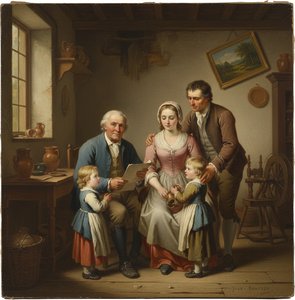
Jean-Baptiste Greuze: Morality, Sentiment & the Rise of Genre Painting
Explore the life & art of Jean-Baptiste Greuze, a pivotal French Rococo painter renowned for his emotionally resonant genre scenes and moral lessons. Discover his legacy & impact on 18th-century art history.

The Elegance of Rococo: A Journey Through Pastel Dreams and Ornate Splendor
Embark on an elegant journey through the Rococo era. Discover the delicate beauty of pastel masterpieces, the intricate artistry of 18th-century French masters, and how this era of ornate splendor continues to inspire timeless luxury in fine art collecting.