
 Pregledaj u prostoru
 Pošalji
 Podeli
 Detalji o delu

 Преузми
 Slični predmeti
 Rendgenski snimak
 Slajdovi
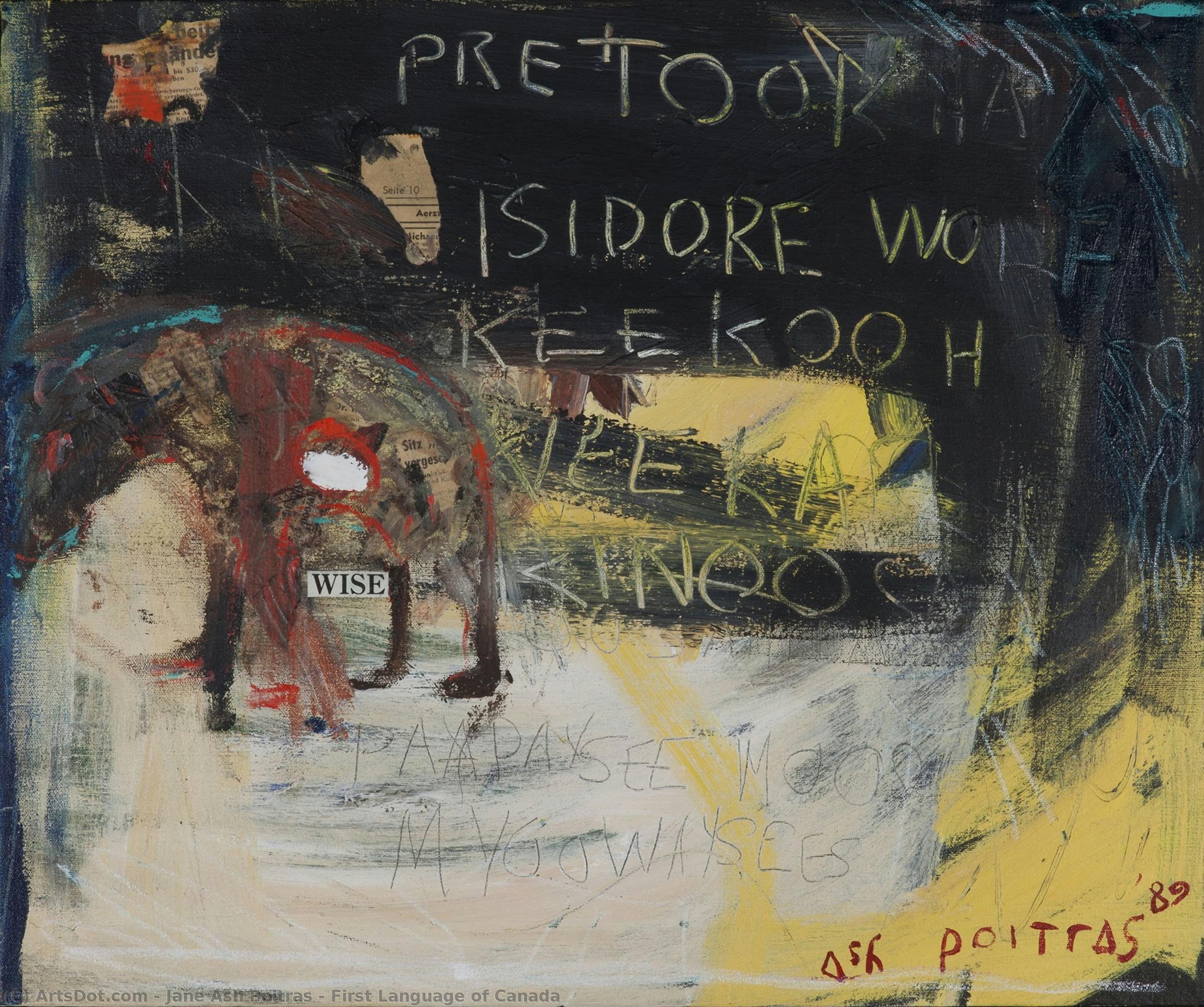
First Language of Canada
 Mixed Media
- WallArt
- Abstract Expressionism
 1989
1989- Contemporary
 50.0 x 60.0 cm
 Alberta Foundation for the Arts
 Pročitaj više
Kupite digitalnu sliku visoke rezolucije i poboljšanog kvaliteta, koja je znatno superiornija od onoga što vidite u online prikazu.
Svaka datoteka je pedantno pripremljena od strane naših stručnjaka koristeći napredne alate i profesionalnu ručnu retušu. Osiguravamo da svaka slika ima izuzetnu oštrinu, preciznu reprodukciju boja i fine detalje.
Konačna datoteka se dostavlja putem e-pošte u roku od 72 sata, optimizovana za neposrednu upotrebu u profesionalnim, izdavačkim i štamparskim okruženjima. To je isti kvalitet kojem veruju vrhunski studiji dizajna, izdavači i galerije.
Digitalna slika
Preuzmite datoteku visoke rezolucije za ličnu upotrebu, štampanje i kreativne projekte. ( Kupi print Kupi ručno naslikanu sliku)
Uključeno uz svaku porudžbinu digitalne slike
Profesionalna digitalna isporuka, zagarantovana
Kada odaberete OriginalUniqueArt.com, ne dobijate samo sliku – vi primate profesionalno unapređeno digitalno umetničko delo, izrađeno sa najvećom preciznošću i uz garanciju zadovoljstva. Evo svega što automatski dolazi uz vašu porudžbinu:

Brza dostava putem e-pošte
Vaša digitalna slika visoke rezolucije biće vam poslata putem e-pošte u roku od 72 sata od poručivanja – spremna za trenutnu upotrebu.

Digitalna datoteka unapređena veštačkom inteligencijom
Vaše umetničko delo je profesionalno optimizovano korišćenjem naprednih AI alata i ručne obrade, čime se osiguravaju maksimalni detalji, oštrina i preciznost boja.

Besplatna ponovna isporuka doživotno
Slučajno ste obrisali ili izgubili svoju datoteku? Ne brinite – poslaćemo vam je ponovo u bilo kom trenutku, potpuno besplatno.

Bez troškova uvoza – zauvek
Uživajte u svojim umetničkim delima trenutno, bez carine, dažbina ili troškova dostave – digitalni download je uvek bez poreza.

Garancija vernosti boja
Uz pomoć profesionalnih alata i upravljanja bojama, osiguravamo da vaša digitalna slika što vernije odražava originalne boje.

Garancija zadovoljstva u roku od 60 dana
Ako niste zadovoljni svojom digitalnom slikom, revidirat ćemo je ili vratiti 100% novca u roku od 60 dana – bez ikakvih pitanja.

100% garancija povrata novca
Niste zadovoljni? Obezbedite pun povrat novca u roku od 60 dana od trenutka kada ste primili svoju digitalnu datoteku – bez suvišnih pitanja.

Popusti na velike porudžbine
Kupite 3 slike, uštedite 10% - Kupite 5 slika, uštedite 15% - Kupite 10+ slika, uštedite 20%. Odlično za kreativne projekte, galerije i agencije.
Opis kolekcionarskog dela
A Tapestry of Memory and Fragmented Voices
In the evocative depths of Jane Ash Poitras’s 1989 masterpiece, First Language of Canada, viewers are invited into a swirling vortex of history, identity, and linguistic complexity. This profound work of abstract expressionism serves as more than just a visual experience; it is a visceral exploration of the layers that constitute the Canadian consciousness. Dominated by a somber yet striking palette of midnight blues and obsidian blacks, the canvas is punctuated by sudden, electric bursts of yellow and stark white. These luminous interruptions act like flashes of insight or ancestral memories breaking through the darkness of forgotten histories. The composition is intentionally chaotic, mirroring the fragmented nature of oral traditions and the often-disorienting collision of cultures within a colonial landscape.
The painting’s power lies in its masterful use of texture and mixed media. Poitras employs a heavy impasto technique, where thick, gestural brushstrokes create a rugged, three-dimensional surface that demands tactile engagement. By integrating collage elements—fragments of text, shapes reminiscent of labels, and scraps that suggest found objects—the artist bridges the gap between fine art and the raw reality of everyday life. This layering process creates a sense of archaeological depth, as if the viewer is peeling back the strata of time to uncover buried narratives. The interplay between the fluid, expressive lines and the rigid, printed text creates a tension that is both unsettling and deeply captivating, making it a centerpiece capable of sparking profound conversation in any sophisticated interior.
Symbolism and the Language of Identity
At the heart of this work is the concept of communication and its fractures. The inclusion of various text fragments, written in a multilingual mosaic, serves as a poignant symbol for the complex, often contested, linguistic landscape of Canada. These illegible or partially obscured words suggest the struggle to preserve indigenous voices amidst the overwhelming tide of dominant colonial languages. Poitras uses these typographic elements not merely as decoration, but as ghosts of meaning—remnants of stories that are being lost or rewritten. The ambiguity of the shapes, which oscillate between recognizable figures and amorphous blobs, further emphasizes the theme of shifting identities and the fluidity of cultural memory.
For the discerning collector or interior designer, First Language of Canada offers a unique opportunity to possess a piece that is both intellectually stimulating and aesthetically commanding. The artwork’s ability to evoke a sense of "claustrophobic intensity" through its flattened perspective and dense layering makes it an ideal focal point for spaces designed for contemplation and deep thought. Whether placed in a contemporary gallery setting or a curated residential collection, this reproduction brings with it the weight of Cree heritage and the avant-garde spirit of Abstract Expressionism. It is a hauntingly beautiful testament to the resilience of culture and the enduring power of the human voice to find its way through the darkness.
Biografija umetnika
Jane Ash Poitras: Bridging Tradition and Modernity in Cree Art
Born in 1951 in Fort Chipewyan, Alberta – a landscape deeply intertwined with the Cree way of life – Jane Ash Poitras is a profoundly significant figure in contemporary Canadian art. Her work isn’t simply about depicting Indigenous subjects; it's an intricate dialogue between ancestral knowledge and the visual language of mainstream artistic traditions. Poitras masterfully employs techniques borrowed from Dada, Abstract Expressionism, and Pop Art to explore themes of identity, cultural preservation, and the complex relationship between Aboriginal people and Canadian society. Her journey, marked by both personal hardship and artistic triumph, offers a compelling lens through which to understand the evolving narrative of Indigenous representation in Canada.
Early Life and Artistic Foundations
Poitras’s early life was shaped by profound loss – her mother succumbed to tuberculosis when she was just six years old. Following this tragedy, she was adopted into a German household in Edmonton, Alberta, where she grew up within a Catholic environment. Despite these formative experiences, Poitras sought solace and expression through art. She initially pursued a scientific path, earning a Bachelor of Science degree in microbiology from the University of Alberta before dedicating herself fully to her artistic ambitions. This diverse background—combining scientific rigor with an innate curiosity – profoundly informs her approach to both subject matter and technique. Her formal training included a Bachelor of Fine Arts degree specializing in printmaking from the University of Alberta, followed by a Master’s degree at Columbia University, where she encountered the influential work of artists like Mark Rothko and Cy Twombly, whose explorations of color, form, and emotional resonance would later become central to her own artistic vocabulary.
A Language of Symbolism and Narrative
Poitras’s art is characterized by a layered complexity that invites extended contemplation. She frequently incorporates symbolic objects – an eagle feather representing sacredness, a five-dollar bill referencing treaty annuities—into her compositions, imbuing them with layers of historical and cultural meaning. Her work isn't merely decorative; it actively engages with the legacy of colonialism and the ongoing struggle for Indigenous rights. Pieces like “A Sacred Prayer for a Sacred Island” (1991) powerfully demonstrate this approach, using seemingly disparate elements to create a potent statement about the intersection of spirituality and socio-political realities. Poitras’s process is deeply intuitive, often beginning with an initial concept but remaining open to unexpected developments as the artwork evolves. She describes it as “a spiritual act,” acknowledging that each step in the creative journey can reveal unforeseen choices and ultimately shape the final outcome.
Major Works and Recognition
Poitras’s artistic output is substantial, encompassing over 60 solo exhibitions and numerous group shows. Her work has been recognized nationally and internationally, finding a place in prestigious collections including those of the National Gallery of Canada, the Royal Ontario Museum, and the Brooklyn Museum. Notable pieces like “Potato Peeling 101 to Ethnobotany 101” (2004), a monumental triptych measuring over 25 feet long by 9 feet high, powerfully depicts the preservation of traditional knowledge in the face of assimilation policies. The sheer scale of these works underscores Poitras’s ambition and her desire to create immersive experiences for viewers. Her commitment to mentorship is also noteworthy; she has guided numerous young apprentice artists from Indigenous backgrounds, fostering a new generation of talent.
Legacy and Continuing Influence
Jane Ash Poitras's impact extends far beyond the confines of her studio. Her work serves as a vital bridge between traditional Cree culture and contemporary art practices, prompting critical dialogue about Indigenous identity, history, and representation. Recognized with numerous accolades including an Order of Canada in 2017 and a Queen Elizabeth II Diamond Jubilee Medal, she continues to be a respected voice within the Canadian art world. Her ongoing lectures and residencies ensure that her artistic vision remains accessible and relevant, solidifying her position as one of the most important contemporary Indigenous artists working today. Poitras’s legacy lies not only in the beauty of her artwork but also in its profound ability to challenge viewers to confront complex issues with empathy and understanding.

jane ash poitras
1951 - , Canada
Kratke činjenice
- Artistic Movement Or Style: Indigenous painting
- Artists Or Movements Influenced By This Artist:
- Dada
- Abstract Expressionists
- Artists Who Influenced This Artist:
- Mark Rothko
- Kurt Schwitters
- Date Of Birth: October 11, 1951
- Full Name: Jane Ash Poitras
- Nationality: Canadian
- Notable Artworks:
- A Sacred Prayer...
- Potato Peeling 101...
- Place Of Birth: Fort Chipewyan, Alberta

