Text size

() ·

A painting made for you, by hand

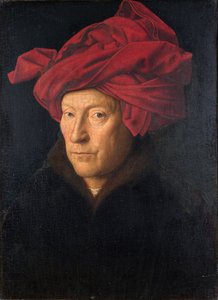
Man in a Turban

Ručno rađena uljana reprodukcija

Ručno oslikano uljanim bojama na platnu u dimenzijama i okviru po vašem izboru, izrađeno po porudžbini od strane naših umetnika. ( Pređi na štampu Pređi na digitalnu sliku)

Opis predmeta

Biografija umetnika

Jan van Eyck (oko 1390-1441): Pionir rane nemačke umetnosti, poznat po majstorstvu uljane boje i realističnim portretima. Otkrijte Gentski oltar i Portret Arnolfinija!

from ·

Chapter 1

How large should it be?

Slide to change the size; the picture on the left shows the frame at its real width. The proportions of the original are kept.

Standardne dimenzije
po meri
CM
INCH

Izaberite jednu od naših unapred definisanih veličina koje odgovaraju originalnim proporcijama umetničkog dela.

širina
visina

Unesite potrebnu širinu i visinu kako bi se slika uklopila u vaš ram ili zid. Pošto je ovo ručno oslikano delo, umetnik može za dimenzije drugačijeg oblika naslikati malo više prostora oko slike ili malo skratiti ivice — izbor je na vama. Pre početka rada, poslaćemo vam digitalni prikaz radi potvrde. Slika prikazana na ovoj stranici ne predstavlja konačan rezultat — samo digitalni prikaz pokazuje stvarnu sliku.

Chapter 2

How should it arrive?

Choose the edges of the stretched canvas

Choose your frame

Corner sample of the WhiteWrap canvas edge finish, stretched on masivno drvo bars
White дин1
Corner sample of the BlurSideWrap canvas edge finish, stretched on masivno drvo bars
Blurside дин1
Corner sample of the ExtendedWrap canvas edge finish, stretched on masivno drvo bars
Extended дин1
Corner sample of the P118B picture frame: oblikovani polistiren, 5 cm wide and 3 cm thick
P118B дин10
Corner sample of the P118H picture frame: oblikovani polistiren, 5 cm wide and 3 cm thick
P118H дин10
Corner sample of the P118W picture frame: oblikovani polistiren, 5 cm wide and 3 cm thick
P118W дин10
Corner sample of the P438Z picture frame: oblikovani polistiren, 5.5 cm wide and 3.5 cm thick
P438Z дин10
Corner sample of the P508JH picture frame: oblikovani polistiren, 7 cm wide and 3.5 cm thick
P508JH дин12
Corner sample of the P508YH picture frame: oblikovani polistiren, 7 cm wide and 3.5 cm thick
P508YH дин12
Corner sample of the P805H picture frame: oblikovani polistiren, 5 cm wide and 3.5 cm thick
P805H дин10
Corner sample of the P805Z picture frame: oblikovani polistiren, 5 cm wide and 3.5 cm thick
P805Z дин10
Corner sample of the P919BZ picture frame: oblikovani polistiren, 7 cm wide and 3.5 cm thick
P919BZ дин10
Corner sample of the P919G picture frame: oblikovani polistiren, 7 cm wide and 3.5 cm thick
P919G дин10
Corner sample of the P919XJ picture frame: oblikovani polistiren, 7 cm wide and 3.5 cm thick
P919XJ дин10
Corner sample of the P959ZH picture frame: oblikovani polistiren, 5 cm wide and 3 cm thick
P959ZH дин10
Corner sample of the P968JZ picture frame: oblikovani polistiren, 6 cm wide and 4 cm thick
P968JZ дин12
Corner sample of the W106C picture frame: masivno drvo, 5 cm wide and 3 cm thick
W106C дин8
Corner sample of the W218G picture frame: masivno drvo, 5 cm wide and 3 cm thick
W218G дин10
Corner sample of the W218JH picture frame: masivno drvo, 5 cm wide and 3 cm thick
W218JH дин8
Corner sample of the W218Y picture frame: masivno drvo, 5 cm wide and 3 cm thick
W218Y дин10
Corner sample of the W307PJ picture frame: masivno drvo, 6 cm wide and 3 cm thick
W307PJ дин10
Corner sample of the W316G picture frame: masivno drvo, 6 cm wide and 3 cm thick
W316G дин10
Corner sample of the W316PJ picture frame: masivno drvo, 6 cm wide and 3 cm thick
W316PJ дин8
Corner sample of the W316Y picture frame: masivno drvo, 6 cm wide and 3 cm thick
W316Y дин10
Corner sample of the W398PJ picture frame: masivno drvo, 5 cm wide and 3 cm thick
W398PJ дин8
Corner sample of the W4111J picture frame: masivno drvo, 6.5 cm wide and 3.5 cm thick
W4111J дин10
Corner sample of the W500HY picture frame: masivno drvo, 7 cm wide and 5 cm thick
W500HY дин15
Corner sample of the W500JH picture frame: masivno drvo, 7 cm wide and 5 cm thick
W500JH дин15
Corner sample of the W692G picture frame: masivno drvo, 8 cm wide and 4 cm thick
W692G дин12
Corner sample of the W849H picture frame: masivno drvo, 5 cm wide and 3 cm thick
W849H дин8
Corner sample of the W940BG picture frame: masivno drvo, 7.5 cm wide and 4.5 cm thick
W940BG дин15
Corner sample of the W953PJ picture frame: masivno drvo, 6 cm wide and 3.5 cm thick
W953PJ дин8
Corner sample of the H24-GOLD picture frame: rezbarano drvo sa gessoom, 10 cm wide and 6 cm thick
H24-GOLD дин30
Corner sample of the H24-SILVER picture frame: rezbarano drvo sa gessoom, 10 cm wide and 6 cm thick
H24-SILVER дин30
Corner sample of the H36-GOLD picture frame: rezbarano drvo sa gessoom, 15 cm wide and 6.5 cm thick
H36-GOLD дин45
Corner sample of the H36-SILVER picture frame: rezbarano drvo sa gessoom, 15 cm wide and 6.5 cm thick
H36-SILVER дин45

Moulding: . Overall size with the frame: .

Chapter 3

Who paints it, and should anything change?

Examples of what can be changed: Replace face with customer photo; Add pet (e.g., replace cat with dog); Include hidden message in background; Change background landscape or elements.
After order, OriginalUniqueArt.com team will email client for instructions and provide a mockup preview

Svetska isporuka () za 3/4 nedelje umesto uobičajenih 5 nedelja. (31 октобар). Bez kompromisa po pitanju kvaliteta.

Chapter 4

The finishing touches

A nameplate, as in a museum?

Detalji gravirane bronze ploče

This elegant plaque features the artist's name and the title of the artwork, finely engraved for a timeless presentation.

It is made from bronze with a refined, elegant finish. The text is precisely laser-engraved for a sharp and permanent result. Measuring 9x2 cm, the plaque is compact yet easy to read. It's built to be durable and scratch-resistant, offering a professional, museum-quality look. Mounting is simple thanks to the included adhesive backing.

Detalji prozirne akrilne pločice

The plaque includes essential engraved details such as the artist's name, the title of the artwork, the date it was created, the type of media used-like oil on canvas or watercolor-a brief description of the piece, and a QR code that links to the complete artwork information.

It is crafted from clear acrylic, offering a sleek, modern appearance. The text is UV-engraved in black to ensure strong visual contrast. With a size of 10x15 cm, it ensures optimal readability. It comes equipped with two metal hooks for secure wall mounting. The plaque is designed to be weather-resistant, making it suitable for various environments, and it includes interactive features that work seamlessly with smartphone scanning.

Detalji crne akrilne pločice

This elegant plaque includes engraved information such as the artist's name, the title of the artwork, the date it was created, the type of media used (like oil on canvas or watercolor), a short description of the artwork, and a QR code for quick access to more information.

The plaque itself is made from refined black acrylic with a premium finish. The text is laser-engraved in white for high contrast and readability. Its size is 10x15 cm, designed to be easy to read. It comes with two metal hooks for professional mounting. The design is sleek and fits any interior style. It is also weather-resistant and durable, with built-in digital integration for mobile compatibility.

A protective varnish?

When do you need it?

Chapter 5

Your painting, as you ordered it

Man in a Turban

Tehnika reprodukcije

Dimenzije reprodukcije

-

Vrhunski maestri umetnosti

Više detalja, prefinjenosti i dodatnog vremena za izradu

-

Okvir za reprodukciju

-

-

Za umetnička dela ili reprodukcije čija je bilo koja strana veća od 105 cm (približno 41 inč), okvir će biti isporučen u obliku rastavljenog seta za sklapanje. Ovaj metod osigurava bezbednu dostavu i sprečava oštećenja tokom transporta.

Potrebna je profesionalna montaža – ovo nije proizvod namenjen samostalnoj izradi.
Set mora sastaviti i platno zategnuti iskusni profesionalni ramitelj, koristeći drveni lepak (nije uključen u set), hvataljku za zatezanje platna i stege kako bi se održao prav ugao okvira dok se lepak suši. Nepravilno sklapanje ili neravnomerno zategnuto platno mogu trajno oštetiti umetničko delo, što nije pokriveno našom garancijom.

  • Sve šipke od masivnog drveta su uključene, precizno isečene po veličini.

  • Montira se pomoću priloženih šrafova, uz dodatno korišćenje lepka za drvo za spojeve u uglovima, koji nije uključen u set i koji vaš čuvar okvira mora obezbediti.

  • Potreban je profesionalni alat koji nije uključen u set: klešta za zatezanje platna (zatezač) i stege za održavanje pravih uglova letvica tokom sušenja lepka.

Važno:
Za spojeve u uglovima neophodan je lepak za drvo, šipke se moraju pričvrstiti stezgama dok lepak potpuno ne osuši, a za zatezanje platna na sklopljenom ramu potrebne su hvataljke za zatezanje platna. Nijedan od ovih alata nije uključen u komplet. Pre naručivanja ove veličine, molimo Vas da unapred obezbedite iskusnog profesionalca za ramačenje.

Kratki opis natpisa

-

-

Zaštitni lak

Sjajni lak (pojačava intenzitet boja, štiti od svetlosti i vlage)

-

Personalizujte svoje umetničko delo

Primeri mogućnosti izmene: Zamena lica fotografijom kupca; Dodavanje ljubimca (npr. zamena mačke psom); Uključivanje skrivene poruke u pozadini; Promena pejzaža ili elemenata pozadine.

-

Hitna dostava

Svetska isporuka () za 3/4 nedelje umesto uobičajenih 5 nedelja. (31 октобар). Bez kompromisa po pitanju kvaliteta.

-

Brza dostava

Dostava širom sveta () u roku od 5 nedelja. (7 новембар).

Uključeno u cenu

Ukupna cena

дин 31264

Ukupna cena дин 31264

Opcija sa staklom dostupna je samo za dimenzije manje od 110 cm

Included with every order

  • Besplatna ekspresna dostava širom sveta
  • Visokokvalitetno laneno platno
  • Potpuno osiguranje transporta
  • Garancija povraćaja carine i uvoznih dažbina
  • Garancija vernosti boja
  • Politika povraćaja u roku od 100 dana (samo u slučaju nedostataka)
  • Garancija povrata 100% novca
  • Popust na više proizvoda

The Man in a Turban is an oil painting created by the renowned Flemish artist Jan van Eyck in 1433. This masterpiece has been housed at the National Gallery in London since 1851, having previously been acquired by Thomas Howard, 21st Earl of Arundel during his exile in Antwerp from 1642-44.

Historical Context and Significance

The Man in a Turban is an exemplary piece of the Northern Renaissance Art Movement, which emerged in Europe north of the Alps during the 15th century. This movement encompassed various national and localized movements, including the German, French, English, Low Countries, and Polish Renaissances. To learn more about this period, visit The Northern Renaissance Art Movement.

Description and Analysis

The painting features a man with an intense gaze, dressed in fine clothing and adorned with a red turban. The prominent placement of the artist's signature, along with the directness of the subject's stare, has led some art historians to speculate that this could be a self-portrait by Jan van Eyck. The intricate details in the painting demonstrate van Eyck's exceptional skill in capturing reality through oil paint.

Interpretation and Symbolism

The red turban may symbolize the sitter's wealth or cultural background, while his direct gaze conveys a sense of confidence and self-assuredness. The Man in a Turban is a masterpiece that showcases Jan van Eyck's innovative use of oil paint and his meticulous attention to detail.

Legacy and Handmade Oil Painting Reproduction

Jan van Eyck is widely regarded as one of the most influential painters of the Northern Renaissance. His legacy can be experienced through handmade oil painting reproductions, such as those offered by OriginalUniqueArt.com. By acquiring a reproduction of the Man in a Turban, you can bring a piece of art history into your home or office and enjoy Jan van Eyck's masterpiece for years to come. Experience the beauty and significance of the Man in a Turban with a handmade oil painting reproduction from OriginalUniqueArt.com
Discover the art of Jan van Eyck and the Northern Renaissance at OriginalUniqueArt.com and Wikipedia: Jan van Eyck.

Pitanja i odgovori

Pod kojim drugim imenima ili pseudonimima je poznat/a Jan Van Ejck?

Jan Van Ejck se pojavljuje i pod drugim imenima: Јан Ван Ејк, Јоханес Ван Ејк.

Da li je "Man in a Turban" slobodan od autorskih prava?

„Man in a Turban”, autor Jan Van Ejck pripada u javnom vlasništvu – autorska prava su istekla. Ovaj status određuje način na koji se slika dela može reprodukovati.

Koliko svetlosti se čini da boje dela "Man in a Turban" reflektuju?

„Man in a Turban”, autor Jan Van Ejck ima luminancu od Soft Shadow. Luminanca opisuje koliko se čini da boje reflektuju svetlosti.

More about this painting

Pregledaj u prostoru AR pregled Pređi na štampu Pređi na digitalnu sliku Pošalji
Detalji o delu Vodič Dodaj u omiljene Preuzmi Slični predmeti Rendgenski snimak Automatska prezentacija Q&A Statistika

In numbers

  • 29frames to choose from
  • standard sizes, in its own proportions
  • 5weeks to paint and deliver it
Jan Van Ejck

Jan Van Ejck

1390 - 1441, Немачка

Quick facts about Jan Van Ejck

  • Datum Rođenja: c. 1390
  • Datum Smrti: 1441
  • Mesto Rođenja: Maastricht, Holandija
  • Nacionalnost: Fleminski
  • Puno Ime: Jan van Eyck
  • Umetnici Pod Uticajem: ['Rana holandska škola']
  • Umetnički Pokret: Rana holandska škola
  • Značajna Dela:
    • Gentski oltar
    • Portret Arnolfinija
    • Drezdenski triptih
    • Čovek u plavom turbanu

Biografija umetnika

Жаном ван Ејком: Мајстор светлости и реализма

Жан ван Ејк, име које је непроцењиво у свету ранонедерландског сликарства и револуционарској употреби уљане боје, остаје енигматична фигура упркос његовом огромном утицају на историју уметности. Рођен око 1390. године у Мастрихту, у оно што је сада Холандија, ван Ејк је потекао из породице дубоко у корену у уметничкој традицији – његов старији брат Хуберт такође је био сликар, иако детаљи о његовом раду остају недовољно познати. Иако су тачни подаци о његовом животу ретки, посебно о годинама формирања, јасно је да је Жан поседовао урођену надареност и брзо се узпео у уметничке кругове свог времена. Већ 1422. године основао је радионицу у Хагу, запошљавајући помоћнике и подузевши поруџбине које су најављивале његову мајсторску вештину. Овај рани успех није био заснован само на уметничкој вештини; Жан је био човек интелигенције и поверљивости, особине које ће ускоро привући пажњу моћних покровитеља.

У служби Бургундије: Дипломатија и уметнички процват

Преломни тренутак у каријери Жана ван Ејка наступио је када је именован за двор бургундског жупана, прво под Јоханом III Бесстрашним, а касније Филипом Добрим. Ово није било само спонзорско распоређивање; Жан је био поверен са дипломатским мисијама, што је демонстрирало поверење жупана у његову дискрецију и интелект. Ова путовања преко Европе – укључујући авантуре у Португалију и Шпанију – изложила су га различитим културама и уметничким утицајима, фино обликујући његов еволуирајући стил. Двор је пружио не само финансијску сигурност, већ и приступ ресурсима који су омогућавали Жану да се бави амбициозним пројектима, гурајући границе онога што је уметнички било постигнуто. Он није био само сликар *за* бургундску елиту; постао је део њиховог света, одражавајући и побољшавајући њихов углед својом уметношћу. Ова јединствена позиција пружила му је ниво уметничке слободе кога ретко којим сликаром тадашњег доба је било стало.

Алхемија уља: Револуција у техници

Иако није измислио уљну боју – њену употребу претходи Жану – он је несумњиво савршено овладао њом. Пре његових иновација, темпера је била доминантна техника, која нуди ограничене могућности мешања и релативно мат завршни слој. Жан је откључао пуни потенцијал уљане боје кроз пажљиво наслагање наносних глазура, постижући невиђен ниво детаља, луминиозности и реализма. Ова техника омогућила је суптилне градијенте тона, богатије боје и стварање текстура које су имитирале живот саме по себи. Ефекат је био трансформативан; површине су изгледале да светлују изнутра, тканине су поседовале тактилну квалитету, а портрети су заувек ухватили не само сликовиње, већ и психолошку дубину. Његова мајсторска вештина није била само техничка – био је то алхемијски процес, који је претварао пигменте у нешто попут живог стварности. Ова иновација није остала незапажена; постала је основа за генерације сликара који су следили, фундаментално мењајући изглед западне уметности.

Мајсторска дела и трајно наслеђе

Уметничко наслеђе Жана ван Ејка оверено је релативно малим, али изузетно утицајним корпусом рада. Гентски олтар (1432), монументални полиптих, представља његов најамбициозни подухват – сложену тезуру религиозне симболике и техничке бриљиантности. Потврда је и Портрет Ђованија Арнолфиниа и његове супруге (1434), револуционарно дело у портрету, познато по свом реализму, детаљној изради и енигматској симболици. Друга запазила дела укључују Дрезденски триптих, који демонстрира његову способност да приказује религиозна сцена са изузетном јасноћом, и задивљујући Човек у плавом намету, сведочанство о способности да се ухвати индивидуални карактер. Ова дела нису само визуелне репрезентације; они су прозори у други свет – свет пажљиво рендеран са скоро опседнутом пажњом на детаље. Утицај Жана ван Ејка се протеже далеко изван ових икона, обликујући развој ранонедерландског сликарства и инспиришући безброј уметника вековима уназад. Преминуо је у Брижу 1441. године, оставивши за собом наслеђе које наставља да резонира данас, подсећајући нас на моћ уметности да осветљава човечко искуство.

Osnovne informacije

  • Location: National Gallery, London
  • Year: 1433
  • Movement: Early Netherlandish Painting
  • Artistic style: Northern Renaissance
  • Notable elements or techniques: Detailed realism; Signature; Mirror gaze

Kviz o umetnosti

Svako pitanje ima samo jedan tačan odgovor.

Pitanje 1:
What artistic movement is ‘Man in a Turban’ considered to be?
Pitanje 2:
Where is ‘Man in a Turban’ currently housed?
Pitanje 3:
Who acquired ‘Man in a Turban’ during his exile?
Pitanje 4:
What is notable about Jan van Eyck's signature on the painting?
Pitanje 5:
What technique is primarily used by Jan van Eyck to achieve the painting's realistic depiction?