

 Pregledaj u prostoru
 Podeli
 Podeli
 Detalji
 Vodič
Vodič

 Preuzmi sliku
 Slični predmeti
 Rendgenski snimak
 Automatska prezentacija
 Statistika
Beach at Scheveningen
 Acrylic On Canvas
- WallArt
- Hague School
 1646
1646 92.0 x 108.0 cm
 Museo Thyssen-Bornemisza
 Pročitaj više
Giclee štampa / Umetnički otisak
Giclée štampa ili print na platnu muzejskog kvaliteta uz brzu izradu i raznovrsne opcije završne obrade. ( Naručite ručno oslikano reprodukciju Pređi na prodaju digitalnih slika)




P118B $10

P118H $10

P118W $10

P438Z $10

P508JH $12

P508YH $12

P805H $10

P805Z $10

P919BZ $10

P919G $10

P919XJ $10

P959ZH $10

P968JZ $12

W106C $8

W218G $10

W218JH $8

W218Y $10

W307PJ $10

W316G $10

W316PJ $8

W316Y $10

W398PJ $8

W4111J $10

W500HY $15

W500JH $15

W692G $12

W849H $8

W940BG $15

W953PJ $8




Izaberite jednu od naših unapred definisanih veličina koje odgovaraju originalnim proporcijama umetničkog dela.

Možete uneti sopstvene dimenzije kako biste umetničko delo prilagodili specifičnom okviru ili prostoru. Ako odabrani format ne odgovara proporcijama originalne slike, mi ćemo ili iscrtati deo dela ili proširiti sliku pomoću ogledane ivice ili jednobojnog popunjavanja. Digitalni prikaz će vam biti poslat na odobrenje pre početka proizvodnje.
Imajte na umu da pregled na ekranu ne odražava stvarno iscrtavanje ili proširivanje. Samo će prikaz (mockup) precizno pokazati finalnu kompoziciju.
Iako su prilagođene dimenzije dostupne, preporučujemo da odaberete dimenziju sa unapred definisane liste kako biste očuvali originalne proporcije.
Dostava širom sveta () za 2 nedelje umesto uobičajenih 4/5 nedelja. (26 септембар)

Besplatna ekspresna dostava širom sveta

Visokokvalitetno laneno platno

Sveobuhvatno osiguranje transporta

Garancija povraćaja carine i uvoznih dažbina

Garancija vernosti boja i autentičnosti pri reprodukciji

Politika povraćaja u roku od 100 dana (samo u slučaju nedostataka)

Garancija povrata 100% novca

Popust pri većoj količini
 Opcija sa staklom dostupna je samo za dimenzije manje od 110 cm

Beach at Scheveningen
Giclee štampa / Umetnički otisak
Veličina reprodukcije
-


Ukupna cena
$ 80
A Tempestuous Embrace: Jan van Goyen’s “Beach at Scheveningen”
Jan Josephszoon van Goyen's "Beach at Scheveningen," painted in 1646, isn’t merely a depiction of a coastal scene; it’s a masterful distillation of the Dutch Golden Age’s fascination with light, atmosphere, and the subtle poetry of everyday life. This painting, now residing within the Van Gogh Museum, offers a captivating glimpse into a rapidly changing world – a world where the raw power of nature coexisted harmoniously with burgeoning mercantile activity and a growing appreciation for the beauty of the Dutch landscape. The scene unfolds on the North Sea coast near The Hague, capturing a dramatic afternoon where the elements collide in a symphony of grey skies, churning waves, and the earthy tones of the beach itself. It’s a moment frozen in time, imbued with both tranquility and an underlying sense of dynamic energy.The Language of Light and Shadow
Van Goyen's genius lies not in dramatic detail or vibrant color – hallmarks of later Romanticism – but rather in his subtle manipulation of light and shadow. He eschewed the opulent palettes favored by many of his contemporaries, instead employing a restrained palette dominated by grays, browns, and greens. This deliberate limitation forces the viewer to engage with the painting on a deeper level, relying on tonal variations and atmospheric perspective to create a sense of depth and realism. The sky, a swirling mass of dark clouds, dominates the composition, casting an ethereal glow upon the sea and the beach below. Notice how the light catches the crests of the waves, transforming them into fleeting ribbons of silver against the somber backdrop. This masterful use of chiaroscuro – the interplay between light and darkness – is a defining characteristic of Van Goyen’s style, lending the scene an almost palpable sense of drama and immediacy.A Window into 17th-Century Life
“Beach at Scheveningen” offers more than just a beautiful landscape; it provides a valuable window into 17th-century Dutch society. The painting depicts a bustling beach scene, populated by fishermen preparing their boats for the day’s catch and families enjoying the seaside. The figures are rendered with remarkable economy – not through detailed portraits but rather through suggestive brushstrokes that convey their presence and activity. A group of women in white bonnets, identifiable as fishwives, stand attentively watching the men working to bring the boat ashore. This scene reflects the importance of the sea to the Dutch economy at the time, highlighting Scheveningen’s role as a vital fishing port. The inclusion of the horse-drawn cart and its team further emphasizes the connection between land and sea – the transport of goods and people that fueled the region's prosperity.Symbolism and Emotional Resonance
Beyond its historical context, “Beach at Scheveningen” resonates with profound symbolic meaning. The turbulent sea can be interpreted as a metaphor for the unpredictable nature of life itself, while the calm beach represents a moment of respite and connection to the natural world. The gathering storm in the sky foreshadows challenges and uncertainties, yet the scene also exudes a sense of resilience – a quiet determination to face whatever may come. The painting’s muted colors and atmospheric perspective evoke a feeling of melancholy and contemplation, inviting viewers to reflect on their own place within the vastness of existence. It's a reminder that even in moments of apparent chaos, there is an underlying beauty and harmony to be found.A Timeless Masterpiece
“Beach at Scheveningen” stands as a testament to Jan van Goyen’s extraordinary talent and his profound understanding of the Dutch landscape. It’s a painting that rewards repeated viewing, revealing new nuances and subtleties with each encounter. Whether admired for its technical brilliance, historical significance, or emotional depth, this work remains a cornerstone of Dutch Golden Age art – a timeless masterpiece that continues to captivate audiences centuries after its creation. Reproductions offer an accessible way to bring this evocative scene into your home, allowing you to experience the tranquility and drama of Van Goyen’s vision firsthand.Biografija umetnika
Jan Josephszoon van Goyen: Život utkan u pejzaž
Rani život i obuka
- Rođen 13. januara 1596. godine u Lajdenu, u Holandiji, Jan Josephszoon van Goyen istakao se kao ključna figura holandskog slikarstva zlatnog doba.
- Svoju prvu umetničku školu prošao je u Lajdenu, pre nego što je svoje znanje unapredio pod mentorstvom Esaiasa van de Velde u Harlemu. Ova temeljna obuka bila je presudna za njegov dalji umetnički razvoj.
Umetnički stil i razvoj
- Van Goyenov stil je odmah prepoznatljiv po svojoj jednostavnost, suptilnim tonalnim varijacijama i upotrebi ograničene palete – prvenstveno sivih, braon i zelenih tonova.
- Odbacio je tada popularne, raskošnije obojene i detaljne pejzaže, pionirski postavljajući temelje za realističniji i atmosferski pristup slikarstvu.
- Njegova rana dela pokazuju uticaj Van de Veldea, ali je ubrzo razvio sopstveni prepoznatljiv stil fokusiran na dočaravanje same suštine holandskog pejzaža.
Plodna umetnička karijera i značajna dela
- Van Goyen je bio neverovatno plodan umetnik, stvarajući procenjeno 1.200 slika i preko 1.000 crteža tokom svoje dugog puta.
- Među njegovim najznačajnijim delima nalaze se: Rečni pejzaž sa vetrenjačom, koji predstavlja vrhunski primer njegovih tonalnih pejzaža, kao i Ribari pored obale jezera, koji svedoči o njegovoj sposobnosti da prikaže mirne vodene predele.
- Učestalo je slikao scene reka, jezera, dina i prostranih neba, uspešno beležeći jedinstven karakter holandskog ruralnog predela.
Uticaji i nasleđe
- Iako je bio pod uticajem Van de Veldea, sam Van Goyenov rad postao je izuzetno uticajan za buduće generacije.
- Direktan uticaj ostavio je na umetnike kao što je Jan Steen, koji je bio jedan od njegovih učenika.
- Njegov naglasak na realizmu i atmosferskim efektima otvorio je put kasnijim pejzažnim slikarima.
Finansijske poteškoće i kasni život
- Uprkos svom umetničkom uspehu, Van Goyen se tokom celog života suočavao sa značajnim finansijskim problemima.
- Uključivao se u različite poslovne poduhvate, uključujući spekulaciju tulipanima (tokom čuvene „tulipmanije“) i investicije u nekretnine, ali se često nalazio duboko u dugovima.
- U vreme svoje smrti 27. aprila 1656. godine u Hagu, navodno je bio u dugovima od 18.000 guldena.
Istorijski značaj
- Van Goyenov rad smatra se kamenom temeljcem holandskog slikarstva zlatnog doba i značajnim doprinosom razvoju umetnosti pejzaža.
- On je uspešno dočarao duh Holandije 17. veka, odražavajući njeno rastuće prosperitet i neraskidivu vezu sa zemljom.
- Njegove inovativne tehnike i realistični prikazi nastavljaju da inspirišu umetnike i očaravaju publiku i danas.

Jan Jozefszoon Van Goyen
1596 - 1656 , Holandija
Brzi pregled
- Birth Date: 13. januar 1596.
- Birth Place: Lejden, Holandija
- Death Date: 27. april 1656.
- Influenced: Jan Stin
- Influenced By: Esajas van de Velde
- Movement: Slikarstvo holandskog zlatnog doba
- Name: Jan Josafson van Gojen
- Nationality: Holandski
- Notable Works:
- Rečni pejzaž sa vetrenjačom
- Ribari pored obale jezera
Srodni članci
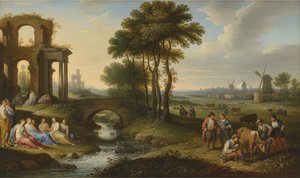
Cornelis van Poelenburch: Bridging Mannerism & the Dutch Baroque Landscape
Discover Cornelis van Poelenburch, a pivotal Dutch Baroque landscape painter bridging Mannerism & Italianate styles. Explore his life, key works, and lasting influence on 17th-century art with OriginalUniqueArt.

Jan van Goyen: Master of Dutch Landscape & Atmospheric Perspective
Discover Jan van Goyen, the master of Dutch landscape painting. Explore his subtle technique, atmospheric realism & lasting influence on art history. Learn about this 17th-century pioneer at OriginalUniqueArt.
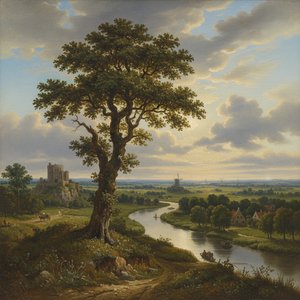
Jacob van Ruisdael: Master of Dutch Landscape & the Evocation of National Identity
Explore the life & work of Jacob van Ruisdael, the preeminent Dutch landscape painter. Discover his technical brilliance, symbolic depth, and lasting influence on art history. Learn about collecting Ruisdael's masterpieces.

Rembrandt van Rijn: 25 Majstorstava Svetla i Senke za Vaš Dom | OriginalUniqueArt
Uronite u svet Rembrandta van Rijna! Otkrijte 25 najlepših dela holandskog majstora – portrete, istorijske scene i biblijska platna. Kvalitetne reprodukcije slika za dekoraciju enterijera dostupne na OriginalUniqueArt.com.

Golden Light & Dutch Skies: The Timeless Magic of Dutch Golden Age Landscapes
Discover the breathtaking beauty of Dutch Golden Age landscapes. Explore the mastery of light, chiaroscuro, and 17th-century realism through an expert art history lens, celebrating the enduring legacy of the Dutch Masters for discerning collectors and art lovers.