
 Pregledaj u prostoru
 Pošalji
 Podeli
 Detalji o delu
 Vodič
Vodič

 Preuzmi
 Slični predmeti
 Rendgenski snimak
 Automatska prezentacija
 Pitanja i odgovori
 Statistika
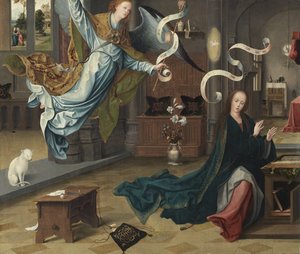
Annunciation

- 112.0 x 131.0 cm


 Pročitaj više
Giclee štampa / Umetnički otisak
Giclée štampa ili print na platnu muzejskog kvaliteta uz brzu izradu i raznovrsne opcije završne obrade. ( Kupite ručno oslikano delo Pređi na digitalnu sliku)




P118B дин10

P118H дин10

P118W дин10

P438Z дин10

P508JH дин12

P508YH дин12

P805H дин10

P805Z дин10

P919BZ дин10

P919G дин10

P919XJ дин10

P959ZH дин10

P968JZ дин12

W106C дин8

W218G дин10

W218JH дин8

W218Y дин10

W307PJ дин10

W316G дин10

W316PJ дин8

W316Y дин10

W398PJ дин8

W4111J дин10

W500HY дин15

W500JH дин15

W692G дин12

W849H дин8

W940BG дин15

W953PJ дин8




Izaberite jednu od naših unapred definisanih veličina koje odgovaraju originalnim proporcijama umetničkog dela.

Unesite željenu širinu i visinu kako bi se štampa uklopila u vaš ram ili zid. Štampu je moguće samo iseći, ali nikada povećati iznad dimenzija originalne slike, stoga format sa drugačijim proporcijama uzrokuje gubitak dela slike. Pre početka štampe, poslaćemo vam digitalni prikaz radi potvrde. Slika prikazana na ovoj stranici ne predstavlja stvarni isrez — to pokazuje samo digitalni prikaz.
Dostava širom sveta () za 2 nedelje umesto uobičajenih 4/5 nedelja. (8 новембар)

Besplatna ekspresna dostava širom sveta

Visokokvalitetno laneno platno

Potpuno osiguranje transporta

Garancija povraćaja carine i uvoznih dažbina

Garancija vernosti boja

Politika povraćaja u roku od 100 dana (samo u slučaju nedostataka)

Garancija povrata 100% novca

Popust na više proizvoda
 Opcija sa staklom dostupna je samo za dimenzije manje od 110 cm

Annunciation
Giclee štampa / Umetnički otisak
Dimenzije reprodukcije
-


Ukupna cena
дин 8485
A Divine Encounter: The Sacred Stillness of Jan de Beer
In the quiet, luminous atmosphere of the early sixteenth century, Jan de Beer captured a moment of profound spiritual intersection in his masterpiece, Annunciation. This painting serves as more than just a religious depiction; it is a window into a world where the celestial and the terrestrial breathe the same air. The scene unfolds with a breathtaking intimacy, centering on the Virgin Mary as she receives the divine message. An angel hovers gracefully above her, clutching a sacred scroll that signifies the unfolding of a divine prophecy. There is a palpable sense of weightlessness in the angel's presence, contrasted sharply by the grounded, domestic reality of the room, creating a tension between the eternal and the ephemeral that draws the viewer into a state of quiet contemplation.
The composition is a masterclass in Northern Renaissance storytelling, where every object placed within the frame serves as a silent witness to the miracle. As your eyes wander through the scene, you encounter a meticulously rendered interior that feels lived-in and authentic. A dining table sits in the foreground, adorned with the humble yet symbolic remnants of daily life: scattered books, a delicate wine glass, and a solitary cup. These elements are not merely decorative; they represent the intellectual and spiritual nourishment of the era. The presence of two observers in the background—figures watching from the periphery—adds a layer of human witness to the event, reminding us that even the most profound miracles occur within the fabric of human society.
Technically, de Beer employs a level of detail that is nothing short of hypnotic. The way light interacts with the various surfaces—the sheen on the glassware, the texture of the parchment, and the soft folds of the Virgin's garments—demonstrates an extraordinary command over oil painting techniques. For the discerning collector or interior designer, this piece offers a sophisticated focal point that brings a sense of historical depth and serene elegance to any space. The muted yet rich palette allows the artwork to integrate seamlessly into classical or contemporary settings, providing a conversation piece that evokes feelings of peace, reverence, and timeless beauty.
To possess a reproduction of this Annunciation is to invite a sense of historical continuity into one's home. It is an invitation to slow down and appreciate the intricate details of the human experience and the divine mysteries that surround us. Whether placed in a sunlit study or a grand formal hall, the painting radiates an emotional warmth that transcends its age, offering a sanctuary of stillness in a modern, hurried world.
Pitanja i odgovori
Kako se opisuje paleta dela „Annunciation”, autor Jan De Beer?
Boje dela "Annunciation" čine Earthy paletu. Ova klasifikacija opisuje dominantne grupe boja.
Pod kojim drugim imenima ili pseudonimima je poznat/a Jan De Beer?
Jan De Beer se pojavljuje i pod drugim imenima: Master Of The Milan Adoration.
Gde mogu pronaći umetnička dela slična delu „Annunciation”, autor Jan De Beer?
Radovi slični delu „Annunciation“ možete pronaći na stranici Slična dela ovog umetničkog dela.
Biografija umetnika
The Master of Antwerp Mannerism
Jan De Beer stands as a luminous figure from the dawn of the sixteenth century, a period of profound spiritual and artistic transition in the Low Countries. Active primarily in Antwerp, he was a central protagonist in a loose but influential group of painters known as the Antwerp Mannerists. For many years, his individual identity remained shrouded in mystery, as much of his oeuvre was attributed to the Master of the Milan Adoration. It was only through the diligent efforts of art historians in the twentieth century that De Beer was rediscovered and reclaimed from the shadows of anonymity, revealing a painter of immense technical skill and profound religious devotion.
Born into an artistic lineage as the son of the painter Claes de Beer, Jan’s path was paved with the traditions of his craft. His early training under Gillis van Everen provided him with a foundation in the meticulous Netherlandish style, yet he would go on to transcend mere imitation. By 1504, he had achieved the prestigious status of master within the Antwerp Guild of Saint Luke, eventually rising to the esteemed position of dean. His professional life was deeply intertwined with the vibrant, bustling commerce and religious fervor of Antwerp, where he operated a large and productive workshop that shaped the visual language of the era.
A Symphony of Devotion and Detail
The work of Jan De Beer is characterized by a breathtaking marriage of Northern Renaissance realism and a burgeoning sense of theatricality. His compositions often serve as sacred windows, inviting the viewer into moments of divine encounter. In masterpieces such as his Annunciation, one finds a world where the celestial and terrestrial realms breathe in unison. He possessed a singular ability to render the weight of a heavy, ceremonial garment or the delicate, translucent sheen of a wine glass with such precision that the objects seem to possess a life of their own. This mastery of the oil medium allowed him to employ subtle gradations of light and shadow, creating a sense of volume and depth that pulls the observer into the heart of the narrative.
Beyond mere technical virtuosity, De Beer’s art is steeped in a rich tapestry of symbolism. Whether through the presence of birds hinting at divine grace or the architectural grandeur of Gothic arches acting as bridges to the heavens, every element of his work is imbued with meaning. His triptychs, such as those dating from approximately 1510 and 1515, demonstrate a sophisticated command over narrative flow, using multiple panels to orchestrate complex religious dramas that move between intimate indoor sanctuaries and expansive, sunlit vistas. In these works, the meticulous craftsmanship of the Northern tradition meets an emerging interest in human interaction and architectural scale.
Legacy and Historical Significance
Though his name fell into obscurity following the end of the sixteenth century, Jan De Beer’s influence endured through the lasting impact of the Antwerp Mannerist style. He was a contemporary of other great figures like Quentin Matsys and may have even collaborated with landscape innovators such as Joachim Patinir. His ability to maintain fame and respect during his lifetime—as noted by the Italian biographer Lodovico Guicciardini—speaks to the high regard in which he was held by his peers.
Today, De Beer is recognized not merely as a skilled craftsman, but as an artist who captured the very soul of a period in transition. His rediscovered legacy offers a vital link to the spiritual intensity of the early sixteenth century, reminding us of an age where art served as the primary vessel for divine communication and where every brushstroke was an act of profound faith.
Jan De Beer
1475 - 1528 , Netherlands
Osnovne informacije
- Artistic Movement Or Style: Antwerp Mannerism
- Full Name: Jan De Beer
- Notable Artworks:
- Madonna and Child with a pilgrim and an angel
- Triptych
- Annunciation
- Place Of Birth: Netherlands
- Date Of Birth: 1475
- Date Of Death: 1528
Povezani članci

Celestial Messengers: Angels in Painting – A Historical & Artistic Exploration
Explore the captivating history of angels in painting! Discover symbolism, iconic Renaissance & Byzantine masterpieces, and renowned artists. Expert insights for art lovers & collectors at OriginalUniqueArt.

Celestial Messengers: A Comprehensive Exploration of Angelic Representation in Art History
Explore the captivating history of angels in art! Discover symbolism, iconic Renaissance masterpieces & renowned artists. Expert insights for art lovers & collectors at OriginalUniqueArt.
Top 25 Remek-dela Detroitskog Instituta Umetnosti: Inspiracija za Vaš Dom | OriginalUniqueArt
Istražite 25 remek-dela Detroitskog Instituta Umetnosti! Otkrijte priče Van Goga, Moneta i Rembrandta. Inspiracija za enterijer & vrhunske reprodukcije slika na OriginalUniqueArt.com.
Divine Beauty: A Curated Guide to the Celestial Majesty of Angelic Figures in Art History
Explore the profound beauty of angelic figures in art history. From Renaissance masterpieces to celestial symbolism, our expert guide offers a sophisticated journey through the divine imagery of the Old Masters for discerning collectors and art enthusiasts.

Fra Anđeo: 25 Remek-dela Renesansnog Duha za Vaš Dom | OriginalUniqueArt
Uronite u svet Fra Anđela – 25 remek-dela renesansnog slikara. Otkrijte priče iza njegovih čuvenih fresaka i oltarskih slika, inspiracija za enterijer i duhovni mir. Kupite reprodukcije vrhunskog kvaliteta na OriginalUniqueArt.com!