
 Pregledaj u prostoru
 Pošalji
 Podeli
 Detalji o delu
 Vodič
Vodič

 Preuzmi
 Slični predmeti
 Rendgenski snimak
 Automatska prezentacija
 Q&A
Q&A Statistika
The Ford in the River

- 100.0 x 132.0 cm


 Pročitaj više
Giclee štampa / Umetnički otisak
Giclée štampa ili print na platnu muzejskog kvaliteta uz brzu izradu i raznovrsne opcije završne obrade. ( Kupite ručno oslikano delo Pređi na digitalnu sliku)




P118B дин10

P118H дин10

P118W дин10

P438Z дин10

P508JH дин12

P508YH дин12

P805H дин10

P805Z дин10

P919BZ дин10

P919G дин10

P919XJ дин10

P959ZH дин10

P968JZ дин12

W106C дин8

W218G дин10

W218JH дин8

W218Y дин10

W307PJ дин10

W316G дин10

W316PJ дин8

W316Y дин10

W398PJ дин8

W4111J дин10

W500HY дин15

W500JH дин15

W692G дин12

W849H дин8

W940BG дин15

W953PJ дин8




Izaberite jednu od naših unapred definisanih veličina koje odgovaraju originalnim proporcijama umetničkog dela.

Unesite željenu širinu i visinu kako bi se štampa uklopila u vaš ram ili zid. Štampu je moguće samo iseći, ali nikada povećati iznad dimenzija originalne slike, stoga format sa drugačijim proporcijama uzrokuje gubitak dela slike. Pre početka štampe, poslaćemo vam digitalni prikaz radi potvrde. Slika prikazana na ovoj stranici ne predstavlja stvarni isrez — to pokazuje samo digitalni prikaz.
Dostava širom sveta () za 2 nedelje umesto uobičajenih 4/5 nedelja. (31 октобар)

Besplatna ekspresna dostava širom sveta

Visokokvalitetno laneno platno

Potpuno osiguranje transporta

Garancija povraćaja carine i uvoznih dažbina

Garancija vernosti boja

Politika povraćaja u roku od 100 dana (samo u slučaju nedostataka)

Garancija povrata 100% novca

Popust na više proizvoda
 Opcija sa staklom dostupna je samo za dimenzije manje od 110 cm

The Ford in the River
Giclee štampa / Umetnički otisak
Dimenzije reprodukcije
-


Ukupna cena
дин 8337
A Timeless Encounter with the Dutch Golden Age
In the quiet depths of Jan Baptist Weenix’s 1647 masterpiece, "The Ford in the River," one finds much more than a mere landscape; one discovers a portal into the soul of the Dutch Golden Age. This monumental canvas, currently preserved within the hallowed halls of the Hermitage Museum, serves as a breathtaking testament to an era where art began to bridge the gap between the rugged reality of Northern Europe and the idealized grandeur of the Italian Renaissance. As your eyes wander across the textured surface, you are immediately swept into a scene of pastoral vitality, where the rhythmic pulse of rural life meets the enduring stillness of antiquity.
The composition is a masterclass in narrative depth, presenting a world teeming with anecdotal detail and human connection. At the heart of the river crossing, figures engage in the humble, everyday rituals of 17th-century existence—a horseman pauses in conversation, while nearby, the subtle movements of travelers and livestock create a sense of spontaneous motion. Weenix does not merely observe; he orchestrates a symphony of movement, where the glistening surface of the water and the heavy, brooding clouds above suggest a fleeting moment captured in the amber of time. For the discerning collector or interior designer, this painting offers an unparalleled sense of gravitas, bringing a sophisticated historical weight to any curated space.
The Alchemy of Light and Italianate Vision
What truly elevates Weenix above his contemporaries is his audacious embrace of the Italianate style. Having traveled through Rome, the artist infused the Dutch landscape with a sense of classical majesty that was revolutionary for its time. The presence of architectural ruins—majestic pillars that hint at a lost, glorious past—transforms a simple river ford into a stage for epic contemplation. This juxtaposition of the ephemeral (the flowing water and passing travelers) against the eternal (the stone ruins) invites the viewer to reflect on the cyclical nature of civilization and the persistence of beauty amidst decay.
Technically, the painting is a triumph of chiaroscuro. Weenix utilizes a dramatic interplay between light and shadow to sculpt the landscape, creating a three-dimensional relief that feels almost tactile. The way the late afternoon light catches the white coat of a prominent horse or illuminates the folds of a traveler's garment demonstrates a profound understanding of tonal richness. Through his meticulous use of oil on canvas, Weenix achieves a textural nuance—from the translucent ripples of the river to the coarse texture of animal hides—that continues to captivate the modern eye. To possess a reproduction of such a work is to invite this masterful manipulation of light into one's own environment, fostering an atmosphere of warmth, depth, and intellectual intrigue.
An Emotional Resonance for the Modern Collector
Beyond its technical brilliance, "The Ford in the River" resonates on a deeply emotional level. It evokes a profound sense of tranquility juxtaposed with endeavor. There is a nostalgic pull to the scene, a longing for a world where the pace of life was dictated by the movement of the seasons and the flow of the river. For those seeking to decorate a sanctuary or a professional study, this artwork provides a focal point that is both stimulating and calming. It does not demand attention through loud colors, but rather earns it through its intricate layers of meaning and its ability to transport the viewer to a different century.
Whether you are an art historian drawn to its stylistic evolution or an interior enthusiast looking for a piece that embodies classical elegance, Weenix’s vision remains strikingly relevant. The painting stands as a bridge between eras, blending the scientific realism of the Dutch tradition with the poetic idealism of the South. It is a piece that rewards repeated viewing, revealing new details—a hidden figure, a shift in the cloudscape, a subtle glint of light—each time it is encountered, making it an enduring investment for any collection dedicated to the heights of European art history.
Pitanja i odgovori
Kakva su prava na reprodukciju dela "The Ford in the River" u muzeju Hermitage Museum?
Delo „The Ford in the River”, autor Jan Bapst Veniks, koje se čuva u muzeju Hermitage Museum, nalazi se u u javnom vlasništvu – autorska prava su istekla statusu. Ovaj status određuje da li je dozvoljeno izrada reprodukcija slike.
Mogu li da vidim „The Ford in the River”, autor Jan Bapst Veniks na svom zidu pre kupovine?
Stranica AR prikaz za delo „The Ford in the River”, autor Jan Bapst Veniks koristi proširenu stvarnost kako bi vam prikazala umetničko delo u vašem sopstvenom prostoru, pomoću kompatibilnog uređaja.
Od čega je izrađeno "The Ford in the River" i u kom stilu?
„The Ford in the River“ je urađeno u tehnici Oil On Canvas, u stilu Dutch Golden Age.
Biografija umetnika
Vizionar holandskog zlatnog doba
Jan Baptist Weenix predstavlja jedinstvenu figuru unutar holandskog zlatnog doba, slavljen zbog svog prepoznatljivog spoja pedantnog zapažanja i maštovite vizije. Iako je njegov umetnički opus bio relativno skroman u poređenju sa savremenicima poput Rembranta ili Vermira, Weenixov doprinos istoriji holandske umetnosti je neosporan — naročito njegovo revolucionarno istraživanje italijanskih pejzaža prožetih ljudskim figurama, čime je postavio stilski predcedent koji će odjekivati kroz naredne generacije. Rođen u Amsterdamu blizu užurbanog luke 1621. godine, Weenix je poticao iz porodice arhitekata, što je verovatno oblikovalo njegove formativne godine usred intelektualnog i strukturnog ferventa tog doba.
Uprkos ličnim izazovima — s obzirom na to da izvori sugerišu da je patio od poteškoća u govoru zbog medicinskog stanja — Weenix je posedovao strastnu ljubav prema književnosti i umetnosti, koju je podstakla majka koja je proaktivno organizovala njegovu nauku kod Jana Mickera, Rembrantovog zetka. Ovo rano obezbeđeno obrazovanje ugradilo mu je disciplinovan pristup crtanju i posmatranju koji će postati zaštitni znak njegovog dela. Svoje veštine je dalje usavršavao u Utrehtu pod vođstvom Abrahama Bloemaerta, nakon čega se vratio u Amsterdam kako bi učio kod Klaesa Cornelisazo Moeyaerta, čvrste utemeljivši se u tadašnjim prevladavajući umetničkim strujama Nemačke.
Putovanje kroz svetlost i pejzaž
Trajektorija Weenixove karijere su duboko izmenile njegova putovanja, a najznačajnije je bilo njegovo putovanje u Rim 1643. godine zajedno sa Nikolasom Pieterszoonom Berchemom. Ovaj izlet omogućio mu je susret sa živopisnim intelektualnim i umetničkim okruženjem esnafa Bentvueghels, što je iskustvo podstaklo njegov širi stilski raspon. U Rimu je prihvatio italijanski stil, karakterisan toplom, zlatnom svetlošću i klasičnim pejzažima koji su se prelepo kontrastirali sa hladnijim, ozbiljnijim tonovima tradicionalnog holandskog slikarstva. Ovaj period rimskog uticaja omogućio mu je da ovlada umetnošću "italijanskog pejzaža", gde je sirova lepota južne Evrope preoblikovana kroz prizmu severnoevropskog pogleda.
Njegovo delo tokom ove ere često je spajalo veličinu klasičnih okruženja sa intimnim, ljudskim elementima. Bilo da je prikazivao scene u lukama koje su šaputale o pomorskoj trgovini ili prostrane vidike koji su evocirali osećaj vanvremenskosti, Weenix je posedovao jedinstvenu sposobnost da uhvati atmosferu nekog mesta. Njegovo majstorstvo nije bilo ograničeno samo na prostrane horizonte; bio je podjednako vešt u dočaravanju tihe, često visceralne stvarnosti života kroz svoje velike mrtve prirode. Njegovi prikazi ulovljenog plena i životinja bili su obeleženi zapanjujućim realizmom, gde je svaka tekstura — od grubog krzna lovačkog psa do delikatnog sjaja perja — bila prikazana sa zadivljujućom preciznošću.
Nasleđe realizma i umetničke veštine
Značaj Jana Baptista Weenixa leži u njegovoj sposobnosti da premosti jaz između grubog realizma holandske tradicije i idealizovane lepote italijanskog pokreta. Njegova svestranost mu je omogućila da se kreće kroz različite teme, od dramatične tenzije pronađene u delima poput Nakon lova do tihe, gotovo mračne intenziteta njegovih studija životinja. Kroz njegove četkice, posmatrač je pozvan u svet gde su granice između posmatranog prirodnog sveta i zamišljene klasične prošlosti prelepo zamagljene.
Dok razmišljamo o njegovom životu i radu, nekoliko ključnih elemenata definiše njegov trajni značaj:
- Stilski inovator: Bio je pionir u integrisanju elemenata italijanskog pejzaža u holandsku tradiciju, stvarajući novi vizuelni jezik za svoje savremenike.
- Tehničko majstorstvo: Njegovo disciplinovano obezbeđeno obrazovanje omogućilo je izvanredan nivo detalja kako u pejzažima velikih razmera, tako i u intimnim mrtvim prirodi.
- Svestranost: Njegova sposobnost da se neprimetno kreće između luka, lovačkih motiva i portreta životinja pokazuje retku širinu talenta.
- Istorijski uticaj: Kao član Bentvueghels, pomogao je u negovanju međunarodne razmene umetničkih ideja koje su definisale svet umetnosti 17. veka.
Iako je njegov život bio relativno kratak, završen 1661. godine, otisak koji je ostavio Jan Baptist Weenix ostaje vidljiv u evoluciji pejzažnog slikarstva. On je buduće generacije naučio kako da gledaju na horizont ne samo kao na granicu, već kao na platno za svetlost, istoriju i ljudske emocije.

Jan Bapst Veniks
1621 - 1661
Osnovne informacije
- Artistic Movement Or Style: Holandsko zlatno doba
- Artists Or Movements Influenced By This Artist: ['Italijanski stil u slikarstvu']
- Artists Who Influenced This Artist:
- Abraham Bloemaert
- Claes Corneliszoon Moeyaert
- Date Of Birth: Amsterdam, Holandija (1621)
- Date Of Death: 1661
- Full Name: Jan Baptist Weenix
- Nationality: Holandski
- Notable Artworks:
- Posle lova
- Kovač i njegov pas
- Pas i mačka pored delimično isprepoljenog jelena
- Place Of Birth: Amsterdam
Povezani članci

Zlatno doba Holandske umetnosti: Top 10 remek dela za vaš dom
Otkrijte remek dela Holandskog zlatnog doba! Uronite u svet Rembrandta, Vermeera i drugih majstora. 10 ikoničnih slika koje su definisale umetnost. Inspiracija za vaš dom i kolekciju - ekskluzivne reprodukcije na OriginalUniqueArt.com!
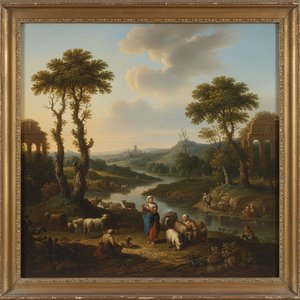
Nicolaes Berchem: Dutch Golden Age Pastoralism & the Evolution of Landscape Painting
Explore the captivating world of Nicolaes Berchem, a leading Dutch Golden Age painter. Discover his idyllic landscapes, masterful technique & lasting influence on art history. Learn more at OriginalUniqueArt.

Golden Light & Dutch Skies: The Timeless Magic of Dutch Golden Age Landscapes
Discover the breathtaking beauty of Dutch Golden Age landscapes. Explore the mastery of light, chiaroscuro, and 17th-century realism through an expert art history lens, celebrating the enduring legacy of the Dutch Masters for discerning collectors and art lovers.

Golden Light & Dutch Skies: Bringing the Magic of Dutch Golden Age Landscapes into Your Home
Transform your home with the breathtaking light of Dutch Golden Age landscapes. Discover how hand-painted oil reproductions of masterworks like Ruisdael and Vermeer bring timeless elegance, atmosphere, and soulful texture to modern interiors. Elevate your space with museum-quality art.
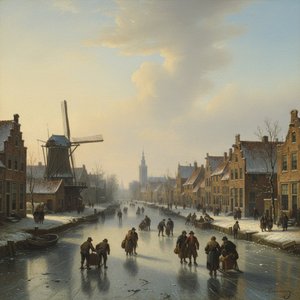
Charles Leickert: Capturing the Dutch Golden Age Light – A Comprehensive Study of Technique, Context, and Legacy
Explore the captivating winter landscapes of Charles Leickert, a master of Dutch Golden Age light & atmosphere. Discover his techniques, symbolism, and lasting legacy – a comprehensive study for art enthusiasts and collectors.