

 Pregledaj u prostoru
 Podeli
 Podeli
 Detalji
 Vodič
Vodič

 Preuzmi sliku
 Slični predmeti
 Rendgenski snimak
 Automatska prezentacija
 Statistika
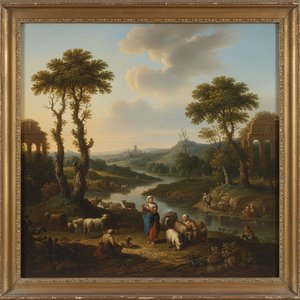
Italian Landscape
 Oil On Canvas
- WallArt
- Italianate Landscape
 31.0 x 40.0 cm
 Fitzwilliam College
 Pročitaj više
Giclee štampa / Umetnički otisak
Giclée štampa ili print na platnu muzejskog kvaliteta uz brzu izradu i raznovrsne opcije završne obrade. ( Naručite ručno oslikano reprodukciju Pređi na prodaju digitalnih slika)




P118B дин10

P118H дин10

P118W дин10

P438Z дин10

P508JH дин12

P508YH дин12

P805H дин10

P805Z дин10

P919BZ дин10

P919G дин10

P919XJ дин10

P959ZH дин10

P968JZ дин12

W106C дин8

W218G дин10

W218JH дин8

W218Y дин10

W307PJ дин10

W316G дин10

W316PJ дин8

W316Y дин10

W398PJ дин8

W4111J дин10

W500HY дин15

W500JH дин15

W692G дин12

W849H дин8

W940BG дин15

W953PJ дин8




Izaberite jednu od naših unapred definisanih veličina koje odgovaraju originalnim proporcijama umetničkog dela.

Unesite širinu i visinu koja vam je potrebna, kako bi se uklopili u vaš ram ili na vaš zid. Štampa se može samo iseći, nikada ne može biti veća od originalne slike, stoga format sa drugačijim proporcijama gubi deo slike. Poslaćemo vam digitalni prikaz radi potvrde pre nego što započnemo štampu. Slika prikazana na ovoj stranici ne pokazuje stvarni rez — to pokazuje samo digitalni prikaz.
Dostava širom sveta () za 2 nedelje umesto uobičajenih 4/5 nedelja. (26 октобар)

Besplatna ekspresna dostava širom sveta

Visokokvalitetno laneno platno

Sveobuhvatno osiguranje transporta

Garancija povraćaja carine i uvoznih dažbina

Garancija vernosti boja i autentičnosti pri reprodukciji

Politika povraćaja u roku od 100 dana (samo u slučaju nedostataka)

Garancija povrata 100% novca

Popust pri većoj količini
 Opcija sa staklom dostupna je samo za dimenzije manje od 110 cm

Italian Landscape
Giclee štampa / Umetnički otisak
Veličina reprodukcije
-


Ukupna cena
дин 8249
A Glimpse of Italian Pastoral: Jan Asselijn’s “Italian Landscape”
Jan Asselijn's "Italian Landscape," painted circa 1625-1652, isn’t merely a depiction of a picturesque vista; it’s an invitation to step into a carefully constructed world of serene beauty and subtle drama. This oil on canvas transports the viewer to a hypothetical Italian landscape – a deliberate choice by Asselijn that speaks volumes about the evolving artistic sensibilities of the Dutch Golden Age. The painting, now housed in collections like Bonhams, exemplifies the influence of both the Venetian masters and the burgeoning tradition of “pure” landscape painting emerging from Italy itself.
Asselijn’s style is distinctly characterized by a meticulous attention to detail and a masterful command of atmospheric perspective. He leans heavily into the techniques pioneered by Bamboccio – a contemporary painter known for his evocative, almost dreamlike landscapes – creating an image that feels both familiar and subtly unsettling. The composition unfolds with deliberate grace: a modest, classically-inspired building anchors the left foreground, its geometric solidity providing a grounding element against the undulating hills and hazy distance. The artist skillfully employs a muted palette of browns, ochres, and blues, avoiding bright colors to emphasize the painting’s contemplative mood. This restrained approach allows the subtle shifts in tone – from the dark shadows cast by distant trees to the luminous highlights reflecting off water – to create a remarkably convincing sense of depth and atmosphere.
The Influence of Venetian Masters and Italianate Tradition
Asselijn's work is deeply rooted in the artistic currents flowing through Italy at the time. He was profoundly influenced by the Venetian landscape painters, particularly those who favored a looser, more atmospheric style than their predecessors. However, unlike many of his contemporaries who simply copied Italian scenes directly, Asselijn imbued them with a distinctly Dutch sensibility – a focus on light, texture, and a carefully considered composition. This blending of influences is evident in the painting’s balanced structure, its subtle use of color, and its overall sense of quiet contemplation.
Furthermore, “Italian Landscape” reflects the broader trend toward what became known as "Italianate landscape" within Dutch art circles. This style sought to emulate the idealized landscapes depicted by artists like Claude Lorrain, who had established a dominant visual language for representing Italian scenery in Northern Europe. Asselijn’s painting isn't a literal transcription of an Italian vista; rather, it’s a carefully constructed fantasy – a “imaginary Italian Landscape” as described in some historical sources – designed to evoke the spirit and beauty of Italy while adhering to Dutch artistic conventions.
Symbolism and Emotional Resonance
Beyond its technical merits, "Italian Landscape" is rich in symbolic meaning. The solitary building, often interpreted as a villa or farmhouse, suggests themes of rural life, tranquility, and perhaps even isolation. The distant mountains, shrouded in mist, evoke a sense of mystery and the sublime – a recognition of nature’s power and grandeur. The figures scattered across the foreground, riding horses and walking along the riverbank, add a touch of human presence to the scene, reminding us of our connection to the natural world.
The painting's overall effect is one of profound serenity and contemplative beauty. It invites the viewer to slow down, to appreciate the subtle details of the landscape, and to lose themselves in its timeless atmosphere. It’s a testament to Asselijn’s skill as an artist – his ability to capture not just the appearance of a scene but also its emotional essence.
A Reproduction for Today's Spaces
Reproductions of “Italian Landscape” offer a beautiful addition to any interior space. The painting’s calming colors and evocative imagery create a sense of tranquility and sophistication, making it ideal for living rooms, bedrooms, or studies. The detailed depiction of the landscape invites contemplation and provides a visual connection to the natural world – a welcome respite from the stresses of modern life. Consider framing this piece in a classic wooden frame to further enhance its timeless appeal.
Pitanja i odgovori
Koju paletu boja i kakav osećaj spaja "Italian Landscape"?
Paleta Dark dela „Italian Landscape”, Јан Аселин skladno se uklapa sa njegovim Melancholic emocionalnim tonom. Boja je jedan od načina na koji umetničko delo prenosi osećaj.
Koju temu i atmosferu spaja „Italian Landscape”, Јан Аселин?
„Italian Landscape“ prikazuje landscape, figures, ruin, italy, asselijn, pastoral, tranquility, scenic, a njegov upečatljiv raspoloženje je Calm.
Da li je „Italian Landscape”, Јан Аселин svetlo ili tamno umetničko delo?
Sveukupno, "Italian Landscape" je zabeležen kao shadow. Percepcija osvetljenosti opisuje koliko delo deluje svetlo ili tamno.
Biografija umetnika
Живот испуњен пејзажима: Свет Јана Аселијна
Рођен као Жан Аселен у француском лучком граду Дијепу око 1610. године, живот Јана Аселијна био је обликован религиозним немирима и уметничким истраживањима. Његова породица, хугеноти који су бежали од прогона, преселила се у Амстердам 1621. године – важан центар трговине и растућег уметничког талента током Златног века Холандије. Овај прелазак је био кључан; млади Жан је уроњен у свет где се сликарство пејзажа брзо развијало из традиционалних приказа ка атмосферскији и емотивно резонантнијим сценама. Прво је учио код Јана Мартсена Млађег, усавршавајући своје вештине у биткама, пре него што је открио свој прави позив – да заувек забележи лепоту и драму природе и животињског света. Рани сусрет са холандском светлошћу и пространим небом постао је дефинишућа карактеристика његовог рада, али је тек боравак у Италији учврстио његову уметничку визију.Италијански занос и “Птице перове”
Као многи амбициозни северноевропски сликари те ере, Аселијн је тражио усавршавање у Италији, вероватно стигавши негде после 1635. године. Ту је у потпуности прихватио *Италијански* стил – жанр карактеризован сунчаним видицима, класичним рушевинама и пасторалним сценама прожетим осећајем романтике. Придружио се редовима *Bentvueghels*, шареном друштву холандских и фламанских уметника који су радили у Риму. Ове “Птице перове” биле су познате по свом неконвенционалном понашању, сатиричним надимцима и посвећености сликању директно из живота – одбацујући ограничења студијског рада. У овој бучној заједници, Аселијн је добио надимак “Крабетје” (мала рак) због физичког хендикепа који му је утицао на руку, али је ипак процветао креативно. Упијао је утицај уметника као што је Питер ван Лаер (Бамбочо), чији су прикази римског сељачког живота и пејзажа дубоко резонирали са његовим сопственим развијајућим стилом. Овај период је био кључан у обликовању његове способности да пренесе атмосферу, светлост и осећај наратива у своје композиције.Мастерство светла и симболизма: Кључна дела
Аселијн се вратио у Амстердам са усавршеном техником и изразитим гласом. Његове слике карактеришу јасноћа извођења и мајсторско бављење светом – квалитети који су му брзо донели признање. Иако је производио историјске и битке, његови пејзажи и животињски приказ су га заиста издвојили. Прећени лабуд, сликана 1640-их година, остаје његово најславније дело. Више него само приказ птичје одбране, ова слика је постала моћан симбол холандског националног отпора против спољних претњи. Усрдни лабуд, агресивно се бранећи од уљеза близу свог гнезда, резоновао је са савременим анксиозностима и чак је тумачен као алегорија за Јохана де Вита, истакнутог холандског државника. Занимљиво је да су каснији власници додали симболичке натписе на платно – “Холандија” на једном јајету и “Непријатељ државе” поред претњачког пса – што је додатно учврстило његове политичке нијансе. Остала значајна дела укључују Напад коњице у заласку сунца, који показује његов ранији тренинг у биткама са драматичним жаром, и приказе руралног живота као што је Сточари са говедом под луком Колизеја у Риму, који лепо спајају Италијанске пејзаже са животињским студијама. Продор дике Светог Антонија код Амстердама демонстрира његову способност да заувек забележи тренутак националне кризе, одражавајући сталну претњу воде и изузетну вештину холандског освајања земље.Утицај и наслеђе: Трајан утисак
Утицај Јана Аселијна се проширио ван његовог плодног рада. Дивили су му се савременици као што је Рембранд, који је чак направио ецхингс уметника на делу – ипак, ове ецхингс замуте Аселијнове руке, можда осетљиво признање његовог физичког изазова. Такође је служио као ментор Фредерику де Мушерону, другом истакнутом холандском сликару пејзажа који је даље популаризовао Италијански стил. Аселијнов иновативни приступ светлу и атмосфери утицао је на генерације уметника, отварајући пут већем реализму и емотивној дубини у сликарству пејзажа. Његова дела се сада чувају у престижним колекцијама као што је Ријксмузеум у Амстердаму, обезбеђујући његово наслеђе као значајна фигура у Златном веку Холандије. Умро је релативно млад, 1652. године, али је оставио иза себе корпус рада који наставља да очарава гледаоце својом лепотом, драмом и суптилним слојевима значења.
Јан Аселин
1610 - 1652 , Francuska
Brzi pregled
- Artistic Movement Or Style: Italijanski pejzaž
- Artists Or Movements Influenced By This Artist: ['Frederik de Moucheron']
- Artists Who Influenced This Artist:
- Esaias van de Velde
- Bamboccio
- Rembrandt
- Date Of Birth: oko 1610.
- Date Of Death: 1652.
- Full Name: Jan Asselijn
- Nationality: Holanđanin
- Notable Artworks:
- Prećeni labud
- Napada na Italiji
- Place Of Birth: Dieppe, Francuska
Srodni članci

Mastering Light & Land: An Art Historian's Guide to the Dutch Golden Age Landscape
Explore the breathtaking mastery of Dutch Golden Age landscapes. From Italianate light to atmospheric realism, discover the techniques of 17th-century masters and learn how to bring these timeless, museum-quality masterpieces into your home through expert oil reproductions.

Zlatno doba Holandske umetnosti: Top 10 remek dela za vaš dom
Otkrijte remek dela Holandskog zlatnog doba! Uronite u svet Rembrandta, Vermeera i drugih majstora. 10 ikoničnih slika koje su definisale umetnost. Inspiracija za vaš dom i kolekciju - ekskluzivne reprodukcije na OriginalUniqueArt.com!

Golden Light & Dutch Skies: The Timeless Magic of Dutch Golden Age Landscapes
Discover the breathtaking beauty of Dutch Golden Age landscapes. Explore the mastery of light, chiaroscuro, and 17th-century realism through an expert art history lens, celebrating the enduring legacy of the Dutch Masters for discerning collectors and art lovers.

Golden Light & Dutch Skies: Bringing the Magic of Dutch Golden Age Landscapes into Your Home
Transform your home with the breathtaking light of Dutch Golden Age landscapes. Discover how hand-painted oil reproductions of masterworks like Ruisdael and Vermeer bring timeless elegance, atmosphere, and soulful texture to modern interiors. Elevate your space with museum-quality art.
Nicolaes Berchem: Dutch Golden Age Pastoralism & the Evolution of Landscape Painting
Explore the captivating world of Nicolaes Berchem, a leading Dutch Golden Age painter. Discover his idyllic landscapes, masterful technique & lasting influence on art history. Learn more at OriginalUniqueArt.