

 Pregledaj u prostoru
 Podeli
 Podeli
 Detalji
 Vodič
Vodič

 Preuzmi sliku
 Slični predmeti
 Rendgenski snimak
 Automatska prezentacija
 Statistika
David de Ruyter

 Pročitaj više
Kupite digitalnu sliku visoke rezolucije i poboljšanog kvaliteta, koja je znatno superiornija od onoga što vidite u online prikazu.
Svaka datoteka je pedantno pripremljena od strane naših stručnjaka koristeći napredne alate i profesionalnu ručnu retušu. Osiguravamo da svaka slika ima izuzetnu oštrinu, preciznu reprodukciju boja i fine detalje.
Konačna datoteka se dostavlja putem e-pošte u roku od 72 sata, optimizovana za neposrednu upotrebu u profesionalnim, izdavačkim i štamparskim okruženjima. To je isti kvalitet kojem veruju vrhunski studiji dizajna, izdavači i galerije.
Digitalna slika
Preuzmite datoteku visoke rezolucije za ličnu upotrebu, štampanje i kreativne projekte. ( Pređi na prodaju štampanih primeraka Naručite ručno oslikano reprodukciju)
Uključeno uz svaku porudžbinu digitalne slike
Ekspertska digitalna isporuka, zagarantovana
Kada odaberete OriginalUniqueArt.com, ne dobijate samo sliku – vi primate profesionalno unapređeno digitalno umetničko delo, izrađeno sa najvećom preciznošću i uz garanciju zadovoljstva. Evo svega što automatski dolazi uz vašu porudžbinu:

Brza dostava putem e-pošte
Vaša digitalna slika visoke rezolucije biće vam poslata putem e-pošte u roku od 72 sata od poručivanja – spremna za trenutnu upotrebu.

Digitalna datoteka unapređena veštačkom inteligencijom
Vaše umetničko delo je profesionalno optimizovano primenom naprednih AI alata i ručne obrade, čime se osiguravaju maksimalni detalji, oštrina i preciznost boja.

Besplatna doživotna ponovna isporuka
Slučajno ste obrisali ili izgubili svoju datoteku? Ne brinite – poslaćemo vam je ponovo u bilo kom trenutku, potpuno besplatno.

Bez troškova uvoza – zauvek
Uživajte u svojim umetničkim delima trenutno, bez carine, akciza ili troškova dostave – digitalni download je uvek bez poreza.

Garancija preciznosti boja
Uz pomoć profesionalnih alata i upravljanja bojama, osiguravamo da vaša digitalna slika što vernije odražava originalne boje.

Garancija zadovoljstva u roku od 100 dana
Ako niste zadovoljni svojom digitalnom slikom, izvršićemo reviziju ili ćemo vam vratiti 100% novca u roku od 100 dana – bez ikakvih pitanja.

100% garancija povrata novca
Niste zadovoljni? Dobijte puni povraćaj novca u roku od 100 dana od prijema digitalne datoteke – bez suvišnih pitanja.

Popusti na velike porudžbine
Kupite 3 slike, uštedite 10% - Kupite 5 slika, uštedite 15% - Kupite 10+ slika, uštedite 20%. Odlično za kreativne projekte, galerije i agencije.
Biografija umetnika
Jan Anthonisz van Ravesteyn: A Master of Dutch Baroque Portraiture
Jan Anthonisz van Ravesteyn (c. 1572 – 1657) stands as a significant, yet often understated, figure in the vibrant world of 17th-century Dutch art. Born in The Hague, he emerged during a period of immense artistic flourishing—the Dutch Golden Age—and quickly established himself as a favored portraitist for the prestigious House of Nassau and other prominent families. His work offers a captivating glimpse into the lives and aspirations of the nobility, distinguished by a remarkable realism and an astute understanding of psychological nuance. Unlike some of his contemporaries who sought grand historical narratives, van Ravesteyn primarily focused on capturing the individual character of his subjects, imbuing each portrait with a sense of immediacy and intimacy.Early Life and Training
The precise details of van Ravesteyn’s early life remain somewhat elusive, shrouded in the typical gaps of historical records for artists of that era. It is believed he was born in The Hague, though his birthplace remains uncertain. His artistic training is equally debated; while some speculate a direct apprenticeship with Michiel Jansz van Mierevelt—a leading portraitist of the time—the evidence is circumstantial. What *is* clear is that van Ravesteyn quickly gained recognition within the Guild of St. Luke in The Hague, joining in 1598 and demonstrating considerable skill early on. This association with Mierevelt undoubtedly shaped his approach to portraiture, emphasizing naturalism and a keen observation of human form. His marriage in 1604 to Anna Arentsz van Berendrecht solidified his position within the city’s social fabric, further enhancing his opportunities for commissions.The Patronage of the House of Nassau
Van Ravesteyn's career truly flourished through his association with the House of Nassau, one of the most influential families in the Netherlands at the time. He became a trusted portraitist for various members—including Justinus van Nassau and later, his sons—and produced a substantial body of work commissioned by their court. These portraits weren’t merely formal representations; they were carefully crafted studies intended to project power, status, and lineage. The meticulous attention to detail – the rich fabrics, the subtle expressions, the intricate jewelry – all served to elevate the sitter and reinforce their position within the social hierarchy. Notably, he was commissioned to paint Hugo Grotius, a prominent philosopher and statesman, further cementing his reputation as a court artist of considerable standing.Style and Technique
Van Ravesteyn’s artistic style is characterized by a remarkable realism achieved through careful observation and skillful execution. He possessed an exceptional ability to render textures—the velvet of a gown, the sheen of polished metal, the delicate folds of fabric—with astonishing accuracy. His portraits are not idealized; rather, they present subjects in their natural state, capturing both their beauty and their imperfections. He employed a relatively dark palette, utilizing chiaroscuro – the dramatic contrast between light and shadow – to create depth and volume within his compositions. This technique heightened the sense of realism and drew attention to key features of the sitter’s face and clothing. His brushwork is generally smooth and controlled, contributing to the overall polished appearance of his portraits. He was a master of capturing fleeting expressions, conveying subtle emotions through minute shifts in the eyes or mouth.Legacy and Influence
Jan Anthonisz van Ravesteyn’s contribution to Dutch Baroque art is often overlooked compared to some of his more flamboyant contemporaries, but his influence on portraiture during the 17th century is undeniable. He demonstrated a remarkable ability to capture the essence of his subjects, creating portraits that are both visually stunning and psychologically insightful. His work served as a model for subsequent generations of Dutch artists, particularly in the realm of portraiture. His association with the Confrerie Pictura, a group of influential artists dedicated to artistic innovation and intellectual discourse, further solidified his place within the cultural landscape of the time. While he may not be as widely celebrated as Michiel Jansz van Mierevelt or Rembrandt, Jan Anthonisz van Ravesteyn remains a vital link in the chain of Dutch Baroque portraiture, offering a valuable window into the lives and aspirations of the elite during a transformative period in European history. His portraits continue to resonate with viewers today, revealing not only the outward appearance of his subjects but also their inner character and place within the world.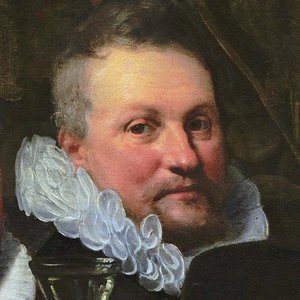
Jan Anthonisz Van Ravesteyn
1572 - 1657
Osnovne informacije
- Full Name: Jan Anthonisz van Ravesteyn
- Nationality: Dutch
- Date Of Birth: 1572
- Date Of Death: 1657
- Place Of Birth: The Hague, Netherlands
- Notable Artworks:
- Self-portrait (1618)
- Portrait of Nicolaas Cromh
- Artistic Movement Or Style: Baroque portraiture
- Artists Who Influenced This Artist: ['Michiel Jansz Mierevelt']
- Artists Or Movements Influenced By This Artist:
- House of Nassau
- Dutch Golden Age art