

 Pregledaj u prostoru
 Pošalji
 Podeli
 Detalji o delu

 Преузми
 Slični predmeti
 Rendgenski snimak
 Slajdovi
'Minoru'
 Contemporary Realism
 1912
1912 24.0 x 30.0 cm
 Walker Art Gallery
 Pročitaj više
Ručno rađena uljana reprodukcija
Ručno oslikano uljanim bojama na platnu u dimenzijama i okviru po vašem izboru, izrađeno po porudžbini od strane naših umetnika. ( Kupi print Kupi digitalnu sliku)




































Izaberite jednu od naših unapred definisanih veličina koje odgovaraju originalnim proporcijama umetničkog dela.

Можете унети сопствене димензије како бисте прилагодили дело одређеном оквиру или простору. Ако одабрана величина не одговара пропорцијама оригинала, слика ће бити исечена или проширена додатним елементима који се ручно насликавају. Дигитални prikaz ће вам бити послат на одобрење пре почетка производње.
Имајте на уму да преглед на екрану не одражава стварно исецање или проширење. Само приказ (mockup) ће тачно приказати коначну композицију.
Иако су доступне прилагођене величине, препоручујемо да одаберете димензију из дефинисане листе како бисте сачували оригиналне пропорције.
Nakon narudžbine, tim OriginalUniqueArt.com će klijentu putem e-pošte poslati uputstva i dostaviti prikaz predloženog rešenja
Isporuka širom sveta () za 3/4 nedelje umesto uobičajenih 5 nedelja. (20 август). Bez kompromisa po pitanju kvaliteta.

Besplatna ekspresna dostava širom sveta

Visokokvalitetno laneno platno

Kompletno osiguranje transporta

Garancija povraćaja carine i uvoznih dažbina

Garancija vernosti boja

Politika povrata u roku od 60 dana (samo u slučaju nedostataka)

Garancija povrata novca od 100%

Popust pri grupnoj kupovini
 Opcija sa staklom dostupna je samo za dimenzije manje od 110 cm

'Minoru'
Tehnika reprodukcije
Dimenzije reprodukcije
-


Konačna cena
$ 300
Biografija umetnika
James Lynwood Palmer: The Nervous Majesty of the Racehorse
James Lynwood Palmer (1868-1941) wasn’t merely a painter; he was an interpreter of equine psychology, a chronicler of the fleeting emotions within the powerful bodies of racehorses. Born in Market Rasen, Lincolnshire, into a family steeped in the traditions of the Church, Palmer’s artistic path diverged dramatically from his father's clerical life, leading him to forge a unique and intensely personal style. His early years were spent amidst the rugged landscapes of Canada, working with horses – a formative experience that would profoundly shape his future work. This immersion in the animal world, coupled with an innate sensitivity to movement and expression, became the bedrock of his distinctive artistic vision.
Palmer’s career blossomed during the early 20th century, a period of significant change and excitement within British racing. He deliberately avoided public exhibitions, preferring instead to cater to a select clientele – wealthy sportsmen and breeders who commissioned portraits of their prized steeds. This private patronage afforded him considerable freedom and allowed him to develop his distinctive technique without the constraints of commercial pressures. His subjects weren’t idealized representations of athletic prowess; rather, Palmer captured the inherent tension, the barely contained energy, and often the palpable nervousness of these magnificent animals as they stood poised on the track.
The Palette of Anxiety
Palmer's artistic approach was remarkably unconventional for his time. He eschewed the traditional heroic poses favored by many equestrian painters, instead focusing on capturing a sense of vulnerability and immediacy. His compositions were often dynamic, utilizing dramatic lighting and atmospheric perspective to heighten the emotional impact. The backgrounds—typically evocative landscapes of rolling hills, stormy skies, or dense woodlands—were not merely decorative; they served as foils to the horses’ nervous energy, amplifying their anxiety and anticipation.
His color palette was equally deliberate. He favored rich, earthy tones – deep browns, ochres, and greens – punctuated by flashes of vibrant crimson and gold. These colors weren't used to create a sense of beauty or grandeur; instead, they contributed to the overall feeling of tension and drama. Palmer’s brushwork was loose and expressive, conveying movement and texture with remarkable skill. He employed short, broken strokes to capture the fleeting muscles beneath the horse’s skin, while broader sweeps suggested the vastness of the landscape surrounding them.
Notable Works and Influences
Several paintings stand out as particularly compelling examples of Palmer's unique style. “Great Sport” (1908), a portrait of a chestnut stallion named ‘Sport,’ exemplifies his ability to capture the horse’s inherent nervousness, its eyes wide with anticipation. "Minoru" (1912), depicting a similarly spirited chestnut, showcases his masterful use of light and shadow to create a sense of drama. The painting is particularly notable for its depiction of the horse's nostrils flared, conveying a feeling of heightened awareness. “Colonel William Hall Walker on Buttercup” (1913) offers a glimpse into the relationship between man and animal, portraying a gentleman and his horse within a richly detailed woodland setting.
While Palmer’s work is largely self-taught, it's clear that he was influenced by several key artistic movements. The Impressionists, with their emphasis on capturing fleeting moments of light and color, undoubtedly played a role in shaping his technique. Furthermore, the works of J.M.W. Turner, known for his dramatic landscapes and atmospheric effects, provided inspiration for Palmer’s use of light and shadow. The influence of Pre-Raphaelite painters, with their interest in romanticism and emotional intensity, is also evident in his portrayal of horses as complex and emotionally charged subjects.
Legacy and Historical Significance
James Lynwood Palmer's contribution to the history of equestrian art lies not in grand scale or monumental ambition, but in his intimate understanding of the horse’s psychology. He wasn’t simply painting horses; he was painting their emotions—their anxiety, their anticipation, their inherent wildness. His work offers a rare and compelling glimpse into the world of British racing during the early 20th century, capturing a time of both excitement and social change.
Palmer's distinctive style has largely been overlooked by mainstream art history, but his paintings continue to be appreciated by collectors and enthusiasts who recognize their unique beauty and emotional depth. His legacy endures as a testament to the power of observation, sensitivity, and artistic vision—a reminder that even the most powerful creatures can possess a profound vulnerability.

james lynwood palmer
1868 - 1941
Osnovne informacije
- Artistic Movement Or Style: Equine painting
- Artists Or Movements Influenced By This Artist: ['Equestrian portraiture']
- Artists Who Influenced This Artist: ['None specified']
- Date Of Birth: 1868
- Date Of Death: 1941
- Full Name: James Lynwood Palmer
- Nationality: British
- Notable Artworks:
- Great Sport
- Minoru
- Buttercup
- Place Of Birth: Rasen, Lincolnshire, UK
Povezani članci

Sir Alfred Munnings' Masterpieces: 25 Paintings That Define Equine Art | OriginalUniqueArt
Explore 25 iconic Sir Alfred Munnings paintings! Discover the beauty of British Impressionism, equine art & rural England. Find museum-quality reproductions and elevate your home decor with OriginalUniqueArt. Explore the full collection online.

Džems Abbot MekNil Whistler: 25 Remek-dela Majstora Tonalizma | OriginalUniqueArt
Istražite 25 remek-dela Džemsa Abota MekNila Whistler-a! Uronite u svet Tonalizma, portreta i prelepog pejzaža. Kupite vrhunske reprodukcije slika na OriginalUniqueArt.com i obogatite svoj enterijer luksuznom umetnošću.
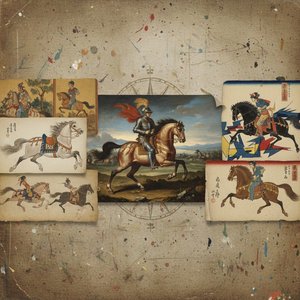
The Noble Steed on Canvas: A Historical & Artistic Exploration of Horse Painting Across Cultures
Explore the rich history of horse painting! Discover masterpieces from Stubbs to Munnings & learn about symbolism, techniques & artists. Find museum-quality reproductions at OriginalUniqueArt.

The Equine Muse: A Historical & Artistic Exploration of Horses in Painting
Explore the captivating history of horses in painting! Discover Renaissance masterpieces, Baroque grandeur & expert insights for collecting equestrian art. Learn about symbolism, techniques & lasting value with OriginalUniqueArt.

The Enduring Legacy of Oil on Canvas: Technique, History & Aesthetic Impact
Explore the rich history & techniques of oil painting – from Renaissance masters to Impressionism. Discover pigments, layering methods, and why this timeless medium endures. Expert insights for artists & art enthusiasts.

