

 Pregledaj u prostoru
 Pošalji
 Podeli
 Detalji o delu

 Преузми
 Slični predmeti
 Rendgenski snimak
 Slajdovi
 Statistika
Squelettes a l' atelie


 Pročitaj više
Ručno rađena uljana reprodukcija
Ručno oslikano uljanim bojama na platnu u dimenzijama i okviru po vašem izboru, izrađeno po porudžbini od strane naših umetnika. ( Pređi na štampu Pređi na digitalnu sliku)




P118B $10

P118H $10

P118W $10

P438Z $10

P508JH $12

P508YH $12

P805H $10

P805Z $10

P919BZ $10

P919G $10

P919XJ $10

P959ZH $10

P968JZ $12

W106C $8

W218G $10

W218JH $8

W218Y $10

W307PJ $10

W316G $10

W316PJ $8

W316Y $10

W398PJ $8

W4111J $10

W500HY $15

W500JH $15

W692G $12

W849H $8

W940BG $15

W953PJ $8




Izaberite jednu od naših unapred definisanih veličina koje odgovaraju originalnim proporcijama umetničkog dela.

Можете унети сопствене димензије како бисте прилагодили дело одређеном оквиру или простору. Ако одабрана величина не одговара пропорцијама оригинала, слика ће бити исечена или проширена додатним елементима који се ручно насликавају. Дигитални prikaz ће вам бити послат на одобрење пре почетка производње.
Имајте на уму да преглед на екрану не одражава стварно исецање или проширење. Само приказ (mockup) ће тачно приказати коначну композицију.
Иако су доступне прилагођене величине, препоручујемо да одаберете димензију из дефинисане листе како бисте сачували оригиналне пропорције.
Nakon narudžbine, tim OriginalUniqueArt.com će klijentu putem e-pošte poslati uputstva i dostaviti prikaz predloženog rešenja
Isporuka širom sveta () za 3/4 nedelje umesto uobičajenih 5 nedelja. (12 септембар). Bez kompromisa po pitanju kvaliteta.

Besplatna ekspresna dostava širom sveta

Visokokvalitetno laneno platno

Kompletno osiguranje transporta

Garancija povraćaja carine i uvoznih dažbina

Garancija vernosti boja

Politika povraćaja u roku od 100 dana (isključivo u slučaju nedostataka)

Garancija povrata novca od 100%

Popust pri grupnoj kupovini
 Opcija sa staklom dostupna je samo za dimenzije manje od 110 cm

Squelettes a l' atelie
Tehnika reprodukcije
Dimenzije reprodukcije
-


Konačna cena
$ 300
A Glimpse into the Artist’s Soul: Decoding Ensor's ‘Squelettes à l'Atelier’
James Ensor’s ‘Squelettes à l'Atelier’ (Skeletons in the Studio) is a powerfully unsettling and deeply symbolic work, offering a rare glimpse into the anxieties and creative processes of one of Belgium’s most important artists. Painted at an unknown date, this piece encapsulates Ensor’s unique vision – a blend of macabre humor, social critique, and introspective exploration of mortality and artistic creation.Subject Matter & Composition
The artwork presents a chaotic scene within what is clearly an artist's studio. The space is crammed with the tools of the trade—paint tubes, brushes, canvases—scattered amongst skeletal figures. A central skeleton, draped in red fabric, dominates the foreground, reclining as if posing for a portrait or perhaps even *as* the artist himself. This isn’t a scene of horror in the traditional sense; rather, it's an intensely personal and theatrical tableau. The composition is deliberately cluttered, creating a claustrophobic atmosphere that draws the viewer into the heart of Ensor’s world. A window offers limited illumination, casting dramatic shadows and emphasizing the contrast between life (represented by the potential for creation) and death.Style & Technique
‘Squelettes à l'Atelier’ is a prime example of Ensor’s distinctive style, heavily influenced by Symbolism and early Expressionism. The loose, gestural brushstrokes and impasto textures convey a sense of urgency and emotional intensity. Ensor eschews precise detail in favor of expressive form and color. Warm, earthy tones dominate the palette, punctuated by the striking red of the central skeleton’s garment. This painterly approach—evident in the visible brushwork—emphasizes the act of painting itself, blurring the line between subject and process.Symbolism & Interpretation
The symbolism within this work is rich and multi-layered:- Skeletons: Represent mortality, decay, and the ever-present awareness of death that haunted Ensor throughout his life.
- Masks (implied): Though not explicitly present in all interpretations, masks are a recurring motif in Ensor’s work, symbolizing hidden identities, societal hypocrisy, and the performative nature of existence. Their absence here could suggest a stripping away of pretense, revealing the raw reality of artistic struggle.
- The Studio: Represents both the sanctuary of creative expression and the site of intense psychological turmoil.
- Red Fabric: The color red often symbolizes passion, vitality, but also blood and sacrifice – hinting at the cost of artistic creation.
Historical Context & Ensor's Legacy
Born in 1860, James Ensor experienced a period of significant social and artistic change. He rejected the academic traditions of his time, forging his own path through experimentation and introspection. His work anticipated many of the themes that would later define Expressionism and Surrealism. Ensor’s fascination with grotesque imagery and psychological depth set him apart from his contemporaries and profoundly influenced generations of artists to come. ‘Squelettes à l'Atelier’ is a testament to his unique vision, offering a powerful commentary on the human condition and the enduring power of art.Emotional Impact & Aesthetic Appeal
This artwork evokes a complex range of emotions – unease, fascination, melancholy, and even a strange sense of humor. It's not a piece that offers easy answers; instead, it invites viewers to contemplate their own mortality and the mysteries of the creative process. Its dramatic composition, expressive brushwork, and symbolic depth make it a compelling focal point for any collection or interior space. A reproduction of ‘Squelettes à l'Atelier’ would add a touch of intellectual intrigue and artistic sophistication to a home or office, sparking conversation and inspiring contemplation.Biografija umetnika
James Ensor: A Pioneer of Expressionism and Surrealism
James Sidney Edouard, Baron Ensor (Ostend, 13 April 1860 – 19 November 1949) was a Belgian painter and printmaker who stands as one of the most influential figures in the development of Expressionism and Surrealism. Born into an English father and Belgian mother amidst the vibrant atmosphere of Ostend’s seaside resort town, Ensor’s upbringing instilled within him a profound fascination with observation and detail—a foundation upon which he would construct his distinctive artistic vision.
Early Influences and Artistic Training
From a young age, Ensor demonstrated an exceptional talent for drawing and painting. Encouraged by his parents' operation of a souvenir shop brimming with curiosities and carnival masks – a veritable cabinet of wonders that ignited his imagination – he pursued formal artistic training at the Académie Royale des Beaux-Arts in Brussels. Despite encountering resistance from the rigid academic conventions of the time, Ensor quickly recognized the necessity of forging his own path, prioritizing experimentation and personal expression above all else.
The Emergence of Grotesque Vision
Around 1886–87, Ensor embarked on a transformative artistic journey, rejecting Impressionistic ideals in favor of a bold embrace of grotesque imagery. Influenced by Rembrandt’s masterful use of chiaroscuro, the unsettling visions of Francisco Goya, and the evocative symbolism of Japanese woodcuts, he developed a highly personal iconography characterized by jarring juxtapositions of color and form.
Major Works and Recurring Themes
Ensor's oeuvre is marked by an unparalleled exploration of psychological complexity and social critique. Paintings like *The Oyster-eater* (1882) exemplify his meticulous attention to detail and his ability to convey profound emotional resonance, while *Christ’s Entry into Brussels* (1888–89), arguably his magnum opus, remains a monumental satire of religious hypocrisy—a painting initially met with vehement disapproval but now universally recognized as a cornerstone of Expressionist art.
Legacy and Influence
James Ensor's uncompromising artistic vision profoundly impacted subsequent generations of artists. His rejection of academic formalism, coupled with his fearless confrontation of taboo subjects and his masterful manipulation of visual language—particularly the use of bold brushstrokes and vibrant hues—established him as a pivotal figure in the genesis of Expressionism and Surrealism. Today, Ensor’s work continues to inspire awe and provoke contemplation, serving as a timeless reminder that art possesses the capacity to unsettle conventions and illuminate the darkest recesses of human consciousness.

Јемас Енсор
1860 - 1949 , Бележија
Osnovne informacije
- Artistic Movement Or Style: Expressionism, Surrealism
- Artists Who Influenced This Artist:
- Bruegel the Elder
- Francisco Goya
- Whistler
- Date Of Birth: April 13, 1860
- Date Of Death: November 19, 1949
- Full Name: James Sidney Edouard Ensor
- Nationality: Belgian
- Notable Artworks:
- The Scandalized Masks
- Skeletons Fighting...
- Christ's Entry into Brussels
- Place Of Birth: Ostend, Belgium
Povezani članci

Sir Alfred Munnings' Masterpieces: 25 Paintings That Define Equine Art | OriginalUniqueArt
Explore 25 iconic Sir Alfred Munnings paintings! Discover the beauty of British Impressionism, equine art & rural England. Find museum-quality reproductions and elevate your home decor with OriginalUniqueArt. Explore the full collection online.
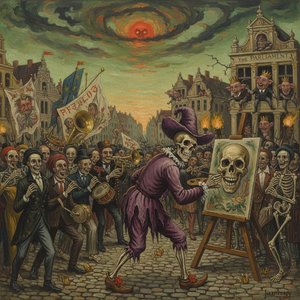
James Ensor's Grotesque Visions: Social Commentary & Artistic Innovation
Explore the unsettling yet captivating world of James Ensor, a pioneer of Expressionism. Discover his satirical masterpieces, symbolic imagery & lasting influence on modern art. High-quality reproductions available at OriginalUniqueArt.
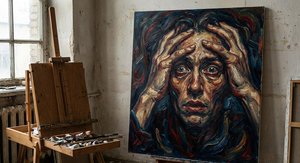
Figurative Expressionism: Emotional Intensity & Subjective Reality in 20th-Century Art
Explore the powerful world of Figurative Expressionism with OriginalUniqueArt. Discover key artists like Kirchner & Beckmann, understand its emotional depth, and learn how to collect this influential 20th-century art movement.

Džems Abbot MekNil Whistler: 25 Remek-dela Majstora Tonalizma | OriginalUniqueArt
Istražite 25 remek-dela Džemsa Abota MekNila Whistler-a! Uronite u svet Tonalizma, portreta i prelepog pejzaža. Kupite vrhunske reprodukcije slika na OriginalUniqueArt.com i obogatite svoj enterijer luksuznom umetnošću.
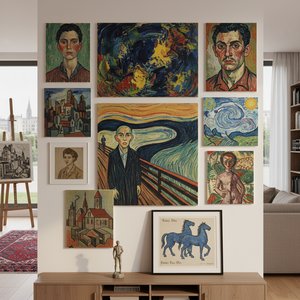
Glavna dela ekspresionizma: 10 remek-dela koja su definisala umetnički pokret
Otkrijte 10 remek-dela ekspresionizma! Uronite u svet Edvarda Muncha, Ernsta Ludwiga Kirchnera i drugih. Istaknute umetničke slike, intenzivne boje i emocionalni izraz. Pronađite inspiraciju za svoj enterijer na OriginalUniqueArt.com – vrhunski izbor reprodukcija slika!


