Meni
BESPLATNE KONSULTACIJE SA STRUČNJAKOM ZA UMETNOST
PreviewPreview Kupi štampu Kupi štampuKupi digitalnu sliku Kupi digitalnu sliku PošaljiPošalji
Detalji o deluDetalji o delu Dodaj u omiljene Dodaj u omiljene ПреузмиПреузми Slični predmetiSlični predmeti Rendgenski snimakRendgenski snimak SlajdoviSlajdovi

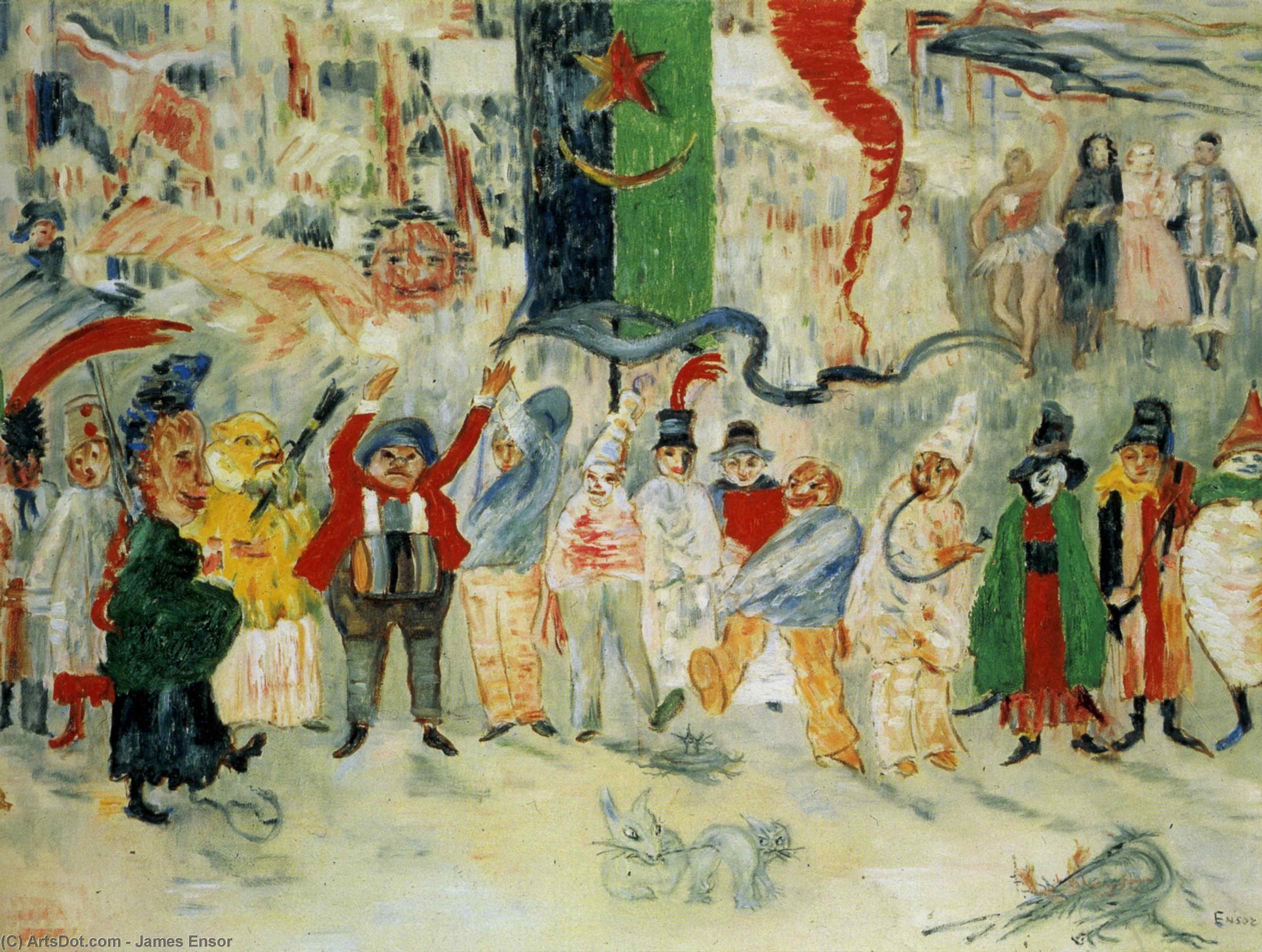
Carnaval en Flandre

Откријте Јамес Енсор (1860-1949), белгијског сликар који је био пионер експресионизма и сюрреализма. Истражите његове узнемирујуће сцене маски, карнавала и скелета.

Ručno rađena uljana reprodukcija

Ručno oslikano uljanim bojama na platnu u dimenzijama i okviru po vašem izboru, izrađeno po porudžbini od strane naših umetnika.

P118B $10
P118H $10
P118W $10
P438Z $10
P508JH $12
P508YH $12
P805H $10
P805Z $10
P919BZ $10
P919G $10
P919XJ $10
P959ZH $10
P968JZ $12
W106C $8
W218G $10
W218JH $8
W218Y $10
W307PJ $10
W316G $10
W316PJ $8
W316Y $10
W398PJ $8
W4111J $10
W500HY $15
W500JH $15
W692G $12
W849H $8
W940BG $15
W953PJ $8

Standard
custom
CM
INCH

Izaberite jednu od naših unapred definisanih veličina koje odgovaraju originalnim proporcijama umetničkog dela.

širina
visina

Можете унети сопствене димензије како бисте прилагодили дело одређеном оквиру или простору. Ако одабрана величина не одговара пропорцијама оригинала, слика ће бити исечена или проширена додатним елементима који се ручно насликавају. Дигитални prikaz ће вам бити послат на одобрење пре почетка производње.
Имајте на уму да преглед на екрану не одражава стварно исецање или проширење. Само приказ (mockup) ће тачно приказати коначну композицију.
Иако су доступне прилагођене величине, препоручујемо да одаберете димензију из дефинисане листе како бисте сачували оригиналне пропорције.

Primeri onoga što se može promeniti: Zamena lica fotografijom kupca; Dodavanje ljubimca (npr. zamena mačke psom); Uključivanje skrivene poruke u pozadini; Promena pejzaža ili elemenata pozadine.
Nakon narudžbine, tim OriginalUniqueArt.com će klijentu putem e-pošte poslati uputstva i dostaviti prikaz predloženog rešenja

Isporuka širom sveta () za 3/4 nedelje umesto uobičajenih 5 nedelja. (23 јул). Bez kompromisa po pitanju kvaliteta.

why_choose_icon
Besplatna ekspresna dostava širom sveta
why_choose_icon
Visokokvalitetno laneno platno
why_choose_icon
Kompletno osiguranje transporta
why_choose_icon
Garancija povraćaja carine i uvoznih dažbina
why_choose_icon
Garancija vernosti boja
why_choose_icon
Politika povrata u roku od 60 dana (samo u slučaju nedostataka)
why_choose_icon
Garancija povrata novca od 100%
why_choose_icon
Popust pri grupnoj kupovini

Ukupna cena

-

reproduction

Carnaval en Flandre

Tehnika reprodukcije

Dimenzije reprodukcije

-

Konačna cena

-

Osnovne informacije

  • Medium: Oil on canvas
  • Notable elements or techniques: Masks, grotesque imagery
  • Artistic style: Surrealist
  • Influences: Symbolism
  • Movement: Expressionism
  • Location: Private Collection

Kviz o umetnosti

Svako pitanje ima samo jedan tačan odgovor.

Pitanje 1:
What artistic movement is James Ensor primarily associated with?
Pitanje 2:
The painting depicts a lively celebration featuring people dressed in various styles. What prominent element contributes to the festive atmosphere?
Pitanje 3:
James Ensor's upbringing was marked by exposure to souvenirs and curiosities. Where did his parents operate a business?
Pitanje 4:
What color palette dominates the painting's depiction of the crowd?
Pitanje 5:
James Ensor’s artistic vision was challenged by what aspect of the Académie Royale des Beaux-Arts?

Opis umetničkog dela

Carnaval en Flandre: A Masked Reflection of Victorian Anxiety

James Ensor’s “Carnaval en Flandre” (1896) isn't merely a depiction of a festive Belgian celebration; it’s a profound meditation on the anxieties simmering beneath the surface of Victorian society. Painted during Ensor’s formative years as an Expressionist, this monumental canvas captures a chaotic scene of masked figures swirling amidst a vibrant tapestry of color—a visual paradox that speaks volumes about the artist's preoccupation with duality and hidden truths. The painting immediately grabs the viewer’s attention with its audacious palette: reds dominate the central figures, punctuated by splashes of emerald green and sapphire blue, creating an unsettling dynamism that contrasts sharply with the stillness of the background.
  • Subject Matter: Ensor meticulously portrays a carnival procession—a tradition rife with symbolism—featuring individuals adorned in elaborate costumes and masks. The sheer number of figures contributes to the overwhelming feeling of movement and disorientation.
  • Style & Technique: Ensor’s masterful brushwork exemplifies Expressionist principles, prioritizing emotional intensity over realistic representation. Thick impasto creates textural surfaces that convey a palpable sense of unease and disturbance.
The historical context is crucial to understanding “Carnaval en Flandre.” Victorian England was grappling with rapid industrialization, social upheaval, and anxieties surrounding mortality—themes frequently explored by Ensor through grotesque imagery and unsettling juxtapositions. The masks themselves serve as potent symbols of concealment and deception, representing not just disguises but also the hidden identities and repressed desires that lurk beneath societal facades. Notice particularly the central figure – a solitary man dressed in black, seemingly detached from the revelry—a poignant reminder of individual isolation amidst collective celebration. Symbolism: Ensor’s use of color is deliberately jarring, mirroring the psychological turmoil he sought to convey. The reds symbolize passion and aggression, while the blues evoke melancholy and despair. Recurring skeletal imagery reinforces the pervasive awareness of death and decay—a preoccupation that reflects Ensor's broader artistic vision. Emotional Impact: “Carnaval en Flandre” transcends mere visual spectacle; it compels viewers to confront uncomfortable truths about human nature and societal anxieties. The painting’s unsettling atmosphere lingers long after viewing, prompting contemplation on themes of alienation, repression, and the fragility of illusion. It's a masterpiece that continues to resonate with audiences today—a testament to Ensor’s ability to distill complex psychological ideas into unforgettable visual imagery.
  • Interior Design Inspiration: Consider incorporating elements of Ensor’s bold color palette and textural brushstrokes into contemporary interior spaces, creating an atmosphere of dramatic contrast and intellectual stimulation.
  • Collector's Perspective: Owning a high-quality reproduction allows you to appreciate the intricacies of Ensor’s technique and engage with his profound exploration of Victorian anxieties—a piece of art that speaks across time.

Biografija umetnika

James Ensor: A Pioneer of Expressionism and Surrealism

James Sidney Edouard, Baron Ensor (Ostend, 13 April 1860 – 19 November 1949) was a Belgian painter and printmaker who stands as one of the most influential figures in the development of Expressionism and Surrealism. Born into an English father and Belgian mother amidst the vibrant atmosphere of Ostend’s seaside resort town, Ensor’s upbringing instilled within him a profound fascination with observation and detail—a foundation upon which he would construct his distinctive artistic vision.

Early Influences and Artistic Training

From a young age, Ensor demonstrated an exceptional talent for drawing and painting. Encouraged by his parents' operation of a souvenir shop brimming with curiosities and carnival masks – a veritable cabinet of wonders that ignited his imagination – he pursued formal artistic training at the Académie Royale des Beaux-Arts in Brussels. Despite encountering resistance from the rigid academic conventions of the time, Ensor quickly recognized the necessity of forging his own path, prioritizing experimentation and personal expression above all else.

The Emergence of Grotesque Vision

Around 1886–87, Ensor embarked on a transformative artistic journey, rejecting Impressionistic ideals in favor of a bold embrace of grotesque imagery. Influenced by Rembrandt’s masterful use of chiaroscuro, the unsettling visions of Francisco Goya, and the evocative symbolism of Japanese woodcuts, he developed a highly personal iconography characterized by jarring juxtapositions of color and form.

Major Works and Recurring Themes

Ensor's oeuvre is marked by an unparalleled exploration of psychological complexity and social critique. Paintings like *The Oyster-eater* (1882) exemplify his meticulous attention to detail and his ability to convey profound emotional resonance, while *Christ’s Entry into Brussels* (1888–89), arguably his magnum opus, remains a monumental satire of religious hypocrisy—a painting initially met with vehement disapproval but now universally recognized as a cornerstone of Expressionist art.

Legacy and Influence

James Ensor's uncompromising artistic vision profoundly impacted subsequent generations of artists. His rejection of academic formalism, coupled with his fearless confrontation of taboo subjects and his masterful manipulation of visual language—particularly the use of bold brushstrokes and vibrant hues—established him as a pivotal figure in the genesis of Expressionism and Surrealism. Today, Ensor’s work continues to inspire awe and provoke contemplation, serving as a timeless reminder that art possesses the capacity to unsettle conventions and illuminate the darkest recesses of human consciousness.

Јемас Енсор

Јемас Енсор

1860 - 1949 , Бележија

Osnovne informacije

  • Artistic Movement Or Style: Expressionism, Surrealism
  • Artists Who Influenced This Artist:
    • Bruegel the Elder
    • Francisco Goya
    • Whistler
  • Date Of Birth: April 13, 1860
  • Date Of Death: November 19, 1949
  • Full Name: James Sidney Edouard Ensor
  • Nationality: Belgian
  • Notable Artworks:
    • The Scandalized Masks
    • Skeletons Fighting...
    • Christ's Entry into Brussels
  • Place Of Birth: Ostend, Belgium
Istražite umetnička dela organizovana prema temama, stilovima i karakteristikama.