
 Pregledaj u prostoru
 Pošalji
 Podeli
 Detalji o delu
 Vodič
Vodič

 Preuzmi
 Slični predmeti
 Rendgenski snimak
 Automatska prezentacija
 Pitanja i odgovori
 Statistika
Pheasant Shooting

- 47.0 x 61.0 cm


 Pročitaj više
Giclee štampa / Umetnički otisak
Giclée štampa ili print na platnu muzejskog kvaliteta uz brzu izradu i raznovrsne opcije završne obrade. ( Kupite ručno oslikano delo Pređi na digitalnu sliku)




P118B дин10

P118H дин10

P118W дин10

P438Z дин10

P508JH дин12

P508YH дин12

P805H дин10

P805Z дин10

P919BZ дин10

P919G дин10

P919XJ дин10

P959ZH дин10

P968JZ дин12

W106C дин8

W218G дин10

W218JH дин8

W218Y дин10

W307PJ дин10

W316G дин10

W316PJ дин8

W316Y дин10

W398PJ дин8

W4111J дин10

W500HY дин15

W500JH дин15

W692G дин12

W849H дин8

W940BG дин15

W953PJ дин8




Izaberite jednu od naših unapred definisanih veličina koje odgovaraju originalnim proporcijama umetničkog dela.

Unesite željenu širinu i visinu kako bi se štampa uklopila u vaš ram ili zid. Štampu je moguće samo iseći, ali nikada povećati iznad dimenzija originalne slike, stoga format sa drugačijim proporcijama uzrokuje gubitak dela slike. Pre početka štampe, poslaćemo vam digitalni prikaz radi potvrde. Slika prikazana na ovoj stranici ne predstavlja stvarni isrez — to pokazuje samo digitalni prikaz.
Dostava širom sveta () za 2 nedelje umesto uobičajenih 4/5 nedelja. (8 новембар)

Besplatna ekspresna dostava širom sveta

Visokokvalitetno laneno platno

Potpuno osiguranje transporta

Garancija povraćaja carine i uvoznih dažbina

Garancija vernosti boja

Politika povraćaja u roku od 100 dana (samo u slučaju nedostataka)

Garancija povrata 100% novca

Popust na više proizvoda
 Opcija sa staklom dostupna je samo za dimenzije manje od 110 cm

Pheasant Shooting
Giclee štampa / Umetnički otisak
Dimenzije reprodukcije
-


Ukupna cena
дин 8485
The Thrill of the Chase: A Masterpiece of Sporting Art
In the quiet, dappled light of the English countryside, time seems to suspend itself within James Barenger’s 1831 masterpiece, Pheasant Shooting. This evocative oil on canvas is far more than a mere depiction of a sporting event; it is a window into the soul of nineteenth-century British tradition. As the viewer gazates upon the scene, they are immediately drawn into the tension of the hunt, where the rustle of underbrush and the rhythmic panting of hounds feel almost audible. Barenger, a pioneer of the English School, utilizes his profound understanding of animal anatomy and natural light to capture that fleeting, breathless moment when the hunter prepares to discharge his flintlock, and the birds are flushed from their woodland sanctuary.
The composition is a masterclass in balanced energy. Positioned toward the left of the frame, the hunter stands as the focal point of human intent, yet he is inextricably linked to the natural world around him. His loyal companions—three dogs spread across the canvas—act as visual anchors that guide the eye through the thicket. One hound presses forward near the center, another lingers to the left, and a third explores the periphery to the right, creating a sense of movement that mimics the unpredictable path of the quarry. This strategic arrangement ensures that the viewer’s gaze does not rest in one place but instead wanders through the lush, textured landscape, mirroring the very search conducted by the hunter himself.
Technique and the Art of Realism
What distinguishes Barenger’s work is his meticulous attention to the minute details of the natural world, a skill likely inherited from his father’s precision in metal chasing. In Pheasant Shooting, every element—from the coarse texture of the dog's fur to the delicate play of light on the hunter's attire—is rendered with an almost scientific accuracy. The artist employs a rich, vibrant palette that breathes life into the English woods, using deep greens and earthy browns to create depth, while sudden highlights suggest the sun breaking through a dense canopy. This mastery of light and shadow, or chiaroscuro, lends a three-dimensional quality to the subjects, making the scene feel remarkably tactile.
For the discerning collector or interior designer, this painting offers an unparalleled sense of prestige and historical weight. The piece embodies the "Sporting Art" genre, which was the height of sophistication during the 19th century, representing a period when the landed gentry celebrated their connection to the land and the seasonal rhythms of country life. Bringing a high-quality reproduction of this work into a space does not merely decorate a wall; it introduces a narrative of heritage, elegance, and the timeless allure of the great outdoors.
An Emotional Legacy for Modern Interiors
Beyond its technical brilliance, Pheasant Shooting resonates on an emotional level through its depiction of companionship and focus. There is a profound sense of harmony in the relationship between the man and his dogs, a silent pact of trust and shared purpose that transcends the centuries. This theme of connection makes the artwork particularly compelling for contemporary settings, where it can serve as a sophisticated centerpiece in a study, a library, or a grand dining room.
Whether you are an art historian captivated by the evolution of the English School or a decorator seeking to infuse a room with the warmth and character of a bygone era, this painting serves as an exquisite inspiration. It invites contemplation of the natural world and celebrates the artistry required to freeze a moment of high drama forever in oil. To possess a reproduction of Barenger’s work is to hold a piece of history, rendered with the passion and precision that only a true master could command.
Pitanja i odgovori
Kako "Pheasant Shooting" balansira svetlo i tamno?
Za delo „Pheasant Shooting”, autor James Barenger zabeležena je osvetljenost od balanced, uz luminancu od Soft Shadow.
Kolika je bojno ujednačena kompozicija dela „Pheasant Shooting”, autor James Barenger?
„Pheasant Shooting”, autor James Barenger prikazuje Unified Palette kolorističku harmoniju.
Sa kojim osećanjem je povezano "Pheasant Shooting"?
Emocionalni ton zabeležen za „Pheasant Shooting”, autor James Barenger je Dramatic, što sažima osećaj koji ovo delo izražava.
Biografija umetnika
The Master of the English Hunt: The Life and Legacy of James Barenger
In the dappled sunlight of the early nineteenth-century English countryside, few artists captured the pulse of the hunt and the quiet majesty of the animal kingdom as vividly as James Barenger. Born on Christmas Day in 1780 within the industrious enclave of Kentish Town, London, Barenger was destined for a life steeped in artistic precision. He was the son of James Barenger Snr., a celebrated metal chaser whose meticulous skill in portraying insects for the Royal Academy provided a foundational blueprint for his son’s later mastery of anatomical realism. This familial lineage of craftsmanship meant that from his earliest years, Barenger viewed the natural world not merely as scenery, and certainly not as mere decoration, but as a subject requiring scientific accuracy and profound emotional resonance.
Barenger’s artistic evolution was a journey from the delicate landscapes of his youth to the robust, muscular energy of equestrian portraiture. While he initially found footing as a landscape artist, his true calling emerged through his fascination with the movement and spirit of horses and hounds. By the time he made his formal debut at the Royal Academy in 1807, he had begun to cultivate a style that would define him: a seamless blend of naturalism and narrative tension. His work did not simply sit static upon the canvas; it breathed with the rhythmic panting of hounds and the nervous twitch of a horse's ear, capturing those fleeting, breathless moments of the chase that defined the sporting culture of his era.
Technique, Texture, and the Sporting Tradition
What truly distinguishes Barenger’s oeuvre is his unparalleled ability to render texture and light with an almost tactile quality. Whether he was depicting the coarse, wiry fur of a hunting dog or the sleek, shimmering coat of a bay mare, his brushwork conveyed a deep understanding of organic matter. In masterpieces such as Pheasant Shooting, one can sense the tension of the hunt through his strategic use of composition. He utilized the lush, textured underbrush to guide the viewer’s eye, creating a sense of depth that mirrors the very search conducted by the hunter. This mastery of light and shadow—the interplay of sunbeams piercing through thick woodland canopy—allowed him to elevate sporting scenes from mere documentation to high art.
His influence extended far beyond the walls of private galleries, reaching the wider public through the burgeoning medium of print. Barenger’s paintings were frequently reproduced in prestigious sporting publications of the day, including:
- W. H. Scott’s British Field Sports
- The Sporting Repository
- The Annals of Sporting
- The Sporting Magazine
These engravings, often executed by skilled hands like those of his brother Samuel or W. H. Scott himself, ensured that Barenger’s depictions of legendary animals, such as the famed Blucher, became iconic images within British sporting history. His work served as a visual record of an aristocratic way of life, immortalizing the breeds and the traditions of the English landed gentry.
A Lasting Impression on the English School
Though his life was tragically short, ending in 1831, James Barenger left behind a legacy that solidified his position within the prestigious English School of painting. He moved through the artistic circles of London with distinction, securing commissions from influential families like the Tattersall family, whose patronage allowed him to pursue his passion for animal breeding and fine art simultaneously. His life was a testament to the synergy between observation and execution; he lived much of his life as an avid breeder, a pursuit that undoubtedly informed the anatomical perfection found in his canvases.
Today, Barenger is remembered not merely as an illustrator of hunts, but as a pioneer who brought a new level of dignity and scientific rigor to animal painting. His ability to imbue his subjects with individual character—transforming a mere horse into a portrait of strength and grace—ensures that his work remains a vital chapter in the history of British realism. Through his eyes, we continue to witness the timeless, evocative beauty of the natural world and the enduring spirit of the English sporting tradition.

James Barenger
1780 - 1831
Osnovne informacije
- Artistic Movement Or Style: Early American Art
- Artists Or Movements Influenced By This Artist: ['British School']
- Artists Who Influenced This Artist: ['Dutch Masters']
- Date Of Birth: 1780
- Date Of Death: 1831
- Full Name: James Barenger
- Nationality: English
- Notable Artworks: ['Blucher']
- Place Of Birth: Kentish Town, London
Povezani članci

19th Century Masterpieces: 10 Paintings That Defined an Era | OriginalUniqueArt
Journey through 19th century art with OriginalUniqueArt! Explore 10 iconic paintings – from Monet & Renoir to Courbet – and discover the stories behind Romanticism, Realism & Impressionism. Find museum-quality reproductions for your home decor. Explore the full collection online!

25 Remek-dela Džona Konstebla: Lepota Engleske na Platnu | OriginalUniqueArt
Uronite u svet Džona Konstebla! Otkrijte 25 remek-dela engleskog pejzaža, romantizma i seoske idile. Kupite reprodukcije slika vrhunskog kvaliteta za dekoraciju enterijera na OriginalUniqueArt.com.
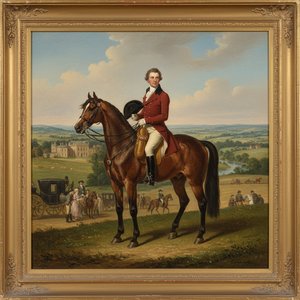
Sr. John E. Ferneley: Equestrian Portraiture & England's Social Fabric
Explore the captivating world of Sr. John E. Ferneley, a master of British sporting art. Discover his exquisite equestrian paintings & insights into 19th-century society. Invest in timeless masterpieces with OriginalUniqueArt.
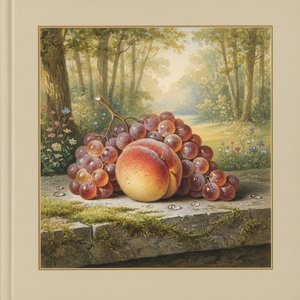
William Henry Hunt: Luminosity & Detail in Early 19th-Century Watercolour Painting
Explore the captivating watercolour paintings of William Henry Hunt (1790-1864). Discover his mastery of naturalistic detail, luminous technique & influence on 19th-century art. Learn about collecting Hunt's work and its enduring value.
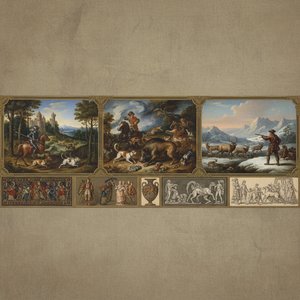
The Pursuit of Power & Prestige: Hunting Scenes in Western Art
Explore the rich history of hunting scenes in Western art, from royal pursuits to powerful allegories. Discover masterpieces & expert insights for discerning collectors. OriginalUniqueArt offers museum-quality reproductions.