
 Pregledaj u prostoru
 Pošalji
 Podeli
 Detalji o delu

 Преузми
 Slični predmeti
 Rendgenski snimak
 Slajdovi
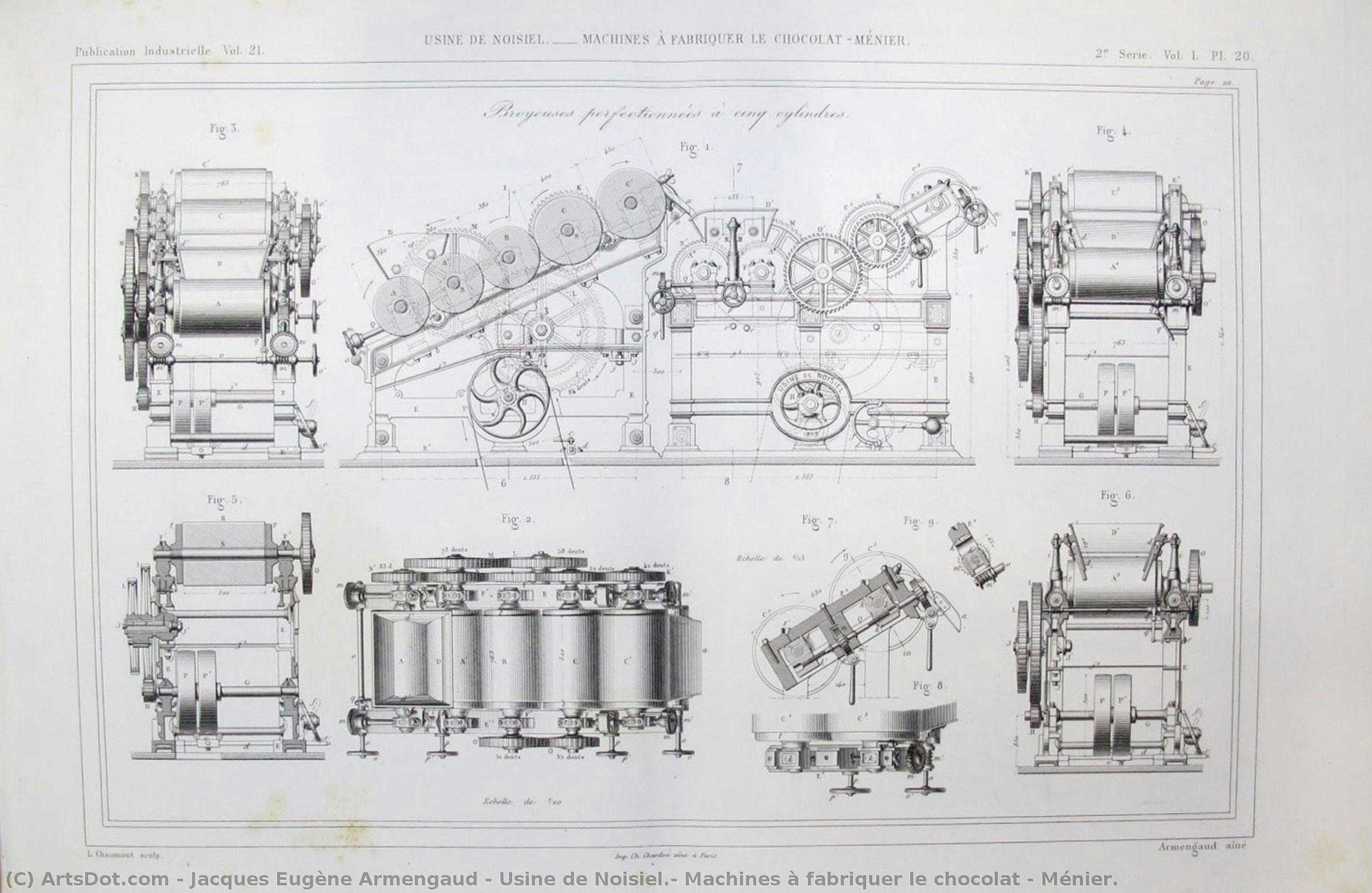
Usine de Noisiel.- Machines à fabriquer le chocolat – Ménier.


 Pročitaj više
Ručno rađena uljana reprodukcija
Ručno oslikano uljanim bojama na platnu u dimenzijama i okviru po vašem izboru, izrađeno po porudžbini od strane naših umetnika. ( Kupi print Kupi digitalnu sliku)




































Izaberite jednu od naših unapred definisanih veličina koje odgovaraju originalnim proporcijama umetničkog dela.

Можете унети сопствене димензије како бисте прилагодили дело одређеном оквиру или простору. Ако одабрана величина не одговара пропорцијама оригинала, слика ће бити исечена или проширена додатним елементима који се ручно насликавају. Дигитални prikaz ће вам бити послат на одобрење пре почетка производње.
Имајте на уму да преглед на екрану не одражава стварно исецање или проширење. Само приказ (mockup) ће тачно приказати коначну композицију.
Иако су доступне прилагођене величине, препоручујемо да одаберете димензију из дефинисане листе како бисте сачували оригиналне пропорције.
Nakon narudžbine, tim OriginalUniqueArt.com će klijentu putem e-pošte poslati uputstva i dostaviti prikaz predloženog rešenja
Isporuka širom sveta () za 3/4 nedelje umesto uobičajenih 5 nedelja. (21 август). Bez kompromisa po pitanju kvaliteta.

Besplatna ekspresna dostava širom sveta

Visokokvalitetno laneno platno

Kompletno osiguranje transporta

Garancija povraćaja carine i uvoznih dažbina

Garancija vernosti boja

Politika povrata u roku od 60 dana (samo u slučaju nedostataka)

Garancija povrata novca od 100%

Popust pri grupnoj kupovini
 Opcija sa staklom dostupna je samo za dimenzije manje od 110 cm

Usine de Noisiel.- Machines à fabriquer le chocolat – Ménier.
Tehnika reprodukcije
Dimenzije reprodukcije
-


Konačna cena
$ 300
Opis umetničkog dela
Biografija umetnika
Jacques Eugène Armengaud: Pioneer of Industrial Drawing and Witness to the Machine Age
Jacques Eugène Armengaud (October 25, 1810 – January 23, 1891) stands as a pivotal figure in the history of French engineering and artistic representation. Born in Ostend, Belgium—then part of the United Kingdom of Netherlands—Armengaud’s life was inextricably linked to the burgeoning industrial revolution, shaping not only his professional career but also profoundly influencing his artistic vision. He dedicated himself to mastering the craft of machine drawing, establishing himself as a professor at the Conservatoire national des arts et métiers (CNAM) in Paris and becoming instrumental in disseminating knowledge about industrial design.- Early Life and Education: Armengaud’s formative years were marked by exposure to scientific inquiry and artistic pursuits. His father, Jean-Baptiste Armengaud, was a prominent physician and educator, fostering an environment that encouraged intellectual curiosity. He excelled in mathematics and mechanics from a young age, securing admission to the École Polytechnique—a cornerstone of French engineering education—where he honed his technical skills.
- Career as Engineer: Following graduation, Armengaud embarked on a distinguished career as an industrial engineer, specializing in hydraulic machinery. He gained considerable renown for his innovative designs and contributions to infrastructure projects across France. Notably, he served as Director of Hydraulic Works for the Département de Seine-et-Oise from 1851 to 1871, overseeing ambitious undertakings aimed at bolstering the nation’s industrial capabilities.
The Birth of Industrial Drawing: ‘The Practical Draughtsman’
Armengaud's legacy rests primarily on his authorship of “The Practical Draughtsman,” published in 1851. This groundbreaking textbook revolutionized the field of machine drawing, transforming it from a purely technical discipline into an art form capable of conveying complex concepts with clarity and elegance. Armengaud championed a humanist approach to engineering education—emphasizing not merely calculation but also aesthetic considerations—believing that draughtsmanship should cultivate both precision and artistic sensibility. He meticulously documented intricate machinery designs, capturing their forms and textures with remarkable accuracy and artistry. The book’s influence extended far beyond France, establishing Armengaud as a champion of innovative pedagogical methods.- Armengaud's Artistic Style: Armengaud’s drawings possessed a distinctive character—characterized by meticulous detail, tonal gradation, and an expressive use of line. He skillfully employed shading techniques to convey the materiality of industrial objects, capturing their contours and textures with breathtaking realism. His artistic vision reflected the spirit of the Machine Age, celebrating technological progress while acknowledging its aesthetic potential.
- Notable Works: Among Armengaud’s most celebrated creations are depictions of factories—particularly the Ménier Chocolate Factory—where he meticulously documented the rhythmic movements and visual complexities of production processes. These drawings stand as powerful testimonies to the era's industrial landscape, capturing the essence of innovation and craftsmanship.
Influence and Legacy
Armengaud’s pedagogical philosophy profoundly impacted subsequent generations of engineers and artists alike. He instilled in his students a belief that technical proficiency should coexist harmoniously with artistic creativity—a conviction that continues to resonate within the realm of design education today. Furthermore, “The Practical Draughtsman” remains an enduring exemplar of instructional art—demonstrating how visual representation can enhance understanding and inspire innovation. Armengaud’s contribution to both engineering and artistic discourse cemented his place as a visionary thinker who bridged the gap between science and aesthetics during France's transformative industrial period.- Continuing Relevance: Armengaud’s meticulous drawings continue to fascinate art historians and collectors, offering invaluable insights into the visual culture of 19th-century France. His work exemplifies the precisionism movement—a stylistic trend that sought to depict objects with uncompromising accuracy—establishing him as a precursor to modernist artistic endeavors.
Conclusion
Jacques Eugène Armengaud’s life spanned the dawn of the industrial revolution, shaping his artistic practice and intellectual convictions. Through “The Practical Draughtsman” and his evocative depictions of factories, he championed a humanist vision of engineering—celebrating technological advancement while nurturing aesthetic sensibilities. His legacy endures as a testament to the transformative power of art and science collaborating to illuminate the complexities of the modern world.
jacques eugène armengaud
1810 - 1891 , France
Osnovne informacije
- Artistic Movement Or Style: Industrial Design
- Artists Or Movements Influenced By This Artist: ['Precisionism']
- Artists Who Influenced This Artist: ['Charles Sheeler Jr.']
- Date Of Birth: October 25, 1810
- Date Of Death: January 23, 1891
- Full Name: Jacques Eugène Armengaud
- Nationality: French
- Notable Artworks:
- Machines a Broyer le cacao et autres substances
- Usine de Noisiel.- Machines à fabriquer le chocolat – Ménier.
- Usine de Noisiel – Fabrique de chocolat de M. Ménier.
- Place Of Birth: Ostend, Belgium

