Pregledaj u prostoru
 Podeli
 Podeli
 Detalji
 Vodič
Vodič

 Preuzmi sliku
 Slični predmeti
 Rendgenski snimak
 Automatska prezentacija
 Statistika
L Hôte
 Acrylic On Canvas
- WallArt
- Cubism
 1892
1892 220.0 x 290.0 cm
 Musée des Beaux-Arts de Rouen
 Pročitaj više
Giclee štampa / Umetnički otisak
Giclée štampa ili print na platnu muzejskog kvaliteta uz brzu izradu i raznovrsne opcije završne obrade. ( Naručite ručno oslikano reprodukciju Pređi na prodaju digitalnih slika)




P118B дин10

P118H дин10

P118W дин10

P438Z дин10

P508JH дин12

P508YH дин12

P805H дин10

P805Z дин10

P919BZ дин10

P919G дин10

P919XJ дин10

P959ZH дин10

P968JZ дин12

W106C дин8

W218G дин10

W218JH дин8

W218Y дин10

W307PJ дин10

W316G дин10

W316PJ дин8

W316Y дин10

W398PJ дин8

W4111J дин10

W500HY дин15

W500JH дин15

W692G дин12

W849H дин8

W940BG дин15

W953PJ дин8




Izaberite jednu od naših unapred definisanih veličina koje odgovaraju originalnim proporcijama umetničkog dela.

Unesite širinu i visinu koja vam je potrebna, kako bi se uklopili u vaš ram ili na vaš zid. Štampa se može samo iseći, nikada ne može biti veća od originalne slike, stoga format sa drugačijim proporcijama gubi deo slike. Poslaćemo vam digitalni prikaz radi potvrde pre nego što započnemo štampu. Slika prikazana na ovoj stranici ne pokazuje stvarni rez — to pokazuje samo digitalni prikaz.
Dostava širom sveta () za 2 nedelje umesto uobičajenih 4/5 nedelja. (24 октобар)

Besplatna ekspresna dostava širom sveta

Visokokvalitetno laneno platno

Sveobuhvatno osiguranje transporta

Garancija povraćaja carine i uvoznih dažbina

Garancija vernosti boja i autentičnosti pri reprodukciji

Politika povraćaja u roku od 100 dana (samo u slučaju nedostataka)

Garancija povrata 100% novca

Popust pri većoj količini
 Opcija sa staklom dostupna je samo za dimenzije manje od 110 cm

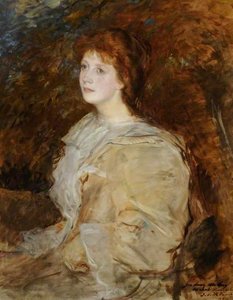
L Hôte
Giclee štampa / Umetnički otisak
Veličina reprodukcije
-


Ukupna cena
дин 8263
L'Hôte by Jacques Emile Blanche – A Portrait of Parisian Elegance
Jacques-Émile Blanche’s “L’Hôte” (The Host) stands as a quintessential emblem of Belle Époque Paris, capturing not merely a likeness but an atmosphere—a palpable sense of refined social interaction and intellectual curiosity. Painted in 1892, this monumental oil on canvas measuring 220 x 290 cm resides at the Musée Des Beaux Arts in Rouen, France, offering viewers a glimpse into a bygone era defined by artistic innovation and aristocratic refinement. Blanche’s distinctive style—characterized by loose brushwork and a muted palette—immediately distinguishes itself from the more polished conventions of his contemporaries. He eschewed meticulous detail in favor of conveying emotion and capturing the subtle nuances of human expression, techniques honed during his formative years alongside luminaries like Édouard Manet and Whistler.A Masterful Blend of Realism and Symbolism
Blanche’s artistic approach transcends mere representation; it delves into symbolism to illuminate deeper themes concerning identity and social dynamics. The composition itself is carefully orchestrated—the central figures seated around a dining table dominate the canvas, their gaze directed outwards, suggesting contemplation and engagement with the world beyond the immediate setting. Notably absent are chairs positioned strategically behind the guests, an element that has been interpreted as representing those excluded from this privileged circle – perhaps individuals deemed unworthy of inclusion or simply those whose presence wasn’t considered essential to the narrative. This deliberate omission underscores Blanche's astute observation of societal hierarchies and his ability to communicate complex ideas through visual cues.Technique and Color Palette: Echoes of Impressionism
The painting’s execution showcases Blanche’s mastery of Impressionist techniques. Thick, visible brushstrokes imbue the canvas with texture and movement, mirroring the fleeting impressions of light and atmosphere that were central to the artistic movement. Blanche employed a restrained color scheme—primarily dominated by warm browns and ochres—creating a cozy and inviting ambiance reminiscent of candlelight illumination. These muted hues contribute to the painting’s emotional resonance, fostering a sense of intimacy and conveying the quiet dignity of the subjects depicted. The artist skillfully blended pigments to achieve subtle gradations of tone, enhancing the illusion of depth and capturing the nuances of light reflecting off surfaces.Historical Context: Parisian Society at Its Zenith
“L’Hôte” was created during Paris's golden age—the Belle Époque (roughly 1871-1914)—a period marked by unprecedented artistic creativity, economic prosperity, and cultural dynamism. Blanche himself was deeply embedded in the intellectual milieu of his time, surrounded by writers, artists, and thinkers who championed progressive ideas and challenged traditional conventions. The painting reflects this spirit of experimentation and celebrates the pursuit of beauty and knowledge—values that were paramount to Parisian society during Belle Époque. It serves as a testament to Blanche’s ability to capture not only the visual appearance of his subjects but also the intellectual and social currents shaping their lives.Emotional Impact: Capturing Inner Life
Ultimately, “L’Hôte” succeeds in conveying profound emotional depth. Blanche's portraits are renowned for capturing the inner life of his subjects—their personalities, aspirations, and vulnerabilities—with remarkable sensitivity. The gaze of the figures is imbued with quiet contemplation, hinting at unspoken thoughts and emotions. This masterful portrayal speaks to the enduring power of art to illuminate human experience and transcends time, inviting viewers to contemplate themes of identity, social status, and the complexities of human relationships. Blanche’s legacy continues to inspire artists today who strive to achieve similar levels of psychological insight and artistic virtuosity.Pitanja i odgovori
Kakva su prava na reprodukciju dela "L Hôte" u muzeju Musée des Beaux-Arts de Rouen?
Status autorskih prava za delo „L Hôte”, Жак Емил Бланш je jasan: rad pripada u javnom vlasništvu – autorska prava su istekla. Njegovo prisustvo u muzeju Musée des Beaux-Arts de Rouen ne menja taj status.
Kakvu bi atmosferu "L Hôte" unela u prostor?
Delo „L Hôte”, Жак Емил Бланш odiše Elegant atmosferom i preporučuje se za Living Room. Raspoloženje je ono što umetničko delo unosi u prostor oko sebe.
Kolika je zasićenost i intenzitet koji prikazuje „L Hôte”, Жак Емил Бланш?
Boja dela "L Hôte" ima Muted zasićenost i Monochromatic intenzitet.
Biografija umetnika
Рани живот и формирање уметника
Жак-Емил Бланш је рођен 1. јануара 1861. године у Паризу, Француска, у породици успешних лекара. Одрастао је у насељу Паси, окружен богатим породицама и познатим уметницима. Њгов отац, Емил Бланш, био је реномирани патолог који је подстицао интересовање сина за уметност. Као младић, Жак-Емил се упознао са многим знаменитим писцима и сликарима, укључујући Едуара Манеа, који ће касније значајно утицати на његов рад. Иако је био углавном самоук, похађао је часове код Анрија Гервекса и Фердинанда Умбера, што му је пружило додатну подршку и смернице у развоју његовог талента. Његова прва слика прихваћена на Салону француских уметника 1881. године означила је почетак успешне каријере, отварајући му врата за излагање и признање у уметничким круговима Париза.Уметничка каријера и стил
Бланшова уметничка каријера била је обележена континуираним учешћем на Салону, као и излагањем са различитим респектабилним друштвима. Његов рад се одликује опуштеном техником сликања, слободним потезима кистом и ограниченом палетом боја, што је његовим портретима и пејзажима давало јединствену импресионистичку атмосферу. Бланш није тежио реалистичном приказу стварности већ је настојао да захвати суштину тренутка, емоције и карактер модела. Његов стил је био под снажним утицајем Едуара Манеа и Џејмса Макнил Вистлера, чије је дело ценио и од којих се инспирисао. Као и они, Бланш је тражио истину у својим моделима, често користећи смеле, изражајне потезе кистом да би пренео њихову личност и унутрашњи свет.Портрети елите и друштвени контекст
Бланшови портрети су посебно познати по осетљивости и увиду који пружају у личности његових модела, често припадника париске и лондонске елите. Сликао је угледне жене и мушкарце, али није био ограничен само на то – заузимао се за портретисање људи из свих слојева друштва. "Портрет Марсела Пруста", на пример, представља интимни приказ знаменитог писца, откривајући његову комплексност и расипеност. Бланшово умеће да ухвати суптилности људског карактера учинило је његова дела веома траженима међу богатом клијентелом. У време Беле епохе, када је друштвени живот био прожет елеганцијом и раскоши, Бланшови портрети су постали симбол статуса и укуса.Наслеђе и значај
Жак-Емил Бланш је преминуо 30. септембра 1942. године, оставивши за собом богато наслеђе елегантних импресионистичких слика. Његов рад наставља да буде цењен због своје осетљивости, изражајности и пажње према детаљу. Као сликар, писац и критичар, Бланш је значајно допринео уметничком свету, инспиришући будуће генерације својим јединственим стилом и приступом. Музеј лепих уметности у Руану поседује импресивну збирку Бланшових дела, која показује његову способност да балансира традицију и модерност. Његова слика "Крејцерова соната" демонстрира његов таленат за преношење есенције музике и емоција на платно, док "Портрет Хенрија Џејмса" истиче његову вештину у откривању суптилности људског карактера. За више информација о Жаку-Емилу Бланшу посетите Википедију или истражите његово дело на OriginalUniqueArt.com, где љубитељи уметности могу детаљно испитати његов опус.Позната дела и изложбе
- "Крејцерова соната" – слика која показује његову способност да захвати суштину музике и емоција.
- "Портрет Хенрија Џејмса" – портрет који истиче Бланшову вештину у откривању суптилности људског карактера.
- "Погледи на Лондон" – серија слика које демонстрирају његову љубав према граду и његовим људима.
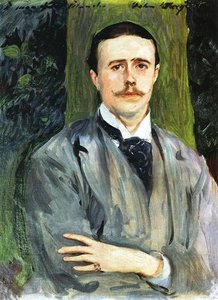
Жак Емил Бланш
1861 - 1942 , Француска
Brzi pregled
- Artistic Movement Or Style: Impresionizam
- Artists Or Movements Influenced By This Artist: ['Thomas Gainsborough']
- Artists Who Influenced This Artist:
- Edouard Manet
- James McNeill Whistler
- Date Of Birth: 1. januar 1861.
- Date Of Death: 30. septembar 1942.
- Full Name: Jacques Émile Blanche
- Nationality: Francuz
- Notable Artworks:
- „Kreutzerova sonata“
- Portret Marcela Prousta
- Place Of Birth (City And Country): Pariz, Francuska
Srodni članci

Echoes of 1875: Art, Culture & the Belle Époque's Pivotal Moment
Explore the art & culture of 1875 Paris – a pivotal year for Impressionism & the Belle Époque. Discover Degas, Béraud, Stewart & more with OriginalUniqueArt's expert insights.
Echoes of 1882: Art, Culture & the Belle Époque's Lasting Impression
Explore the art & culture of the Belle Époque! Discover Impressionism, Realism, and iconic Parisian paintings from Degas, Béraud & more. High-quality reproductions at OriginalUniqueArt.

Giovanni Boldini: A Study in Belle Époque Portraiture & the Cult of Personality
Explore the captivating world of Giovanni Boldini, master of Belle Époque portraiture. Discover his signature style, iconic works like 'Miss Bell,' and lasting influence on art history. Expert analysis for collectors.
Jean-Georges Béraud: Capturing Parisian Life in the Belle Époque
Explore the captivating world of Jean-Georges Béraud, master painter of Belle Époque Paris. Discover his iconic scenes, artistic evolution, and social commentary. A deep dive into 19th-century French art.
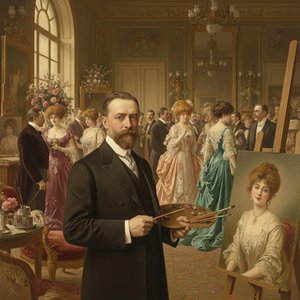
Jacques-Émile Blanche: Capturing Belle Époque Society & the Cult of Personality
Explore the captivating portraits of Jacques-Émile Blanche, a master Impressionist who captured the essence of Belle Époque society in Paris and London. Discover his unique style & lasting legacy.