Pregledaj u prostoru
 Pošalji
 Podeli
 Detalji o delu
 Vodič
Vodič

 Preuzmi
 Slični predmeti
 Rendgenski snimak
 Automatska prezentacija
 Q&A
Q&A Statistika
Entombment
 Acrylic On Canvas
- WallArt
- Early Baroque
 1592
1592 288.0 x 166.0 cm
 San Giorgio Maggiore
 Pročitaj više
Ručno rađena uljana reprodukcija
Ručno oslikano uljanim bojama na platnu u dimenzijama i okviru po vašem izboru, izrađeno po porudžbini od strane naših umetnika. ( Pređi na štampu Pređi na digitalnu sliku)




P118B дин10

P118H дин10

P118W дин10

P438Z дин10

P508JH дин12

P508YH дин12

P805H дин10

P805Z дин10

P919BZ дин10

P919G дин10

P919XJ дин10

P959ZH дин10

P968JZ дин12

W106C дин8

W218G дин10

W218JH дин8

W218Y дин10

W307PJ дин10

W316G дин10

W316PJ дин8

W316Y дин10

W398PJ дин8

W4111J дин10

W500HY дин15

W500JH дин15

W692G дин12

W849H дин8

W940BG дин15

W953PJ дин8




Izaberite jednu od naših unapred definisanih veličina koje odgovaraju originalnim proporcijama umetničkog dela.

Unesite potrebnu širinu i visinu kako bi se slika uklopila u vaš ram ili zid. Pošto je ovo ručno oslikano delo, umetnik može za dimenzije drugačijeg oblika naslikati malo više prostora oko slike ili malo skratiti ivice — izbor je na vama. Pre početka rada, poslaćemo vam digitalni prikaz radi potvrde. Slika prikazana na ovoj stranici ne predstavlja konačan rezultat — samo digitalni prikaz pokazuje stvarnu sliku.
Nakon narudžbine, tim OriginalUniqueArt.com će klijentu putem e-pošte poslati uputstva i dostaviti prikaz predloženog rešenja
Svetska isporuka () za 3/4 nedelje umesto uobičajenih 5 nedelja. (28 октобар). Bez kompromisa po pitanju kvaliteta.

Besplatna ekspresna dostava širom sveta

Visokokvalitetno laneno platno

Potpuno osiguranje transporta

Garancija povraćaja carine i uvoznih dažbina

Garancija vernosti boja

Politika povraćaja u roku od 100 dana (samo u slučaju nedostataka)

Garancija povrata 100% novca

Popust na više proizvoda
 Opcija sa staklom dostupna je samo za dimenzije manje od 110 cm

Entombment
Tehnika reprodukcije
Dimenzije reprodukcije
-


Ukupna cena
дин 31076
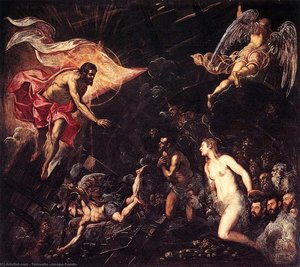
A Dramatic Descent: Tintoretto’s “Entombment” – A Window into Venetian Grief
Jacopo Tintoretto's "Entombment," completed in 1592, is not merely a depiction of a biblical event; it’s a visceral experience. This monumental canvas, measuring an impressive 288 x 166 cm, plunges the viewer directly into the heart of profound sorrow and spiritual weight. Painted during the tumultuous transition from the High Renaissance to the Baroque period in Venice, the work embodies Tintoretto's signature dramatic flair – a masterful manipulation of light, shadow, and human emotion that continues to captivate audiences centuries later. The painting’s power resides not just in its subject matter but in the artist’s audacious approach to composition and his innovative use of color and texture.
The Narrative Unfolds: Biblical Drama and Venetian Reality
The scene itself is a carefully orchestrated tableau of grief. Jesus Christ, recently removed from the cross, lies within the arms of Nicodemus, a prominent figure in Christian tradition often associated with secret discipleship. The figures surrounding him – Mary Magdalene, John the Apostle, Joseph of Arimathea, and others – are rendered with an astonishing level of detail and psychological depth. Tintoretto doesn’t shy away from portraying the raw emotions of loss; faces are contorted in anguish, bodies slump with exhaustion, and gestures convey a desperate plea for solace. Crucially, the setting is not a stylized, ethereal space but a dimly lit, almost claustrophobic interior – likely a representation of a Venetian building, possibly a church, grounding the divine drama within the everyday reality of 16th-century Venice. This juxtaposition of the sacred and secular was a hallmark of Tintoretto’s style, reflecting the vibrant, complex society he inhabited.
Masterful Technique: Light, Color, and Dynamic Composition
Tintoretto's technical prowess is immediately apparent in "Entombment." He employs a technique known as *sfumato*, creating soft, hazy outlines that blur the edges of forms and figures. This contributes to the painting’s overall sense of drama and mystery. The use of color is equally striking – deep reds and browns dominate, symbolizing blood, earth, and mourning, while flashes of gold highlight key elements like Jesus's body and the garments of the mourners. The composition itself is a marvel of dynamism. Tintoretto utilizes converging lines to draw the viewer’s eye towards the central figure of Christ, while strategically placed figures create a sense of movement and chaos – mirroring the emotional turmoil of the scene. Notice how he uses diagonal thrusts throughout the painting, preventing it from feeling static or predictable.
- Layered Brushwork: Tintoretto’s signature technique involved applying paint in multiple layers, building up textures and creating a sense of depth and luminosity.
- Dramatic Lighting: The use of *chiaroscuro* – the contrast between light and dark – is exceptionally pronounced, intensifying the emotional impact of the scene.
- Complex Figures: Each figure is rendered with meticulous detail, conveying not just their physical appearance but also their individual emotions and roles within the narrative.
Symbolism and Spiritual Resonance: Echoes of Loss and Hope
"Entombment" is rich in symbolic meaning. The act of entombment itself represents both death and resurrection – a poignant reminder of Christ’s sacrifice and the promise of eternal life. The presence of figures like Nicodemus, who initially concealed his faith, speaks to the possibility of redemption and the transformative power of belief. The bowl held by one figure could represent the preciousness of human life, while the book symbolizes scripture and divine guidance. Beyond its religious significance, the painting resonates with universal themes of grief, loss, and the enduring search for solace – emotions that transcend time and culture. It’s a testament to Tintoretto's ability to capture not just a historical event but also the profound human experience behind it.
OriginalUniqueArt offers meticulously crafted hand-painted reproductions of Jacopo Tintoretto’s “Entombment,” allowing you to bring this masterpiece into your home or office. Our artists replicate the artist's dramatic style and masterful technique with unparalleled accuracy, ensuring that every detail – from the subtle nuances of light and shadow to the expressive faces of the mourners – is faithfully reproduced. Explore our collection today and experience the enduring power of Tintoretto’s vision.
Pitanja i odgovori
Zašto je status autorskih prava za "Entombment" takav kakav jeste?
Status autorskih prava za delo "Entombment" - u javnom vlasništvu – autorska prava su istekla - proizilazi iz godine smrti umetnika, 1594.
Kakav osećaj prenosi „Entombment”, autor Tintoreto?
U delu "Entombment", Dramatic raspoloženje prati Melancholic emocija.
Koja je dominantna boja dela „Entombment”, autor Tintoreto?
Dominantna nijansa dela „Entombment”, autor Tintoreto je Warm Sunset Tones. Ova nijansa predstavlja osnovni ton palete.
Biografija umetnika
Јакопо Тинторето: Венецијански Мајстор Драме и Светла
Јакопо Тинторето, рођено име Јакопо Робусти, рођен је у Венецији око 1518. године и остаје једна од најзанимљивијих и најупечатљивијих фигура Високе Ренесансе и раног Барока. Сам пркорак „Тинторето“ – малог бојаџије – указује на породичну занатлијску делатност, али у исто време превазира његову огромну уметничку моћ. За разлику од многих уметника који су имали користи од структурираних пракси, Тинторетов пут је био углавном самосталан, подстицан неумором љубопитљивошћу и непрекидним стремљењем ка иновацијама. Иако се говори о кратком и неуспешном боравку у атељеу Тицијана, признатог мајстора венецијанске колористике, чини се да је искуство било више конфликтно него продуктивно. Титјанова наводна одбитка младог Јакопа – било због зависти или уметничких несугласица – подстакла га је ка самосталном путу, обележеном смелим експериментима и јединственим динамичним стилом. Уродио се у анатомијско изучавање, наводно кроз дисекције, и усвршио своје вештине пажљиво преписујући класичне скулптуре и дела других мајстора. Та посвећеност положила је основу за каријеру која ће редефинисати венецијанско сликарство.Формирање Дистинктивног Стиља: *Ил Фуриозо*
Тинторетов уметнички развој био је обележен готово грозничавом енергијом, што му је донело још један надимак: *Ил Фуриозо* – „Лјути“. Овај назив није само описивао његов радни темпо, већ и зауземао интензитет и емоционални набој који су пропијали његове лептирне површине. Већ у раним делима наговештавала се одступања од традиционалних венецијанских конвенција. Признајући Тицијанов утицај у боји, Тинторето је тежио ка монументалним фигурама и драматичним композицијама Микеландјела. Синтезиравши ове утицаје у нешто сасвим ново, створио је стил који се одликује издуженим облицима, вртложачким драперима и иновативном употребом перспективе која често ствара осећај задивљујуће дубине и покрета. Одустао је од прецизности коју су заволели његови савременици, уместо тога се определио за брзу, готово скицу-попут четкицу која је изражавала непосредност и сирову емоцију. Ова техника, у комбинацији са његовим мајсторским манипулацијама светлом и сенком – *кјароскуром* – омогућила му је да створи сцене без преседане драме и психолошке интензитета. Он није само приказивао догађаје; он је преносио њихов емоционални срж.Монументална Остварења: Сан Роко и Даље
Тинторетова продукција била је огромна, обухватајући деценијама, укључујући религијске наративе, историјске алегорије и портрете. Међутим, његово најзначајније остварење лежи у циклусу слика које је створио за Скуола Гранде ди Сан Роко, венецијанску братству посвећену Светог Роху. Током више од педесет година, Тинторето је украсио сале Скуоле преко шездесет слика, трансформишући је у задивљујуће визуелно сведочанство о вери и човечком искуству. Дела попут „Тајне вечере“, завршена касно у његовом животу, демонстрирају његово континуирано експериментисање са перспективом и композицијом. Одудаљавајући се од традиционалних приказа, Тинторето је поставио сцену у драматично осветљеном, архитектурски нестабилном простору, наглашавајући емоционални немир Христовог последњег вечера са његовим ученицима. Друга запазива дела укључују „Чудо Светог Марка који је ослобађао робова“, монументалну демонстрацију динамичне композиције и портиране, као и бројне слике за венецијанске цркве и палате које приказују његову мајсторску вештину у скали и наративног приповедања. Ови монументални пројекти учврстили су Тинторетов углед једног од најважнијих венецијанских уметника.Наслеђе и Историјски Значај
Јакопо Тинторето преминуо је у Венецији 1594. године, оставивши за собом огромно и утицајно дело. Он је спајао Високу Ренесансу и Барокни период, предвидео многе стилске иновације које су дефинисале касније. Његове драматичне композиције, изражајан четкица и иновативно коришћење светлости и сенке дубоко су утицали на уметнике попут Каравађа, Рембранта и Делакроа. Он није био само сликар; он је био визуелни приповедач који је разумео како да искористи снагу уметности да буди емоције и изазива благочешће. Као један од три велика венецијанска сликара 16. века – заједно са Тицијаном и Паолом Веронезом – Тинторето је играо кључну улогу у обликовању уметничког пејзажа Венеције током њеног златног доба. Његово дело одражава не само верски жар и политичке тензије свога времена, већ и јединствено лични визију која и данас резонује са публиком, што потврђује његово место међу најважнијим и задивљујућим уметницима у историји. Његова заоставштина је сведочанство о трајној моћи уметничке иновације и трансформишућем потенцијалу људске креативности.
Tintoreto
1518 - 1594 , Italija
Osnovne informacije
- Datum Rođenja: 29. septembar 1518.
- Datum Smrti: 31. maj 1594.
- Mesto Rođenja: Venecija, Italija
- Na Njih Je Uticao:
- Kravagio
- Barokni majstori
- Nacionalnost: Italijan
- Puno Ime: Đakopo Tintoreto
- Umetnički Pokret: Renesansa, Manirizam
- Uticali Na Njega:
- Titian
- Mihajlo Anđelo
- Značajna Dela:
- Čudo Svetog Marka
- Poslednja večera
- Vaznesenje Device Marije
Povezani članci

Jacopo Tintoretto: 25 Remek-dela Venecijanskog Majstora | Reprodukcije i Inspiracija za Dom
Uronite u svet Jacopa Tintoreta! Otkrijte 25 remek-dela venecijanskog renesansnog majstora. Istražite dramatične kompozicije, bogate boje i istoriju umetnosti na OriginalUniqueArt.com. Reprodukcije slika za luksuzni enterijer.

Baroque Classicism: The Grandeur of Order and Drama in 17th-Century Art History
Explore the profound elegance of Baroque Classicism. Discover how 17th-century masters synthesized dramatic emotion with classical order through the lens of the Counter-Reformation and the works of legends like Carlo Maratta and Andrea Sacchi.

Otključavanje baroknog sjaja: Vodič kroz dramu i emociju umetnosti 17. veka
Otkrijte tajne barokne drame i tehnike kjaroskura kroz naš stručni vodič. Doživite moć 17. veka već danas.

Theatricality & Triumph: Baroque Drama in Painting & Sculpture
Explore the dramatic world of Baroque art! Discover its history, defining characteristics, & lasting influence on painting & sculpture. Expert insights into Caravaggio, Zurbarán, and Bernini – plus high-quality reproductions at OriginalUniqueArt.

The Dramatic Flourish: Exploring the Baroque Movement's Enduring Legacy in Art History
Explore the dramatic world of Baroque art! Discover iconic artists like Caravaggio & Rubens, defining techniques, and its lasting impact on art history. Expert insights for collectors & enthusiasts at OriginalUniqueArt.