
 Pregledaj u prostoru
 Pošalji
 Podeli
 Detalji o delu
 Vodič
Vodič

 Preuzmi
 Slični predmeti
 Rendgenski snimak
 Automatska prezentacija
 Pitanja i odgovori
 Statistika
Supper at Emmaus

- 173.0 x 230.0 cm


 Pročitaj više
Giclee štampa / Umetnički otisak
Giclée štampa ili print na platnu muzejskog kvaliteta uz brzu izradu i raznovrsne opcije završne obrade. ( Kupite ručno oslikano delo Pređi na digitalnu sliku)




P118B дин10

P118H дин10

P118W дин10

P438Z дин10

P508JH дин12

P508YH дин12

P805H дин10

P805Z дин10

P919BZ дин10

P919G дин10

P919XJ дин10

P959ZH дин10

P968JZ дин12

W106C дин8

W218G дин10

W218JH дин8

W218Y дин10

W307PJ дин10

W316G дин10

W316PJ дин8

W316Y дин10

W398PJ дин8

W4111J дин10

W500HY дин15

W500JH дин15

W692G дин12

W849H дин8

W940BG дин15

W953PJ дин8




Izaberite jednu od naših unapred definisanih veličina koje odgovaraju originalnim proporcijama umetničkog dela.

Unesite željenu širinu i visinu kako bi se štampa uklopila u vaš ram ili zid. Štampu je moguće samo iseći, ali nikada povećati iznad dimenzija originalne slike, stoga format sa drugačijim proporcijama uzrokuje gubitak dela slike. Pre početka štampe, poslaćemo vam digitalni prikaz radi potvrde. Slika prikazana na ovoj stranici ne predstavlja stvarni isrez — to pokazuje samo digitalni prikaz.
Dostava širom sveta () za 2 nedelje umesto uobičajenih 4/5 nedelja. (9 новембар)

Besplatna ekspresna dostava širom sveta

Visokokvalitetno laneno platno

Potpuno osiguranje transporta

Garancija povraćaja carine i uvoznih dažbina

Garancija vernosti boja

Politika povraćaja u roku od 100 dana (samo u slučaju nedostataka)

Garancija povrata 100% novca

Popust na više proizvoda
 Opcija sa staklom dostupna je samo za dimenzije manje od 110 cm

Supper at Emmaus
Giclee štampa / Umetnički otisak
Dimenzije reprodukcije
-


Ukupna cena
дин 8485
A Moment Frozen in Time: Jacopo Carucci’s *Supper at Emmaus*
Jacopo Carucci's *Supper at Emmaus*, painted in 1525, is more than just a depiction of a biblical scene; it’s a profound meditation on faith, betrayal, and the human condition. Executed in the rich, dramatic style characteristic of the late Renaissance – specifically bridging the Mannerist and Baroque movements – this oil-on-canvas masterpiece captures the poignant moment when Christ reveals himself to two disciples during their post-resurrection journey. The painting’s immediate impact lies in its masterful use of light and shadow, a hallmark of the Baroque tradition, creating an atmosphere of intense emotion and spiritual significance. The artist's deliberate manipulation of perspective draws the viewer directly into the intimate tableau, fostering a sense of shared experience with the figures themselves.
A Synthesis of Renaissance and Baroque
Born in Pontormo, Tuscany, around 1494, Jacopo Carucci – known as Pontormo – was a revolutionary figure. He rejected the idealized beauty favored by earlier Renaissance artists like Raphael and Leonardo da Vinci, instead embracing a style characterized by emotional intensity and psychological complexity. This shift towards Mannerism is powerfully evident in *Supper at Emmaus*, where figures are rendered with elongated forms and subtly distorted features, conveying not just physical appearance but also inner turmoil and spiritual awareness. The influence of Michelangelo Buonarroti, who tutored Pontormo early in his career, can be seen in the artist’s meticulous attention to anatomical detail, though it's filtered through a distinctly Mannerist lens. The painting represents a crucial transition – a bridge between the serene harmony of the High Renaissance and the dramatic dynamism that would define the Baroque era.
Technical Brilliance and Symbolic Resonance
The technical execution of *Supper at Emmaus* is breathtaking. Carucci’s meticulous brushwork creates a remarkable sense of texture, particularly in the richly draped fabrics and the subtly modeled faces of the figures. The color palette – dominated by browns, golds, and muted greens – is carefully considered, with touches of red and white adding visual interest and highlighting key elements. Beyond its technical prowess, the painting is laden with symbolism. Notably, an eye within a triangle is positioned above the table, a recurring motif in Pontormo’s work, representing divine omniscience and God's all-seeing gaze. The composition itself – the carefully arranged gestures of the disciples, Christ’s outstretched hand – reinforces the narrative’s central theme: the transformative power of revelation. The use of gold leaf, both within the frame and on some figures’ garments, elevates the work to a position of opulent reverence.
Historical Context and Emotional Impact
*Supper at Emmaus* was created during a period of profound religious and social upheaval in Europe. The Protestant Reformation was gaining momentum, challenging the authority of the Catholic Church, while artistic innovation continued to push boundaries. Pontormo’s work reflects this tension – a deeply spiritual subject rendered with an intensely personal and emotionally charged style. The painting's enduring power lies in its ability to evoke a sense of solemnity, reverence, and perhaps even a touch of foreboding, mirroring the dramatic narrative of betrayal and divine grace. It remains a testament to Jacopo Carucci’s genius and his pivotal role in shaping the course of Western art.
Pitanja i odgovori
Da li je "Supper at Emmaus" tipično za ono što je Ђакопо Понтормо obično stvarao?
Među upečatljivim temama umetnika Ђакопо Понтормо – mannerist influence, renaissance piety, catholic iconography, divine omniscience, betrayal's shadow, pontormo's emotion, a pivotal moment, exploring faith & doubt – delo "Supper at Emmaus" donosi sopstveni fokus na last supper, religious art, biblical scene, divine symbolism, italian renaissance, chiaroscuro lighting, baroque painting.
U kojoj fazi karijere Ђакопо Понтормо se nalazi delo "Supper at Emmaus", s obzirom na datum njegovog nastanka?
S obzirom na datum nastanka iz 1525. godine, delo "Supper at Emmaus" pripada Mature Period periodu umetnika Ђакопо Понтормо.
Da li je "Supper at Emmaus" dostupan kao umetnička štampa?
„Supper at Emmaus“ je dostupno kao umetnička štampa na pamučnom platnu ili arhivskom kanvas papiru. Porudžbine možete izvršiti na stranici Umetnički print, u dimenziji po vašem izboru.
Biografija umetnika
Melanholijski vizionar: Život i nasleđe Đakopa Понтормоа
Đakopo Каручи, istoriji poznat pod upečatljivim imenom Понтормо, bio je umetnik čija je četkica uspela da uhvati samu suštinu tranzicije. Rođen u malom toskanskom selu Понторме око 1494. године, njegovo rano detinjstvo obeležio je duboki osećaj samoće i melanholije, osobine koje će kasnije prožeti njegova platna neprevaziđenom psihološkom dubinom. Kao mladi šegrt u Firenci, koračao je kroz svet promenljivih umetničkih paradigmi, na kraju se izdvojivši kao centralna figura firentinske manierističke pokretne. Za razliku od majstora Visoke renesanse koji su težili savršenstvu kroz ravnotežu i matematičku harmoniju, Понтормо je gledao unutra, nastojeći da izrazi turbulentne, često uznemirujuće složenosti ljudske duše. Njegove formativne godine oblikovale su senke divova. Pod mentorstvom Domenika дел Полаиуола i pod monumentalnim uticajem Mišelанђела Буонаротија, savladao je anatomsku preciznost potrebnu renesansnom majstoru, ali je posedovao neobuzdanu želju da upravo tu stvarnost izobliči radi postizanja emocionalnog efekta. Inspiraciju je crpeo ne samo iz skulpturalne težine Микеландјела, već i iz složenih, emotivnih gravura Албрехта Дјурера. Ova jedinstvena sinteza italijanske forme i severnoevropskog ekspresivnog detalja omogućila mu je da pionira stil u kojem se likovi čine kao da gube vezu sa gravitacijom, lebdeći kroz dvosmislene, sanjane prostore.Arhitektura manierizma: Stil i inovacija Posmatrati Понтормоvo delo znači ući u carstvo gde su poznati zakoni fizike i perspektive suspendovani. Njegov rad predstavlja namerno odstupanje od spokojne, perspektivne regularnosti njegovih prethodnika. U remek-delima kao što su njegova "Vizitacija" ili proganjajuća "Depozicija", uočavaju se obeležja njegove revolucionarne manierističke estetike: izdužene udove, isprepletene i neprirodne poze, te paleta živopisnih, gotovo kiselkastih boja koje se sukobljavaju i svetlucaju nebeskom svetlošću. On je zamenio stabilne, trouglaste kompozicije renesanse vrtložnim, prepunim aranžmanima koji izazivaju osećaj nemirne energije i duhovnog nemira. Tehnička briljantnost Понтормоа ležala je u njegovoj sposobnosti da koristi boju i formu kao psihološke alate. Njegovi likovi često izgledaju kao da plutaju u neizvesnim okruženjima, nepokolebljivi težinom, stvarajući osećaj duboke nestabilnosti. To nije bila puka veština; bio je to nameran pokušaj da se prenesu duhovne anksioznosti ere zarobljene između sigurnosti renesanse i nadolazeće drame baroka. Bilo kroz dramatičnu svetlost u njegovom "Večer u Emau" ili oštru, emotivnu intenzitet koji se nalazi u njegovim studijama Hrista, Понтормо je koristio svaki potez četkicom da istraži teme tuge, pobožnosti i božanskog.
Trajni utisak na istoriju umetnosti
Istorijski značaj Đakopa Понтормоа ne može se preuveličati. Služio je kao vitalni most, prevodeći klasične ideale 15. veka u ekspresivni, teatralni jezik koji će definisati veliki deo umetnosti 16. veka. Njegov uticaj se proširio kroz firentinsku školu, oblikujući dela naslednika poput Bronzina i osiguravajući da tenzija između lepote i veštačkog ostane centralni dijalog u evropskom slikarstvu. Njegovo delo ostaje svedočanstvo o moći individualne vizije nad tradicijom. Kroz svoje portrete, kao što je veličanstveni "Kozimo I de Mediči", i svoja duboko simbolična religiozna dela, pokazao je da umetnost može biti više od ogledala stvarnosti; ona može biti prozor u podsvest. Iako je njegov život često bio u senci lične tuge, sjaj njegove boje i složenost njegovih kompozicija nastavljaju da očaravaju, pozivajući svakog posmatrača da se izgubi u prelepom, izobličenom i duboko ljudskom svetu firentinskog majstora.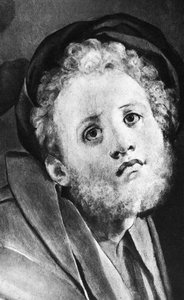
Ђакопо Понтормо
1494 - 1557 , Италија
Osnovne informacije
- Artistic Movement Or Style: Manirizam
- Artists Or Movements Influenced By This Artist: ['Rosso Fiorentino']
- Artists Who Influenced This Artist: ['Leonardo da Vinci']
- Date Of Birth: oko 1494.
- Date Of Death: 1557/7.
- Full Name: Jacopo Pontormo
- Nationality: Italijan
- Notable Artworks (List Of Titles):
- Poseta
- Spuštanje s krsta
- Place Of Birth (City And Country): Pontorme, Italija
Povezani članci

The Dramatic Flourish: Exploring the Baroque Movement's Enduring Legacy in Art History
Explore the dramatic world of Baroque art! Discover iconic artists like Caravaggio & Rubens, defining techniques, and its lasting impact on art history. Expert insights for collectors & enthusiasts at OriginalUniqueArt.

The Enduring Legacy of Oil on Canvas: Technique, History & Aesthetic Impact
Explore the rich history & techniques of oil painting – from Renaissance masters to Impressionism. Discover pigments, layering methods, and why this timeless medium endures. Expert insights for artists & art enthusiasts.

Jacopo Tintoretto: 25 Remek-dela Venecijanskog Majstora | Reprodukcije i Inspiracija za Dom
Uronite u svet Jacopa Tintoreta! Otkrijte 25 remek-dela venecijanskog renesansnog majstora. Istražite dramatične kompozicije, bogate boje i istoriju umetnosti na OriginalUniqueArt.com. Reprodukcije slika za luksuzni enterijer.

Барокна драма: Уношење величине и емоција у савремене ентеријере
Откријте барокну драму и унесите величину у ваш ентеријер! OriginalUniqueArt нуди ручно насликане репродукције, персонализоване портрете и стручне консултације за љубитеље класичне уметности. Потражите савршено дело већ данас!

The Enduring Power of Painting: A Historical & Contemporary Exploration of Form and Emotion
Explore the rich history & enduring techniques of oil painting with OriginalUniqueArt. Discover masterpieces, learn about art collecting, and find authentic handmade reproductions crafted by skilled artists.

